Planning a safari in Tanzania is one of the most exciting travel experiences in the world. From vast savannah plains filled with wildlife to breathtaking landscapes and rich cultural encounters, Tanzania offers a safari adventure unlike anywhere else on Earth.
This complete Tanzania safari guide will help you understand where to go, what animals you can see, the best time to visit, how to plan your trip, and what costs to expect.
Whether you are planning your first African safari or returning for another adventure, this guide will help you prepare for an unforgettable journey.
Why Choose Tanzania for a Safari
Tanzania is widely considered one of the best safari destinations in Africa. The country has some of the largest and most protected wildlife areas on the continent, allowing visitors to experience nature in its most authentic form.
One of the main reasons travelers choose Tanzania is its incredible concentration of wildlife. Parks like Serengeti National Park and the famous Ngorongoro Crater offer world-class game viewing throughout the year.
1. The Great Migration
Tanzania hosts the world-famous Great Migration, where more than two million wildebeest, zebras, and gazelles move across the Serengeti ecosystem in search of fresh grass. It is considered one of the greatest wildlife spectacles on the planet.
2. Diverse Landscapes
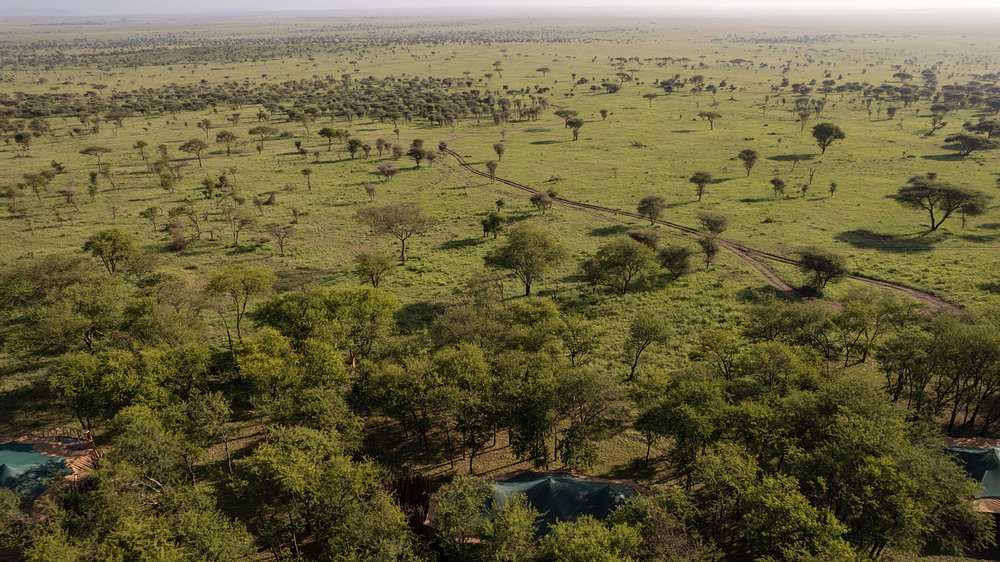
Unlike many safari destinations, Tanzania offers extremely diverse landscapes including:
-
Endless savannah plains
-
Ancient volcanic craters
-
Acacia woodlands
-
Alkaline lakes
-
Mountain forests
Visitors can explore multiple ecosystems within a single safari itinerary.
3. Abundant Wildlife
Tanzania is home to the famous Big Five animals:
-
Lion
-
Elephant
-
Leopard
-
Buffalo
-
Rhino
Many national parks provide excellent opportunities to see these iconic species in their natural environment.
4. Cultural Experiences
In addition to wildlife, Tanzania offers rich cultural encounters with local communities such as the Maasai, Hadzabe, and Datoga tribes.
These experiences allow visitors to learn about traditional lifestyles, hunting techniques, and indigenous knowledge passed down through generations.
Best National Parks for a Tanzania Safari
Tanzania has more than 20 national parks and several game reserves. However, a few destinations stand out as must-visit locations for most travelers.
1. Serengeti National Park
Serengeti National Park is Tanzania’s most famous wildlife destination and one of the most celebrated safari locations in the world.
The Serengeti ecosystem covers approximately 30,000 square kilometers and supports one of the largest wildlife populations on Earth.
Highlights of the Serengeti include:
-
The Great Migration
-
Large prides of lions
-
Excellent leopard sightings
-
Endless savannah landscapes
-
Hot air balloon safaris
Game viewing in the Serengeti is exceptional year-round, making it the centerpiece of most safari itineraries.
2. Ngorongoro Conservation Area
The spectacular Ngorongoro Conservation Area is home to the world-famous Ngorongoro Crater.
This massive volcanic caldera formed millions of years ago and now serves as a natural wildlife sanctuary.
Animals commonly seen inside the crater include:
-
Black rhinos
-
Large lion prides
-
Elephants
-
Flamingos
-
Hyenas
-
Buffalo
Because the crater walls act as a natural enclosure, wildlife viewing is extremely concentrated, making it one of the best places in Africa to see the Big Five in a single day.
3. Tarangire National Park
Tarangire National Park is famous for its giant baobab trees and massive elephant herds.
During the dry season, thousands of animals migrate to the Tarangire River, creating spectacular wildlife viewing opportunities.
Highlights include:
-
Large elephant populations
-
Tree-climbing lions
-
Baobab landscapes
-
Seasonal migration of wildlife
-
Excellent birdwatching
Tarangire is often less crowded than other parks, making it perfect for travelers seeking a quieter safari experience.
4. Lake Manyara National Park
Lake Manyara National Park is a smaller but very scenic park located along the Great Rift Valley escarpment.
This park is famous for:
-
Tree-climbing lions
-
Large troops of baboons
-
Flamingos and water birds
-
Groundwater forests
Although smaller than Serengeti or Tarangire, Lake Manyara offers unique landscapes and diverse wildlife.
Wildlife You Can See on a Tanzania Safari
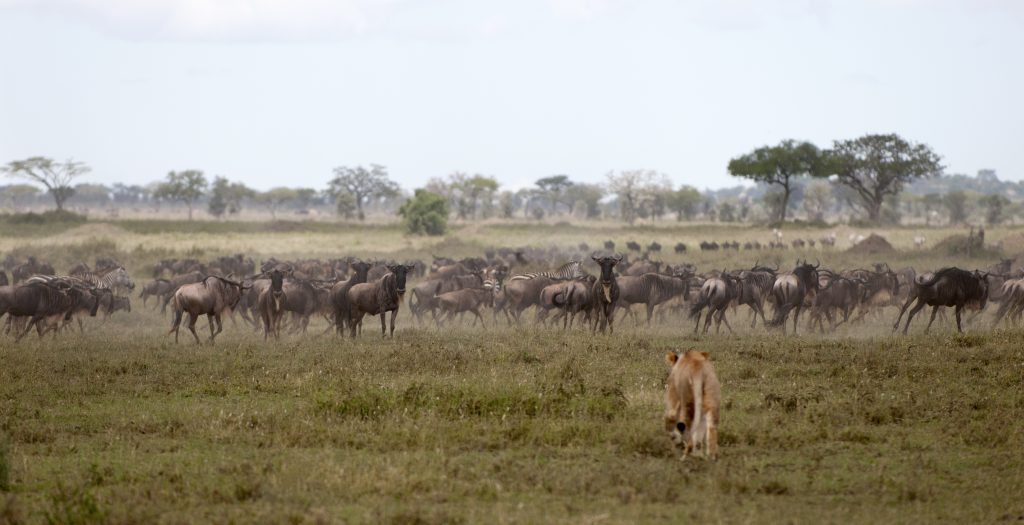
Tanzania is one of the most wildlife-rich countries in the world. Visitors can encounter a wide variety of animals during game drives.
Big Cats
Tanzania is known for its incredible big cat population.
You may see:
-
Lions hunting on the Serengeti plains
-
Leopards resting in acacia trees
-
Cheetahs sprinting across open grasslands
The Serengeti is especially famous for large lion populations.
Elephants
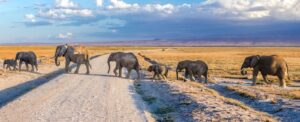
Elephants are commonly seen in several parks, especially in Tarangire National Park, which hosts some of the largest elephant herds in East Africa.
Visitors often see families of elephants crossing rivers, feeding on trees, or walking slowly across the savannah.
Rhinos
Black rhinos are rare but can still be seen inside the Ngorongoro Crater.
Conservation efforts have helped protect this endangered species in the region.
Giraffes and Zebras
The elegant giraffe — Tanzania’s national animal — is commonly seen browsing treetops across the northern safari circuit.
Zebras often travel alongside wildebeest during the Great Migration.
Birdlife
Tanzania is also a paradise for bird lovers, with more than 1,100 bird species recorded across the country.
Common sightings include:
-
Flamingos
-
Fish eagles
-
Hornbills
-
Secretary birds
-
Kingfishers
Lake areas and wetlands offer especially rich birdwatching opportunities.
Planning Your Tanzania Safari
Planning a safari requires careful preparation to ensure the best experience.
Here are the key factors to consider.
1. Best Time to Visit
Tanzania can be visited year-round, but the best safari seasons are generally:
June – October (Dry Season)
-
Best wildlife viewing
-
Animals gather near water sources
-
Less vegetation makes animals easier to spot
January – March
-
Calving season in the Serengeti
-
Excellent predator activity
The Great Migration river crossings usually occur between July and September.
2. Safari Duration
Most Tanzania safaris last between 5 and 10 days.
Popular itinerary examples include:
-
5-day Northern Circuit safari
-
7-day Serengeti and Ngorongoro safari
-
10-day wildlife and cultural safari
These itineraries typically combine several parks for a varied experience.
3. Accommodation Options
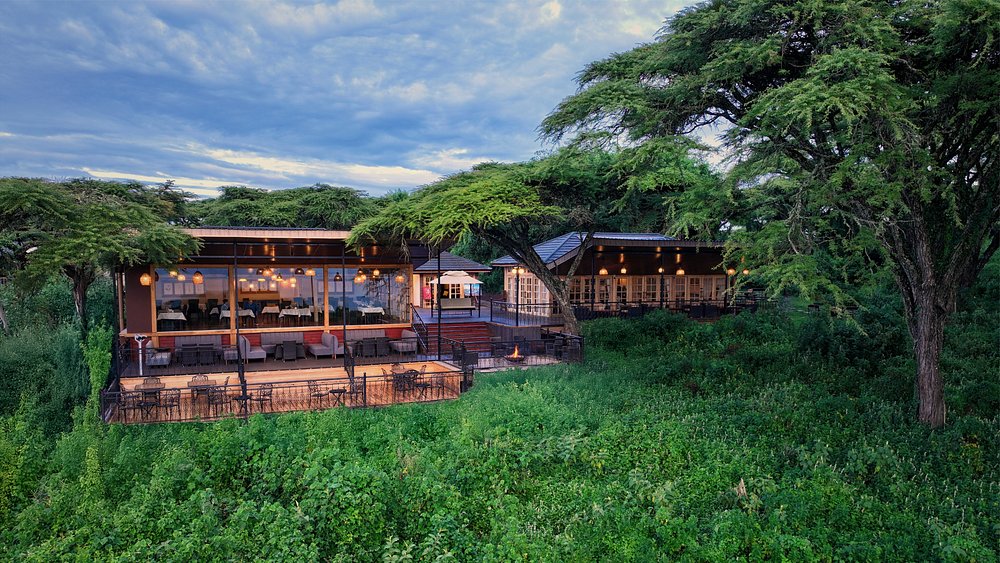
Tanzania offers a wide range of safari accommodation styles.
Luxury Lodges
-
High-end comfort
-
Private guides
-
Premium dining experiences
Tented Camps
-
Authentic safari atmosphere
-
Located close to wildlife areas
-
Comfortable but adventurous
Budget Camps
-
Affordable safari option
-
Ideal for adventurous travelers
Accommodation prices vary depending on season and location.
4. Safari Vehicles and Guides
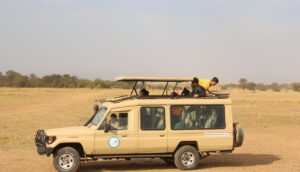
Most safaris use specially designed 4×4 Land Cruiser vehicles with pop-up roofs for game viewing.
A professional safari guide plays a critical role in your experience by:
-
Tracking animals
-
Explaining wildlife behavior
-
Navigating national parks safely
Experienced guides greatly enhance the quality of a safari.
Tanzania Safari Costs
The cost of a Tanzania safari depends on several factors including accommodation level, park fees, transportation, and season.
Here is a general price estimate:
| Safari Type | Average Cost Per Person (Per Day) |
|---|---|
| Budget Safari | $200 – $350 |
| Mid-Range Safari | $350 – $600 |
| Luxury Safari | $600 – $1,500+ |
Most safari packages include:
-
Park entrance fees
-
Accommodation
-
Meals
-
Safari vehicle and guide
-
Game drives
Flights and personal expenses are usually separate.
What to Pack for a Safari
Packing properly will help ensure a comfortable safari.
Recommended items include:
-
Neutral colored clothing (khaki, brown, green)
-
Lightweight jackets for cool mornings
-
Binoculars
-
Sunscreen and sunglasses
-
Camera with extra batteries
-
Hat and insect repellent
Avoid bright colors, which may disturb wildlife.
Safari Tips for First-Time Visitors
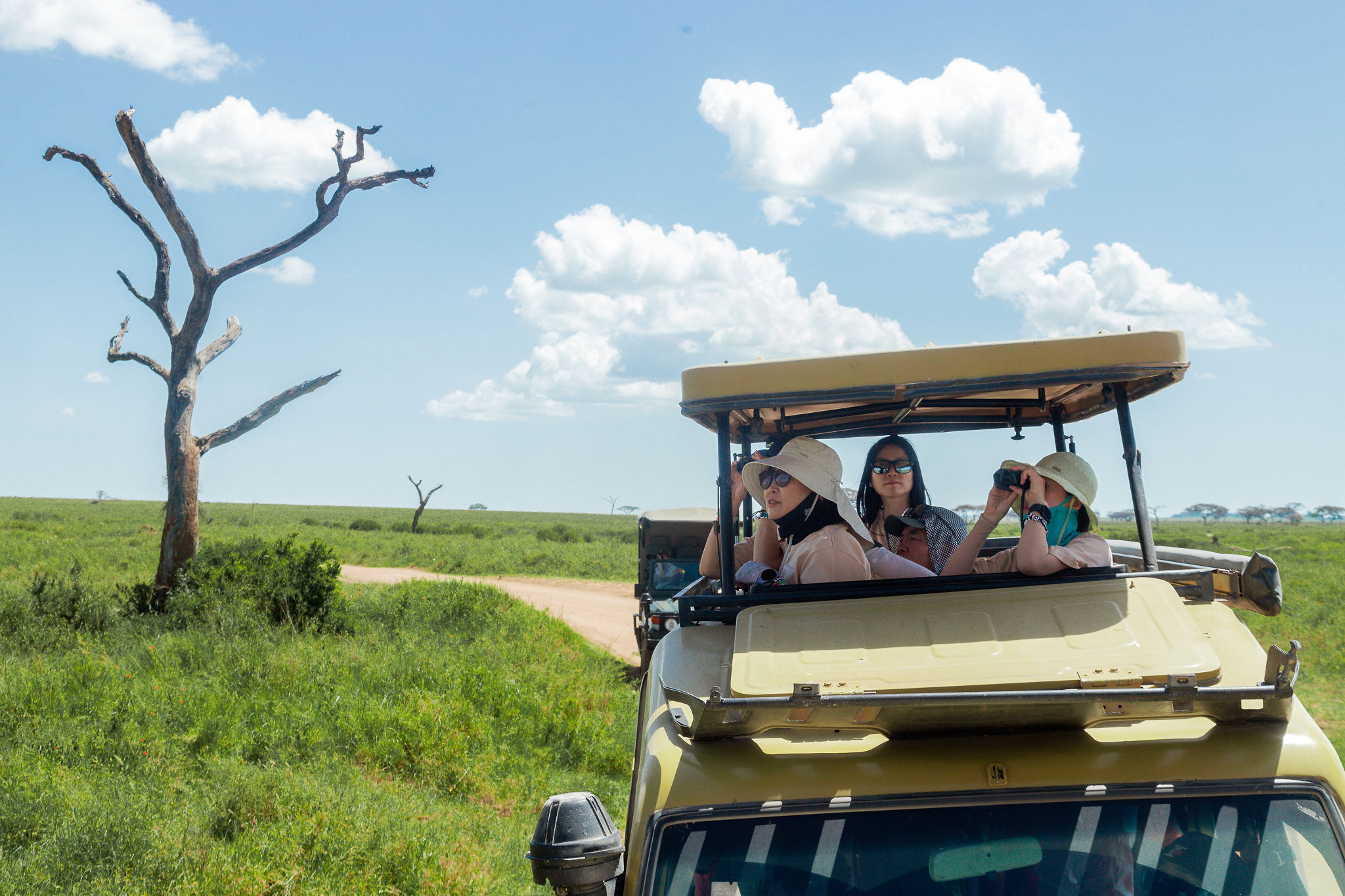
Here are some useful tips for travelers visiting Tanzania for the first time.
Book Early
Popular safari lodges fill quickly during peak seasons.
Choose the Right Parks
The northern safari circuit (Serengeti, Ngorongoro, Tarangire, and Lake Manyara) offers the best wildlife diversity.
Be Patient During Game Drives
Wildlife sightings require patience, but the rewards are incredible.
Respect Wildlife
Always follow the guide’s instructions and keep a safe distance from animals.
Combining Safari with Other Destinations
Many travelers combine their safari with other destinations in Tanzania.
Popular extensions include:
Mount Kilimanjaro Trekking
Adventure travelers often climb Mount Kilimanjaro, the highest mountain in Africa.
Zanzibar Beach Holiday
After a safari, many visitors relax on the beautiful beaches of Zanzibar.
This combination creates the perfect balance of adventure and relaxation.
Final Thoughts
A Tanzania safari is truly a once-in-a-lifetime experience. From the endless plains of the Serengeti to the dramatic landscapes of the Ngorongoro Crater, Tanzania offers some of the most spectacular wildlife encounters on Earth.
Whether you are watching lions hunt at sunrise, witnessing the Great Migration, or exploring ancient landscapes filled with wildlife, a safari in Tanzania promises unforgettable memories.
With proper planning, the right itinerary, and an experienced guide, your Tanzania safari adventure will be one of the most extraordinary journeys you will ever take.