
 Camping Safari 4 Days
4 Day Wildebeest Migration During the Culving Season
From$1,650/person
View safariArusha City - Tanzania
Tanzania Experience
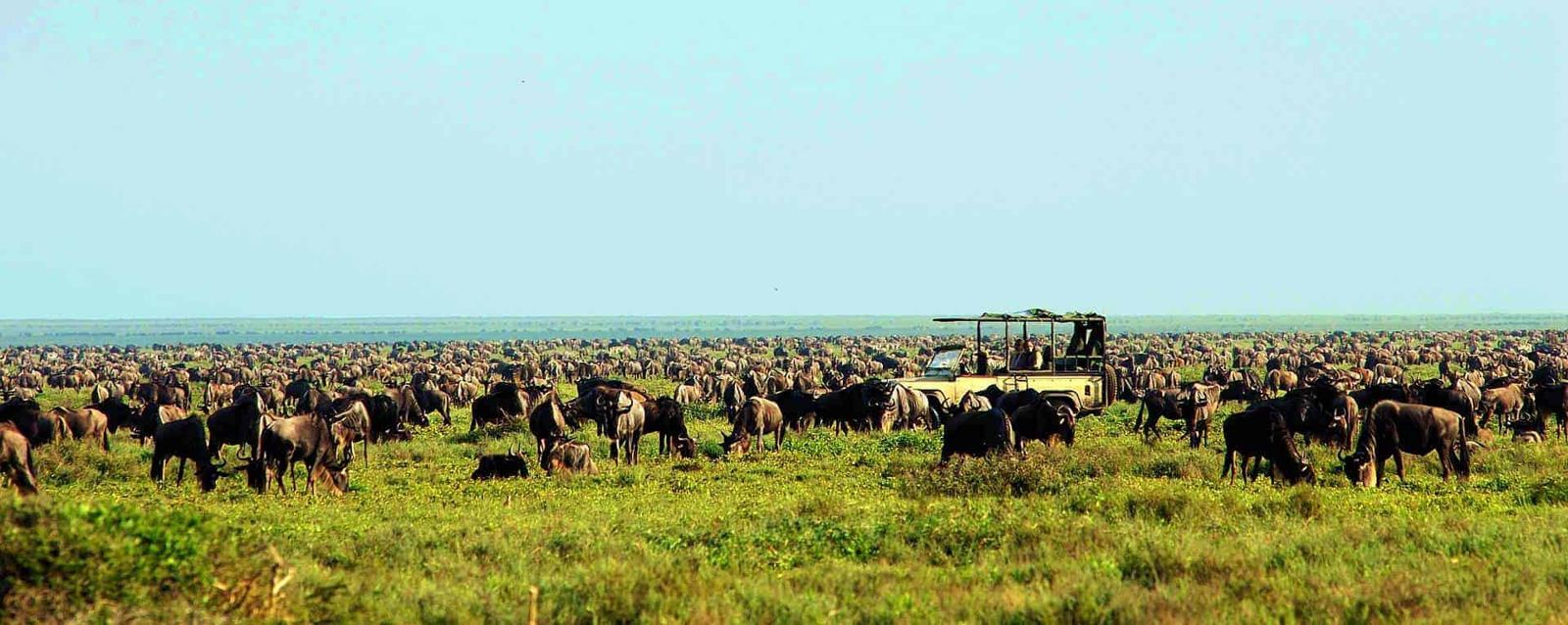
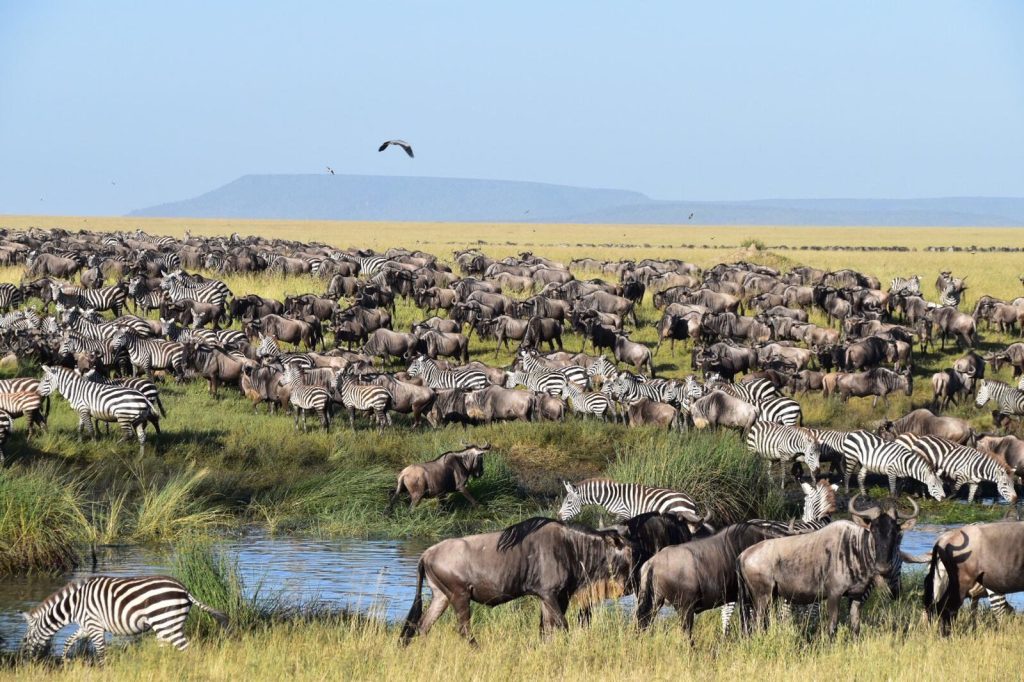
Follow the greatest wildlife show on earth: over a million wildebeest and zebra on the move through the Serengeti, chased by lions, cheetahs and crocodiles.
Experience guide
Africa’s Best Authentic Tailor-Made Safaris
Natural phenomena occur all over the world, but few can compete with the annual Masai Mara/Serengeti wildebeest migration. The numbers alone are hard to believe: up to two million animals – wildebeest as well as zebra and gazelles – move clockwise around this enormous ecosystem, driven by ancient instincts to find fresh grazing and water.
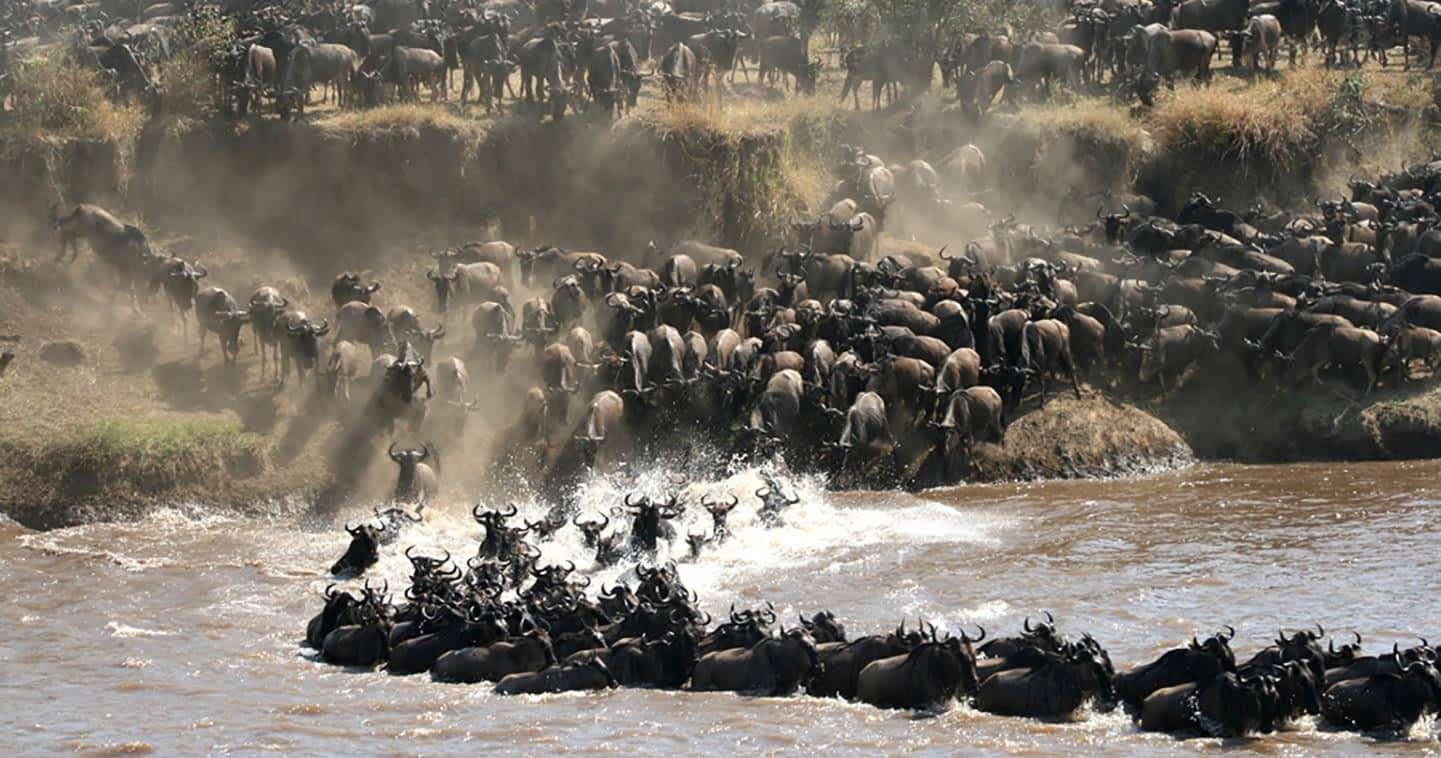
One of the most sought-after experiences for wildlife and nature enthusiasts, the Great Migration is the ever-moving circular migration of over a million animals across the Serengeti-Mara ecosystem. The ever-moving columns of wildebeest, joined by a host of companions, follow an age-old route in search of grazing and water. This journey takes them across the plains of the Masai Mara in Kenya, all the way south into Tanzania, through the Serengeti to the edge of the Ngorongoro Crater, before circling up and around in a clockwise direction. Along the way, high drama is always present, as thousands of animals are taken by predators, and thousands more are born, replenishing the numbers and sustaining the circle of life.
It’s a drama on a truly epic scale: the migrating herds undergo all manner of challenges and hardships as they move from region to region, and are constantly under attack from predators, none more so than from Africa’s big cats and the notoriously huge crocodiles that lie in wait at various river crossing points.
The great Serengeti wildebeest migration is the movement of vast numbers of the Serengeti’s wildebeest, accompanied by large numbers of zebra, and smaller numbers of Grant’s gazelle, Thomson’s gazelle, eland, and impala. These move in an annual pattern which is fairly predictable. They migrate throughout the year, constantly seeking fresh grazing and, it’s now thought, better quality water.
The precise timing of the Serengeti wildebeest migration is entirely dependent upon the rainfall patterns each year – here we explain how the broad pattern works.
This migration, month by month, is shown on the map below – the moving red represents the main herds.
You’ll need to plan your visit carefully: the wildebeest migration is a fluid, dynamic affair taking place between two countries – Kenya and Tanzania – and subject to the timing of that year’s rains. It’s also an event of different experiences: depending on where you are and at what time, you may see the wildebeest herds giving birth and courting, moving in great dusty columns, or funneling across muddy rivers.
There’s plenty of well-located accommodation both in the Masai Mara and the Serengeti to enable you to experience the migration, and nearly all scheduled tours and safaris to either country include excursions into the two conservation areas.
For a faultless wildebeest migration safari, work with our African Safari Experts to create a tailor-made itinerary based on your requirements. Their knowledge and experience of the migration mean you’ll be in safe hands to witness this once-in-a-lifetime event.
When is the best time to experience the Great Migration?
Great Migration dates tend to remain the same throughout the years. The first animals usually start to set out across the Serengeti in search of greener grass and dependable water supplies in April. Over the following months, they’ll encounter countless obstacles – from predators to river crossings – on their enormous trek. Here’s a breakdown of their provisional travel schedule, so you can plan your own.
The Migration in Tanzania
December – March
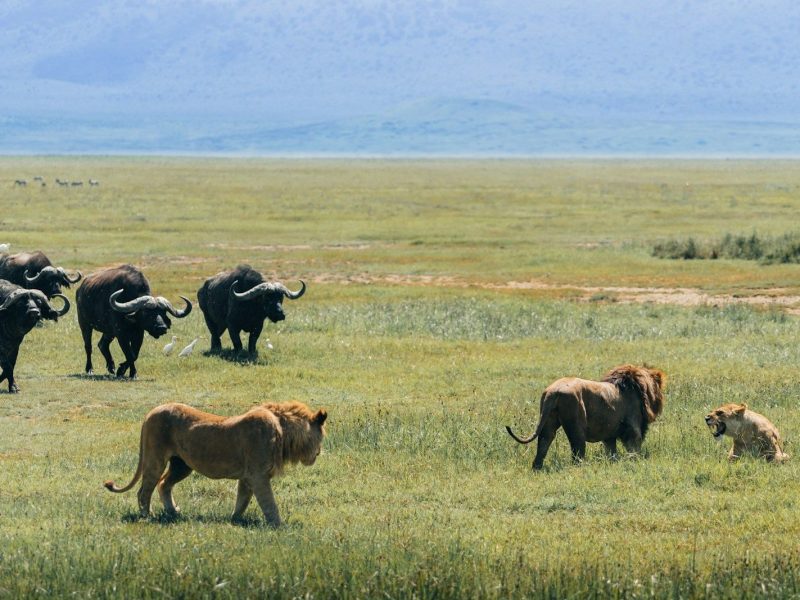
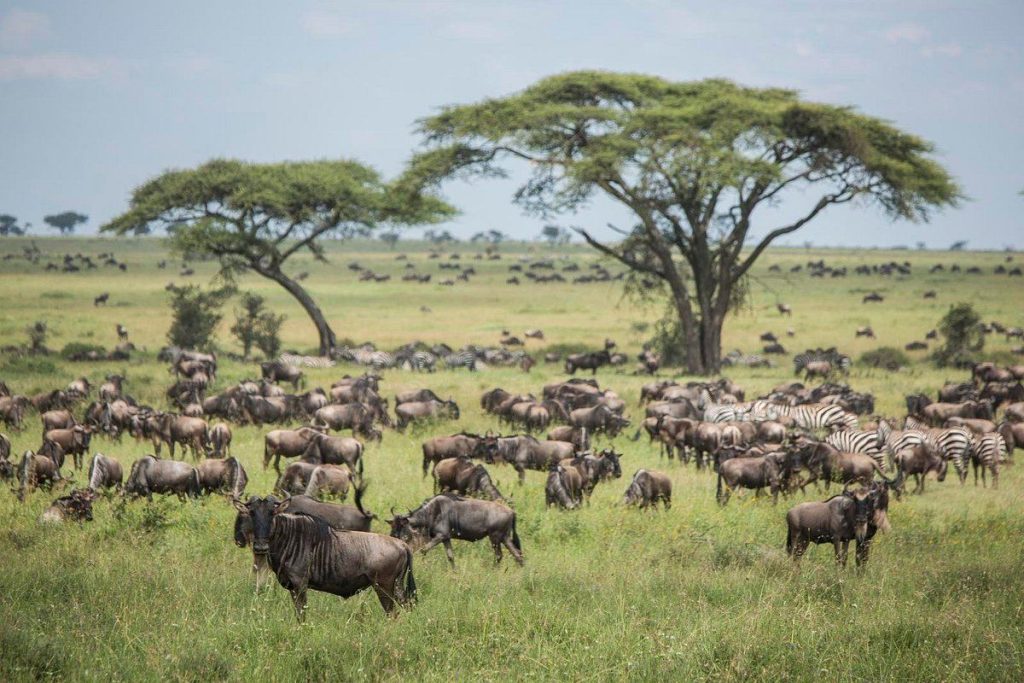
At this time of year, the herds congregate in the Serengeti and Ngorongoro areas of northern Tanzania, which are made lush by the annual rains. This is calving season, and an excellent time for viewing newborn babies; while big cat sightings (and kills) are common. The southern Ndutu and Salei plains are best for spotting large herds during this time of year.
April – May
The herds start to migrate west and north to the grassier plains of the Serengeti’s Western Corridor. Seasonal rains make it difficult to follow the herds during this stage of their migration. In fact, many of Tanzania’s smaller camps shut down due to impassable roads.
June
As the rains stop, wildebeest and zebra gradually move north and individual groups begin to form much larger herds. This is also the mating season for the migrating wildebeest. The Western Serengeti is the best place to watch this stage of migration unfold.
July
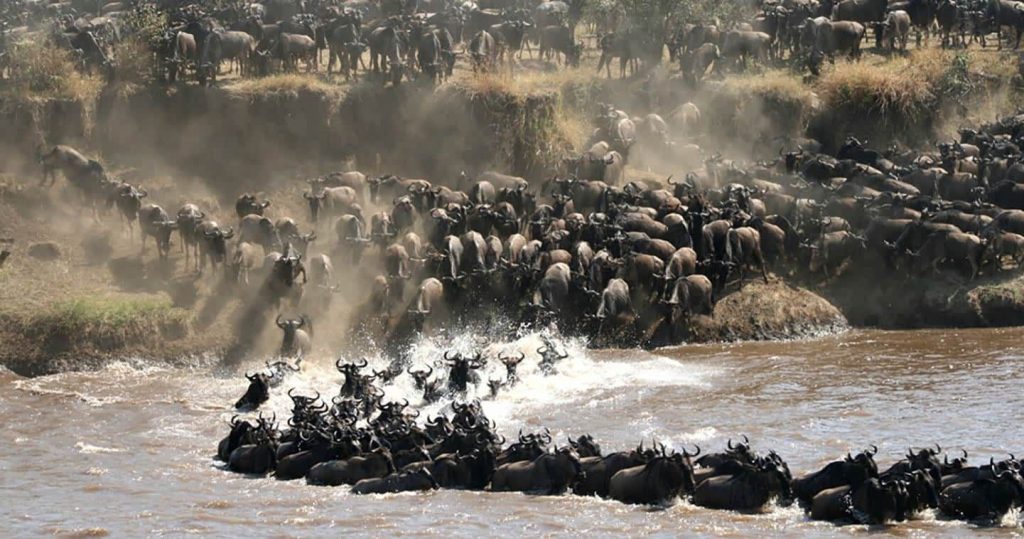
The herds reach their first big obstacle, the Grumeti River. The Grumeti can get deep in places, especially if the rains have been good. The depth of the river makes drowning a distinct possibility for many wildebeest and there are plenty of crocodiles to take advantage of their distress.
The Migration in Kenya
August
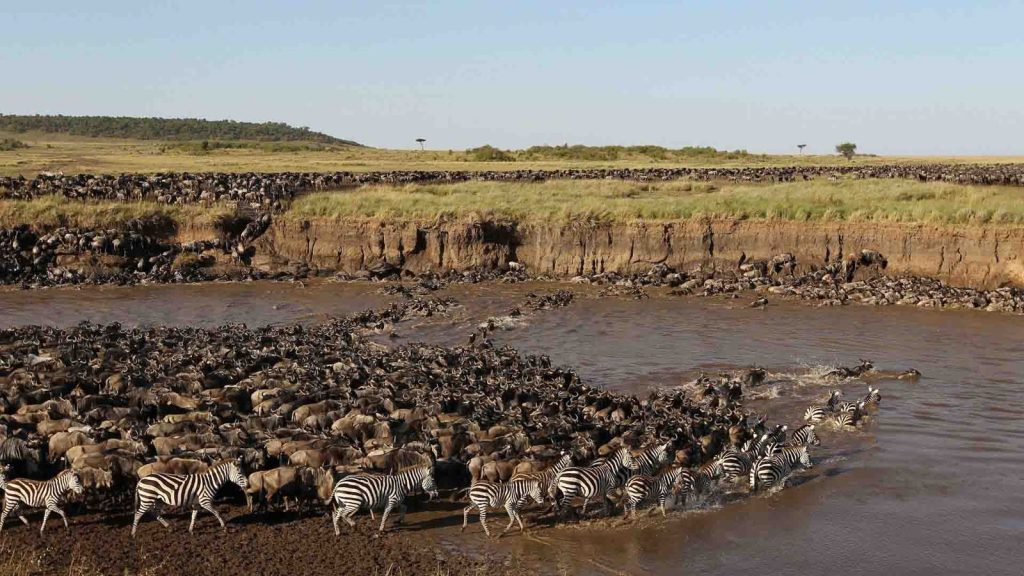
The grasses of the western Serengeti are turning yellow and the herds continue north. After crossing the Grumeti River in Tanzania, the wildebeest and zebra head to Kenya’s Lamai Wedge and the Mara Triangle. Before they get to the lush plains of the Mara, they have to make another river crossing. This time it’s the Mara River, and that too is filled with hungry crocodiles.
September – November
The Mara plains are filled to the brim with large herds, naturally followed by predators. The best place to stay while the migration is in the Mara is Governors’ Camp.
November – December
The rains start in the south again and the herds begin their long trek back down to Tanzania to give birth to their young. During the short rains of November, the wildebeest migration is best viewed from Klein’s Camp.
The greatest wildlife show on earth awaits
Highlights
From January to March around 8,000 calves are born every day on the southern plains of Ndutu, attracting many predators.
From July to October the herds plunge into the Mara River in the northern Serengeti. Nature at its most dramatic.
Where the herds go, lions, cheetahs, leopards and hyenas follow, giving you some of the best predator sightings in Africa.
Our guides track the migration daily and we choose camps close to where the action is during your dates.
Seasonal tented camps move with the migration, so you wake up right in the middle of it.
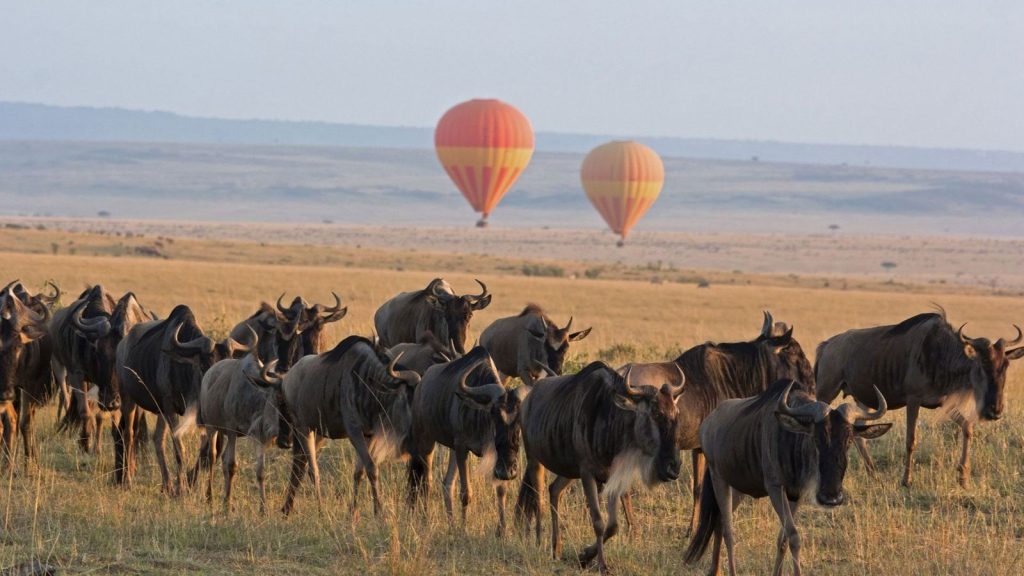
See the endless columns of wildebeest from the air on a sunrise hot-air balloon flight.
When to go
Calving season in the southern Serengeti runs from January to March. In June the herds move through the western corridor and cross the Grumeti River. From July to October they reach the north for the famous Mara River crossings, then return south in November and December.
61 tours
Camping Safari 4 DaysFrom$1,650/person
View safari Mid-Range Safari 3 Days
From$1,333/person
View safari Mid-Range Safari 4 Days
From$2,104/person
View safari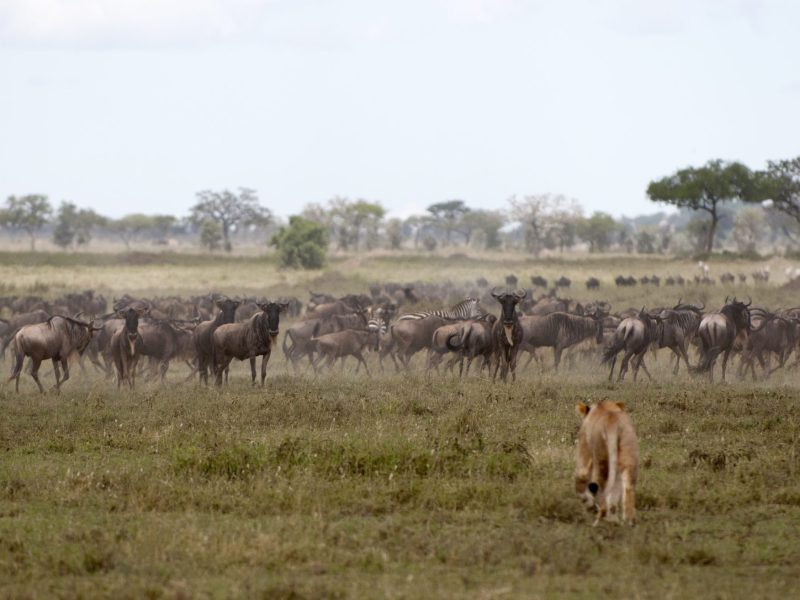 Mid-Range Safari 4 Days
From$2,130/person
View safari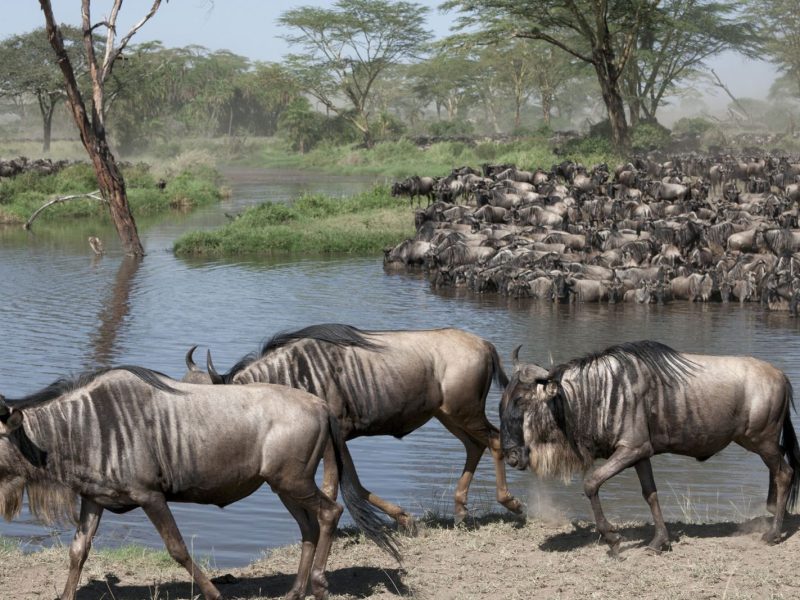 Mid-Range Safari 4 Days
From$1,841/person
View safariMid-Range Safari 5 DaysFrom$2,148/person
View safari Mid-Range Safari 6 Days
From$2,266/person
View safariMid-Range Safari 6 DaysFrom$2,435/person
View safari Mid-Range Safari 7 Days
From$2,788/person
View safari Mid-Range Safari 8 Days
From$3,228/person
View safari Mid-Range Safari 9 Days
From$3,600/person
View safari Fly-in Safari 4 Days
From$2,276/person
View safariPhotos
FAQ
Can't find your answer? Our team in Arusha replies to every message personally.
Start planning
Private, tailor-made trips with our own guides and vehicles. Tell us what you dream of and we will do the rest.
 Tanzania Experience
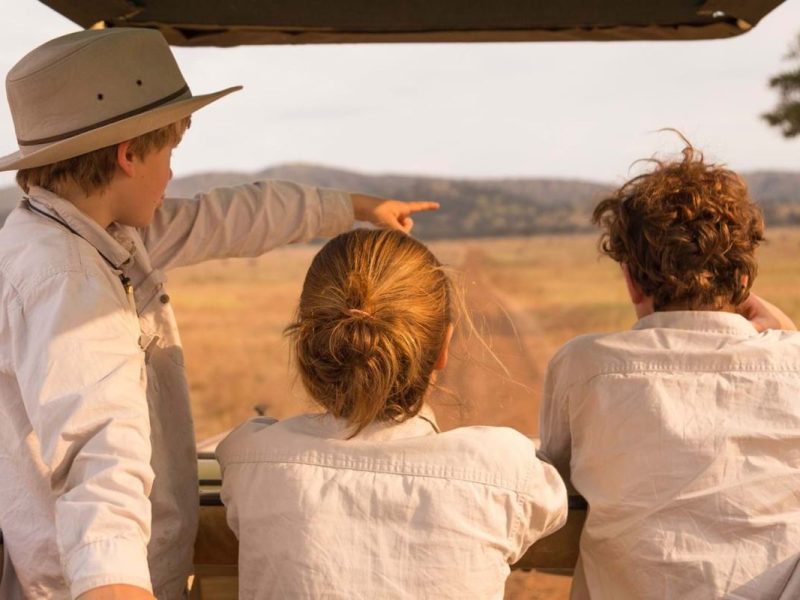
Take your loved ones on the greatest adventure: a family safari in the vast and unspoiled wilderness of East Africa. With a highly skilled guide at your side, discover that the African bush truly is the finest family playground.
Learn more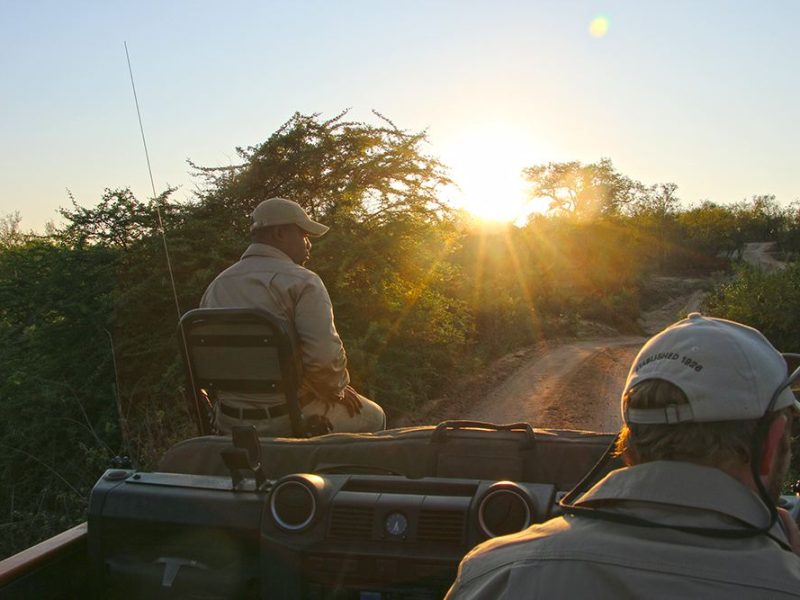 Tanzania Experience
Tanzania must be one of the most photographer-friendly destinations on the planet. From snow-capped mountain peaks to ‘Big Five’ safaris and dreamy tropical islands, Tanzania is basking in its newfound status of being a seriously hot photographic travel destination.
Learn more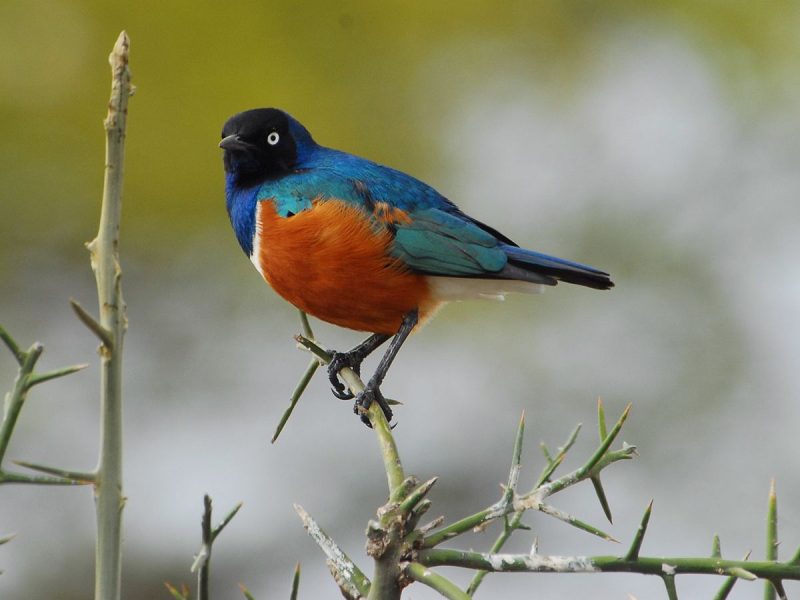 Tanzania Experience
The wild expanses of Tanzania offer the ultimate paradise for birding enthusiasts.
Learn more