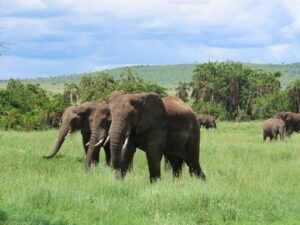
The Ngorongoro Crater is one of Africa’s most breathtaking wildlife destinations and a true natural wonder of the world. Located inside the Ngorongoro Conservation Area in northern Tanzania, this massive volcanic caldera is home to one of the highest concentrations of wildlife in Africa.
Often called “Africa’s Garden of Eden,” Ngorongoro offers visitors an unmatched safari experience — incredible wildlife sightings, dramatic landscapes, and excellent chances of seeing the Big Five in a single day.
If you’re planning a Ngorongoro crater safari, this complete guide covers everything you need to know: wildlife, safari options, lodges, best time to visit, day trip vs overnight stays, and expert travel tips.
Why Visit Ngorongoro Crater?
Ngorongoro Crater is the world’s largest intact and unfilled volcanic caldera. It was formed over two million years ago when a giant volcano exploded and collapsed inward.
Today, the crater:
- Covers approximately 260 square kilometers
- Has walls rising 600 meters high
- Hosts over 25,000 large animals
- Is a UNESCO World Heritage Site
Unlike many other safari parks, wildlife remains inside the crater year-round due to the permanent water sources and rich grazing lands. This makes it one of the most reliable places in Tanzania for incredible game viewing.
Wildlife in Ngorongoro Crater
A Ngorongoro safari offers some of the easiest and most rewarding wildlife viewing in Africa.
Big Five Animals
You have excellent chances of spotting:
- Lions
- Elephants
- Buffalo
- Leopards
- Black rhinos (Ngorongoro is one of the best places in Tanzania to see endangered black rhinos)
The crater floor provides ideal conditions for predators, making lion sightings especially common.
Other Wildlife
You may also encounter:
- Hippos in freshwater pools
- Spotted hyenas
- Wildebeest
- Zebras
- Gazelles
- Jackals
- Flamingos at Lake Magadi
Because animals do not migrate out of the crater like in the Serengeti, wildlife viewing remains strong throughout the year.
Ngorongoro Crater vs Serengeti – Which is Better?
Many travelers combine Ngorongoro with the nearby Serengeti National Park.
Here’s the difference:
Ngorongoro Crater
- Smaller area
- High wildlife density
- Best for short safaris
- Excellent rhino sightings
Serengeti
- Vast open plains
- Great Migration spectacle
- Multi-day safari experience
- More varied landscapes
For first-time visitors, a Serengeti and Ngorongoro tour offers the best of both worlds.
Ngorongoro Crater Day Trip vs Overnight Stay
Option 1: Day Trip Safari
Most travelers visit Ngorongoro as a full-day safari from Arusha or Karatu.
Typical schedule:
- Early morning descent into the crater
- 5–6 hours of game drive
- Picnic lunch near hippo pool
- Afternoon ascent
Best for:
- Travelers with limited time
- Budget safaris
- Combined northern circuit tours
Option 2: Overnight Stay Near the Crater
Staying overnight allows:
- Early access before crowds
- More relaxed pace
- Sunset views over the crater rim
Overnight options are ideal for luxury travelers and photographers.
Best Time to Visit Ngorongoro Crater
Ngorongoro is a year-round safari destination, but each season offers unique advantages.
Dry Season (June – October)
- Best wildlife visibility
- Short grass makes animal spotting easier
- Peak tourist season
Green Season (November – May)
- Lush scenery
- Fewer crowds
- Excellent birdwatching
- Lower safari rates
Even during rainy months, wildlife remains inside the crater.
Ngorongoro Crater Safari Costs
Ngorongoro is one of the more expensive parks in Tanzania due to:
- High conservation fees
- Crater vehicle descent fee
- Limited accommodation
Costs vary depending on:
- Safari duration
- Type of accommodation (budget, mid-range, luxury)
- Private vs group safari
For the best value, many travelers book a Ngorongoro Safari combined with Serengeti and Tarangire.
Accommodation Options
There are three main areas to stay:
1. Crater Rim Lodges (Luxury)
- Spectacular crater views
- Highest prices
- Best for honeymoon or premium safari
2. Karatu Area Lodges (Mid-Range & Budget)
- 20–30 minutes from crater gate
- More affordable
- Ideal for families and groups
3. Mobile Tented Camps
- Seasonal options
- Authentic safari experience
Your safari operator (like KiliPath African Safari) can help choose the best option based on your budget and itinerary.
How to Get to Ngorongoro Crater
Most safaris begin in:
- Arusha – Main safari hub
- Moshi – Often combined with Kilimanjaro climbs
From Arusha:
- 3–4 hour drive to Ngorongoro
- Usually combined with Tarangire and Serengeti
Private transfers and fly-in safaris are also available.
Sample 3-Day Serengeti and Ngorongoro Tour
Day 1: Arusha → Serengeti (game drive)
Day 2: Full-day Serengeti safari
Day 3: Ngorongoro Crater game drive → Return to Arusha
This itinerary maximizes wildlife diversity and offers excellent chances to see the Big Five.
Travel Tips for Ngorongoro Safari
- Bring warm clothing (crater rim can be cold in the morning)
- Start early to avoid traffic at the gate
- Carry binoculars for rhino sightings
- Book in advance during peak season
- Combine with Serengeti for a complete northern circuit experience
Is Ngorongoro Worth It?
Absolutely.
Ngorongoro Crater is one of the few places in Africa where you can see lions, elephants, rhinos, and hippos in just a few hours. The scenery alone makes it unforgettable.
Whether you choose a short Ngorongoro safari or a longer Serengeti and Ngorongoro tour, this destination delivers one of the most spectacular wildlife experiences on the continent.
Plan Your Ngorongoro Crater Safari with KiliPath African Safari
At KiliPath African Safari, we specialize in tailor-made Tanzania safaris designed around your budget, travel dates, and interests.
We offer:
- Private Ngorongoro crater safaris
- Serengeti and Ngorongoro tours
- Luxury and budget safari options
- Family and honeymoon safaris
Contact our safari experts today and start planning your unforgettable Ngorongoro adventure.