If you’re dreaming of an authentic African safari, Serengeti National Park is likely at the top of your list. Famous for its endless plains, incredible wildlife density, and the world-renowned Great Migration, the Serengeti is the heart of Tanzania’s safari experience.
In this complete guide by Kilipath African Safari, you’ll discover Serengeti’s size, zones, animals, best time to visit, and essential travel tips to help you plan the perfect Serengeti safari.
Where Is Serengeti National Park?
Serengeti National Park is located in northern Tanzania, bordering Kenya’s Maasai Mara National Reserve. It forms part of the larger Serengeti ecosystem, which includes the Ngorongoro Conservation Area and several game reserves.
The park lies about:
- 325 km (8-hour drive) from Arusha
- 1-hour flight from Arusha Airport to various Serengeti airstrips
The Serengeti is a UNESCO World Heritage Site and one of the most celebrated wildlife destinations on Earth.
How Big Is Serengeti National Park?
The Serengeti covers approximately 14,750 square kilometers (5,700 square miles) making it one of Africa’s largest national parks.
To put it into perspective:
- It is larger than some small countries.
- Its vast plains stretch as far as the eye can see.
- Wildlife moves freely across this immense ecosystem.
This size allows animals to follow ancient migration routes that have existed for thousands of years.
The Main Zones of the Serengeti
Understanding Serengeti’s regions helps you choose the right safari itinerary.
1. Central Serengeti (Seronera Valley)
The most popular and wildlife-rich area.
- Excellent year-round game viewing
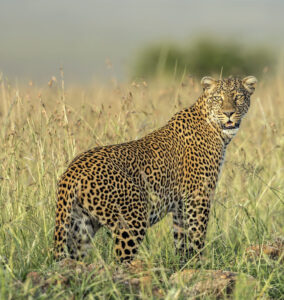
- High concentration of lions, leopards, and cheetahs
- Best choice for first-time visitors
2. Northern Serengeti
Known for:
- Dramatic Mara River crossings (July–October)
- Fewer crowds
- Remote luxury camps
This area connects directly to Kenya’s Maasai Mara.
3. Western Corridor
Famous for:
- Grumeti River crossings (May–July)
- Large crocodiles
- Riverine forests
4. Southern Serengeti (Ndutu Area)
Best from:
- December to March
- Calving season of the Great Migration
- Predator action and baby wildebeest
Wildlife in Serengeti National Park
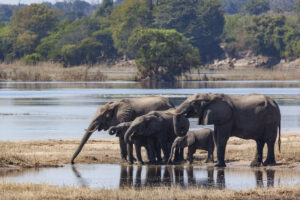
The Serengeti is home to one of the highest concentrations of wildlife in Africa.
The Big Five
You can see:
- Lion
- Leopard
- Elephant
- Buffalo
- Rhino
Although rhinos are rare, they can occasionally be spotted in protected areas.
The Great Migration
The Serengeti hosts the world’s largest land migration over:
- 1.5 million wildebeest
- 200,000 zebras
- 300,000 gazelles
These animals move in a circular pattern between Serengeti and Maasai Mara in search of fresh grazing.
If you want to witness river crossings or calving season, timing your safari correctly is essential.
Best Time to Visit Serengeti National Park
Serengeti offers year-round safari experiences, but the best time depends on what you want to see.
June – October (Dry Season)
- Best overall wildlife viewing
- River crossings in the north
- Fewer mosquitoes
- Peak safari season
December – March
- Calving season in southern Serengeti
- Excellent predator sightings
- Beautiful green landscapes
April – May
- Rainy season
- Fewer tourists
- Lower prices
- Lush scenery
At Kilipath African Safari, we help match your travel dates with the best migration locations.
How to Get to Serengeti
You can reach Serengeti by:
1. Road Safari
Most common option:
- From Arusha
- Combined with Ngorongoro Conservation Area
- Ideal for multi-day safari packages
2. Fly-In Safari
- Domestic flights from Arusha or Zanzibar
- Faster and more comfortable
- Perfect for luxury safaris
Where to Stay in Serengeti
Accommodation options range from budget camps to ultra-luxury lodges.
Budget Camping
- Public campsites
- Basic but adventurous
- Affordable safari experience
Mid-Range Tented Camps
- Comfortable beds
- Private bathrooms
- Great value
Luxury Safari Lodges
- Premium service
- Fine dining
- Infinity pools overlooking the plains
Your choice depends on budget, travel style, and desired level of comfort.
Visitor Tips for Serengeti Safari
Here are practical tips to make your safari smooth and unforgettable:
1. Book Early
Especially for migration season (June–October).
2. Pack Smart
Bring:
- Neutral-colored clothing
- Hat and sunscreen
- Binoculars
- Camera with zoom lens
3. Stay Multiple Nights
At least 2–3 nights in Serengeti is recommended due to the park’s size.
4. Choose the Right Safari Company
An experienced guide makes all the difference in wildlife sightings and overall experience.
Serengeti Safari Combinations
Most visitors combine Serengeti with:
- Ngorongoro Crater
- Tarangire National Park
- Lake Manyara National Park
Popular options include:
- 5 Day Tanzania Safari
- 7 Day Northern Circuit Safari
- Serengeti & Zanzibar Holiday
Why Visit Serengeti with Kilipath African Safari?
At Kilipath African Safari, we offer:
Expert local guides
Customizable itineraries
Luxury, mid-range, and budget options
Migration tracking support
24/7 travel assistance
We design personalized Serengeti safari experiences that match your travel dates, budget, and wildlife interests.
Final Thoughts
A visit to Serengeti National Park is not just a safari it’s one of the most extraordinary wildlife experiences on Earth.
From endless savannah plains and Big Five encounters to dramatic river crossings and golden sunsets, the Serengeti delivers memories that last a lifetime.
If you’re ready to plan your Serengeti safari adventure, Kilipath African Safari is here to make it seamless, safe, and unforgettable.