A Tanzania photography safari is a dream for wildlife lovers and photographers alike. From the endless plains of the Serengeti National Park to the dramatic landscapes of the Ngorongoro Crater, Tanzania offers some of the most photogenic wildlife scenes on Earth.
If you’re planning a Tanzania photography safari, this guide will help you capture stunning images whether you’re using a DSLR, mirrorless camera, or even a high-end smartphone.
Why Tanzania Is Perfect for Wildlife Photography
Tanzania is home to:
- The Great Migration (millions of wildebeest and zebra)
- Africa’s Big Five (lion, leopard, elephant, rhino, buffalo)
- Golden savannah landscapes
- Dramatic sunsets and sunrises
- Unique cultural experiences with Maasai communities
The combination of abundant wildlife and open landscapes makes it one of the best safari photography destinations in Africa.
1. Best Time for a Tanzania Photography Safari
Timing is everything in wildlife photography.
Great Migration Photography
The migration in the Serengeti National Park offers incredible river crossings and predator action:
- June–July: Grumeti River crossings
- July–September: Mara River crossings
- January–March: Calving season (perfect for predator shots)
Golden Light Advantage
The best light for photography is:
- Early morning (6:00–8:30 AM)
- Late afternoon (4:30–6:30 PM)
At Kilipath African Safari, our guides plan game drives around optimal lighting conditions.
2. Best Camera Gear for Tanzania Safari Photography
You don’t need the most expensive gear — but the right equipment helps.
Camera Body
- DSLR or mirrorless with fast autofocus
- Good burst mode (at least 8 frames per second)
Lenses
- 100–400mm or 200–600mm for wildlife
- 24–70mm for landscapes
- Wide-angle lens for dramatic skies
Essential Extras
- Extra batteries (charging is limited in vehicles)
- Multiple memory cards
- Lens cleaning kit (dust is common)
- Bean bag for stabilizing shots inside safari vehicles
3. Camera Settings for Wildlife Photography
Wildlife moves fast your settings must be ready.
Recommended Settings:
- Mode: Aperture Priority or Manual
- Shutter Speed: 1/1000 for moving animals
- Aperture: f/5.6 – f/8
- ISO: Adjust depending on light (don’t fear ISO 1600+)
- Focus Mode: Continuous autofocus (AI Servo / AF-C)
Pro Tip: Shoot in RAW format for better editing flexibility.
4. Mastering Golden Hour in Tanzania
Tanzania’s golden hour is magical. The dust in the air enhances warm tones, creating dramatic backlighting.
Tips:
- Position the sun behind animals for silhouette shots
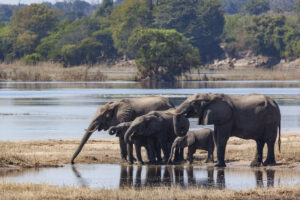
- Capture elephants walking through dust
- Use lower angles for dramatic compositions
- Focus on rim lighting around manes and horns
The open plains of the Serengeti National Park are especially stunning at sunset.
5. Understanding Animal Behaviour
Great photography isn’t just about gear — it’s about anticipation.
Learn the Signs:
- Lions flicking tails often signal movement
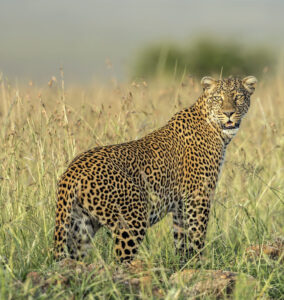
- Leopards looking upward may prepare to climb
- Elephants spreading ears may show dominance
- Cheetahs scanning the horizon often prepare to hunt
Experienced Kilipath African Safari guides help position vehicles safely and strategically for the best angles.
6. Composition Tips for Stronger Images
Avoid centering every subject. Instead:
- Use the rule of thirds
- Include environmental context
- Shoot at eye level when possible
- Capture interaction between animals
- Use leading lines (roads, rivers, herd movement)
Don’t just zoom in sometimes wide shots tell a stronger story.
7. Photographing the Big Five
Tanzania offers fantastic opportunities to capture:
- Lions in golden grasslands
- Leopards in acacia trees
- Elephants in Tarangire landscapes
- Buffalo in dramatic herd formations
- Rhinos inside the Ngorongoro Crater
Patience is key wait for eye contact for powerful portraits.
8. Safari Vehicle Positioning Matters
The best wildlife images often come down to angle and vehicle placement.
Professional safari guides:
- Position the vehicle with the sun behind you
- Turn off engines when possible
- Keep a respectful distance
- Avoid disturbing animal behaviour
At Kilipath African Safari, we prioritize ethical wildlife photography practices.
9. Editing Your Tanzania Safari Photos
Post-processing enhances your images.
Focus on:
- Adjusting white balance
- Increasing clarity and contrast
- Cropping for stronger composition
- Slight sharpening for wildlife detail
Avoid over-saturating natural tones often look best.
10. Photography Safari vs Regular Safari
If photography is your main goal, consider a dedicated Tanzania photographic safari.
Benefits include:
- Extended sightings
- Flexible schedules
- Smaller group sizes
- Guides trained in wildlife behaviour
Why Choose Kilipath African Safari for Your Photography Adventure?
We specialize in:
- Expert local guides
- Custom photography itineraries
- Serengeti and Ngorongoro-focused safaris
- Sunrise and sunset game drives
- Ethical and sustainable wildlife viewing
Whether you’re a professional photographer or a passionate beginner, we help you return home with unforgettable images.
Frequently Asked Questions
Is Tanzania good for beginner photographers?
Yes! The open landscapes make wildlife easier to spot and photograph.
What is the best lens for a Tanzania safari?
A 100–400mm or 200–600mm zoom lens is ideal.
Can I photograph the Great Migration?
Absolutely. The Serengeti National Park is one of the best places in the world for migration photography.
How close do safari vehicles get to animals?
Vehicles maintain safe, ethical distances while still allowing excellent photography opportunities.
Plan Your Tanzania Photography Safari Today
Ready to capture the magic of Tanzania?
Let Kilipath African Safari design your perfect Tanzania photography safari in the iconic landscapes of the Serengeti National Park and the breathtaking Ngorongoro Crater.
Contact us today to customize your safari and start planning your wildlife photography adventure.