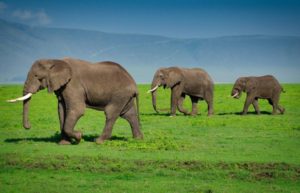
Tanzania is one of Africa’s most iconic travel destinations, home to world-famous wildlife areas like the Serengeti plains, the Ngorongoro Crater, and the tropical beaches of Zanzibar. Every year, thousands of travelers visit to experience its rich biodiversity, stunning landscapes, and vibrant cultures.
But as tourism grows, so does the responsibility to protect these natural and cultural treasures. This is where eco tourism in Tanzania becomes essential.
Eco tourism is not just about visiting beautiful placesit’s about traveling in a way that supports conservation, respects local communities, and minimizes environmental impact. At Kilipath African Safari, responsible travel is at the heart of every safari experience we design.
What Is Eco Tourism in Tanzania?
Eco tourism in Tanzania refers to responsible travel to natural areas that:
- Protect wildlife and ecosystems
- Support local communities
- Promote cultural respect and awareness
- Reduce environmental damage
- Encourage sustainable economic development
Unlike traditional mass tourism, eco tourism focuses on quality over quantity—ensuring that tourism benefits both visitors and the destination itself.
In Tanzania, eco tourism is especially important because many communities live close to wildlife reserves and depend on natural resources for survival.
Why Tanzania Is a Global Leader in Eco Tourism
Tanzania is uniquely positioned as a top eco tourism destination due to its extraordinary natural heritage.
1. Rich Wildlife Ecosystems
Home to some of Africa’s most famous parks:
- Serengeti National Park
- Ngorongoro Conservation Area
- Tarangire National Park
These areas support the legendary Great Migration and a wide range of wildlife including lions, elephants, zebras, and rhinos.
2. Strong Conservation Culture
Tanzania has long invested in protecting its natural heritage through national parks, wildlife authorities, and community conservation programs.
3. Diverse Cultural Heritage
Eco tourism also connects travelers with local cultures such as the Maasai, Hadzabe, and Datoga communities, offering meaningful cultural exchange experiences.
How Kilipath African Safari Promotes Eco Tourism
At Kilipath African Safari, eco tourism is not a trend—it is a commitment. Every itinerary is designed to reduce environmental impact while maximizing positive local impact.
1. Supporting Local Communities
We partner with local guides, drivers, and cultural villages to ensure tourism revenue stays within the community. This helps create jobs and improve living standards.
2. Low-Impact Safari Operations
Our safaris are designed to minimize:
- Off-road driving in sensitive ecosystems
- Waste production in parks
- Excessive fuel consumption
- Disturbance to wildlife
3. Eco-Friendly Accommodation Choices
We carefully select lodges and camps that prioritize:
- Solar energy use
- Water conservation
- Waste recycling systems
- Sustainable construction materials
4. Wildlife Conservation Awareness
Every safari includes education about wildlife protection, helping travelers understand the importance of conservation efforts in Tanzania.
Best Eco Tourism Experiences in Tanzania
If you want to travel responsibly, here are some of the best eco tourism experiences offered through Kilipath African Safari:
1. Safari in Serengeti National Park
Experience one of the most famous wildlife destinations on earth while supporting conservation efforts that protect the Great Migration.
2. Ngorongoro Crater Conservation Tour
A UNESCO World Heritage Site where wildlife and humans coexist in a carefully managed ecosystem.
3. Cultural Visits to Maasai Villages
Learn about traditional Maasai life, including herding practices, food culture, and community traditions.
4. Coffee Tours in Materuni
Visit local farms near Mount Kilimanjaro and learn how coffee is grown, harvested, and processed by local farmers.
5. Walking Safaris in Tarangire
Explore the wilderness on foot with expert guides, reducing vehicle emissions and creating a deeper connection with nature.
Principles of Responsible Travel in Tanzania
When practicing eco tourism in Tanzania, travelers should follow these key principles:
1. Respect Wildlife
- Do not feed animals
- Maintain safe distances
- Follow guide instructions
2. Support Local Businesses
Choose locally owned lodges, guides, and craft markets.
3. Reduce Plastic Waste
Carry reusable water bottles and avoid single-use plastics.
4. Respect Local Culture
Dress modestly in villages and ask permission before taking photos.
5. Choose Sustainable Tour Operators
Travel with companies like Kilipath African Safari that prioritize eco-friendly practices.
Benefits of Eco Tourism in Tanzania
Eco tourism creates a positive cycle of benefits:
For Nature:
- Protects endangered species
- Preserves natural habitats
- Reduces environmental degradation
For Local Communities:
- Creates jobs
- Supports education and healthcare
- Encourages cultural preservation
For Travelers:
- Authentic experiences
- Deeper cultural connection
- More meaningful and responsible travel
Eco Tourism and the Future of Tanzania Travel
The future of tourism in Tanzania depends on sustainability. As more travelers become environmentally conscious, eco tourism is becoming the preferred way to explore Africa.
Kilipath African Safari believes that the best safaris are not only unforgettable but also responsible. By choosing eco tourism, travelers help ensure that Tanzania’s wildlife and cultures remain protected for generations to come.
Why Choose Kilipath African Safari?
When you travel with Kilipath African Safari, you are choosing:
- Responsible and sustainable safari planning
- Experienced local guides
- Community-based tourism experiences
- Eco-friendly travel options
- Personalized safari itineraries
We don’t just show you Tanzania—we help you experience it in a way that makes a positive impact.
Conclusion
Eco tourism in Tanzania is more than just a travel trend it is a necessary approach to protecting one of the world’s most valuable natural destinations.
By traveling responsibly with Kilipath African Safari, you become part of the solution: supporting conservation, empowering communities, and preserving wildlife for future generations.
Your journey in Tanzania can be both unforgettable and meaningful. Travel responsibly. Travel with purpose.