Tanzania is one of Africa’s most iconic safari destinations, home to the Serengeti, Ngorongoro Crater, and countless wildlife reserves. Many adventurous travelers ask the same question:
Is a self-drive safari in Tanzania possible?
The short answer is yes but it comes with serious challenges and limitations.
In this guide, Kilipath African Safari explains everything you need to know before considering a self-drive safari in Tanzania, including rules, risks, costs, and why most travelers still choose guided safaris.
What Is a Self-Drive Safari?
A self-drive safari means renting a 4×4 vehicle and exploring Tanzania’s national parks independently, without a professional driver-guide.
Unlike countries like Namibia or South Africa, where self-driving is common, Tanzania is far more complex due to:
- Strict park regulations
- Remote terrain and poor road conditions
- Limited signage inside parks
- Wildlife safety risks
Is Self-Drive Safari Allowed in Tanzania?
Yes, self-drive safaris are legally allowed in some parts of Tanzania, especially:
- Arusha National Park
- Tarangire National Park
- Lake Manyara National Park
- Some areas around Ngorongoro Conservation Area (restricted)
However, in major parks like the Serengeti, self-driving is highly discouraged for most travelers due to:
- Vast, unmarked terrain
- Wildlife migration zones
- Emergency response limitations
Requirements for a Self-Drive Safari
To attempt a self-drive safari in Tanzania, you must have:
1. A 4×4 Safari Vehicle
Standard cars are not suitable. You need:
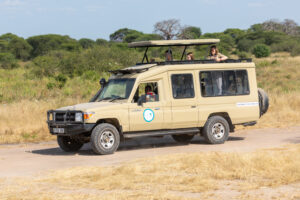
- Land Cruiser or similar off-road vehicle
- High clearance and safari roof for viewing animals
2. Park Permits and Fees
You must pay:
- Entrance fees per person
- Vehicle entry fees
- Camping permits (if applicable)
3. Navigation Skills
There are:
- Few road signs
- Limited GPS reliability inside parks
- No guarantee of mobile signal
4. Mechanical Preparedness
You should be prepared for:
- Flat tires
- Sand or mud recovery
- Remote breakdowns with no immediate help
Challenges of Self-Drive Safari in Tanzania
While the idea sounds adventurous, the reality is more difficult.
1. Navigation Difficulties
Many park roads are unmarked. It’s easy to get lost, especially in Serengeti.
2. Wildlife Safety Risks
Driving too close to animals or misunderstanding their behavior can be dangerous.
3. Limited Support
If your vehicle breaks down, help may take hours—or even a full day.
4. Time Inefficiency
Without expert guidance, you may miss:
- Migration routes
- Predator sightings
- Hidden wildlife spots
5. Seasonal Road Conditions
Rainy seasons can make roads completely impassable.
Cost Comparison: Self-Drive vs Guided Safari
Self-Drive Safari Costs:
- Vehicle rental: $120–$250 per day
- Fuel: High due to long distances
- Park fees: $60–$100+ per day per person
- Insurance and recovery costs
Hidden Costs:
- Possible fines
- Mechanical issues
- Lost time and missed sightings
Guided Safari Costs:
With Kilipath African Safari, most costs are bundled:
- Professional driver-guide
- Fully equipped 4×4 vehicle
- Park fees coordination
- Optimized safari routes
Why Guided Safaris Are Better in Tanzania
While self-drive offers independence, guided safaris provide a much richer and safer experience.
1. Expert Local Guides
Guides know:
- Where animals are located
- Migration patterns
- Best photography spots
2. Higher Wildlife Success Rate
You are far more likely to see:
- Lions
- Leopards
- Elephants
- Great Migration herds
3. Stress-Free Experience
No need to worry about:
- Navigation
- Permits
- Vehicle issues
4. Safety in the Wild
Professional guides are trained in:
- Wildlife behavior
- Emergency response
- Off-road driving conditions
Who Should Consider Self-Drive Safari?
Self-drive safari may suit:
- Experienced African travelers
- Overland adventurers
- Travelers with strong off-road driving skills
But it is not recommended for first-time visitors to Tanzania.
Better Alternative: Safari with Kilipath African Safari
At Kilipath African Safari, we design unforgettable safari experiences that combine comfort, safety, and high wildlife visibility.
Our tours include:
- Serengeti Great Migration safaris
- Ngorongoro Crater tours
- Tarangire elephant safaris
- Custom Tanzania itineraries
Whether you want luxury, mid-range, or budget safaris, we handle everything so you can focus on the experience—not the logistics.
Final Verdict: Is Self-Drive Safari in Tanzania Worth It?
Self-drive safaris in Tanzania are possible but not ideal for most travelers.
The challenges of navigation, safety, and missed wildlife opportunities make guided safaris the far superior option for a once-in-a-lifetime experience.
Plan Your Tanzania Safari Today
If you want a stress-free and unforgettable safari experience, let Kilipath African Safari design your journey.