When traveling to Tanzania for a safari or holiday, understanding the local currency system is essential. Whether you’re exploring the Serengeti, climbing Mount Kilimanjaro, or relaxing in Zanzibar, knowing how money works will help you avoid unnecessary costs and confusion.
This guide from Kilipath African Safari explains everything you need to know about Tanzanian currency, ATM access, USD usage, and practical money tips for travelers.
1. What is the Currency in Tanzania?
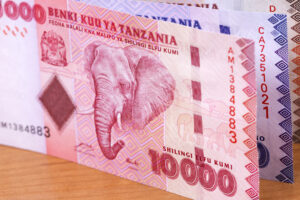
The official currency of Tanzania is the Tanzanian Shilling (TZS).
- Currency code: TZS
- Symbol: TSh
- Common notes: 1,000 / 2,000 / 5,000 / 10,000 / 20,000 TSh
- Coins are less commonly used in tourism areas
Most daily transactions in local shops, markets, and transport use Tanzanian Shillings.
2. Can You Use US Dollars in Tanzania?
Yes — US Dollars (USD) are widely accepted in Tanzania, especially in:
- Safari lodges and camps
- Hotels and resorts
- Tour companies (including Kilipath African Safari)
- National park fees (in many cases)
Important USD Tips:
- Bring new, clean USD notes (printed after 2009 preferred)
- Damaged or old notes may be rejected
- Small denominations ($1, $5, $10, $20) are very useful for tips and small purchases
3. ATMs in Tanzania
ATMs are available in major cities such as:
- Arusha
- Dar es Salaam
- Moshi
- Zanzibar Town
Key ATM Tips:
- Most ATMs dispense Tanzanian Shillings only
- Visa and Mastercard are widely accepted
- Withdrawal fees may apply (usually $3–$6 per transaction)
- Daily withdrawal limits may range from $200–$500 USD equivalent
Always carry some cash as backup when traveling to remote safari areas where ATMs are unavailable.
4. Currency Exchange in Tanzania
You can exchange money at:
- Banks (best rates, but slower service)
- Authorized exchange bureaus (fast and convenient)
- Airports (convenient but slightly lower rates)
- Hotels (least favorable rates)
Best Practice:
- Exchange a small amount at the airport
- Use local exchange bureaus in cities like Arusha or Dar es Salaam for better rates
- Always check the rate before exchanging
5. Payment Methods in Tanzania
Tanzania is still largely a cash-based economy, especially outside cities.
Accepted payment methods:
- Cash (TZS or USD) most common
- Credit/Debit cards accepted in hotels and larger businesses
- Mobile money (M-Pesa, Airtel Money) widely used by locals
Safari lodges and tours often prefer cash payments for tips and extras.
6. Tipping Culture in Tanzania
Tipping is not mandatory but is highly appreciated in the tourism industry.
Recommended tipping guide:
- Safari guide: $10–$20 per day
- Safari cook: $5–$10 per day
- Lodge staff: $5–$15 per stay
- Porters (Kilimanjaro): $8–$15 per day
Tip in USD or TZS depending on what you have available.
7. Money Safety Tips for Travelers
To keep your money safe while traveling in Tanzania:
- Avoid carrying large amounts of cash at once
- Use hotel safes for storage
- Keep money in separate places (wallet, bag, safe)
- Be cautious in crowded markets
- Use trusted tour operators like Kilipath African Safari for secure payments
8. Budgeting for a Tanzania Safari
Average daily costs vary depending on travel style:
- Budget safari: $150–$250 per day
- Mid-range safari: $250–$500 per day
- Luxury safari: $500–$1,500+ per day
This usually includes accommodation, meals, park fees, and transport.
Conclusion
Understanding Tanzania’s currency system helps you travel confidently and enjoy a smooth safari experience. Whether you use Tanzanian Shillings or US Dollars, proper planning ensures you avoid stress and hidden costs.
At Kilipath African Safari, we guide travelers through every step — from safari planning to money tips ensuring your journey is safe, enjoyable, and unforgettable.
Ready for Your Tanzania Safari?
Let Kilipath African Safari help you plan your dream adventure across Serengeti, Ngorongoro, and beyond.
Contact us today to book your tailor-made safari experience.