Skip to content
Ngorongoro Crater is one of the most extraordinary wildlife photography destinations in the world. Known as the “Eighth Wonder of the World,” this UNESCO World Heritage Site offers unmatched opportunities to capture Africa’s iconic animals within a compact and breathtaking landscape.
For photographers whether beginners or professionals photography Ngorongoro Crater safari packages are specially designed to maximize lighting conditions, wildlife encounters, and positioning for perfect shots.
This guide covers everything you need to plan a successful photography safari in Ngorongoro Crater, including best packages, timing, gear, and expert tips.
Why Choose Ngorongoro Crater for Photography Safaris?
Ngorongoro Crater offers a unique advantage compared to other safari destinations:
1. High Wildlife Density
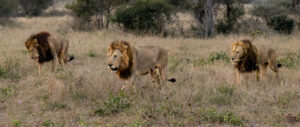
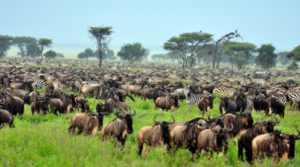
The crater floor hosts over 25,000 animals, including:
- Lions
- Elephants
- Rhinos
- Buffalos
- Leopards
This concentration makes it easier to capture multiple species in a single day.
2. Compact Landscape
Unlike the vast Serengeti, the crater is enclosed, allowing:
- Shorter driving distances
- More time for photography
- Better chances of repeat sightings
3. Scenic Backdrops
Photographers benefit from:
- Misty crater walls
- Open grasslands
- Soda lakes
- Dramatic sunrise light
Types of Photography Ngorongoro Crater Safari Packages
Different packages cater to different photography goals and budgets.
1. Private Photography Safari Packages
Best for:
- Professional photographers
- Couples or solo travelers
Benefits:
- Flexible timing
- Custom positioning for shots
- Dedicated guide focused on photography
2. Small Group Photography Safaris
Best for:
- Budget-conscious photographers
Features:
- Shared vehicle (max 6–7 guests)
- Window seats for all
- Guided by experienced driver-guides
3. Luxury Photography Safari Packages
Includes:
- High-end lodges with crater views
- Customized game drives
- Optional private vehicle
Popular lodges:
- Crater rim luxury lodges
- Exclusive tented camps
4. Multi-Day Photography Packages
Often combined with:
- Serengeti National Park
- Tarangire National Park
Ideal for:
- Capturing diverse wildlife and landscapes
Best Time for Photography in Ngorongoro Crater
Timing plays a critical role in wildlife photography.
Dry Season (June – October)
- Best visibility
- Animals gather around water sources
- Easier to photograph predators
Green Season (November – May)
- Lush landscapes
- Dramatic skies
- Fewer tourists
Best months for photographers:
- January – February (calving season nearby Serengeti)
- June – October (clear conditions)
What Animals Can You Photograph?
Ngorongoro Crater is one of the few places where you can photograph the Big Five in a single day.
Key Wildlife:
- Black Rhino (rare and highly sought-after)
- Lions (often seen in open plains)
- Elephants (large tuskers)
- Buffalo herds
- Hyenas and jackals
Bird photography is also exceptional, with flamingos and birds of prey.
Photography Tips for Ngorongoro Crater Safari
1. Start Early
Morning light offers:
- Soft golden tones
- Active wildlife behavior
2. Use the Right Gear
Recommended:
- 70–200mm lens for close wildlife
- 100–400mm or 200–600mm for distance shots
- Wide-angle lens for landscapes
3. Stabilization Matters
Use:
- Beanbags (commonly provided in safari vehicles)
- Fast shutter speeds for moving animals
4. Focus on Composition
Include:
- Crater walls for depth
- Animals in motion
- Interaction between species
5. Work with Your Guide
A skilled guide helps:
- Position the vehicle correctly
- Predict animal movements
- Find rare sightings
Sample 3-Day Photography Ngorongoro Safari Package
Day 1: Arrival in Arusha
- Airport pickup
- Overnight stay in Arusha
Day 2: Ngorongoro Crater Photography Safari
- Early morning descent into crater
- Full-day game drive
- Focus on Big Five photography
- Overnight at crater rim lodge or Karatu
Day 3: Optional Add-On or Departure
- Optional visit to Lake Manyara or Tarangire
- Transfer to airport
Accommodation Options for Photography Safaris
Mid-Range Options
- Comfortable lodges in Karatu
- Tented camps with private facilities
Luxury Options
- Crater rim lodges with panoramic views
- Exclusive safari camps
Accommodation choice affects:
- Access time to crater
- Sunrise photography opportunities
Cost of Photography Ngorongoro Crater Safari Packages
Prices vary based on:
- Duration
- Accommodation level
- Private vs shared safari
Estimated Price Range:
- Budget: $250 – $350 per person/day
- Mid-range: $350 – $600 per person/day
- Luxury: $600 – $1,200+ per person/day
How to Choose the Best Photography Safari Package
When selecting a package, consider:
- Experience of the guide in photography
- Type of vehicle (pop-up roof, charging ports)
- Group size
- Time allocated inside the crater
- Flexibility of the itinerary
Choosing the right operator is essential for success. A structured SEO and content strategy like this helps travelers find reliable safari providers and plan effectively .
Why Book with Kilipath African Safaris?
Kilipath African Safaris offers:
- Experienced safari guides
- Custom photography-focused itineraries
- Flexible private safari options
- Carefully selected accommodations
Whether you are capturing your first wildlife shots or building a professional portfolio, the team ensures a seamless experience.
If you are ready to plan your photography safari, Kilipath African Safaris is here to design a journey tailored to your vision.