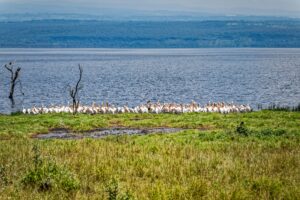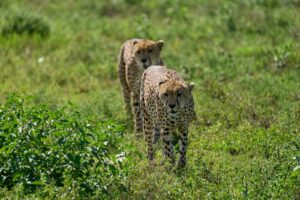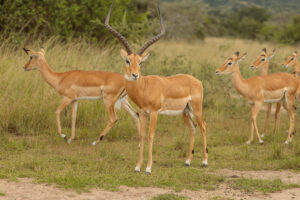
A Photography Lake Manyara Safari Experience offers one of the most rewarding wildlife photography adventures in Tanzania. Located at the base of the Great Rift Valley escarpment, Lake Manyara National Park is a compact yet incredibly diverse safari destination filled with dramatic landscapes, abundant wildlife, lush forests, and spectacular birdlife.
Whether you are a professional wildlife photographer or a traveler carrying a smartphone camera, Lake Manyara provides countless opportunities to capture stunning images. From large elephant herds and colorful flamingos to famous tree-climbing lions and breathtaking lake views, every moment presents a chance to create unforgettable photographs.
At Kilipath African Safaris, we specialize in photography-focused safari experiences designed to help travelers maximize their wildlife encounters and return home with extraordinary images.
Why Choose a Photography Lake Manyara Safari Experience?
Lake Manyara National Park is often overlooked in favor of larger parks, but photographers quickly discover that it offers unique advantages.
Compact Yet Diverse Landscapes
Unlike larger parks that require extensive driving, Lake Manyara allows photographers to experience multiple ecosystems within a relatively small area.
You can photograph:
- Groundwater forests
- Acacia woodlands
- Open grasslands
- Hot springs
- Rift Valley escarpments
- Lake shorelines
This diversity creates a wide variety of photographic compositions in a single day.
Exceptional Wildlife Encounters
The park supports numerous wildlife species, including:
- African elephants
- Giraffes
- Zebras
- Buffaloes
- Hippos
- Warthogs
- Baboons
- Blue monkeys
- Leopards
- Tree-climbing lions
The relatively dense wildlife population often allows photographers to capture animals at close range.
Spectacular Bird Photography
Lake Manyara is one of Tanzania’s top birding destinations.
Photographers can capture:
- Flamingos
- Pelicans
- African fish eagles
- Hornbills
- Kingfishers
- Storks
- Herons
- Bee-eaters
With over 400 recorded bird species, bird photographers will find endless opportunities.
Best Time for a Photography Lake Manyara Safari Experience
Photography conditions vary throughout the year.
Dry Season (June to October)
The dry season is considered ideal for wildlife photography.
Advantages include:
- Easier wildlife viewing
- Animals gather near water sources
- Clear skies
- Less vegetation obstructing shots
- Excellent road conditions
This period is perfect for capturing large mammals and action photography.
Green Season (November to May)
The green season offers unique photographic opportunities.
Benefits include:
- Lush landscapes
- Dramatic skies
- Migratory birds
- Fewer visitors
- Vibrant colors
Landscape photographers often prefer this season because of the rich greenery and stunning cloud formations.
Top Photography Subjects in Lake Manyara
Tree-Climbing Lions
Lake Manyara is famous for its rare tree-climbing lions.
Capturing a lion resting on an acacia branch creates a distinctive image that few safari destinations can offer.
Photography Tips
- Use a zoom lens
- Focus on eye contact
- Include tree branches for context
- Shoot during early morning light
Elephant Herds
Large elephant families frequently move through the forests and open areas.
Photographers can capture:
- Family interactions
- Dust bathing
- Calves with mothers
- Close-up portraits
Patience often results in powerful storytelling images.
Flamingos and Waterbirds
The alkaline lake attracts thousands of birds throughout the year.
Popular photography subjects include:
- Flamingo reflections
- Pelicans in flight
- Bird interactions
- Sunrise silhouettes
A telephoto lens is highly recommended.
Rift Valley Escarpment
The dramatic cliffs surrounding the park create exceptional landscape photography opportunities.
Photographers can capture:
- Panoramic views
- Sunset scenes
- Storm clouds
- Wildlife against dramatic backdrops
Essential Camera Gear for Lake Manyara Photography
Bringing the right equipment can significantly improve your photography results.
Recommended Camera Bodies
- DSLR cameras
- Mirrorless cameras
- Advanced compact cameras
Modern smartphones can also produce impressive safari images.
Recommended Lenses
Wide-Angle Lens (16–35mm)
Perfect for:
- Landscapes
- Sunrise shots
- Scenic viewpoints
Standard Lens (24–70mm)
Ideal for:
- General wildlife
- Environmental portraits
- Flexible shooting
Telephoto Lens (100–400mm or 200–600mm)
Essential for:
- Wildlife photography
- Bird photography
- Distant subjects
Photography Techniques for Better Safari Images
Shoot During Golden Hour
The best lighting conditions occur:
- Shortly after sunrise
- Before sunset
Golden light enhances colors, textures, and wildlife portraits.
Focus on Animal Behavior
Instead of simply photographing animals standing still, look for behavior.
Examples include:
- Hunting
- Grooming
- Feeding
- Interactions between animals
Behavioral images tell stronger stories.
Use the Rule of Thirds
Avoid placing subjects directly in the center.
Position wildlife slightly off-center to create more visually engaging compositions.
Be Patient
Wildlife photography often rewards patience.
Waiting a few extra minutes can lead to remarkable moments and unique images.
Photography Safari Vehicle Advantages
At Kilipath African Safaris, our photography-friendly safari vehicles provide excellent viewing opportunities.
Features include:
- Pop-up roofs
- Large windows
- Comfortable seating
- Guaranteed window seats
- Professional safari guides
- Charging points for camera equipment
These features help photographers capture images from multiple angles.
Combining Lake Manyara with Other Photography Destinations
Many photographers choose to combine Lake Manyara with nearby destinations.
Popular combinations include:
Serengeti Photography Safari
Serengeti National Park offers:
- Great Migration photography
- Predator action
- Endless plains
Ngorongoro Crater Photography Safari
Ngorongoro Crater provides:
- Dense wildlife populations
- Big Five photography
- Scenic crater landscapes
Tarangire Photography Safari
Tarangire National Park is famous for:
- Giant baobab trees
- Elephant herds
- Beautiful sunsets
Together, these parks create one of Africa’s most rewarding photography circuits.
Why Book Your Photography Lake Manyara Safari Experience with Kilipath African Safaris?
Kilipath African Safaris understands the needs of wildlife photographers.
We offer:
- Customized photography itineraries
- Experienced local guides
- Flexible game drives
- Photography-friendly vehicles
- Competitive safari packages
- Professional planning support
Whether you are photographing wildlife for the first time or building a professional portfolio, our team ensures you maximize every photographic opportunity.
Sample One-Day Photography Lake Manyara Safari Experience
Early Morning
- Depart Arusha
- Enter the park at sunrise
- Wildlife photography session
Mid-Morning
- Forest photography
- Monkey and elephant encounters
- Bird photography opportunities
Afternoon
- Hot lunch
- Lake shoreline exploration
- Flamingo photography
Late Afternoon
- Golden-hour game drive
- Scenic landscape photography
- Return to Arusha
A Photography Lake Manyara Safari Experience is one of Tanzania’s most rewarding adventures for wildlife and nature photographers. The combination of diverse habitats, rich wildlife populations, colorful birdlife, and stunning landscapes creates endless photographic opportunities throughout the year.
Whether your goal is to capture tree-climbing lions, elephant families, flamingo-filled shorelines, or breathtaking Rift Valley scenery, Lake Manyara delivers memorable moments at every turn. With expert planning and guidance from Kilipath African Safaris, your photography safari can become a collection of images and memories that last a lifetime.