Skip to content
Arusha is the perfect starting point for an unforgettable African wildlife adventure. Located near some of Tanzania’s most famous national parks, the city offers convenient access to Serengeti National Park, Ngorongoro Crater, Tarangire National Park, Lake Manyara National Park, Arusha National Park, and Mount Kilimanjaro.
An Arusha Tanzania safari can be planned as a short day trip, a multi-day group safari, a private family holiday, a romantic honeymoon, or a luxury wildlife experience. Whether you want to see the Big Five, witness the Great Wildebeest Migration, meet local communities, or combine a safari with Zanzibar, Kilimanjaro, or Mount Meru, Arusha is an ideal place to begin.
At Kilipath African Safaris, we create personalized Tanzania safari itineraries from Arusha based on your travel dates, budget, accommodation preferences, and wildlife interests.
Why Start Your Tanzania Safari in Arusha?
Arusha is widely regarded as Tanzania’s northern safari gateway. The city is well connected to the country’s major wildlife destinations and provides a convenient base for travelers arriving through Kilimanjaro International Airport or Arusha Airport.
Beginning your safari in Arusha offers several advantages:
- Easy access to Tanzania’s Northern Safari Circuit
- A wide selection of hotels, lodges, and guesthouses
- Convenient airport transfers
- Access to experienced safari guides and well-equipped vehicles
- Private and shared group safari options
- Easy connections to Zanzibar and other parts of Tanzania
- Opportunities to visit Arusha National Park and Mount Meru
- Cultural tours, coffee experiences, markets, and day trips
- Flexible itineraries ranging from one day to two weeks or more
Many travelers spend their first night in Arusha before starting their safari early the following morning. This allows time to rest after an international flight, meet the safari team, receive a detailed briefing, and prepare for the adventure ahead.
Where Is Arusha Located?
Arusha is situated in northern Tanzania, beneath the slopes of Mount Meru. It lies between several important safari destinations and serves as the administrative and tourism center of the region.
Kilimanjaro International Airport is the main international entry point for visitors traveling to Arusha. The drive from the airport to central Arusha normally takes approximately one hour, depending on traffic and the location of your accommodation.
Arusha Airport is a smaller domestic airport used for flights connecting Arusha with Serengeti, Zanzibar, Dar es Salaam, and other Tanzanian destinations.
Best Safari Destinations from Arusha
Arusha National Park
Arusha National Park is the closest national park to the city and is an excellent choice for travelers with limited time. The park features forests, grasslands, Momella Lakes, and views of Mount Meru.
Wildlife commonly seen in the park includes:
- Giraffes
- Zebras
- Buffaloes
- Warthogs
- Blue monkeys
- Black-and-white colobus monkeys
- Bushbucks
- Flamingos and other bird species
Unlike many other national parks, Arusha National Park offers walking safaris accompanied by an armed park ranger. Canoeing may also be available at Momella Lakes, depending on conditions and park arrangements.
Although lions and elephants are not usually the main attraction here, the park’s scenery and variety of activities make it a rewarding introduction to Tanzania.
Tarangire National Park
Tarangire National Park is famous for its large elephant populations, ancient baobab trees, and the Tarangire River. It is normally reached after approximately two hours of driving from Arusha.
During the dry season, wildlife gathers around the river and remaining water sources. This can create excellent opportunities to see elephants, zebras, wildebeest, giraffes, buffaloes, lions, leopards, and numerous antelope species.
Tarangire is especially attractive to travelers interested in:
- Elephant sightings
- Beautiful baobab landscapes
- Birdwatching
- Photography
- Less crowded game drives
- Seasonal wildlife concentrations
The park can be visited as a day trip from Arusha, although including it in a longer safari allows for a more relaxed experience.
Lake Manyara National Park
Lake Manyara National Park is a compact but diverse destination located beneath the Great Rift Valley escarpment. Its landscape includes groundwater forest, open plains, wetlands, and the alkaline lake.
The park is known for:
- Elephants
- Giraffes
- Buffaloes
- Baboons
- Hippos
- Zebras
- Flamingos and waterbirds
- Tree-climbing lions, although sightings are never guaranteed
Lake Manyara is commonly included in four-day or five-day Northern Circuit safari itineraries. Wildlife visibility varies with water levels and seasonal conditions, but the park’s scenery remains impressive.
Ngorongoro Crater
The Ngorongoro Crater is one of Tanzania’s most remarkable wildlife destinations. Formed from an ancient volcanic caldera, the crater contains grasslands, forests, wetlands, and a permanent water supply.
Its enclosed ecosystem supports a high concentration of animals, including:
- Lions
- Elephants
- Buffaloes
- Hippos
- Zebras
- Wildebeest
- Hyenas
- Jackals
- Gazelles
- Black rhinos
Because many species live within a relatively compact area, the crater offers an excellent chance of seeing diverse wildlife during a single game drive. Black rhinos are present, although sightings depend on luck, weather, distance, and animal movements.
Most travelers leave their accommodation early in the morning and descend into the crater for approximately five to six hours of wildlife viewing. The Ngorongoro Crater can be visited on a two-day safari from Arusha or combined with Serengeti, Tarangire, and Lake Manyara.
Serengeti National Park
Serengeti National Park is Tanzania’s most celebrated safari destination. Its expansive plains, abundant predators, seasonal wildlife movement, and spectacular sunsets create a classic African safari experience.
The Serengeti supports an extraordinary variety of wildlife, including:
- Lions
- Leopards
- Cheetahs
- Elephants
- Giraffes
- Buffaloes
- Hyenas
- Hippos
- Crocodiles
- Wildebeest
- Zebras
- Numerous antelope and bird species
The park is divided into several wildlife regions, and the best area depends on the season.
Central Serengeti
Central Serengeti, particularly the Seronera region, offers reliable wildlife viewing throughout the year. It is known for resident big cats, open plains, river valleys, and kopjes.
Southern Serengeti and Ndutu
The southern plains and Ndutu region are especially important during the calving season. Large herds normally gather in this region between approximately December and March, although migration timing depends on rainfall.
Western Corridor
The Western Corridor becomes important as migrating herds move westward. The Grumeti River and surrounding woodlands attract wildlife during certain months.
Northern Serengeti
Northern Serengeti is best known for seasonal Mara River crossings, commonly associated with the period between July and October. Crossings cannot be scheduled or guaranteed because they depend entirely on the animals.
A private safari is normally the most suitable option for travelers whose priority is reaching Northern Serengeti. Standard shared group safaris generally follow fixed routes through Central Serengeti and cannot always include the distant northern region.
The Great Wildebeest Migration
The Great Wildebeest Migration is a continuous movement of wildebeest, zebras, and other grazing animals across the Serengeti–Mara ecosystem. The herds travel in response to rainfall, fresh grass, and water availability.
There is no single fixed location where the migration remains all year. Broad seasonal patterns include:
- December to March: Southern Serengeti and Ndutu calving areas
- April to May: Herds begin moving through central and western regions
- June to July: Movement toward the Western Corridor and northern areas
- July to October: Northern Serengeti and the wider Mara ecosystem
- November: Herds gradually return toward the eastern and southern plains
These periods are approximate. Nature does not follow an exact calendar, so a knowledgeable safari planner should select the most suitable location based on your dates.
Best Arusha Tanzania Safari Packages
One-Day Safari from Arusha
A one-day safari is suitable for travelers with limited time. Popular options include:
- Arusha National Park
- Tarangire National Park
- Lake Manyara National Park
- Ngorongoro Crater
The Ngorongoro Crater involves a longer day of driving, while Arusha National Park offers the closest and most relaxed day-trip option.
Two-Day Safari
A two-day safari can combine destinations such as:
- Tarangire and Ngorongoro Crater
- Lake Manyara and Ngorongoro Crater
- Tarangire and Lake Manyara
- Arusha National Park and Tarangire
This option provides a short but rewarding introduction to Tanzania’s wildlife.
Three-Day Safari
A typical three-day itinerary may include:
- Tarangire National Park
- Ngorongoro Crater
- Lake Manyara National Park
Travelers determined to visit Serengeti can choose a three-day Serengeti and Ngorongoro safari. However, it involves longer driving distances and a faster schedule.
Four-Day Safari
A four-day safari is one of the most popular options from Arusha. A common itinerary is:
- Day 1: Arusha to Tarangire National Park
- Day 2: Drive to Serengeti National Park
- Day 3: Serengeti game drive and transfer toward Ngorongoro
- Day 4: Ngorongoro Crater and return to Arusha
This itinerary provides a balanced introduction to elephants, big cats, the Serengeti plains, and the Ngorongoro ecosystem.
Five-Day Safari
A five-day itinerary can include:
- Tarangire National Park
- Serengeti National Park
- Ngorongoro Crater
- Lake Manyara National Park
The additional day allows travelers to visit another park or enjoy more time in Serengeti.
Six- or Seven-Day Safari
A six- or seven-day safari provides a more comfortable pace, longer game drives, and additional opportunities for wildlife photography.
Depending on the season and whether the trip is private, the itinerary may include:
- Tarangire
- Lake Manyara
- Central Serengeti
- Northern Serengeti
- Southern Serengeti or Ndutu
- Ngorongoro Crater
- Lake Eyasi
- Cultural activities
Eight Days or Longer
A longer itinerary is ideal for travelers who want deeper exploration, fewer rushed transfers, and a combination of wildlife, culture, hiking, or beach relaxation.
Longer safaris may include:
- Multiple Serengeti regions
- Tarangire and Lake Manyara
- Ngorongoro Crater
- Lake Natron
- Lake Eyasi
- Mount Kilimanjaro day hike
- Materuni Waterfalls
- Zanzibar beach holiday
- Southern Tanzania safari extensions
Sample Five-Day Arusha Tanzania Safari Itinerary
Day 1: Arusha to Tarangire National Park
After breakfast, your guide will collect you from your Arusha accommodation. Drive to Tarangire National Park for your first game drive.
Explore landscapes filled with baobab trees and watch for elephants, giraffes, zebras, wildebeest, lions, and many other species. Enjoy lunch inside the park before continuing the game drive.
In the late afternoon, travel to your lodge or campsite for dinner and overnight.
Day 2: Travel to Serengeti National Park
After breakfast, depart for Serengeti National Park. The drive passes through the Ngorongoro Conservation Area, offering beautiful views and opportunities to observe changing landscapes.
Enter Serengeti and enjoy an afternoon game drive. Search for lions, cheetahs, elephants, giraffes, and grazing herds before continuing to your accommodation.
Day 3: Serengeti Wildlife Safari
Spend the day exploring Serengeti. Your guide will select game-viewing areas based on recent wildlife movements, weather, and seasonal conditions.
You may enjoy an early-morning game drive, return for breakfast, and continue exploring later. Alternatively, carry a picnic lunch and remain in the park throughout the day.
An optional hot-air balloon safari can be arranged in advance, subject to availability and weather.
Day 4: Serengeti to Ngorongoro Area
Enjoy another game drive in Serengeti before traveling toward the Ngorongoro Conservation Area.
Stop for wildlife sightings and scenic views along the route. Arrive at your campsite or lodge for dinner and overnight.
Day 5: Ngorongoro Crater to Arusha
After an early breakfast, descend into Ngorongoro Crater. Explore the crater floor in search of lions, buffaloes, hippos, elephants, wildebeest, zebras, hyenas, and black rhinos.
After lunch and the game drive, ascend from the crater and return to Arusha. Drop-off can be arranged at your hotel, Arusha Airport, or another agreed location.
Private Safari or Shared Group Safari?
Both options provide rewarding experiences, but they suit different travel styles.
Private Arusha Tanzania Safari
A private safari gives your party exclusive use of the safari vehicle and guide. It is ideal for couples, families, photographers, honeymooners, and travelers who want flexibility.
Benefits include:
- Flexible travel dates
- Personalized itinerary
- Private safari vehicle
- Greater control over game-drive timing
- More accommodation choices
- Easier inclusion of special destinations
- More privacy and personal attention
- Flexible stops for photography
- Ability to travel at your preferred pace
Private safaris are particularly recommended for Northern Serengeti, Ndutu, Lake Natron, family trips, and luxury holidays.
Shared Group Safari
A shared safari allows you to join other travelers in one vehicle, helping to reduce the cost. Kilipath African Safaris normally limits shared safari vehicles to a comfortable number of guests, with each traveler receiving access to a window seat.
Shared safaris are ideal for:
- Solo travelers
- Friends
- Budget-conscious couples
- Social travelers
- Guests with flexible plans
Group itineraries normally follow fixed routes and schedules. This means there may be less flexibility to change the park order, accommodation, departure time, or number of nights in a destination.
Budget, Midrange, and Luxury Safaris
Budget Camping Safari
A camping safari is one of the most affordable ways to experience Tanzania’s national parks. Accommodation is provided in public campsites with tents and essential camping equipment.
A typical camping safari may include:
- Tent
- Sleeping bag
- Mattress
- Pillow
- Camping crew or chef
- Prepared meals
- Shared campsite showers and toilets
Camping offers an adventurous atmosphere and brings travelers close to the sounds of nature. Facilities are simpler than those of a lodge, but the wildlife experience can be equally impressive.
Midrange Lodge Safari
Midrange safaris combine comfortable accommodation with good value. Guests normally stay in lodges or tented camps offering private bathrooms, proper beds, hot showers, and restaurant facilities.
This category is suitable for travelers who want comfort without choosing the most expensive properties.
Luxury Tanzania Safari
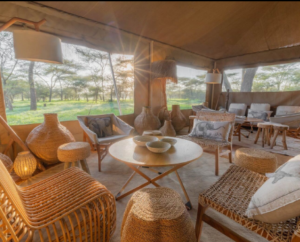
A luxury safari may feature high-end lodges, elegant tented camps, scenic locations, private dining, swimming pools, premium service, and fly-in transfers.
Luxury experiences can include:
- Private vehicle and dedicated guide
- Domestic bush flights
- Premium lodges and camps
- Hot-air balloon safari
- Bush breakfast or sundowner
- Special honeymoon arrangements
- Private meals
- Personalized schedules
- Exclusive-use accommodation options
Luxury does not only mean an expensive room. It can also mean more time in the best wildlife areas, fewer long drives, personal attention, and a carefully designed itinerary.
Arusha Tanzania Safari Cost
The cost of an Arusha Tanzania safari depends on several factors:
- Number of safari days
- Number of travelers
- Private or shared vehicle
- Travel season
- Accommodation category
- Parks included
- Domestic flights
- Single-room supplements
- Special activities
- Airport transfers
- Resident or non-resident park fees
A short shared camping safari will generally cost less than a private lodge safari. Luxury camps inside Serengeti and Ngorongoro usually increase the total price, while traveling as a couple or group can reduce the private safari cost per person.
Because park fees and accommodation rates can change, Kilipath African Safaris provides an individual quotation based on your exact requirements.
When comparing safari prices, check whether the quotation includes:
- National park fees
- Ngorongoro Crater service fees
- Accommodation
- Meals
- Drinking water
- Private or shared vehicle
- Professional guide
- Airport transfers
- Government taxes
- Domestic flights, if applicable
- Optional activities
- Tips and personal expenses
A very low quotation may exclude important services, so always review the inclusions carefully.
What Is Included in a Kilipath Safari?
Exact inclusions depend on your package, but a standard safari commonly includes:
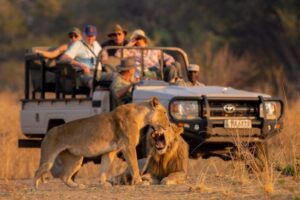
- Transportation in a 4×4 safari vehicle
- Professional English-speaking guide
- National park entrance fees
- Ngorongoro Crater fees when included
- Accommodation stated in the itinerary
- Meals during the safari
- Drinking water
- Game drives
- Airport or hotel transfers as agreed
- Government taxes
- Camping equipment on camping packages
A safari vehicle may feature a pop-up roof, charging sockets, a cooler, binoculars, seatbelts, and basic first-aid equipment.
Common exclusions may include:
- International flights
- Tanzania visa
- Travel insurance
- Optional balloon safari
- Alcoholic beverages
- Personal purchases
- Tips
- Laundry
- Activities not listed in the itinerary
Always confirm the final inclusions and exclusions before making payment.
Best Time for an Arusha Tanzania Safari
Tanzania offers wildlife viewing throughout the year, but each season creates a different experience.
June to October: Dry Season
The dry season is popular because vegetation is generally thinner and animals gather near water sources. It is an excellent period for Tarangire and many parts of Serengeti.
Advantages include:
- Strong wildlife viewing
- Lower rainfall
- Easier road conditions
- Seasonal Northern Serengeti migration opportunities
This is a popular travel period, so early booking is recommended.
November to December: Short Rains
The short rains can refresh the landscapes and reduce dust. Rain often falls in brief periods rather than continuously, although weather patterns vary.
This period can offer:
- Green scenery
- Excellent photography
- Migratory birds
- Fewer visitors in some areas
January to March: Calving Season
The southern Serengeti and Ndutu region become important during the wildebeest calving period. Thousands of young animals are born, attracting predators.
This is a rewarding season for:
- Wildebeest herds
- Newborn animals
- Predator activity
- Wildlife photography
- Green landscapes
April to May: Long Rains
These months are quieter and may offer lower accommodation rates. Some roads can become muddy, and certain camps may close temporarily.
For flexible travelers, the green season provides dramatic skies, fewer vehicles, and lush landscapes.
Safari from Arusha to Zanzibar
Combining an Arusha safari with Zanzibar is one of Tanzania’s most popular holiday choices.
A typical combination may include:
- Four to seven days of safari
- Flight from Arusha or Kilimanjaro to Zanzibar
- Beach relaxation
- Stone Town tour
- Spice farm visit
- Snorkeling or diving
- Sunset cruise
After finishing your safari, you can fly from Arusha Airport or Kilimanjaro International Airport to Zanzibar. Your ideal departure airport depends on the safari ending time and flight schedule.
Allow enough time between the end of the safari and your flight. Driving conditions, park activities, and traffic can affect arrival time.
Combining Safari with Mount Kilimanjaro
Arusha is also a convenient base for travelers climbing Mount Kilimanjaro. A safari can be arranged before or after the climb.
Many climbers prefer to take a short rest after descending the mountain before beginning their safari. A comfortable itinerary might include Tarangire, Serengeti, and Ngorongoro without making each day excessively long.
Shorter options include:
- Kilimanjaro day hike and two-day safari
- Materuni Waterfalls and coffee tour
- Three-day Serengeti and Ngorongoro safari
- Four-day Northern Circuit safari
- Safari followed by Zanzibar relaxation
Family Safari from Arusha
Tanzania can be an excellent destination for families when the itinerary is designed around the children’s ages, energy levels, and interests.
Family-friendly planning may include:
- Shorter driving days
- Lodges with swimming pools
- Family rooms
- Private safari vehicle
- Flexible meal times
- Educational wildlife activities
- Cultural experiences
- Rest periods between game drives
A private safari is normally the best choice for families because it provides greater freedom to adjust stops and schedules.
Parents should discuss children’s ages with the safari planner because some lodges, walking safaris, and activities have minimum-age requirements.
Arusha Honeymoon Safari
An Arusha honeymoon safari can combine privacy, wildlife, beautiful accommodation, and romantic experiences.
Honeymoon arrangements may include:
- Private safari vehicle
- Luxury tented camps
- Room decorations
- Flowers
- Champagne
- Sundowner experience
- Private dinner
- Hot-air balloon safari
- Professional photography
- Zanzibar beach extension
The best honeymoon itinerary depends on the season. A carefully selected combination of Serengeti, Ngorongoro, Tarangire, and Zanzibar can provide both adventure and relaxation.
Wildlife Photography Safari
Photographers benefit from private safaris because the vehicle can remain at sightings for longer and position itself according to light and subject movement.
Helpful features include:
- Window seat
- Pop-up roof
- Beanbag or camera support
- Charging sockets
- Binoculars
- Extra time in key wildlife areas
- Early-morning departures
- Knowledgeable private guide
Bring enough memory cards, spare batteries, charging cables, and protective equipment for dust. A telephoto lens is helpful for wildlife, while a wide-angle lens is useful for landscapes and lodge photography.
What to Pack for an Arusha Safari
Recommended items include:
- Lightweight, neutral-colored clothing
- Warm jacket or fleece
- Comfortable closed shoes
- Sun hat
- Sunglasses
- Sunscreen
- Insect repellent
- Camera or smartphone
- Charging cable and power bank
- Binoculars
- Small day bag
- Personal medication
- Reusable water bottle
- Travel documents
- Passport copies
- Travel insurance details
Morning and evening temperatures can be cool, especially around Ngorongoro and during certain seasons. Layered clothing is the most practical choice.
Avoid bringing only heavy luggage into the safari vehicle. If possible, use a soft-sided bag and keep essential items in a small daypack.
Health, Safety, and Travel Insurance
Travelers should consult a qualified medical professional for personalized health advice before visiting Tanzania.
Comprehensive travel insurance is strongly recommended. It should cover:
- Medical emergencies
- Emergency evacuation
- Trip cancellation
- Travel delays
- Lost luggage
- Safari activities
- Any hiking or climbing activities included in your trip
During the safari, always follow your guide’s instructions. Wild animals are unpredictable, so guests should remain inside the vehicle unless the guide confirms that it is safe to leave.
Do not feed animals, walk around camps at night without assistance, or approach wildlife for photographs.
Responsible Safari Travel
Responsible tourism helps protect wildlife and support local communities.
Travelers can contribute by:
- Respecting wildlife-viewing distances
- Avoiding litter
- Reducing single-use plastics
- Supporting licensed local operators
- Asking permission before photographing people
- Buying locally made products
- Conserving water
- Following park rules
- Avoiding businesses that encourage harmful animal interactions
Kilipath African Safaris encourages respectful travel that protects Tanzania’s natural and cultural heritage.
How to Choose an Arusha Safari Operator
Before booking, consider the operator’s:
- Local experience
- Licensing and registration
- Communication
- Safari vehicle condition
- Guide professionalism
- Reviews
- Payment procedures
- Cancellation policy
- Emergency support
- Itinerary detail
- Inclusions and exclusions
A reputable operator should provide a written itinerary, clear quotation, payment terms, and contact details. You should also be able to ask questions and request reasonable adjustments before confirming.
Why Book with Kilipath African Safaris?
Kilipath African Safaris is based in Tanzania and understands the destinations, seasons, routes, accommodations, and practical details needed to create a smooth safari.
When you plan with us, you receive:
- Personalized safari planning
- Knowledgeable local guides
- Private and shared safari options
- Comfortable 4×4 vehicles
- Airport and hotel transfer assistance
- Camping, midrange, and luxury choices
- Honeymoon and family safari planning
- Safari and Zanzibar combinations
- Kilimanjaro and safari combinations
- Friendly support from inquiry to departure
We listen carefully to your travel goals and create an itinerary that matches your time, comfort expectations, and budget.
Plan Your Arusha Tanzania Safari Today
Your Tanzanian adventure can begin with a simple conversation. Tell Kilipath African Safaris your travel dates, number of guests, preferred safari length, accommodation level, and approximate budget. Our team will create a personalized proposal for you.
Whether you are planning your first African safari, a honeymoon, a family holiday, a solo adventure, or a luxury journey, we are ready to help you experience Tanzania with confidence.
Contact Kilipath African Safaris today and let us create an unforgettable Arusha Tanzania safari designed especially for you.