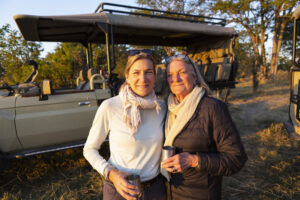
Private Serengeti safari tours offer one of the most comfortable, flexible, and rewarding ways to experience Tanzania’s extraordinary wildlife. Instead of following a fixed group schedule, you travel in your own private safari vehicle with a professional guide and an itinerary designed around your interests.
Would you like to spend more time watching a pride of lions? Are you passionate about wildlife photography? Do you want to visit the Northern Serengeti during the Mara River crossing season or the Ndutu region during the wildebeest calving season? A private safari gives you the freedom to shape the journey around the experiences that matter most to you.
The Serengeti is famous for its endless plains, abundant predators, remarkable landscapes, and the Great Wildebeest Migration. However, experiencing it properly requires thoughtful planning. The best route, number of nights, accommodation, and travel season will depend on what you want to see.
At Kilipath African Safaris, we create personalized Serengeti adventures for couples, families, honeymooners, solo travelers, photographers, and private groups. From budget-friendly camping trips to luxury fly-in safaris, every journey can be adjusted according to your preferred comfort, travel dates, and budget.
This complete guide explains everything you should know before booking private Serengeti safari tours.
What Is a Private Serengeti Safari?
A private Serengeti safari is a wildlife tour operated exclusively for you and the people traveling with you. You do not share the safari vehicle with travelers outside your booking.
Your private safari normally includes:
- A private 4×4 safari vehicle with a pop-up roof
- A professional English-speaking safari guide
- Personalized daily game drives
- Park and conservation fees
- Accommodation selected for your preferred comfort level
- Meals according to the itinerary
- Drinking water during the safari
- Airport or hotel transfers when included
- Crater service fees when visiting Ngorongoro
- Government taxes and operational support
Unlike a shared group safari, a private tour gives you greater control over the daily schedule. Your guide can adjust the pace according to wildlife activity, driving conditions, and your interests.
For example, if your group enjoys photography, you can remain at an exciting sighting longer instead of leaving because other passengers want to continue. Families can schedule breaks around their children, while honeymooners can enjoy a more peaceful and intimate journey.
Why Choose Private Serengeti Safari Tours?
1. Complete Privacy
The greatest benefit is having the safari vehicle exclusively for your party. You can travel with your partner, family, friends, or colleagues without joining unfamiliar passengers.
This creates a more relaxed environment, particularly during long drives between destinations. You can discuss the itinerary openly with your guide and organize the vehicle according to your needs.
2. A Flexible Safari Schedule
Wildlife does not follow a timetable. A private safari gives your guide more freedom to respond to animal movements and interesting sightings.
You can start early for the best morning activity, return to camp for lunch, or continue with a full-day game drive. The final schedule will depend on park regulations, road conditions, distances, and your accommodation location.
3. Personalized Wildlife Experiences
Every traveler has different interests. Some want to see big cats, while others are fascinated by birds, elephants, landscapes, or the Great Migration.
Private Serengeti safari tours can be designed for:
- Great Migration viewing
- Mara River crossings
- Wildebeest calving
- Big-cat encounters
- Birdwatching
- Wildlife photography
- Family adventures
- Honeymoons
- Luxury travel
- Cultural experiences
- Extended game viewing
Your guide can focus on the wildlife and experiences that interest you most.
4. More Space Inside the Vehicle
A private vehicle offers greater comfort and space for personal belongings, cameras, binoculars, and day bags. You can move between available seats and enjoy different viewing angles.
This is particularly useful for photographers carrying large lenses or families traveling with children.
5. Accommodation of Your Choice
Private safaris offer greater freedom when choosing camps and lodges. You may select basic public camping, comfortable tented camps, midrange lodges, luxury properties, or a combination of different categories.
Your choices can be based on:
- Budget
- Location
- Comfort
- Wildlife access
- Privacy
- Family facilities
- Honeymoon experiences
- Swimming pools
- Views
- Travel time between areas
6. Access to More Serengeti Regions
Most shared tours use a fixed route through the Central Serengeti. A private tour can be arranged to explore seasonal wildlife areas such as Ndutu, the Western Corridor, or the Northern Serengeti.
This is essential for travelers hoping to follow the Great Migration according to the month of travel.
Where Is Serengeti National Park?
Serengeti National Park is located in northern Tanzania and forms part of the wider Serengeti-Mara ecosystem. The park connects with the Ngorongoro Conservation Area to the southeast, Ikorongo and Grumeti reserves to the west, and Kenya’s Maasai Mara ecosystem to the north.
The name Serengeti is commonly associated with the Maasai expression for “endless plains.” This description perfectly reflects the vast grasslands of the southern and central regions.
The Serengeti covers approximately 14,750 square kilometres and contains several different habitats, including:
- Open grasslands
- Acacia woodland
- Riverine forest
- Rocky kopjes
- Seasonal marshes
- Hills and valleys
- Permanent and seasonal rivers
These habitats support an extraordinary variety of wildlife throughout the year.
The Main Regions of the Serengeti
Understanding the park’s different regions is important when planning private Serengeti safari tours.
Central Serengeti and Seronera Valley
The Central Serengeti is one of the most reliable wildlife-viewing areas throughout the year. The Seronera River provides an important water source, attracting resident animals even outside the migration season.
Wildlife frequently seen in the central region includes:
- Lions
- Leopards
- Cheetahs
- Elephants
- Giraffes
- Buffaloes
- Hippos
- Hyenas
- Topi
- Gazelles
- Zebras
- Wildebeest
The Central Serengeti has a wide selection of camps and lodges, making it suitable for first-time visitors. It also connects conveniently with Ngorongoro, the Western Corridor, and the Northern Serengeti.
Travelers with limited time should normally spend at least two nights in or around Central Serengeti.
Northern Serengeti
Northern Serengeti is known for rolling hills, valleys, woodland, and the Mara River. It becomes particularly popular during the dry-season migration when large herds move through the region.
Between approximately July and October, travelers may have an opportunity to witness dramatic river crossings. However, crossings are natural events and cannot be scheduled or guaranteed.
The northern area is located far from Central Serengeti. Including it in a road safari requires sufficient time. A fly-in safari can reduce long transfer hours and provide more time for game viewing.
Western Corridor
The Western Corridor is characterized by the Grumeti River, woodland, open plains, and resident wildlife. Migrating herds often move through this area around May and June, although exact timing varies according to rainfall.
The region can offer sightings of:
- Wildebeest
- Zebras
- Lions
- Leopards
- Elephants
- Hippos
- Crocodiles
- Colobus monkeys
- Many bird species
Its seasonal camps create an excellent base when the migration is moving westward.
Southern Serengeti and Ndutu
The southern plains and Ndutu region are important during the wildebeest calving season. From approximately December through March, large herds gather across the nutrient-rich plains, with the main calving period commonly occurring between late January and February.
Thousands of calves can be born within a relatively short period. This abundance of young animals attracts lions, cheetahs, hyenas, and other predators.
Ndutu lies within the Ngorongoro Conservation Area and parts of the Southern Serengeti ecosystem. Private safaris are ideal here because guides can follow seasonal animal movements across a wider area.
Eastern Serengeti
The Eastern Serengeti offers expansive landscapes and comparatively remote game-viewing opportunities. It is known for open plains, kopjes, cheetahs, lions, and beautiful scenery.
Visitor numbers are often lower than in Central Serengeti, creating a sense of wilderness. Seasonal conditions and accommodation availability should be considered when planning a trip to this region.
Wildlife You Can See in the Serengeti
The Serengeti supports one of the greatest concentrations of large mammals in Africa. Although wildlife sightings can never be guaranteed, travelers may encounter a remarkable variety of species.
The Big Five
The traditional Big Five are:
- Lion
- Leopard
- Elephant
- Buffalo
- Rhinoceros
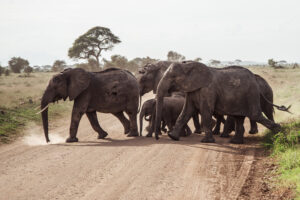
Lions, elephants, buffaloes, and leopards can be seen in the Serengeti. Black rhinoceroses are very rare and are more commonly searched for in the Ngorongoro Crater. This is one reason why many itineraries combine Serengeti and Ngorongoro.
Big Cats and Predators
The Serengeti is famous for predator sightings. Depending on location, season, and luck, you may see:
- Lions
- Leopards
- Cheetahs
- Spotted hyenas
- Black-backed jackals
- Golden jackals
- Servals
- Caracals
- Bat-eared foxes
The open plains provide excellent habitat for cheetahs, while leopards are often associated with riverine woodland and acacia trees.
Herbivores
The Serengeti contains enormous populations of grazing and browsing animals, including:
- Wildebeest
- Zebras
- Giraffes
- Elephants
- Buffaloes
- Elands
- Topi
- Hartebeest
- Impalas
- Grant’s gazelles
- Thomson’s gazelles
- Warthogs
- Waterbucks
These animals play an essential role in supporting the ecosystem’s predator population.
Birdlife
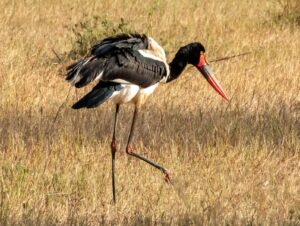
The Serengeti is also an outstanding birdwatching destination. Travelers may encounter eagles, vultures, secretary birds, ostriches, hornbills, rollers, storks, bustards, kingfishers, and many other species.
A private vehicle is especially valuable for birdwatchers because the guide can stop for smaller species that may not interest every passenger on a shared safari.
Understanding the Great Wildebeest Migration
The Great Migration is a continuous movement of wildebeest, zebras, and gazelles across the Serengeti-Mara ecosystem. The herds move in search of fresh grazing and water, following seasonal rainfall.
The migration does not remain in one location, and its timing varies every year. No responsible operator should promise an exact river-crossing date or a guaranteed location for the herds.
A general seasonal pattern is:
December to March: Southern Plains and Ndutu
The herds gather in the southern ecosystem, where the short grass provides nutritious grazing. This is the main calving season and an excellent period for predator activity.
April to May: Movement North and West
As the southern plains begin to dry, the herds gradually move toward the central and western regions. Rain can create muddy roads, but the landscapes are green and beautiful.
May to June: Western Corridor
Large groups may move through the Western Corridor and toward the Grumeti River. The actual timing depends on rainfall and available grazing.
July to October: Northern Serengeti
Many herds reach Northern Serengeti and the Maasai Mara ecosystem. Mara River crossings may occur during this period, but the animals can cross in either direction and sometimes wait for days before entering the water.
November to December: Return South
With the arrival of seasonal rain, the herds begin moving through the eastern and central areas toward the southern plains.
A well-designed private safari selects the appropriate Serengeti region according to your travel month while maintaining realistic expectations about natural wildlife movements.
Best Time for Private Serengeti Safari Tours
The Serengeti is a year-round safari destination. The best travel period depends on your interests rather than one universal “best month.”
January and February
These months are excellent for visiting Ndutu and the southern plains during the calving season. Predator activity can be intense, and the open terrain is ideal for photography.
It is a popular season, so early booking is recommended.
March
The southern ecosystem can remain productive, although herd movements depend on rainfall. Landscapes are often green, and dramatic skies can create excellent photographs.
April and May
These are traditionally wetter months. Some camps close temporarily, and certain roads may become challenging. However, travelers can enjoy green landscapes, fewer vehicles, migratory birds, and potentially better accommodation value.
Flexible planning is particularly important during this season.
June
June marks the beginning of the dry season in many areas. Wildlife becomes easier to locate as vegetation begins to thin, while the migration may be moving through the western or central ecosystem.
July to October
These are popular months for general game viewing and Northern Serengeti migration safaris. The weather is usually dry, and wildlife gathers near permanent water sources.
Northern camps and lodges can fill quickly. Travelers hoping to visit the Mara River should book well in advance.
November and December
Short seasonal rains can transform the landscape. The migration gradually moves south, resident wildlife remains present, and the park can feel quieter than during the peak dry season.
Christmas and New Year are busy travel periods, so early reservations are still advisable.
How Many Days Do You Need in the Serengeti?
The ideal duration depends on your route and travel interests.
Two Days
Two days can provide an introduction to Central Serengeti, but travel time may limit the actual game-viewing period. This option works better as part of a fly-in itinerary or a tightly planned northern-circuit safari.
Three Days
Three days allow more time to explore Central Serengeti and follow wildlife without feeling excessively rushed. It is a practical choice when combining Serengeti with Ngorongoro.
Four to Five Days
Four or five days provide a more complete Serengeti experience. You can explore different parts of Central Serengeti or include a seasonal region, depending on distances.
Six to Eight Days
A longer safari is recommended for travelers visiting both Central and Northern Serengeti, following the migration, or combining several Tanzanian parks.
Photography enthusiasts should consider additional nights because patience and time are essential for exceptional sightings.
Sample Private Serengeti Safari Itineraries
Every itinerary can be personalized by Kilipath African Safaris.
Three-Day Private Serengeti and Ngorongoro Safari
Day 1: Arusha to Serengeti National Park
Depart from Arusha after breakfast and travel toward the Serengeti through the Ngorongoro Conservation Area. Enjoy scenic views along the journey before entering the park for an afternoon game drive.
Overnight at your selected Serengeti camp or lodge.
Day 2: Serengeti to Ngorongoro Area
Begin with an early game drive when predators and other animals are active. Explore the Seronera region before driving toward the Ngorongoro Conservation Area.
Overnight near the crater or in Karatu, depending on your itinerary and accommodation category.
Day 3: Ngorongoro Crater to Arusha
Descend into the Ngorongoro Crater for a game drive. The crater supports lions, buffaloes, elephants, hippos, zebras, wildebeest, gazelles, and occasionally black rhinoceroses.
After the game drive, return to Arusha or continue to the airport according to your travel schedule.
Four-Day Private Serengeti Safari
Day 1: Arusha to Serengeti
Travel from Arusha to Serengeti with an afternoon game drive.
Day 2: Full-Day Serengeti Game Drive
Spend the day exploring the plains, river valleys, and kopjes of Central Serengeti.
Day 3: Serengeti to Ngorongoro
Enjoy another morning game drive before continuing toward Ngorongoro.
Day 4: Ngorongoro Crater and Return to Arusha
Descend into the crater before returning to Arusha.
This is one of the most popular private safari formats for travelers with limited time.
Five-Day Private Northern Circuit Safari
Day 1: Arusha to Tarangire National Park
Explore Tarangire, famous for elephants, baobab trees, and seasonal wildlife concentrations.
Day 2: Tarangire Area to Serengeti
Drive through the Ngorongoro highlands and enter Serengeti for an afternoon game drive.
Day 3: Full-Day Serengeti
Enjoy a complete day of personalized wildlife viewing.
Day 4: Serengeti to Ngorongoro
Take a final Serengeti game drive before traveling toward the crater.
Day 5: Ngorongoro Crater to Arusha
Explore the crater and return to Arusha.
Seven-Day Private Serengeti Migration Safari
A longer migration itinerary can include:
- Tarangire National Park
- Central Serengeti
- Northern Serengeti or Ndutu
- Ngorongoro Conservation Area
- Ngorongoro Crater
The exact routing depends on your travel month. Northern Serengeti requires additional travel time, while Ndutu is most suitable during the southern migration season.
A domestic flight can be added to reduce driving and maximize game-viewing time.
Road Safari or Fly-In Serengeti Safari?
Both options offer distinct advantages.
Private Road Safari
A road safari normally starts in Arusha and travels through destinations such as Tarangire, Lake Manyara, Ngorongoro, and Serengeti.
Advantages include:
- Seeing multiple landscapes
- Traveling with the same guide and vehicle
- More luggage flexibility
- Easy combination with other northern parks
- Potentially lower costs than a fully fly-in trip
Road safaris involve longer transfers, particularly when visiting Northern Serengeti.
Private Fly-In Safari
A fly-in safari uses a scheduled or charter flight to reach an airstrip inside or near the Serengeti.
Advantages include:
- Reduced road-transfer time
- More time inside the park
- Beautiful aerial views
- Easier access to remote regions
- Greater comfort for shorter holidays
Fly-in safaris are excellent for honeymooners, luxury travelers, older guests, families, and visitors with limited time.
Baggage restrictions apply on small aircraft, so soft-sided bags are normally recommended.
Serengeti Accommodation Options
Budget Camping
Public camping provides a close-to-nature experience at a lower cost. Tents and camping equipment are arranged, and meals are prepared by the safari team.
Facilities are shared, and travelers should be comfortable with a simple adventure. Camping offers an authentic atmosphere, particularly when wildlife sounds can be heard at night.
Midrange Tented Camps
Midrange camps combine comfort with an immersive bush setting. Rooms are usually built as large canvas tents with proper beds, private bathrooms, and dining facilities.
They are an excellent choice for travelers who want comfort without the cost of high-end luxury properties.
Safari Lodges
Permanent lodges may include solid buildings, restaurants, lounges, swimming pools, Wi-Fi in common areas, and scenic viewpoints.
They can be suitable for families and travelers who prefer more conventional hotel-style facilities.
Luxury Camps and Lodges
Luxury properties offer spacious suites, refined dining, personalized service, beautiful locations, and enhanced privacy. Some may include private plunge pools, wellness treatments, or exclusive activities.
Luxury Serengeti accommodation is particularly popular for honeymoons, anniversaries, and special celebrations.
How Much Does a Private Serengeti Safari Cost?
The cost of private Serengeti safari tours depends on several factors:
- Number of travelers
- Number of safari days
- Accommodation category
- Travel season
- Regions visited
- Road or fly-in itinerary
- Domestic flights
- Vehicle requirements
- Optional activities
- Arrival and departure transfers
Private safaris often become more cost-effective per person when the vehicle cost is shared among several travelers.
Budget camping will generally cost less than midrange accommodation, while luxury camps and fly-in itineraries carry higher rates. Peak-season accommodation can also be more expensive than travel during quieter periods.
Because park fees, accommodation prices, and government charges can change, travelers should request a personalized quotation based on their dates and preferences.
When comparing safari prices, check whether the quotation includes:
- Park entry fees
- Ngorongoro fees
- Accommodation
- Meals
- Drinking water
- Private vehicle
- Professional guide
- Airport transfers
- Domestic flights
- Government taxes
- Cultural activities
- Tips and personal expenses
The cheapest quotation is not always the best value. Vehicle quality, guide experience, accommodation location, emergency support, and transparency are extremely important.
Private Safari for Couples and Honeymooners
The Serengeti is a wonderful destination for couples. Private travel provides quiet moments, flexible game drives, and greater freedom when planning romantic experiences.
A honeymoon safari may include:
- Luxury tented accommodation
- A decorated safari vehicle
- Champagne or wine
- Romantic dinners
- Sunrise or sunset experiences
- A hot-air balloon safari
- Couple photography
- Personalized surprises
- Safari and Zanzibar combination
Kilipath African Safaris can help design an itinerary that balances adventure, comfort, privacy, and relaxation.
Private Serengeti Safari for Families
A private tour is generally the best option for families because it offers greater flexibility.
Parents can plan:
- Shorter game-drive periods
- Regular rest stops
- Family-friendly accommodation
- Child-appropriate meals
- Educational wildlife activities
- Private rooms or family tents
- Reduced travel time through domestic flights
Age restrictions may apply to certain camps or activities. Families should share the children’s ages before booking so that suitable accommodation and experiences can be selected.
Private Safari for Solo Travelers
Solo travelers can also book a private Serengeti safari. The main advantage is complete freedom to focus on personal interests.
A private solo safari is ideal for:
- Photographers
- Birdwatchers
- Content creators
- Researchers
- Travelers seeking peace and privacy
- Visitors with specific wildlife goals
The cost per person is normally higher because the vehicle and guide expenses are not shared. However, the experience can be deeply personal and rewarding.
Serengeti Photography Safaris
A private safari vehicle is highly recommended for serious photographers.
Photography-focused tours can provide:
- More space for equipment
- Flexible departure times
- Longer stops at sightings
- Positioning according to light
- Fewer passengers inside the vehicle
- Access to seasonal wildlife locations
- A guide who understands photography requirements
Travelers should bring:
- Camera body
- Telephoto lens
- Wide-angle lens
- Spare batteries
- Memory cards
- Bean bag
- Lens-cleaning kit
- Dust protection
- Power bank
- Universal adapter
A smartphone can also capture excellent safari images, especially when it has a strong zoom and sufficient storage. Bring a charger or power bank because full-day game drives can quickly drain batteries.
Optional Serengeti Safari Experiences
Hot-Air Balloon Safari
A balloon safari offers aerial views of the Serengeti at sunrise. The experience generally includes an early transfer, balloon flight, and a celebratory breakfast.
Balloon flights are weather-dependent and should be booked in advance.
Maasai Cultural Visit
A cultural visit can introduce travelers to aspects of Maasai traditions and daily life. Choose responsible experiences that respect local communities and provide genuine benefits.
Olduvai Gorge
Olduvai Gorge is an important archaeological area located within the Ngorongoro Conservation Area. It can be added to some road itineraries between Ngorongoro and Serengeti.
Zanzibar Beach Extension
After several days of safari, Zanzibar provides an excellent place to relax. Travelers can enjoy beaches, Stone Town, spice tours, snorkeling, diving, and cultural experiences.
Kilipath African Safaris can arrange a combined Tanzania safari and Zanzibar holiday.
What to Pack for a Private Serengeti Safari
Pack light, comfortable clothing in neutral colors.
Recommended items include:
- Lightweight shirts
- Comfortable trousers or shorts
- Warm fleece or jacket
- Waterproof outer layer
- Comfortable closed shoes
- Sun hat
- Sunglasses
- Sunscreen
- Insect repellent
- Personal medication
- Camera or smartphone
- Binoculars
- Power bank
- Chargers and adapters
- Passport and travel documents
- Small day bag
- Reusable water bottle
- Lip balm
- Hand sanitizer
Morning and evening temperatures can be cold, especially near Ngorongoro. Bring warm clothing even when traveling during the dry season.
Avoid excessive luggage. Soft-sided travel bags are especially important when using domestic flights.
Health and Safety Tips
Before traveling, consult an appropriate medical professional regarding vaccinations, malaria prevention, and personal health requirements.
During your safari:
- Follow your guide’s instructions
- Do not leave the vehicle without permission
- Never feed wild animals
- Keep noise low near wildlife
- Remain inside designated camp areas at night
- Ask camp staff to escort you after dark
- Drink enough water
- Use sun protection
- Secure valuables
- Purchase comprehensive travel insurance
Travel insurance should ideally cover medical treatment, evacuation, cancellations, delays, baggage problems, and adventure activities included in your trip.
Responsible Serengeti Tourism
Responsible tourism helps protect the Serengeti for future generations.
Travelers should:
- Maintain a respectful distance from animals
- Avoid pressuring guides to drive off-road illegally
- Never request guides to disturb wildlife
- Avoid littering
- Reduce unnecessary plastic use
- Respect park rules
- Support local businesses
- Ask permission before photographing people
- Choose ethical cultural visits
- Avoid purchasing wildlife products
A good safari operator prioritizes animal welfare and conservation over aggressive competition for sightings.
Why Book with Kilipath African Safaris?
Kilipath African Safaris is based in Arusha, Tanzania, and specializes in personalized wildlife experiences.
When planning with our team, you can expect:
- Tailor-made safari itineraries
- Professional local safari guides
- Private 4×4 Land Cruisers with pop-up roofs
- Carefully selected accommodation
- Flexible budget, midrange, and luxury options
- Airport and hotel transfer assistance
- Safari and Zanzibar combinations
- Migration-focused itinerary planning
- Friendly communication before and during your trip
- Local operational support in Tanzania
We take time to understand your travel dates, group size, accommodation preferences, interests, and budget. Our goal is to create a safari that feels personal rather than offering the same itinerary to every traveler.
Plan Your Private Serengeti Safari with Kilipath African Safaris
A private Serengeti safari is more than a wildlife holiday. It is an opportunity to explore one of Africa’s greatest ecosystems at your own pace, supported by a knowledgeable local guide and an itinerary designed around your dreams.
Whether you want to photograph lions on the open plains, witness the wildebeest calving season, search for a Mara River crossing, celebrate your honeymoon, or introduce your family to African wildlife, we can create the right experience for you.
Contact Kilipath African Safaris and share: