A Ngorongoro Crater safari Southern Circuit vacation is an excellent choice for travelers who want to experience Tanzania beyond the traditional safari route. It combines the extraordinary concentration of animals inside Ngorongoro Crater with the remote landscapes, uncrowded wilderness, and varied activities of Southern Tanzania.
Ngorongoro delivers dramatic scenery and outstanding wildlife viewing within a relatively compact area. The Southern Circuit offers a different atmosphere: vast national parks, fewer safari vehicles, wild rivers, large elephant populations, and opportunities for boat and walking safaris in selected destinations.
Together, these regions create a complete journey for couples, families, honeymooners, photographers, wildlife enthusiasts, and travelers returning to Africa for a deeper experience.
Kilipath African Safaris can personalize this vacation according to your preferred dates, budget, accommodation style, and arrival or departure airport. Your itinerary can include private transportation, domestic flights, professional guides, comfortable lodges, luxury camps, or affordable safari accommodation.
Why Choose This Combined Safari?
Many Tanzania itineraries concentrate only on the Northern Circuit. Although the Serengeti, Ngorongoro, Tarangire, and Lake Manyara are exceptional destinations, the Southern Circuit offers a quieter and more adventurous side of the country.
This combined vacation gives you:
- Exceptional wildlife viewing inside Ngorongoro Crater
- Remote wilderness with fewer safari vehicles
- Traditional game drives and selected walking safaris
- Boat safaris in Nyerere National Park
- Excellent elephant and predator sightings
- Contrasting landscapes and ecosystems
- Opportunities for photography and birdwatching
- Flexible private safari arrangements
- A chance to explore more than one region of Tanzania
The result is not simply a longer safari. It is a journey through different landscapes, habitats, wildlife communities, and styles of exploration.
Understanding Tanzania’s Safari Circuits
Tanzania’s safari destinations are commonly divided into geographical circuits.
Northern Safari Circuit
The Northern Circuit includes Ngorongoro Crater, Serengeti National Park, Tarangire National Park, Lake Manyara National Park, and Arusha National Park. It is Tanzania’s most famous safari region and is generally accessed from Arusha or Kilimanjaro.
Southern Safari Circuit
The Southern Circuit includes Nyerere National Park, Ruaha National Park, Mikumi National Park, and nearby protected areas. Most Southern Circuit safaris begin in Dar es Salaam, although domestic flights make it possible to connect Southern Tanzania with Arusha, Zanzibar, or the Northern Circuit.
Combining the two circuits requires thoughtful planning because of the considerable distance between them. Flying between safari regions is often the most comfortable and time-efficient solution.
Ngorongoro Crater: Tanzania’s Natural Wildlife Sanctuary
Ngorongoro Crater is the largest intact, unflooded volcanic caldera in the world. Its floor covers approximately 260 square kilometers and contains grasslands, swamps, woodland, freshwater pools, and a seasonal salt lake.
The crater walls rise dramatically around the floor, creating one of Africa’s most recognizable safari landscapes. Wildlife lives within an environment that feels naturally enclosed, although animals can enter and leave through several routes.
During a descent into the crater, travelers may encounter:
- Lions
- African elephants
- Black rhinoceroses
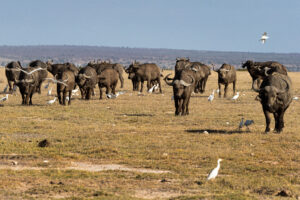
- Buffaloes
- Hippos
- Zebras
- Wildebeest
- Spotted hyenas
- Jackals
- Gazelles
- Warthogs
- Flamingos and other waterbirds
Ngorongoro is often described as one of Africa’s best places for seeing several iconic species during a single game drive. Sightings can never be guaranteed because the animals are wild, but the crater’s high wildlife density creates excellent viewing opportunities.
The Ngorongoro Crater Safari Experience
A typical crater safari begins early in the morning. After completing the entrance formalities, your guide drives down the steep road to the crater floor. The changing view during the descent is part of the experience: the broad grassland, lakes, forests, and distant animals gradually become visible below.
Once inside, your guide follows established tracks while interpreting animal behavior, identifying birds, and searching for wildlife. The crater floor supports both predators and prey, making interactions particularly fascinating.
Lunch is usually enjoyed at a designated picnic location. Hippo Pool is a popular stop, offering travelers a chance to rest while observing the surrounding scenery. After lunch, the game drive continues before the vehicle climbs back toward the crater rim.
Staying near the rim or in the nearby Karatu highlands makes an early descent easier and provides beautiful views, cooler air, and convenient access to the conservation area.
Wildlife Highlights in Ngorongoro
Black Rhinoceroses
Ngorongoro is one of Tanzania’s important refuges for the endangered black rhinoceros. These animals are sometimes visible on the open crater floor, although sightings are often from a distance.
Patience, binoculars, and an experienced guide improve the possibility of locating them. Kilipath African Safaris equips safari vehicles appropriately and works with knowledgeable local guides familiar with the animals’ usual movements.
Lions and Other Predators
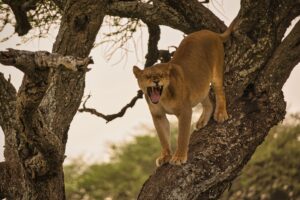
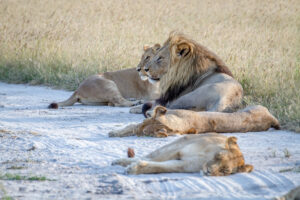
The crater supports a notable population of lions. Visitors may see them resting in grassland, walking near safari vehicles, or observing herds of wildebeest and zebra.
Spotted hyenas are also common and play an important ecological role. Golden jackals and other smaller predators may be encountered, while leopards are more elusive and tend to favor wooded areas.
Elephants
Ngorongoro’s elephants are often mature bulls. Some have impressive tusks and are seen around the Lerai Forest or other areas with suitable food and water.
Breeding herds are less commonly seen on the open floor, making destinations such as Tarangire, Ruaha, and Nyerere valuable additions for travelers particularly interested in elephants.
Flamingos and Birdlife
Depending on water conditions, flamingos may gather around Lake Magadi. The crater also supports crowned cranes, ostriches, kori bustards, raptors, waterbirds, and numerous grassland species.
For bird lovers, combining Ngorongoro with Southern Tanzania significantly expands the range of habitats and species that can be observed.
Exploring Tanzania’s Southern Circuit
The Southern Circuit feels spacious, peaceful, and adventurous. Its parks receive fewer visitors than many Northern Circuit destinations, allowing travelers to enjoy wildlife encounters with fewer vehicles nearby.
The principal destinations that can be combined with Ngorongoro are Nyerere, Ruaha, and Mikumi. The best selection depends on the duration of your vacation, your budget, seasonal conditions, and the activities you prefer.
Nyerere National Park
Nyerere National Park is one of Africa’s largest protected wilderness areas. It was created from part of the former Selous Game Reserve and contains diverse environments shaped by the Rufiji River.
The river system, lakes, channels, woodland, and open plains support an impressive variety of wildlife. Nyerere is especially appealing because it offers more than conventional game drives.
Possible activities include:
- Traditional game drives
- Boat safaris along the Rufiji River
- Guided walking safaris where offered
- Birdwatching
- Photography
- Sundowner experiences
- Relaxation at riverfront camps
Boat Safaris in Nyerere
A boat safari offers a completely different perspective from a game drive. From the water, visitors may observe hippos, crocodiles, elephants, buffaloes, waterbirds, and animals approaching the river to drink.
The light around the Rufiji River can be especially attractive in the late afternoon. Reflections, silhouettes, and riverbank activity create excellent photographic opportunities.
Wildlife in Nyerere
The park supports elephants, lions, buffaloes, giraffes, zebras, hippos, crocodiles, antelopes, and many bird species. It is also associated with African wild dogs, although these wide-ranging and endangered predators are never guaranteed to appear.
Nyerere works particularly well for travelers who value varied activities and beautiful waterside landscapes.
Ruaha National Park
Ruaha is one of Tanzania’s most rewarding parks for experienced safari travelers. It is known for rugged scenery, rocky hills, baobab trees, seasonal rivers, and an atmosphere of genuine remoteness.
The Great Ruaha River is an important source of water, particularly during the dry season. Animals frequently gather near the remaining pools and river channels, creating exciting wildlife encounters.
Ruaha is famous for:
- Large elephant populations
- Strong lion populations
- Beautiful baobab landscapes
- Greater and lesser kudu
- Predators and scavengers
- Excellent birdwatching
- Remote camps
- Limited vehicle traffic
Predator Viewing in Ruaha
Ruaha supports lions, leopards, cheetahs, spotted hyenas, and other carnivores. The park’s large size means sightings require skilled tracking and patience, but encounters can feel private and authentic.
The opportunity to watch wildlife without a crowd of vehicles is one of Ruaha’s greatest attractions.
Elephants and Baobabs
Elephants moving among ancient baobab trees create some of Southern Tanzania’s most memorable scenes. These landscapes are visually distinctive and especially attractive to photographers.
Ruaha is an ideal choice for travelers seeking a wild, remote destination and who are comfortable spending several nights in one park.
Mikumi National Park
Mikumi is one of the most accessible destinations in the Southern Circuit. Its open plains and woodland support elephants, giraffes, buffaloes, lions, zebras, wildebeest, antelopes, and many birds.
The park is often included in road-based itineraries from Dar es Salaam or used as part of a longer journey involving Udzungwa or Ruaha.
Mikumi can be suitable for travelers who:
- Have fewer vacation days
- Prefer a more affordable Southern Circuit safari
- Want a road-based itinerary
- Are combining safari with Dar es Salaam
- Want to add another park without extensive flying
Although Mikumi is easier to access, visitors should still allow enough time for game drives and travel rather than attempting to cover too many destinations quickly.
Suggested 10-Day Combined Safari Itinerary
Day 1: Arrival in Arusha
Arrive at Kilimanjaro International Airport or Arusha Airport, where a Kilipath African Safaris representative will welcome you. Transfer to your hotel in Arusha for check-in, relaxation, and a safari briefing.
Depending on your arrival time, optional activities can include an Arusha city tour, local market visit, coffee experience, or time at the Cultural Heritage Centre.
Day 2: Arusha to Ngorongoro Highlands
After breakfast, travel from Arusha toward the Ngorongoro highlands. The journey passes local communities, farmland, and the busy town of Mto wa Mbu.
Depending on your customized itinerary, you may visit a Maasai community, explore Karatu, or enjoy a relaxed afternoon at your lodge. Dinner and overnight will be near Ngorongoro or on the crater rim.
Day 3: Ngorongoro Crater Safari
After an early breakfast, descend into Ngorongoro Crater for an extensive game drive. Search for lions, elephants, buffaloes, rhinoceroses, zebras, wildebeest, hyenas, and numerous birds.
Enjoy a picnic lunch inside the conservation area before continuing the safari. During the afternoon, ascend from the crater and return to your lodge.
Day 4: Transfer to Southern Tanzania
After breakfast, transfer to the appropriate airport for your flight toward Southern Tanzania. Depending on flight schedules, the journey may connect through Arusha, Kilimanjaro, Dar es Salaam, or Zanzibar.
Upon arrival at the selected airstrip, a safari guide from your Southern Circuit camp will welcome you and transfer you to the accommodation. If time allows, enjoy an introductory game drive.
Day 5: Full-Day Nyerere Game Drive
Spend the day exploring Nyerere National Park. Follow wildlife tracks through woodland and open areas while searching for elephants, giraffes, buffaloes, lions, antelopes, and wild dogs.
Lunch may be served at the camp or enjoyed as a picnic in the park, depending on the day’s arrangements.
Day 6: Boat Safari and Game Drive
Begin with a morning game drive or guided activity. Later, enjoy a boat safari on the Rufiji River, observing hippos, crocodiles, waterbirds, and animals approaching the riverbanks.
Return to your camp for dinner and an evening surrounded by the sounds of the African wilderness.
Day 7: Fly to Ruaha National Park
Transfer to the airstrip and fly to Ruaha National Park. On arrival, meet your Ruaha guide and continue to the camp, with wildlife viewing along the way.
The combination of Nyerere and Ruaha introduces a dramatic change from river scenery to dry woodland, baobab country, and rocky wilderness.
Day 8: Full-Day Ruaha Safari
Enjoy a full day of wildlife viewing in Ruaha. Explore areas near the Great Ruaha River and search for elephants, lions, leopards, kudu, giraffes, and other animals.
Your guide will select routes based on seasonal wildlife movements and current sightings.
Day 9: Second Full Day in Ruaha
A second full day allows you to explore Ruaha without rushing. Wildlife does not follow a schedule, and additional time increases the possibility of meaningful sightings and animal behavior.
You may enjoy morning and afternoon game drives or another camp activity, depending on your accommodation.
Day 10: Departure
After breakfast and a final activity, transfer to the airstrip for a flight to Dar es Salaam, Zanzibar, Arusha, or another available destination.
You may continue to Zanzibar for a beach holiday or connect with your international departure arrangements.
Alternative 8-Day Itinerary
Travelers with limited time can choose:
- Arrival in Arusha
- Transfer to Ngorongoro
- Ngorongoro Crater safari
- Fly to Nyerere
- Full-day game drive
- Boat safari and game drive
- Final Nyerere activities
- Fly to Dar es Salaam or Zanzibar
This itinerary offers the contrast between Ngorongoro and Southern Tanzania without trying to cover too many parks.
Extended 12–14-Day Vacation
Travelers wanting a slower and more complete experience can combine:
- Arusha
- Tarangire National Park
- Ngorongoro Crater
- Nyerere National Park
- Ruaha National Park
- Zanzibar
The additional days allow more wildlife viewing, fewer hurried transfers, and time to enjoy each lodge or camp. This option works particularly well for honeymooners, photographers, and repeat safari travelers.
Best Time for This Vacation
A combined safari can be arranged throughout much of the year, but every season creates a different experience.
June to October
The dry season is generally excellent for wildlife viewing. Vegetation becomes thinner and animals gather near rivers, springs, and permanent water sources.
These months are particularly popular in Ruaha and Nyerere. Mornings can be cool in Ngorongoro, especially around the crater rim, so warm clothing is recommended.
November to December
Short rains may transform the landscape into fresh green scenery. These months can offer beautiful light, fewer visitors, migratory birds, and attractive photography.
Rainfall varies from year to year and usually does not mean continuous rain throughout the day.
January to March
This period can offer green landscapes, warm temperatures, active birdlife, and good general wildlife viewing. It may also be an excellent time to combine the safari with other Northern Tanzania destinations.
April and May
The long-rain period is quieter, and some Southern Circuit camps may close temporarily because of road or access conditions. Travelers considering these months should request current information before booking.
The advantage can be fewer visitors and seasonal rates, but availability and transport connections require careful confirmation.
How Many Days Do You Need?
A minimum of approximately eight days is recommended when combining Ngorongoro with one Southern Circuit destination. Ten to fourteen days is more comfortable if you want to include both Nyerere and Ruaha.
Trying to combine several distant parks within a short itinerary can result in too much time spent transferring between destinations. A good safari should provide enough time to observe wildlife rather than simply collect destination names.
Kilipath African Safaris will recommend a practical itinerary based on:
- Your available vacation days
- Your international flight schedule
- Your preferred parks
- Your budget
- Domestic flight availability
- Your accommodation preferences
- Whether Zanzibar is included
Accommodation Options
Budget Accommodation
Budget itineraries may use simple lodges, guesthouses, tented camps, or public camping where practical. They prioritize cleanliness, safety, and access to the safari destinations.
Because remote Southern Circuit parks often rely on fly-in camps, the selection of genuinely low-cost accommodation may be more limited than around Arusha or Karatu.
Mid-Range Accommodation
Mid-range lodges and tented camps offer private bathrooms, comfortable beds, good meals, and convenient locations. This category provides an attractive balance between comfort and price.
Luxury Accommodation
Luxury camps may offer spacious suites, high-quality dining, exceptional locations, swimming pools, private decks, personalized service, and smaller safari groups.
Some properties include game drives and other activities within their accommodation packages. The precise inclusions should always be checked when comparing quotations.
Private Safari or Shared Safari?
A combined Northern and Southern Circuit vacation is usually best arranged privately or as a customized fly-in itinerary.
Advantages of a Private Safari
- Flexible daily schedule
- Private safari vehicle in road-based sections
- Greater control over photography stops
- Accommodation selected around your preferences
- Personalized airport transfers
- Easier planning for families or special occasions
- Ability to adapt the itinerary within park rules
Shared safaris are usually based on fixed routes and departure dates. They may be available for individual sections, but connecting Ngorongoro with remote Southern Circuit destinations is generally more complicated in a shared arrangement.
Road Safari Versus Fly-In Safari
Road Safari
Road travel can be more affordable and allows visitors to observe rural communities and changing landscapes. It works particularly well around Arusha, Karatu, Ngorongoro, Mikumi, and destinations linked by suitable roads.
However, the distance between Ngorongoro and the major Southern Circuit parks is substantial. Driving the entire journey is not ideal for most travelers with limited time.
Fly-In Safari
Flying saves time and provides aerial views of Tanzania’s landscapes. Small aircraft connect cities and safari airstrips, allowing guests to reach remote camps more comfortably.
Luggage limits are normally stricter on small aircraft, and soft-sided bags are generally recommended. Exact baggage allowances depend on the airline and should be confirmed before departure.
What Is Normally Included?
Your exact package will depend on the selected itinerary, but safari quotations commonly include:
- Airport pickup and agreed transfers
- Private 4×4 safari vehicle where specified
- Professional English-speaking safari guide
- Park and conservation fees
- Ngorongoro Crater service fees
- Accommodation stated in the itinerary
- Meals according to the meal plan
- Drinking water during road-based game drives
- Domestic flights when clearly listed
- Government taxes
- Scheduled activities stated in the itinerary
What Is Normally Excluded?
Unless specifically included, the following may be excluded:
- International flights
- Tanzania visa costs
- Travel and medical insurance
- Alcoholic and premium beverages
- Optional activities
- Personal purchases
- Laundry at some accommodations
- Tips for guides and camp staff
- Vaccinations and medical expenses
- Changes caused by missed flights
- Extra accommodation outside the itinerary
Always read the final quotation carefully because inclusions vary between packages and accommodation providers.
Packing for Ngorongoro and Southern Tanzania
Because the destinations have different climates, layered clothing is the most practical choice.
Recommended items include:
- Neutral-colored safari clothing
- Warm fleece or jacket
- Lightweight long-sleeved shirts
- Comfortable trousers or shorts
- Closed walking shoes
- Sandals for the lodge
- Wide-brimmed hat
- Sunglasses
- Sunscreen
- Insect repellent
- Personal medication
- Camera and spare batteries
- Binoculars
- Soft-sided travel bag
- Reusable water bottle
- Copies of important documents
Ngorongoro’s rim can be cold in the early morning, while Southern Tanzania may become considerably warmer during the day.
Avoid carrying unnecessary heavy luggage, especially when using domestic flights.
Safari Photography Tips
This vacation offers excellent opportunities to photograph wildlife, landscapes, rivers, crater walls, baobab trees, and local scenery.
For stronger results:
- Carry extra batteries and memory cards
- Use a telephoto lens for wildlife
- Keep a wider lens ready for landscapes
- Support the camera securely inside the vehicle
- Avoid sudden movements around animals
- Follow your guide’s safety instructions
- Protect equipment from dust
- Ask the guide to position the vehicle when possible
- Remain patient and observe animal behavior
Private safaris are particularly useful for photographers because there is more flexibility regarding the duration of sightings and vehicle positioning.
Adding Zanzibar to Your Safari
Zanzibar is a natural extension to a combined Tanzania safari. After several days of early game drives and wilderness travel, visitors can relax beside the Indian Ocean.
A Zanzibar extension may include:
- Stone Town
- Spice farm tour
- Beach accommodation
- Snorkeling
- Diving
- Traditional dhow sailing
- Prison Island
- Jozani Forest
- Cultural and food experiences
Flights connect Zanzibar with several mainland destinations and safari regions, although schedules vary. Kilipath African Safaris can help coordinate the safari and beach components to reduce unnecessary travel.
Responsible Safari Travel
Responsible tourism helps protect Tanzania’s ecosystems and creates benefits for surrounding communities.
Travelers should:
- Never feed wild animals
- Remain inside the vehicle unless the guide permits otherwise
- Avoid loud noise near wildlife
- Do not remove plants, rocks, or natural objects
- Reduce single-use plastic where possible
- Respect photography rules in local communities
- Follow designated routes and park regulations
- Support reputable local guides and businesses
- Keep a safe distance from animals
- Follow all instructions during walking or boat activities
A responsible safari protects both travelers and wildlife while helping preserve these destinations for future generations.
Who Is This Safari Best For?
Couples and Honeymooners
Private vehicles, remote camps, beautiful scenery, and optional Zanzibar extensions make this combination ideal for romantic travel.
Families
Families can enjoy educational wildlife experiences and private scheduling. The ages of children should be considered because some walking safaris or camp activities have minimum-age requirements.
Wildlife Photographers
The contrasting environments provide varied subjects, from Ngorongoro’s crater landscapes to Nyerere’s waterways and Ruaha’s baobab country.
Repeat Visitors to Africa
Travelers who have previously visited popular safari routes often appreciate the privacy and wilderness atmosphere of Southern Tanzania.
Adventure Travelers
Boat safaris, remote camps, small-aircraft transfers, and walking activities introduce variety beyond traditional vehicle-based wildlife viewing.
Why Book with Kilipath African Safaris?
Kilipath African Safaris is based in Tanzania and understands the practical details required to connect different regions successfully.
We provide:
- Personalized safari planning
- Professional and knowledgeable guides
- Comfortable 4×4 safari vehicles
- Carefully selected accommodation
- Airport and hotel transfer assistance
- Domestic-flight coordination
- Flexible private itineraries
- Family, honeymoon, and photography options
- Clear communication before and during the safari
- Local support throughout your vacation
Our goal is to create a well-paced journey that matches your interests rather than offering one itinerary to every traveler.
Book Your Tanzania Safari Vacation
A Ngorongoro Crater safari Southern Circuit vacation combines one of Africa’s most famous natural wonders with Tanzania’s quieter and more remote wilderness areas. From the wildlife-rich floor of Ngorongoro Crater to the Rufiji River in Nyerere and the baobab landscapes of Ruaha, every stage introduces a new environment and style of safari.
Contact Kilipath African Safaris with your travel dates, number of guests, preferred accommodation level, and total vacation duration. Our team will prepare a personalized itinerary and quotation that suits your interests and budget.
Plan your Ngorongoro Crater and Southern Circuit adventure with Kilipath African Safaris and discover the extraordinary variety of Tanzania.