A Lake Manyara safari Southern Circuit trip offers travelers an opportunity to experience two very different sides of Tanzania. Lake Manyara introduces you to the beautiful landscapes of the Great Rift Valley, while Tanzania’s Southern Circuit delivers remote wilderness, fewer safari vehicles, boat safaris, walking experiences, and extensive wildlife habitats.
Lake Manyara National Park is compact compared with Serengeti, Ruaha, or Nyerere, but its concentration of varied scenery makes it an excellent addition to a Tanzania safari. During one game drive, travelers can pass through groundwater forest, open grassland, woodland, marshes, hot springs, and the shores of an alkaline lake.
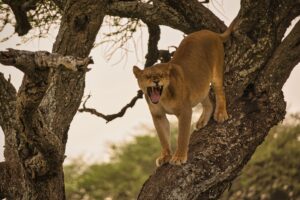
The park is known for elephants, large troops of baboons, giraffes, zebras, buffaloes, hippos, monkeys, waterbirds and, when fortunate, its famous tree-climbing lions. Its location also makes it easy to combine with Tarangire, Ngorongoro Crater and Serengeti before continuing by road or air toward Tanzania’s Southern Circuit.
With Kilipath African Safaris, your itinerary can be customized according to your available time, travel season, preferred accommodation and budget.
Is Lake Manyara in Tanzania’s Southern Circuit?
No. Lake Manyara National Park is geographically located on Tanzania’s Northern Safari Circuit. It is commonly visited from Arusha and combined with:
- Tarangire National Park
- Ngorongoro Crater
- Serengeti National Park
- Lake Eyasi
- Lake Natron
- Arusha National Park
Tanzania’s traditional Southern Circuit includes destinations such as:
- Nyerere National Park
- Ruaha National Park
- Mikumi National Park
- Udzungwa Mountains National Park
- Kitulo National Park
The phrase Lake Manyara safari Southern Circuit trip therefore describes a combined Tanzania itinerary rather than one continuous regional circuit. It is a suitable option for travelers who want to experience the famous northern parks and the quieter wilderness of southern Tanzania in one holiday.
Why Visit Lake Manyara National Park?
Lake Manyara is an excellent safari destination for travelers who value scenery, birdlife and habitat diversity. Although many itineraries allocate only half a day to the park, a carefully planned full-day visit provides a more relaxed experience.
Diverse scenery
The park lies beneath the dramatic wall of the Great Rift Valley. Its scenery changes noticeably as you travel through it. Near the entrance, a groundwater forest creates a cool, green environment filled with ancient trees and troops of monkeys.
The forest gradually opens into woodland, floodplains and areas overlooking Lake Manyara. This diversity supports an impressive mixture of animals within a relatively small area.
Tree-climbing lions
Lake Manyara is widely associated with lions resting in acacia trees. Lions are not guaranteed, and visitors should never select the park based only on this sighting. Nevertheless, seeing one stretched across a branch is an unforgettable safari moment.
Elephant encounters
Elephants are among the park’s major wildlife attractions. They may be seen feeding in woodland, crossing the road or moving through vegetation near the forest.
Because the vegetation can be thick, encounters sometimes happen at surprisingly close range. Your guide will maintain a respectful distance while positioning the vehicle safely for observation and photography.
Primates
Lake Manyara is especially rewarding for visitors interested in primates. Large troops of olive baboons are commonly seen near the forest and along the roads. Blue monkeys and vervet monkeys may also be encountered.
Watching their social behavior—including grooming, feeding, playing and caring for young—is an enjoyable part of the safari.
Birdwatching
Lake Manyara is one of Tanzania’s rewarding destinations for bird enthusiasts. Depending on water levels and seasonal conditions, travelers may encounter flamingos, pelicans, storks, herons, egrets, hornbills, kingfishers and birds of prey.
Flamingo numbers change according to lake conditions, food availability and seasonal movement. They should therefore be treated as a possible highlight rather than a guaranteed sighting.
Wildlife You May See
A Lake Manyara game drive may reveal:
- African elephants
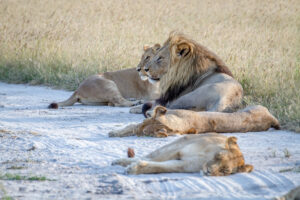
- Lions
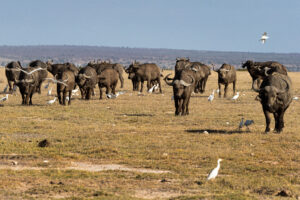
- Buffaloes
- Giraffes
- Zebras
- Wildebeest
- Hippos
- Warthogs
- Bushbucks
- Waterbucks
- Olive baboons
- Blue monkeys
- Vervet monkeys
- Hyenas
- Numerous resident and migratory birds
Leopards also inhabit the ecosystem, but they are elusive and sightings are uncommon. Wildlife viewing changes throughout the year, and no ethical safari company can guarantee a specific wild animal.
The official Tanzania National Parks description of Lake Manyara highlights its Rift Valley landscape, groundwater forests, tree-climbing lions and birdlife.
Best Time for a Lake Manyara Safari
Lake Manyara can be visited throughout the year. The best period depends on the type of experience you prefer.
June to October
The dry season generally offers easier wildlife viewing because animals gather around dependable water sources and vegetation is less dense. Roads are also normally easier to navigate.
This period is suitable for combining Lake Manyara with Tarangire, Ngorongoro and Serengeti. July through October can also be combined with Northern Serengeti for travelers hoping to follow the wildebeest migration near the Mara River.
November to December
Short rains can transform the surroundings into fresh green landscapes. These months may provide attractive photography, active birdlife and fewer visitors than the busiest dry-season months.
Rainfall patterns are unpredictable, so travelers should arrive prepared for both sunshine and short showers.
January to February
January and February are often warm and generally suitable for game drives. Travelers combining Lake Manyara with the Ndutu area may also have an opportunity to experience the wildebeest calving season.
March to May
This is the main green season. The landscape becomes lush, birding can be rewarding, and selected lodges may offer seasonal value. Heavy rain can occasionally affect road conditions and travel times.
For photographers who appreciate greenery, dramatic skies and fewer safari vehicles, this can still be an attractive time to travel.
Lake Manyara Safari Activities
Game drives
A classic game drive is the main activity in Lake Manyara National Park. Safari vehicles normally have a pop-up roof, allowing guests to stand safely and enjoy clear wildlife views.
A knowledgeable guide interprets animal behavior, identifies birds and explains the relationship between the park’s different habitats.
Birdwatching
Dedicated birdwatching can be incorporated into a private safari. Tell Kilipath African Safaris in advance if birding is a major interest so that the itinerary can allow more time around productive habitats.
Treetop walkway
A treetop walkway operates near Lake Manyara and provides a different perspective of the surrounding forest. This activity is usually arranged separately from the standard national park game drive and may involve an additional fee.
Cultural experiences in Mto wa Mbu
Mto wa Mbu is a lively town close to the park entrance. Depending on the itinerary, travelers may add a cultural tour featuring local farms, markets, traditional food, artisans or village life.
A responsible cultural experience should be respectful, locally led and designed to create meaningful benefits for the host community.
Cycling and walking experiences
Guided cycling or walking activities may be available outside the national park. These experiences allow travelers to explore the surrounding countryside at a slower pace. Activities inside protected areas must follow the relevant park regulations.
How to Reach Lake Manyara
From Arusha
Most Lake Manyara safaris begin in Arusha. The journey generally takes approximately two to three hours, depending on traffic, road conditions and the exact departure point.
Travelers can leave Arusha in the morning, enjoy a game drive and spend the night in Mto wa Mbu or Karatu.
From Tarangire
Lake Manyara can easily be visited before or after Tarangire National Park. This combination works especially well in a short two- or three-day safari.
From Ngorongoro
Karatu and the Ngorongoro Conservation Area are conveniently located for combining the crater with Lake Manyara. Many itineraries visit Lake Manyara first and continue to Karatu for the night.
From Southern Tanzania
Travelers coming from Nyerere or Ruaha will normally connect through Dar es Salaam, Zanzibar or Arusha using scheduled flights and ground transfers. Direct connections depend on the season and current airline schedules.
For a comfortable combined itinerary, flying between northern and southern Tanzania is usually more practical than attempting the entire journey by road.
Suggested Combined Safari Itinerary
Day 1: Arrival in Tanzania
Arrive at Kilimanjaro International Airport, where a Kilipath African Safaris representative welcomes you. Transfer to your accommodation in Arusha for dinner and an overnight stay.
Day 2: Arusha to Lake Manyara
After breakfast, drive through Tanzania’s countryside toward Lake Manyara National Park. Enter the park for a game drive through the groundwater forest, woodland and open areas near the lake.
Look for elephants, baboons, buffaloes, giraffes, zebras and diverse birdlife. After the game drive, continue to Mto wa Mbu or Karatu for dinner and overnight.
Day 3: Ngorongoro Crater
Travel to the Ngorongoro Conservation Area and descend into the crater. The crater supports an extraordinary concentration of wildlife, including lions, elephants, buffaloes, zebras, wildebeest, hippos and, occasionally, black rhinos.
Enjoy a picnic lunch before returning to Karatu or continuing according to your chosen itinerary.
Day 4: Tarangire National Park
Visit Tarangire, a park famous for baobab trees, elephants and seasonal wildlife activity along the Tarangire River. The park provides a beautiful contrast to Lake Manyara’s forests and Rift Valley scenery.
Return to Arusha after the game drive or spend the night near Tarangire.
Day 5: Fly to Southern Tanzania
Transfer to the airport for a scheduled flight toward Nyerere or Ruaha. Upon arrival, meet your southern safari guide and transfer to your lodge or tented camp.
Depending on the schedule, you may enjoy an afternoon activity.
Days 6–7: Nyerere National Park
Explore Nyerere through game drives and, where available, boat or guided walking activities. Its rivers, lakes, woodland and broad plains provide habitats for elephants, lions, hippos, crocodiles, buffaloes and many bird species.
A boat safari creates a different experience from the traditional vehicle-based game drives of northern Tanzania.
Days 8–10: Ruaha National Park
Fly or transfer to Ruaha National Park. Ruaha is known for rugged wilderness, baobab-covered landscapes, predators and significant elephant populations.
Spend several days exploring different areas of the park. Longer stays improve the chances of observing wildlife behavior without rushing between destinations.
Day 11: Departure or Zanzibar extension
Fly to Dar es Salaam, Arusha or Zanzibar. Travelers continuing to Zanzibar can relax on the beach, visit Stone Town, enjoy a spice tour or add marine activities.
All flight connections should be confirmed according to current operating schedules.
Shorter Lake Manyara Itinerary
Travelers with limited time can select a shorter Northern Circuit option.
Three-day safari
- Day 1: Arusha to Tarangire National Park
- Day 2: Ngorongoro Crater
- Day 3: Lake Manyara National Park and return to Arusha
Four-day safari
- Day 1: Arusha to Tarangire
- Day 2: Tarangire to Serengeti
- Day 3: Serengeti to Ngorongoro
- Day 4: Ngorongoro Crater and return to Arusha
Lake Manyara can replace Tarangire or be added as an extra day according to the season and traveler priorities.
Accommodation Options
Budget accommodation
Budget trips may use public campsites, simple guesthouses or basic lodges outside the park. Camping offers an adventurous atmosphere and helps keep the total safari price manageable.
Mid-range accommodation
Mid-range lodges and tented camps usually provide private rooms or tents, en-suite bathrooms, comfortable beds and restaurant service. Many are situated in Mto wa Mbu, Karatu or along the Rift Valley escarpment.
This category works well for couples, families and first-time safari travelers seeking comfort without the cost of a luxury property.
Luxury accommodation
Luxury lodges may offer spacious suites, elevated views, swimming pools, personalized service and refined dining. Some properties overlook the Rift Valley or the Lake Manyara ecosystem.
Your accommodation should be chosen according to comfort, location and overall itinerary—not simply its luxury classification.
Private or Shared Safari?
Private safari
A private safari provides a dedicated vehicle and guide. Departure times, game-drive pace and stops can be adjusted to suit your party.
It is particularly suitable for:
- Couples and honeymooners
- Families with children
- Photographers
- Birdwatchers
- Travelers with specific interests
- Guests combining northern and southern Tanzania
- Travelers requiring greater flexibility
Shared safari
A shared safari allows travelers to join other guests and divide some vehicle expenses. It is more affordable but operates on a fixed itinerary.
Shared trips normally cannot be customized to include complex flight connections or remote Southern Circuit destinations. A private arrangement is generally more practical for a combined Lake Manyara and Southern Tanzania journey.
How Much Does the Trip Cost?
The cost of a Lake Manyara safari Southern Circuit trip depends on:
- Number of travelers
- Length of the safari
- Private or shared arrangement
- Accommodation category
- Domestic flight prices
- Travel season
- Number of park visits
- Optional cultural or walking activities
- Airport transfers
- Zanzibar extensions
- Single-room supplements
A short Lake Manyara safari is significantly less expensive than an extended itinerary combining Nyerere and Ruaha. Southern Circuit flights and remote accommodation can increase the total price, but they also reduce long road transfers and provide access to quieter wilderness areas.
Kilipath African Safaris prepares personalized quotations because flight fares, accommodation availability and park charges can change. The current official conservation charges can be reviewed on the TANAPA park tariffs page.
What Is Usually Included?
Depending on the selected package, the safari price may include:
- Professional English-speaking safari guide
- Private or shared 4×4 safari vehicle
- Park entrance and conservation fees
- Accommodation specified in the itinerary
- Meals during the safari
- Drinking water in the safari vehicle
- Airport or hotel transfers
- Game drives
- Domestic flights when stated
- Government taxes and levies
What Is Usually Excluded?
Unless specifically included in your quotation, the following may be excluded:
- International flights
- Tanzania visa
- Travel insurance
- Tips for guides and camp staff
- Alcoholic drinks
- Personal purchases
- Optional activities
- Laundry services
- Vaccinations and medical expenses
- Zanzibar activities not listed in the itinerary
Always read the final inclusion and exclusion list before confirming your booking.
What to Pack
Recommended items include:
- Lightweight neutral-colored clothing
- Warm jacket for early mornings
- Comfortable closed shoes
- Sun hat and sunglasses
- Sunscreen
- Insect repellent
- Binoculars
- Camera and spare batteries
- Personal medication
- Reusable water bottle
- Small backpack
- Rain jacket during wetter months
- Copies of important travel documents
Soft-sided luggage is usually easier to handle, especially when domestic flights are included. Small aircraft may have strict luggage limits, so check the confirmed allowance before departure.
Responsible Safari Travel
Travelers can help protect Tanzania’s natural environment by following simple guidelines:
- Never feed or disturb wild animals.
- Follow the guide’s safety instructions.
- Do not leave the vehicle without permission.
- Avoid shouting around wildlife.
- Do not throw litter in the park.
- Keep a respectful distance from animals.
- Support responsible community experiences.
- Reduce unnecessary single-use plastic.
- Never pressure a guide to drive off-road illegally.
- Choose operators committed to wildlife protection and ethical tourism.
Responsible travel protects the destination and improves the quality of the safari experience.
Why Book With Kilipath African Safaris?
Kilipath African Safaris creates personalized Tanzania adventures based on each traveler’s interests, timing and budget. From your first inquiry until the end of your journey, our team assists with itinerary planning, accommodation, transfers and safari logistics.
Guests can benefit from:
- Customized private safari itineraries
- Knowledgeable local guides
- Well-equipped 4×4 safari vehicles
- Carefully selected accommodation
- Airport and hotel transfer assistance
- Northern and Southern Circuit combinations
- Zanzibar holiday extensions
- Support before and throughout the safari
Whether you want a short Lake Manyara game drive or an extensive journey across northern and southern Tanzania, we can design a comfortable and realistic itinerary.
Plan Your Tanzania Safari
A Lake Manyara safari Southern Circuit trip brings together the scenic variety of northern Tanzania and the remote character of the south. Lake Manyara offers forests, Rift Valley scenery, elephants, primates and colorful birdlife, while Nyerere and Ruaha provide vast landscapes and a quieter wilderness experience.
Contact Kilipath African Safaris for a personalized itinerary based on your travel dates, number of guests, preferred accommodation and budget. Our team will help you create a rewarding Tanzania safari from arrival to departure.