A Tanzania safari tour Northern Circuit experience takes you through some of Africa’s most celebrated wildlife destinations. From the elephant-rich landscapes of Tarangire National Park to the endless plains of the Serengeti and the remarkable concentration of animals inside the Ngorongoro Crater, every destination offers a different perspective on Tanzania’s natural beauty.
Kilipath African Safaris organizes private and shared Northern Circuit safaris for solo travelers, couples, families, photographers, and groups. Each itinerary can be designed around your travel dates, preferred accommodation, budget, and the number of days you have available.
Whether you want a short three-day adventure or a comprehensive seven-day wildlife journey, the Northern Circuit provides excellent opportunities to observe lions, elephants, giraffes, zebras, wildebeest, buffaloes, hippos, cheetahs, and many other animals in their natural habitats.
Why Choose Tanzania’s Northern Safari Circuit?
The Northern Circuit is Tanzania’s most famous safari region because it combines diverse landscapes, abundant wildlife, reliable tourism infrastructure, and several internationally recognized protected areas.
A single itinerary can include open savannah, volcanic highlands, acacia woodland, seasonal wetlands, lakes, rivers, and the floor of an ancient volcanic caldera. This diversity supports an impressive variety of mammals and birds.
The main Northern Circuit destinations include:
Tarangire National Park
Serengeti National Park
Ngorongoro Conservation Area
Ngorongoro Crater
Lake Manyara National Park
Arusha National Park
Lake Natron
Lake Eyasi
Most Northern Circuit safaris begin in Arusha, Tanzania’s main gateway to the region. Arusha can be reached through Kilimanjaro International Airport or Arusha Airport.
Highlights of Our Tanzania Safari Tour Northern Circuit Experience
A Northern Circuit safari with Kilipath African Safaris can include:
Game drives in a private or shared 4×4 safari vehicle
Professional English-speaking safari guide
Guaranteed window or viewing position
Visits to Tanzania’s leading national parks
Opportunities to search for the Big Five
Accommodation in campsites, lodges, tented camps, or luxury properties
Full-board meals during the safari
Drinking water throughout the journey
Park entrance and conservation fees
Airport or hotel transfers where specified
Optional cultural and community visits
Optional Serengeti balloon safari
Customized itineraries for couples, families, and groups
Wildlife remains completely free to move through these protected areas. Sightings cannot be guaranteed, but our guides use their local knowledge and experience to maximize every guest’s wildlife-viewing opportunities.
Destinations on the Northern Circuit
Tarangire National Park
Tarangire National Park is an excellent introduction to a Tanzania safari. The park is known for its large elephant population, ancient baobab trees, seasonal wetlands, and the Tarangire River.
During the dry season, the river becomes an essential water source. Elephants, zebras, wildebeest, giraffes, buffaloes, and antelopes gather around the remaining water. Predators such as lions, leopards, cheetahs, and hyenas may also be observed.
The park’s landscape is very different from the wide plains of the Serengeti. Its baobab trees, river valleys, woodlands, and open grasslands provide varied photographic backgrounds.
Tarangire is particularly rewarding between June and October, although it can be visited throughout the year. The green season brings colorful scenery, migratory birds, and fewer vehicles in some areas.
Serengeti National Park
Serengeti National Park is often the centerpiece of a Tanzania safari tour Northern Circuit experience. Its name is associated with extensive grasslands, dramatic predator activity, and the annual Great Wildebeest Migration.
The Serengeti ecosystem supports lions, leopards, cheetahs, elephants, buffaloes, giraffes, hippos, crocodiles, hyenas, jackals, servals, and numerous antelope species. More than 500 bird species have also been recorded across the wider ecosystem.
The national park is divided into several major safari regions.
Central Serengeti
Central Serengeti, especially the Seronera area, offers productive wildlife viewing throughout the year. Permanent water sources attract resident animals, while the rocky kopjes provide resting and observation points for lions and other predators.
Central Serengeti is suitable for first-time visitors, short safaris, and travelers visiting outside the main migration periods.
Southern Serengeti and Ndutu
The southern plains and Ndutu region become particularly important during the calving season. Large wildebeest herds generally gather in this ecosystem between December and April, with the main calving period usually occurring between January and February.
Thousands of calves are born during a relatively short period. The abundance of young animals attracts lions, cheetahs, hyenas, and other predators.
Because migration movements depend on rainfall and grazing conditions, exact herd locations can change every year.
Western Serengeti
The Western Corridor is known for the Grumeti River and the surrounding woodland and grassland habitats. Migrating herds may travel through this region approximately between May and July.
The river contains crocodiles and hippos, while the surrounding area supports elephants, giraffes, predators, and resident plains animals.
Northern Serengeti
Northern Serengeti is famous for the Mara River and possible migration river crossings. Large herds commonly move through the northern ecosystem from July to October, although timing depends on rainfall.
The region is more remote than Central Serengeti and normally requires additional travel time, an internal flight, or a longer private itinerary. River crossings are natural events and cannot be scheduled or guaranteed.
Ngorongoro Conservation Area
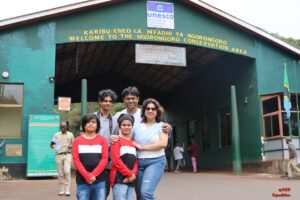
The Ngorongoro Conservation Area connects the Serengeti plains with the highlands around the Ngorongoro Crater. It is a multiple-use conservation area where wildlife and local Maasai communities share the wider landscape.
Visitors traveling between Serengeti and the crater pass through highland forests, open plains, and traditional pastoral areas. Depending on the itinerary, cultural visits and stops at historical sites may be added.
Ngorongoro Crater
The Ngorongoro Crater is one of Tanzania’s most concentrated wildlife-viewing destinations. The caldera floor contains grassland, forest, wetlands, and freshwater habitats that support a wide range of animals.
Common sightings may include:
Lions
Elephants
Buffaloes
Zebras
Wildebeest
Hippos
Spotted hyenas
Jackals
Gazelles
Warthogs
The crater is also one of Tanzania’s important areas for searching for the endangered black rhinoceros. However, rhinos may be distant, and sightings are never guaranteed.
Most crater tours begin early in the morning. Safari vehicles descend along designated roads and spend several hours exploring the floor before returning to the rim.
Because entry time is limited by conservation regulations, an early start helps guests make effective use of their visit.
Lake Manyara National Park
Lake Manyara National Park is located beneath the dramatic wall of the Great Rift Valley. Although smaller than Tarangire and Serengeti, it contains diverse habitats within a relatively compact area.
The park includes groundwater forest, open grassland, acacia woodland, wetlands, and the alkaline lake. Wildlife may include elephants, giraffes, buffaloes, baboons, monkeys, zebras, hippos, antelopes, and various bird species.
Lake Manyara is sometimes associated with tree-climbing lions, but these animals are not seen on every visit. The park is often added to five-day or longer Northern Circuit itineraries.
Arusha National Park
Arusha National Park is a convenient destination for travelers who want a short wildlife or nature experience near Arusha. Its attractions include Mount Meru, the Momella Lakes, forest habitats, and the Ngurdoto Crater.
The park is known for giraffes, buffaloes, zebras, warthogs, monkeys, flamingos, and other birds. It is also one of the Northern Circuit destinations where guided walking and canoeing may be available.
Arusha National Park is not normally selected for classic Big Five viewing, but it is a rewarding addition for visitors who enjoy scenery, hiking, and birdwatching.
Suggested Seven-Day Northern Circuit Safari Itinerary
Day 1: Arusha to Tarangire National Park
Your safari begins after breakfast with collection from your Arusha hotel. You meet your professional guide, receive a short briefing, and depart in a 4×4 safari vehicle.
The drive from Arusha to Tarangire normally takes approximately two to three hours, depending on traffic and your starting location.
After completing the entrance formalities, you begin your first game drive. Explore the river area, baobab-covered plains, woodlands, and seasonal marshes while searching for elephants, giraffes, zebras, wildebeest, buffaloes, and predators.
Lunch is served at a suitable picnic area. Your afternoon game drive continues before you travel to your lodge or campsite for dinner and overnight.
Day 2: Tarangire to Serengeti National Park
After breakfast, leave the Tarangire or Karatu area and travel toward Serengeti National Park. The journey passes through the Ngorongoro Conservation Area, offering views of the highlands and surrounding landscapes.
Depending on road conditions and the itinerary, there may be an optional stop at a Maasai community or Olduvai Gorge. These experiences should be arranged in advance because additional fees can apply.
Continue toward the Serengeti entrance and begin an en-route game drive after entering the national park. Wildlife may appear at any point, so the journey to your camp becomes part of the safari experience.
Arrive at your lodge, tented camp, or campsite in time for dinner and overnight.
Day 3: Full-Day Central Serengeti Game Drive
Start early to explore the Serengeti when animals are often active and temperatures are cooler. Your guide selects the best route based on recent wildlife movements and information shared through the professional guide network.
Search the Seronera Valley, kopjes, river areas, and open plains for lions, leopards, cheetahs, elephants, buffaloes, giraffes, hippos, and large herds of grazing animals.
You may carry a picnic lunch and spend the full day inside the park. Alternatively, depending on your accommodation location, you can return to camp for lunch before continuing with an afternoon game drive.
An optional hot-air balloon safari can be arranged for an additional charge. The balloon activity normally begins before sunrise and is followed by breakfast. Advance booking is strongly recommended, especially during peak season.
Return to your accommodation for dinner and overnight.
Day 4: Serengeti Migration Area or Additional Central Game Drive
The fourth day can be adjusted according to the season.
Between December and April, a private itinerary may explore the Ndutu or southern Serengeti ecosystem. From approximately July to October, travelers interested in the migration can include Northern Serengeti.
Outside these periods, another day in Central Serengeti provides more time to explore different habitats and search for wildlife missed on the previous day.
Migration-focused itineraries should remain flexible because wildebeest movements are controlled by rainfall, water, and fresh grazing rather than a fixed calendar.
After the game drive, return to your selected accommodation for dinner and overnight.
Day 5: Serengeti to Ngorongoro Area
Enjoy a final morning game drive in Serengeti National Park. Early morning can provide another opportunity to see predators, grazing herds, and birds before leaving the park.
After lunch, travel toward the Ngorongoro Conservation Area. Depending on your accommodation, you may stay near the crater rim, in the conservation area, or in Karatu.
Crater-rim properties offer convenient access and impressive views, while accommodation around Karatu often provides a wider selection of prices and facilities.
Arrive at your lodge or campsite for dinner and overnight.
Day 6: Ngorongoro Crater Tour
After an early breakfast, drive to the crater entrance and descend to the floor for a game drive.
The crater supports a high concentration of wildlife within a relatively small area. Explore the grasslands, wetlands, forest, and lake while searching for lions, elephants, buffaloes, hyenas, hippos, zebras, wildebeest, and black rhinos.
Enjoy lunch at a designated picnic site before completing the game drive and ascending from the crater.
Continue to your accommodation in Karatu or near Lake Manyara for dinner and overnight.
Day 7: Lake Manyara National Park to Arusha
After breakfast, enter Lake Manyara National Park for the final game drive of your Northern Circuit safari.
Explore the forest, lake shore, floodplain, and woodland habitats. Look for elephants, giraffes, buffaloes, baboons, monkeys, hippos, zebras, and birds.
After lunch, leave the park and return to Arusha. Depending on your travel schedule, Kilipath African Safaris can arrange a transfer to your hotel, Arusha Airport, or Kilimanjaro International Airport.
Alternative Northern Circuit Safari Lengths
Three-Day Safari
A three-day safari is suitable for travelers with limited time. A popular itinerary includes:
Day 1: Arusha to Serengeti
Day 2: Serengeti to Ngorongoro area
Day 3: Ngorongoro Crater to Arusha
Another option combines Tarangire, Ngorongoro Crater, and Lake Manyara. Travelers who mainly want to visit Serengeti should choose the Serengeti and Ngorongoro route.
Four-Day Safari
A typical four-day program includes:
Tarangire National Park
Serengeti National Park
Serengeti morning game drive
Ngorongoro Crater
This is one of the most popular choices because it combines three major destinations without requiring a very long holiday.
Five-Day Safari
A five-day itinerary provides additional time in Serengeti or includes Lake Manyara. It offers a more relaxed pace than a three- or four-day program.
Six-Day Safari
Six days allow travelers to spend two nights in Serengeti, explore Tarangire, visit Ngorongoro Crater, and potentially add Lake Manyara.
Seven-Day Safari
A seven-day itinerary offers a comprehensive Northern Circuit experience. It is particularly suitable for photographers, honeymoon travelers, families, and visitors who prefer longer game drives without rushing between destinations.
Eight Days or More
Longer private safaris can include Northern Serengeti, Ndutu, Lake Natron, Lake Eyasi, cultural experiences, walking activities, or additional nights in the central Serengeti.
Private and Shared Northern Circuit Safaris
Kilipath African Safaris offers both private and shared safari options.
Private Safari
On a private safari, the vehicle and guide are reserved for your booking. This provides greater flexibility over departure times, rest stops, game-drive duration, and the general pace of the trip.
Private safaris are recommended for:
Families with children
Couples and honeymooners
Wildlife photographers
Travelers visiting Northern Serengeti or Ndutu
Groups of friends
Guests with special dietary or mobility requirements
Travelers who prefer a flexible itinerary
A private safari does not mean that the parks themselves are private. You will still share wildlife-viewing areas with other visitors.
Shared Safari
A shared safari allows individual travelers or small parties to join other guests in the same safari vehicle. It is usually more affordable because transportation and operational costs are divided among the participants.
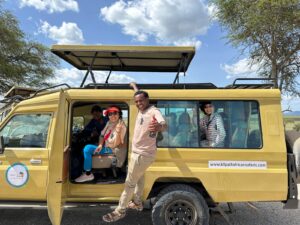
Our shared safaris generally use a 4×4 Land Cruiser with a pop-up roof. Group size can be up to seven guests, with each traveler provided with a viewing or window position.
Shared tours follow a fixed itinerary and schedule. Major changes, such as traveling to Northern Serengeti or adding extra nights, normally require a private safari.
Safari Vehicle and Guide
Transportation is an important part of any Tanzania safari tour Northern Circuit experience.
Our safaris operate in specially prepared 4×4 Toyota Land Cruisers. Depending on the specific vehicle and package, features may include:
Pop-up roof for wildlife viewing
Individual viewing positions
Charging sockets
Cooler or refrigerator
Seatbelts
First-aid kit
Radio communication
Binoculars
Space for appropriate safari luggage
Your guide is responsible for driving, explaining wildlife behavior, identifying animals and birds, coordinating park entry procedures, and selecting productive game-drive routes.
English-speaking guides are available for private and shared safaris. Guides who speak French, Spanish, Italian, or German may be arranged for private safaris upon request and subject to availability.
Accommodation Options
Public Camping
Camping is the most economical way to experience the Northern Circuit. Packages can include tents, mattresses, sleeping bags, pillows, meals, and the services of a safari chef.
Public campsites usually have shared toilet and shower facilities. Campsites inside wildlife areas are not fenced, so guests must follow all instructions provided by the guide and camp staff.
Budget Lodges
Budget lodges offer basic private rooms and essential facilities. They are suitable for travelers who want permanent accommodation while keeping costs controlled.
Mid-Range Lodges and Tented Camps
Mid-range accommodation provides a comfortable balance between price and quality. Rooms or permanent tents normally include private bathrooms, proper beds, and dining facilities.
A tented camp is not the same as a basic camping tent. Many permanent tented camps provide beds, en-suite bathrooms, electricity, attentive service, and impressive locations close to wildlife areas.
Luxury Accommodation
Luxury lodges and camps may offer spacious suites, premium dining, swimming pools, personalized service, exclusive locations, and high-quality facilities.
Prices vary significantly based on the property, season, room category, and availability.
What Is Included?
A standard Northern Circuit safari package may include:
Transportation in a 4×4 safari vehicle
Professional safari guide
National park entrance fees
Ngorongoro conservation and crater fees
Accommodation specified in the itinerary
Meals during the safari
Drinking water
Game drives
Government taxes and levies
Hotel or airport transfers stated in the quotation
Camping equipment and chef for camping packages
Always check your final quotation and itinerary because inclusions can vary between packages.
What Is Not Included?
Unless specifically stated, the following are generally excluded:
International flights
Travel insurance
Visa fees
Vaccinations and personal medication
Optional balloon safari
Optional cultural visits
Alcoholic beverages
Personal shopping
Laundry
Tips for guides and camp staff
Additional accommodation before or after the safari
Activities not listed in the confirmed itinerary
Best Time for a Northern Circuit Safari
The Northern Circuit can be visited throughout the year. The best period depends on your priorities.
January to February
This period is popular for the southern Serengeti and Ndutu calving season. Green landscapes and young wildebeest make it attractive for wildlife enthusiasts and photographers.
March to May
This is Tanzania’s wetter period. Landscapes are green, birdlife is excellent, and some properties offer seasonal rates. Roads can be muddy, and heavy rain may affect travel times.
June to October
These are generally the drier months. Wildlife often gathers near permanent water sources, especially in Tarangire. The northern migration season may occur from July through October.
This is also a popular travel period, so early accommodation reservations are recommended.
November to December
Short rains can refresh the landscape. Migratory birds return, and the wildebeest herds often begin moving toward the southern ecosystem. Rainfall patterns vary from year to year.
Understanding the Great Wildebeest Migration
The Great Migration involves vast numbers of wildebeest, zebras, and gazelles moving through the Serengeti-Mara ecosystem in search of water and fresh grass.
It is a continuous natural cycle rather than a single event. Approximate seasonal patterns include:
December to April: Southern Serengeti and Ndutu
May to June: Central and western areas
July to October: Northern Serengeti and Maasai Mara ecosystem
November to December: Movement back toward the southern plains
These periods are general guidelines. Rainfall can cause the herds to arrive earlier, remain longer, or take different routes.
Kilipath African Safaris designs migration itineraries using seasonal knowledge, but no ethical safari operator can guarantee an exact herd location or river crossing.
How Much Does a Northern Circuit Safari Cost?
The cost depends on:
Number of safari days
Private or shared arrangement
Number of travelers
Accommodation category
Travel season
Parks included
Domestic flights
Optional activities
Airport transfers
Room configuration
Camping and shared safaris are normally the most affordable options. Mid-range private safaris provide additional comfort and flexibility, while luxury packages offer premium properties and services.
Contact Kilipath African Safaris with your dates, number of travelers, accommodation preference, and desired destinations to receive an accurate quotation.
Family Northern Circuit Safaris
The Northern Circuit can be suitable for families when the itinerary is designed around the children’s ages and interests.
A private safari allows families to stop when needed, shorten game drives, carry suitable snacks, and return to the accommodation earlier.
Families should consider:
Choosing lodges that accept children
Avoiding unnecessarily long driving days
Booking family rooms early
Informing the operator about dietary requirements
Carrying sun protection and suitable clothing
Following lodge and guide safety instructions
Checking age restrictions for walking or balloon activities
Parents or guardians should supervise children throughout the trip, particularly at unfenced camps and lodges.
Responsible Safari Travel
Responsible travel helps protect Tanzania’s wildlife and supports communities living around conservation areas.
Guests should:
Follow national park regulations
Avoid feeding or touching wild animals
Keep noise low near wildlife
Never pressure a guide to drive off-road illegally
Carry reusable water bottles where possible
Avoid leaving waste in the parks
Respect local traditions and ask before photographing people
Choose ethical cultural experiences
Buy locally made products from responsible businesses
Maintain a safe distance from animals
Kilipath African Safaris is committed to creating memorable experiences while respecting wildlife, communities, and protected landscapes.
What to Pack
Recommended items include:
Passport and travel documents
Travel insurance information
Lightweight, neutral-colored clothing
Warm jacket for early mornings and evenings
Comfortable closed shoes
Hat and sunglasses
Sunscreen
Insect repellent
Personal medication
Camera and spare batteries
Charging equipment
Binoculars
Small flashlight
Reusable water bottle
Soft-sided travel bag
Small daypack
Avoid bringing unnecessary valuables. Soft luggage is generally easier to store in safari vehicles and small domestic aircraft.
Why Travel with Kilipath African Safaris?
Local Knowledge
Our team is based in Tanzania and understands the routes, parks, seasons, accommodations, and logistical requirements of Northern Circuit travel.
Customized Planning
We create itineraries according to your interests, available time, group size, and preferred level of comfort.
Professional Safari Guides
Our guides combine wildlife knowledge, driving experience, and an understanding of national park regulations.
Reliable Safari Vehicles
Our 4×4 safari Land Cruisers are prepared for Northern Circuit roads and include pop-up roofs for wildlife observation.
Clear Communication
We provide a written itinerary and quotation so that you can understand the route, accommodation, inclusions, exclusions, and payment terms before confirming.
Support Throughout Your Journey
Our team assists with preparation before arrival and remains available during your safari to support the smooth operation of your trip.
Book Your Tanzania Northern Circuit Safari
Your ideal Tanzania safari tour Northern Circuit experience begins with the right itinerary.
Send Kilipath African Safaris the following details:
Proposed travel dates
Number of adults and children
Children’s ages
Preferred number of safari days
Private or shared safari preference
Camping, mid-range, or luxury accommodation
Parks you want to visit
Arrival and departure information
Dietary or special requirements
Approximate budget
Our safari team will prepare a personalized proposal based on your request.
Northern Circuit accommodation can fill quickly during the migration, holiday, and dry-season periods. Booking early gives you a better selection of lodges, camps, guides, and domestic flights.
Contact Kilipath African Safaris today and allow our local team to organize an unforgettable journey through Tarangire, Serengeti, Ngorongoro Crater, Lake Manyara, and the spectacular landscapes of northern Tanzania.