A Tanzania safari package Serengeti adventure is one of Africa’s most rewarding wildlife experiences, combining extraordinary game viewing, dramatic landscapes, professional safari guiding, and the opportunity to explore the world-famous Serengeti ecosystem. For travelers dreaming of seeing lions on the hunt, elephants crossing the plains, cheetahs scanning the grasslands, and enormous herds of wildebeest and zebra, a Serengeti safari delivers an unforgettable journey into the heart of Tanzania’s wilderness.
Whether you are planning your first African safari, a honeymoon, a family holiday, a photography expedition, or a private luxury adventure, the Serengeti can be incorporated into itineraries ranging from short 3–4 day safaris to extensive 7–10 day Tanzania wildlife journeys.
Why Choose a Tanzania Safari Package to Serengeti?
Serengeti National Park is famous for its vast open plains and exceptional concentration of wildlife. The park forms part of the greater Serengeti ecosystem and provides excellent opportunities for wildlife viewing throughout the year.
A well-designed Serengeti safari package normally combines comfortable transportation, accommodation, park fees, professional guiding, meals, drinking water, and carefully planned game drives. This allows travelers to concentrate on enjoying the experience rather than organizing every element separately.
The biggest advantages include:
- Extensive wildlife viewing opportunities
- Excellent chances of seeing Africa’s famous predators
- Spectacular landscapes and sunsets
- Different accommodation options for various budgets
- Private and group safari possibilities
- Opportunities to witness the Great Wildebeest Migration
- Professional guided game drives
- Easy combination with Ngorongoro, Tarangire and Lake Manyara
- Excellent photography opportunities
- Options for couples, families, solo travelers and groups
The Serengeti Safari Experience
Your Serengeti adventure normally begins aboard a specially equipped 4×4 safari vehicle with a pop-up roof, allowing excellent visibility during game drives.
The journey itself becomes part of the adventure. As you travel deeper into the wilderness, towns and farmland gradually disappear and enormous African landscapes take their place.
Once inside the Serengeti, wildlife encounters can happen at almost any moment.
You might discover a pride of lions resting beneath an acacia tree, elephants walking toward a water source, giraffes feeding quietly among the trees, or thousands of wildebeest spreading across the horizon.
Every game drive is different because the animals move naturally through their environment.
Wildlife You Can See in Serengeti
Serengeti is particularly famous for its large predator populations.
Travelers may encounter:
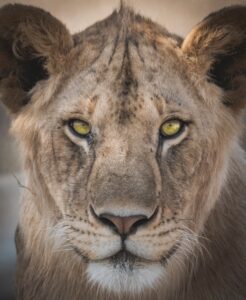
Lions: Serengeti offers outstanding opportunities to observe lion prides in their natural habitat.
Leopards: Often more difficult to locate, leopards can sometimes be seen resting in trees or moving through wooded areas.
Cheetahs: The open plains provide ideal hunting territory for these incredibly fast predators.
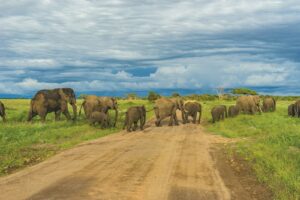
Elephants: Family groups are regularly encountered throughout suitable areas of the ecosystem.
Wildebeest: Huge numbers of wildebeest move through the Serengeti ecosystem during their annual migration.
Zebras: Zebra herds frequently travel alongside wildebeest.
Other animals may include giraffes, buffaloes, hippos, hyenas, jackals, warthogs, gazelles, topis, hartebeest, elands, crocodiles, monkeys and numerous smaller species.
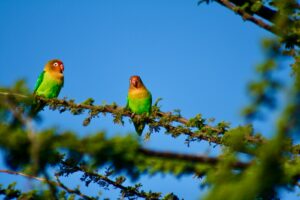
Bird enthusiasts can also enjoy an impressive variety of birdlife.
The Great Wildebeest Migration
For many travelers, the Great Wildebeest Migration is the main reason for booking a Tanzania Serengeti safari.
The migration involves enormous herds of wildebeest accompanied by zebras and other grazing animals moving through the greater Serengeti-Mara ecosystem in search of fresh grazing and water.
However, the migration should not be viewed as a single event happening in one permanent location.
It is a continuous natural cycle.
Rainfall, grazing conditions and water availability influence where the herds move. Therefore, choosing the correct Serengeti region according to your travel month can significantly improve your chances of experiencing major concentrations of animals.
December to March – Southern Serengeti and Ndutu
During this period, large herds commonly gather around the southern Serengeti ecosystem and Ndutu region.
January and February are particularly associated with the calving season, when large numbers of wildebeest calves are born.
The abundance of young animals also attracts predators, creating exciting wildlife interactions.
April to May – Migration Movement
As conditions change, herds begin moving through different parts of the ecosystem. Green landscapes can make this a particularly beautiful season for photography.
June – Western and Central Movement
Herds continue their movement, and travelers can experience excellent wildlife viewing depending on rainfall patterns and the location of the migration.
July to October – Northern Serengeti
Northern Serengeti becomes particularly important during this period.
Travelers visiting at the right time may have opportunities to witness the famous migration around the Mara River area.
River crossings are unpredictable natural events and can never be guaranteed on a specific day. Spending additional nights in the migration area generally provides greater flexibility.
November – Returning South
As seasonal conditions change again, migrating animals gradually begin their journey toward the southern ecosystem.
Best Time for a Serengeti Safari
One of Serengeti’s greatest advantages is that it is a year-round safari destination.
The best month depends on what you hope to experience.
Travelers interested primarily in general wildlife viewing can visit throughout much of the year, while those specifically interested in migration events should select their itinerary according to seasonal herd movements.
Dry Season
Approximately June through October is popular because vegetation can become thinner and wildlife often gathers around reliable water sources.
It is also an important period for northern migration experiences.
Green Season
The wetter months transform many areas into beautiful green landscapes.
Advantages can include:
- Dramatic scenery
- Excellent photography
- Newborn animals during appropriate periods
- Migratory birds
- Potentially fewer vehicles in certain locations
Rather than asking only, “What is the best month for Serengeti?” travelers should consider which Serengeti experience they want most.
How Many Days Do You Need in Serengeti?
Although shorter trips are possible, spending several days in and around Serengeti generally provides a better experience.
3-Day Safari
A short safari can introduce travelers to Serengeti and Ngorongoro, but travel time needs to be considered carefully.
This option works best for visitors with limited holiday time.
4-Day Safari
Four days provide a more comfortable combination such as:
Day 1: Arusha – Tarangire
Day 2: Tarangire – Serengeti
Day 3: Serengeti – Ngorongoro area
Day 4: Ngorongoro Crater – Arusha
5-Day Safari
A five-day itinerary allows more time for game drives and may combine:
Day 1: Tarangire National Park
Day 2: Serengeti National Park
Day 3: Full-day Serengeti game drive
Day 4: Serengeti – Ngorongoro
Day 5: Ngorongoro Crater – Arusha
6–7 Day Safari
For travelers wanting a more relaxed experience, six or seven days provide significantly more flexibility.
Additional time can be spent exploring different Serengeti regions rather than continuously moving between destinations.
Example 5-Day Tanzania Serengeti Adventure
Day 1: Arusha to Tarangire National Park
Depart Arusha and travel toward Tarangire National Park.
Tarangire is particularly famous for its ancient baobab trees, beautiful landscapes and elephant populations.
Enjoy your first game drive before continuing to your accommodation.
Day 2: Tarangire to Serengeti
After breakfast, continue toward Serengeti.
The drive provides changing scenery as you approach the enormous plains.
After entering Serengeti, enjoy wildlife viewing while traveling toward your accommodation or campsite.
Day 3: Full-Day Serengeti Game Drive
Spend a complete day exploring Serengeti.
An early start can provide opportunities to observe wildlife during the cooler morning hours.
Your guide will search different areas based on current wildlife movements and conditions.
Expect plenty of time for photography, wildlife observation and enjoying the landscapes.
Day 4: Serengeti to Ngorongoro
Enjoy another morning wildlife experience before traveling toward the Ngorongoro Conservation Area.
The changing scenery provides another beautiful element of the journey.
Overnight around the crater region or nearby highlands depending on your selected accommodation.
Day 5: Ngorongoro Crater to Arusha
Descend into the Ngorongoro Crater for a memorable game drive.
The crater supports an extraordinary concentration of wildlife within a relatively compact area.
After your game drive, return to Arusha, bringing your Tanzania safari adventure to an end.
Private Serengeti Safari vs Shared Safari
Travelers can generally choose between private and group safari arrangements.
Private Safari
A private safari gives your party exclusive use of the safari vehicle and guide.
Advantages include:
- Greater flexibility
- More control over game-drive timing
- Longer stops for photography
- Private experience
- Easier customization
- Excellent choice for honeymooners and families
- Particularly suitable for photographers
Private safaris are normally more expensive because vehicle and guiding costs are divided among fewer travelers.
Shared Safari
A shared safari allows travelers to join other guests traveling on a similar route.
This can significantly reduce costs and is particularly attractive for solo travelers, couples and budget-conscious visitors.
However, shared itineraries generally have less flexibility because the schedule needs to work for everyone participating.
Serengeti Safari Accommodation
Accommodation can dramatically influence both the price and atmosphere of your safari.
Budget Camping
Budget camping provides an adventurous way to experience Tanzania.
Travelers stay at designated campsites, allowing them to experience the sounds and atmosphere of the African wilderness.
It is particularly suitable for adventurous travelers and visitors prioritizing wildlife experiences over luxury.
Mid-Range Lodges and Tented Camps
Mid-range accommodation provides a balance between comfort and cost.
Depending on the property, travelers may enjoy:
- Private rooms or safari tents
- Ensuite bathrooms
- Comfortable beds
- Restaurant facilities
- Hot showers
- Beautiful wilderness locations
This is one of the most popular accommodation categories for Serengeti safari packages.
Luxury Safari Camps
Luxury camps provide additional comfort, privacy and personalized service.
Facilities vary considerably but may include spacious suites, premium dining, private decks and exceptional wilderness locations.
Luxury Lodges
Travelers seeking maximum comfort can choose premium safari lodges offering high levels of service and sophisticated facilities.
How Much Does a Tanzania Serengeti Safari Cost?
There is no single fixed price for a Serengeti safari.
Your final cost depends on several factors:
- Number of safari days
- Number of travelers
- Private versus shared safari
- Accommodation category
- Travel season
- Serengeti region
- Transportation arrangements
- Domestic flights
- Optional activities
- Number of park entries
- Single-room supplements
A budget camping safari will generally cost considerably less than a private luxury lodge itinerary.
For this reason, travelers should compare what is included, rather than selecting a safari based exclusively on the lowest advertised price.
What Should a Serengeti Safari Package Include?
Before confirming your safari, request a clear list of inclusions and exclusions.
A comprehensive package may include:
- Professional safari guide
- 4×4 safari vehicle
- National park entry fees
- Accommodation
- Meals according to itinerary
- Drinking water
- Game drives
- Government taxes and applicable conservation fees
- Airport or hotel transfers where specified
- Camping equipment for camping itineraries
Possible exclusions may include:
- International flights
- Tanzania visa
- Travel insurance
- Personal expenses
- Guide gratuities
- Alcoholic beverages
- Optional activities
- Balloon safari
- Additional accommodation outside the itinerary
Always check your quotation carefully before paying a deposit.
Serengeti Safari From Zanzibar
Combining Zanzibar with Serengeti is extremely popular.
Travelers can enjoy tropical beaches and then fly to mainland Tanzania for a wildlife safari.
Two common arrangements are available.
Zanzibar – Arusha – Safari
Fly from Zanzibar to Arusha and begin an overland northern Tanzania safari.
This option works particularly well when combining Serengeti with Tarangire and Ngorongoro.
Fly-In Serengeti Safari
Travelers with limited time may fly directly toward Serengeti using domestic bush flights.
Fly-in safaris reduce road travel and can be especially attractive for honeymooners, luxury travelers and visitors with short schedules.
Serengeti and Ngorongoro Safari Combination
Serengeti and Ngorongoro are among the strongest combinations for a Tanzania wildlife itinerary.
Serengeti provides enormous landscapes, predators and migration opportunities, while Ngorongoro offers concentrated wildlife viewing inside its spectacular volcanic caldera.
Adding Tarangire creates an even more diverse itinerary.
A classic northern Tanzania safari can therefore include:
Arusha → Tarangire → Serengeti → Ngorongoro → Arusha
Travelers with additional days can incorporate Lake Manyara or cultural experiences.
Serengeti Safari for Honeymooners
A private Serengeti safari can be an exceptional honeymoon experience.
Couples can combine wildlife adventures with romantic tented camps, beautiful sunsets, private meals and luxury accommodation.
A honeymoon itinerary can also finish with several relaxing days in Zanzibar.
This combination creates two completely different experiences within one holiday: African wilderness followed by an Indian Ocean beach escape.
Serengeti Safari for Families
Serengeti can also provide an extraordinary educational adventure for families.
Children have opportunities to see animals they previously knew only from books and documentaries.
For families, private safaris are often particularly convenient because schedules can be adjusted more easily.
When planning with children, consider:
- Driving distances
- Children’s ages
- Family-friendly accommodation
- Meal preferences
- Swimming pools where available
- Shorter game-drive periods
- Rest time between activities
Serengeti Photography Safari
Wildlife photographers often benefit significantly from choosing a private vehicle.
Photography requires patience.
A lion may spend hours sleeping before suddenly becoming active, while a leopard may remain hidden before moving into a perfect photographic position.
A private safari allows photographers greater freedom to wait at sightings and communicate positioning preferences to their guide.
Important equipment can include:
- Camera body
- Telephoto lens
- Wide-angle lens
- Spare batteries
- Memory cards
- Lens cleaning equipment
- Power bank
- Protective camera bag
- Bean bag or suitable camera support
Dust protection is also useful during dry conditions.
Hot-Air Balloon Safari in Serengeti
A hot-air balloon safari is one of the most memorable optional Serengeti activities.
Flights generally take place around sunrise, offering aerial views across the plains and wildlife below.
Because balloon safaris involve additional cost and limited availability, travelers interested in the experience should consider booking ahead, especially during busy travel periods.
What to Pack for a Serengeti Adventure
Pack practical, lightweight clothing suitable for changing temperatures.
Recommended items include:
- Neutral-colored safari clothing
- Comfortable walking shoes
- Light jacket or fleece
- Sun hat
- Sunglasses
- Sunscreen
- Insect repellent
- Camera
- Binoculars
- Power bank
- Chargers
- Personal medication
- Small backpack
- Reusable water bottle where appropriate
- Passport and travel documents
Mornings around higher-altitude destinations such as Ngorongoro can feel considerably cooler than daytime temperatures on the plains, so carrying a warm layer is important.
Health and Travel Preparation
Before traveling, visitors should review current entry requirements and obtain appropriate travel insurance.
A comprehensive policy should ideally consider medical emergencies, trip interruption, luggage problems and activities included in your itinerary.
Travelers requiring medication should carry an adequate supply and keep important medicines in accessible hand luggage.
Entry, visa and health requirements can change, so verify current requirements with appropriate official authorities before departure.
Responsible Serengeti Tourism
Responsible tourism helps protect Tanzania’s wildlife and landscapes for future generations.
During your safari:
- Follow your guide’s instructions.
- Never feed wild animals.
- Avoid littering.
- Respect park regulations.
- Keep appropriate distance from wildlife.
- Avoid pressuring guides to drive illegally off-road.
- Reduce unnecessary plastic waste.
- Respect local communities and cultures.
- Never remove plants, stones or natural materials from protected areas.
Wildlife always comes first.