Planning a Serengeti safari is about much more than choosing a few days for game drives. The best Serengeti safari planning considers when to travel, which part of the Serengeti to visit, how many days to spend, where to stay, transportation, wildlife priorities, and the overall safari budget.
The Serengeti is one of Tanzania’s most celebrated safari destinations, famous for vast open plains, exceptional concentrations of wildlife, predators, and the annual Great Migration. A carefully planned itinerary gives travelers enough time to explore the right regions without spending too much of their holiday driving between destinations.
Why Choose the Serengeti for Your Tanzania Safari?
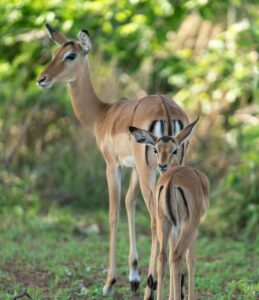
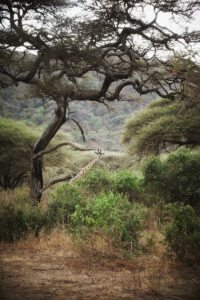
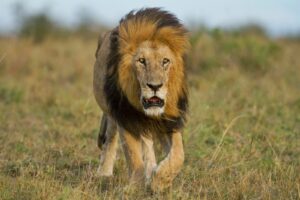
Serengeti National Park offers outstanding wildlife viewing throughout the year. Depending on the season and area visited, travelers may encounter:
- Lions
- Leopards
- Cheetahs
- Elephants
- Giraffes
- Buffaloes
- Hippos
- Hyenas
- Zebras
- Wildebeest
- Gazelles
- Crocodiles
- Numerous bird species
The park is particularly famous for the Great Wildebeest Migration, during which huge herds of wildebeest and zebras move through the wider Serengeti–Mara ecosystem in search of fresh grazing and water.
However, the migration should not be treated as the only reason to visit. Resident wildlife and predators make the Serengeti an excellent safari destination in different seasons of the year.
Best Time to Plan a Serengeti Safari
There is no single perfect month for every traveler. The best time depends on the experience you want.
December to March – Southern Serengeti and Ndutu
This period is associated with the southern plains and the wider Ndutu area. January and February are especially popular for the calving season, when large numbers of wildebeest give birth.
The abundance of vulnerable young animals can also attract predators, making this an exciting period for wildlife enthusiasts and photographers.
April to May – Green Season
The landscape becomes beautifully green during the wetter months. Visitor numbers can be lower than during the busiest safari periods, although rain may affect road conditions and wildlife movements.
Travelers who appreciate dramatic scenery, photography and a quieter atmosphere may find this period particularly rewarding.
June to July – Western and Central Migration Period
As conditions change, migrating herds generally continue northward. Different parts of the western and central ecosystem can become important depending on rainfall and the location of the herds.
July to October – Northern Serengeti
The Northern Serengeti becomes particularly attractive during this period because migrating herds may reach the Mara River region.
River crossings are among the most famous events associated with the Great Migration. However, they are completely natural events and cannot be guaranteed for a specific day or time.
November – Migration Transition
Short rains can influence the movement of the herds back toward the southern ecosystem. Wildlife remains abundant, but exact migration locations vary according to rainfall and grazing conditions.
Choosing the Right Serengeti Region
One of the most important parts of Serengeti safari planning is choosing the correct area.
Central Serengeti – Seronera
Central Serengeti is one of the most reliable areas for general wildlife viewing.
The Seronera Valley is particularly well known for predators and resident wildlife. It is an excellent choice for first-time visitors and travelers who want a classic Serengeti experience without designing the entire safari around the migration.
Northern Serengeti – Kogatende Area
Northern Serengeti is particularly popular between approximately July and October.
Travelers visiting primarily for the Great Migration and potential Mara River crossings should consider spending multiple nights here rather than attempting a rushed one-night visit.
Southern Serengeti and Ndutu
Southern Serengeti and the Ndutu ecosystem are important during the green and calving season.
This region can be especially attractive for photographers because of the open plains, newborn animals and predator activity.
Western Corridor
The Western Corridor can become particularly interesting as migrating herds move through this part of the ecosystem.
It is worth considering for travelers whose safari dates correspond with migration activity in the western region.
How Many Days Do You Need in the Serengeti?
For most travelers, two to four nights in the Serengeti provide a much better experience than attempting to see the park in a single rushed day.
A short Tanzania safari might include:
Day 1: Arusha → Tarangire National Park
Day 2: Tarangire/Karatu → Serengeti
Day 3: Full-day Serengeti safari
Day 4: Serengeti → Ngorongoro area
Day 5: Ngorongoro Crater → Arusha
Travelers with additional time can extend their stay in Serengeti or combine Central Serengeti with Northern Serengeti during the appropriate migration season.
Recommended Serengeti Safari Planning Options
4-Day Serengeti Safari
A four-day itinerary works for travelers with limited time. It can combine Serengeti with Ngorongoro, although the schedule is relatively fast-paced.
5-Day Serengeti Safari
Five days provides a more balanced Northern Circuit experience. Travelers can potentially combine Tarangire, Serengeti and Ngorongoro while allowing more meaningful game-viewing time.
6-Day Serengeti Safari
Six days offers additional flexibility and more time inside wildlife areas. This is a strong choice for couples, families and photographers who prefer a less rushed itinerary.
7-Day Serengeti and Great Migration Safari
Seven days or longer is recommended when the objective is to explore several Serengeti regions or dedicate substantial time to migration viewing.
Sample 5-Day Serengeti Safari Itinerary
Day 1 – Arusha to Tarangire National Park
Depart Arusha and travel toward Tarangire National Park.
Enjoy a game drive through landscapes famous for baobab trees, elephants and diverse wildlife. After the safari, continue to your selected accommodation.
Day 2 – Tarangire/Karatu to Serengeti National Park
Travel toward Serengeti National Park while enjoying the changing landscapes of Tanzania’s Northern Circuit.
After entering the Serengeti, begin your game drive while traveling toward your camp or lodge.
Day 3 – Full-Day Serengeti Safari
Spend the entire day exploring Serengeti.
An early start can provide excellent opportunities to observe predators and other wildlife while temperatures are cooler.
Your guide can adapt the day’s game drive according to wildlife sightings and current conditions.
Day 4 – Serengeti to Ngorongoro
Enjoy additional wildlife viewing in Serengeti before traveling toward the Ngorongoro Conservation Area.
Overnight near the crater or in the surrounding highlands.
Day 5 – Ngorongoro Crater to Arusha
Descend into Ngorongoro Crater for a game drive.
The crater supports a remarkable concentration of wildlife, including buffaloes, zebras, wildebeest, lions and other species. With favorable conditions and some luck, visitors may also see the critically endangered black rhino.
After the game drive, return to Arusha.
Private vs Shared Serengeti Safari
Private Safari
A private Serengeti safari provides your own safari vehicle and professional guide.
This is particularly suitable for:
- Couples and honeymooners
- Families
- Photographers
- Small groups
- Luxury travelers
- Travelers wanting flexible game-drive schedules
- Great Migration itineraries requiring customized routing
Private safaris generally provide greater flexibility regarding stops, departure times and time spent at wildlife sightings.
Shared Group Safari
A shared safari can significantly reduce costs because transportation and some safari expenses are divided among several travelers.
It is particularly suitable for:
- Solo travelers
- Budget travelers
- Backpackers
- Couples looking for affordable safari options
Shared itineraries normally follow a predetermined route and schedule, so flexibility can be more limited than on a private safari.
Serengeti Accommodation Options
Accommodation is another important part of planning.
Budget Camping
Camping offers one of the most affordable ways to experience the Serengeti.
Travelers stay close to nature while keeping accommodation costs relatively low.
Mid-Range Tented Camps
Mid-range camps offer additional comfort while maintaining the atmosphere of being surrounded by the wilderness.
Depending on the property, rooms or tents may include private bathrooms, comfortable beds and restaurant facilities.
Luxury Tented Camps
Luxury tented camps combine wilderness locations with higher levels of comfort and personalized service.
They are popular with honeymooners and travelers celebrating special occasions.
Luxury Lodges
Luxury lodges may provide spacious rooms, swimming pools, restaurants, lounges and panoramic views.
They are ideal for travelers who want a high level of comfort after long safari days.
What Is Included in a Serengeti Safari Package?
A well-designed safari package may include:
- 4×4 safari Land Cruiser transportation
- Professional English-speaking safari guide
- National park entrance fees
- Ngorongoro conservation and crater fees when applicable
- Accommodation during the safari
- Meals according to the itinerary
- Drinking water
- Game drives
- Government taxes and VAT
- Airport or hotel transfers when specified
Travelers should always check their exact quotation because inclusions differ between safari packages.
What Is Usually Not Included?
Common exclusions may include:
- International flights
- Domestic flights unless specified
- Tanzania visa
- Travel insurance
- Tips and gratuities
- Alcoholic beverages
- Personal expenses
- Optional excursions
- Hot-air balloon safari unless included
- Additional accommodation before or after the safari
Serengeti Safari Cost
The cost of a Serengeti safari varies considerably.
Important factors include:
Safari duration: Longer itineraries require additional accommodation, meals, vehicle time and park fees.
Private or shared safari: Private trips generally cost more per traveler, particularly for one or two guests.
Accommodation category: Camping is generally cheaper than mid-range or luxury accommodation.
Season: Peak migration periods and holiday seasons can have higher accommodation prices.
Number of travelers: Private safari costs can become more economical per person when vehicle expenses are divided among more guests.
Flights: Fly-in safaris are faster and more convenient but generally increase the overall price.
Drive-In vs Fly-In Serengeti Safari
Travelers can reach the Serengeti by road or light aircraft.
Drive-In Safari
Driving allows visitors to combine Serengeti with destinations such as Tarangire and Ngorongoro.
It can also be more economical and gives travelers an opportunity to experience changing landscapes along the Northern Circuit.
Fly-In Safari
A fly-in safari reduces long road transfers and maximizes time in the wildlife areas.
Flights may connect locations such as Arusha or Zanzibar with Serengeti airstrips, depending on schedules and availability.
Fly-in safaris are particularly attractive for honeymooners, luxury travelers and visitors with limited holiday time.
Combining Serengeti with Other Tanzania Destinations
The Serengeti works extremely well as part of a larger Tanzania itinerary.
Serengeti + Ngorongoro Crater
This is one of Tanzania’s classic safari combinations.
Serengeti + Tarangire + Ngorongoro
An excellent choice for travelers wanting a broader Northern Circuit safari with varied landscapes and wildlife.
Serengeti + Lake Manyara + Ngorongoro
Suitable for longer itineraries where travelers want to experience another ecosystem before or after Serengeti.
Serengeti + Zanzibar
This combination offers an excellent bush-and-beach holiday.
Travelers can enjoy several days of wildlife safari followed by relaxation on Zanzibar’s beaches.
Planning a Serengeti Safari from Zanzibar
Travelers staying in Zanzibar can incorporate the Serengeti into their Tanzania holiday using domestic flights.
Depending on the itinerary, travelers may fly:
Zanzibar → Arusha → Northern Circuit Safari
or choose a suitable flight connection into the Serengeti.
The best option depends on safari duration, flight schedules, budget and the areas of Serengeti being visited.
For very short holidays, flying can save valuable travel time.
Great Migration Safari Planning
Travelers whose main objective is the Great Migration should plan differently from visitors simply wanting an excellent wildlife safari.
Migration planning should consider:
- Travel month
- Expected herd location
- Number of Serengeti nights
- Camp location
- Driving distances
- Whether internal flights are worthwhile
- Budget
- Flexibility for changing wildlife movements
It is important to remember that the migration is a natural phenomenon. Rainfall, water availability and grazing conditions influence the movement of the herds, so exact locations and river crossings cannot be guaranteed.
Serengeti Safari for Honeymooners
The Serengeti is also an exceptional honeymoon destination.
A honeymoon itinerary can include:
- Private safari vehicle
- Luxury tented camps
- Romantic dinners
- Sunset experiences
- Great Migration game drives
- Balloon safari
- Serengeti and Ngorongoro
- Zanzibar beach extension
Private safaris are particularly useful for honeymooners because the daily schedule can be adjusted according to the couple’s preferred pace.
Serengeti Safari for Photographers
Photographers should consider spending additional nights in fewer locations instead of changing camps every day.
A private safari is particularly valuable because photographers may want to spend significantly longer at individual sightings.
Other considerations include:
- Vehicle positioning
- Early morning departures
- Extra batteries
- Charging facilities
- Bean bags or camera supports
- Dust protection
- Sufficient memory cards
- Telephoto and wider landscape lenses
What to Pack for a Serengeti Safari
Useful safari items include:
- Neutral-colored lightweight clothing
- Comfortable closed shoes
- Sun hat
- Sunglasses
- Sunscreen
- Warm jacket or fleece
- Camera and spare batteries
- Binoculars
- Personal medication
- Small daypack
- Power bank
- Travel documents
Temperatures can change considerably between warm afternoons and cool early mornings, particularly around Ngorongoro, so layered clothing is useful.
Why Book Your Serengeti Safari in Advance?
Advance planning is particularly important during high season.
Popular camps, lodges and domestic flights can have limited availability. Booking early provides a better opportunity to secure accommodation in the most convenient location rather than having to redesign the itinerary around whatever remains available.
This is particularly important for Great Migration safaris, honeymoon trips, family safaris and luxury itineraries.
Start Planning Your Serengeti Safari
The best Serengeti safari is not necessarily the longest or most expensive one. It is the safari designed around your travel dates, budget, preferred accommodation, wildlife interests and available time.
Whether you are searching for an affordable camping safari, private Serengeti adventure, luxury honeymoon, Great Migration safari or Serengeti-and-Zanzibar holiday, careful planning can transform a standard itinerary into a much more rewarding Tanzania experience.
Contact Kilipath African Safaris with your travel dates, number of travelers, preferred safari length and approximate budget to receive a personalized Serengeti safari itinerary.