A group Tanzania safari package trip is one of the most practical and affordable ways to experience Tanzania’s extraordinary wildlife, landscapes, and national parks. Instead of paying for a private safari vehicle and guide, travelers join a small group and share the main safari costs while still enjoying professionally guided game drives and unforgettable wildlife encounters.
From the elephant-rich plains of Tarangire to the endless grasslands of the Serengeti and the wildlife-filled floor of the Ngorongoro Crater, a group safari allows travelers to experience some of Tanzania’s most famous destinations without the higher cost associated with a private journey.
This complete guide explains how group safaris in Tanzania work, what they normally include, where you can go, how much you should budget, the best time to travel, accommodation choices, packing essentials, and how to choose the right safari package.
What Is a Group Tanzania Safari Package Trip?
A group Tanzania safari is a safari where several travelers share one safari vehicle, professional driver-guide, and certain transportation expenses.
Travelers may arrive from different countries and book independently before joining the same scheduled safari departure. This makes group safaris particularly attractive for:
- Solo travelers
- Couples
- Friends
- Budget-conscious travelers
- Backpackers
- First-time safari visitors
- Travelers visiting Tanzania as part of a longer African holiday
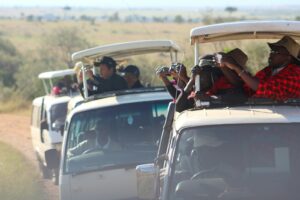
Most small-group safaris use specially equipped 4×4 safari Land Cruisers with pop-up roofs, allowing travelers to stand safely during wildlife viewing and photography.
At Kilipath African Safaris, shared safari vehicles normally carry a maximum of seven travelers, with each guest having access to a window seat. Keeping the group relatively small makes wildlife viewing more comfortable than traveling in a large bus or overland vehicle.
Why Choose a Group Safari in Tanzania?
The biggest advantage is value for money.
Safari expenses include much more than accommodation. A tour operator must account for the safari vehicle, fuel, professional guide, park entrance fees, conservation charges, meals, logistics, and other operating expenses.
On a private safari, one or two travelers cover most of the vehicle-related expenses themselves. During a group safari, those costs are divided among several participants.
This can significantly reduce the price per traveler.
However, affordability is only one benefit.
Meet Other Travelers
Group safaris provide an opportunity to meet people from different parts of the world. Travelers spend several days together experiencing game drives, meals, landscapes, and wildlife sightings.
For solo travelers especially, this social aspect can make the safari more enjoyable.
Professional Safari Experience
Choosing a shared safari does not mean missing Tanzania’s major wildlife experiences.
You still travel with a professional safari guide who understands wildlife behavior, national park routes, animal habitats, and the best locations for sightings.
Excellent Wildlife Viewing
Tanzania’s animals do not distinguish between a private and shared safari vehicle.
A group safari can still provide opportunities to see:
- Lions
- Elephants
- Leopards
- Cheetahs
- Buffaloes
- Giraffes
- Zebras
- Wildebeest
- Hippos
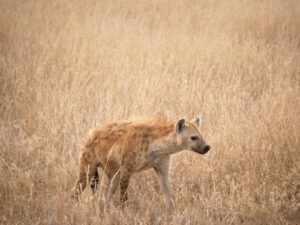
- Hyenas
- Warthogs
- Gazelles
- Baboons
- Numerous bird species
With good timing and some luck, travelers may also encounter all members of the famous Big Five.
Best Destinations for a Group Tanzania Safari
Most group safari packages concentrate on Tanzania’s Northern Safari Circuit because several outstanding wildlife destinations can be combined relatively efficiently.
Serengeti National Park
The Serengeti is often the centerpiece of a Tanzania safari.
Its vast grasslands support remarkable populations of predators and grazing animals. Lions, cheetahs, leopards, elephants, giraffes, buffaloes, zebras, wildebeest, hyenas, and numerous antelope species can all be encountered.
The Serengeti is also associated with the Great Wildebeest Migration, during which huge numbers of wildebeest and zebras move through the Serengeti-Mara ecosystem.
Even outside major migration periods, the Serengeti remains an exceptional year-round wildlife destination.
For standard shared safari itineraries, Central Serengeti is particularly practical because of its excellent resident wildlife and strategic location.
Ngorongoro Crater
Ngorongoro Crater provides a completely different safari environment.
Travelers descend from the highlands onto the crater floor, where grasslands, wetlands, woodland, and freshwater habitats support a remarkable concentration of animals.
Wildlife commonly encountered includes:
- Lions
- Buffaloes
- Zebras
- Wildebeest
- Hippos
- Hyenas
- Gazelles
- Elephants
The crater is also one of Tanzania’s better places to search for the endangered black rhinoceros, although sightings can never be guaranteed.
Because many species occupy a relatively compact area, Ngorongoro works particularly well for travelers with limited safari time.
Tarangire National Park
Tarangire is famous for its elephants, ancient baobab trees, beautiful landscapes, and seasonal concentrations of wildlife.
During the dry season, animals are attracted toward the Tarangire River and remaining water sources.
Visitors may encounter elephants, giraffes, zebras, wildebeest, buffaloes, lions, antelopes, monkeys, and numerous bird species.
Tarangire’s location also makes it convenient for the beginning or end of many Northern Circuit safari itineraries.
Lake Manyara National Park
Lake Manyara can be included in longer itineraries depending on the season, route, and interests of the travelers.
The park contains groundwater forest, woodland, open areas, wetlands, and lake environments. It is particularly interesting for birdlife, monkeys, baboons, elephants, and scenic diversity.
However, travelers with limited time often prioritize Serengeti, Ngorongoro, and Tarangire.
Popular Group Tanzania Safari Itineraries
The ideal duration depends on your available time and budget.
3-Day Group Safari
A short safari is suitable for travelers with very limited time.
A typical route may focus on:
Day 1: Arusha to Serengeti National Park
Day 2: Serengeti to the Ngorongoro area
Day 3: Ngorongoro Crater and return to Arusha
This itinerary provides an introduction to two of Tanzania’s most famous wildlife destinations.
However, driving distances can be considerable, so travelers wanting a more relaxed experience should consider adding additional days.
4-Day Group Safari
Four days creates a more balanced itinerary.
A common route is:
Day 1: Arusha – Tarangire National Park
Day 2: Tarangire area – Serengeti National Park
Day 3: Serengeti – Ngorongoro area
Day 4: Ngorongoro Crater – Arusha
This is an excellent option for first-time visitors because it combines three very different wildlife environments.
5-Day Group Safari
With five days available, travelers can add another destination or spend additional time enjoying the Northern Circuit.
One possible route includes:
Day 1: Tarangire National Park
Day 2: Serengeti National Park
Day 3: Serengeti and Ngorongoro area
Day 4: Ngorongoro Crater
Day 5: Lake Manyara National Park and return to Arusha
Exact routes vary between operators and departure schedules.
Longer Group Safaris
Six- and seven-day safaris provide additional time for wildlife viewing and can reduce the feeling of rushing between destinations.
Longer trips are particularly worthwhile for travelers who want photography opportunities or simply prefer spending more time in nature.
What Is Included in a Group Tanzania Safari Package?
Inclusions vary between companies, so travelers should always examine their quotation carefully.
A comprehensive package commonly includes:
- Transportation in a 4×4 safari vehicle
- Professional English-speaking safari guide
- National park entrance fees
- Ngorongoro conservation fees when applicable
- Accommodation during the safari
- Meals according to the itinerary
- Drinking water during game drives
- Game drives
- Camping equipment for camping packages
- Pickup from an agreed location in Arusha
- Government taxes applicable to included safari services
Some operators may also include airport transfers or accommodation before and after the safari.
Never assume these services are included unless they appear clearly in the quotation.
What Is Usually Not Included?
Depending on the package, exclusions may include:
- International flights
- Tanzania visa expenses
- Travel insurance
- Personal purchases
- Alcoholic beverages
- Optional excursions
- Tips for guides and camp staff
- Balloon safari
- Additional hotel nights
- Certain airport transfers
- Vaccinations or medical expenses
Understanding both inclusions and exclusions is essential when comparing prices from different safari companies.
A cheaper quotation may simply contain fewer services.
Group Safari Accommodation Options
Your accommodation significantly affects both the price and character of your safari.
Camping Safari
Budget camping is generally the most economical choice.
Travelers stay at designated campsites and sleep in safari tents. Depending on the operator, tents, mattresses, sleeping bags, and other essential camping equipment may be provided.
Facilities at public campsites are generally simple and may include shared toilets and showers.
Camping offers an adventurous atmosphere and can be particularly memorable in areas such as the Serengeti.
At night, travelers may hear distant lions, hyenas, or other wildlife.
Mid-Range Safari
Mid-range safaris provide additional comfort.
Accommodation may include permanent tented camps, safari lodges, or comfortable properties outside national parks.
Rooms generally have:
- Proper beds
- Private bathrooms
- Hot showers
- Restaurant facilities
- Comfortable common areas
Mid-range group safaris are excellent for travelers seeking a balance between affordability and comfort.
Luxury Safari
Luxury properties offer higher standards of accommodation, dining, service, location, and facilities.
However, travelers seeking a fully customized luxury experience may find a private safari more suitable because group departures operate according to a shared schedule.
Group Safari vs Private Safari
Both options can provide excellent wildlife experiences, but they suit different travelers.
Group Safari
A group safari is ideal when your priorities are:
- Lower costs
- Meeting other travelers
- Joining scheduled departures
- Visiting Tanzania’s major Northern Circuit parks
- Traveling without organizing companions yourself
Private Safari
A private safari is better when your priorities include:
- Maximum flexibility
- Your own safari vehicle
- Customized departure times
- Special photography requirements
- Honeymoon arrangements
- Traveling with children
- Specific accommodation choices
- Specialized destinations
- Longer stops at particular sightings
Private safaris are normally more expensive because fewer people share the operational costs.
How Much Does a Group Tanzania Safari Cost?
There is no single price for a Tanzania group safari.
Prices depend on several factors, including:
Safari duration: More days mean additional park fees, accommodation, meals, guide time, and vehicle expenses.
Accommodation: Camping is generally cheaper than mid-range lodges or luxury camps.
Season: Peak safari months may have higher accommodation prices and greater demand.
Destinations: Different national parks have different entrance and conservation costs.
Group size: The number of travelers sharing vehicle expenses can affect pricing.
Additional activities: Balloon safaris, cultural visits, walking experiences, and other excursions increase the total trip cost.
Instead of choosing a safari based only on the lowest advertised figure, compare exactly what each package includes.
Best Time for a Group Tanzania Safari Trip
Tanzania offers safari opportunities throughout the year.
June to October – Dry Season
The dry season is one of Tanzania’s most popular safari periods.
Vegetation becomes thinner in many areas, and wildlife often gathers near water sources.
July through October is also an important period for migration activity in the northern Serengeti ecosystem.
Because this is peak safari season, booking early is recommended.
November to December – Short Rains
The short rains can transform dry landscapes into greener environments.
Safari experiences remain excellent, while certain periods may have fewer visitors than the peak months.
January to March – Calving Season
The southern Serengeti and Ndutu region become especially important during the wildebeest calving period.
Large numbers of young wildebeest are born, attracting predators.
Travelers should remember that specialized migration routes such as Ndutu may require private arrangements if they are not part of a scheduled shared departure.
April and May – Green Season
These are traditionally wetter months.
Advantages can include lush landscapes, fewer safari vehicles in some locations, excellent birdlife, and attractive seasonal accommodation offers.
Heavy rainfall can occasionally affect road conditions, so flexibility is useful.
Can You See the Great Migration on a Group Safari?
Potentially, but expectations must be realistic.
The Great Migration is a natural wildlife movement rather than a scheduled event. Rainfall, grazing conditions, and water availability influence where the herds are located.
Standard group safaris visiting Central Serengeti may encounter migrating herds when they are within reachable areas.
However, specialized destinations such as Northern Serengeti for Mara River crossings or the Ndutu region during calving season are not automatically included in normal shared itineraries.
Travelers whose main objective is a specific migration event should consider a private migration safari designed around the expected herd location.
What Is a Typical Day Like on Safari?
Safari days often begin early.
Morning temperatures are comfortable, wildlife can be active, and early light is excellent for photography.
After breakfast, travelers enter the park or continue a game drive with their guide.
The guide searches for wildlife while explaining animal behavior, ecosystems, landscapes, and local conservation.
Lunch may be served at a designated picnic area or arranged according to the itinerary.
Afternoon game drives continue before travelers head toward their campsite, lodge, or tented camp.
Schedules vary because safari conditions are never completely predictable.
A lion sighting, elephant herd, leopard in a tree, or unexpected wildlife activity may influence how long the group remains in one area.
Safari Vehicles
A good vehicle is an important part of your safari experience.
Northern Tanzania safaris commonly use customized 4×4 Land Cruisers designed for rough park roads.
Useful vehicle features may include:
- Pop-up roof
- Window seating
- Charging sockets
- Cooler or refrigerator
- First-aid equipment
- Radio communication
- Seatbelts
- Storage space
Ask your operator about the maximum number of passengers before booking.
Smaller groups generally provide better comfort and easier access to windows.
Food During a Tanzania Group Safari
Most multi-day safari packages include meals.
Depending on the accommodation and itinerary, this normally consists of breakfast, lunch, and dinner.
Lunch may be a picnic meal or a prepared hot meal depending on the safari arrangement.
Dietary requirements can usually be accommodated with advance notice, including:
- Vegetarian
- Vegan
- Gluten-free
- Dairy-free
- Other dietary restrictions
Always communicate dietary requirements before arrival rather than waiting until the safari begins.
What to Pack for a Group Tanzania Safari
Packing lightly is particularly important on shared safaris because vehicle storage space is divided among several travelers.
Useful items include:
- Lightweight neutral-colored clothing
- Comfortable trousers or shorts
- Long-sleeved shirt
- Warm jacket or fleece
- Comfortable closed shoes
- Sun hat
- Sunglasses
- Sunscreen
- Camera
- Spare batteries
- Power bank
- Binoculars
- Personal medication
- Insect repellent
- Small backpack
- Reusable water bottle
- Passport and travel documents
Temperatures can change significantly during the day.
Ngorongoro highlands, in particular, can feel surprisingly cold early in the morning, so warm clothing is recommended.
Soft-sided luggage is usually easier to store than large hard-shell suitcases.
Photography on a Group Safari
Tanzania is an outstanding wildlife photography destination.
A camera with a telephoto lens is ideal, although modern smartphones can also capture excellent landscape and close-range wildlife photographs.
For better results:
Keep your camera accessible during game drives.
Animals can appear unexpectedly, and unpacking equipment after an animal appears may mean missing the moment.
Use a fast shutter speed for moving wildlife and stabilize longer lenses when possible.
Avoid making loud noises or attempting to attract an animal’s attention.
Most importantly, respect the guide’s instructions and national park regulations.
Travelers with highly specialized photography requirements should consider a private vehicle, which provides greater freedom over positioning and the amount of time spent at each sighting.
Is a Group Safari Good for Solo Travelers?
Yes.
In fact, shared safaris are particularly useful for solo travelers because a private vehicle can make safari costs significantly higher for one person.
Joining a group distributes vehicle expenses among several guests.
It also provides a social environment where solo travelers can meet other visitors.
Before booking, ask whether there are any single-room supplements for accommodation. The vehicle may be shared while rooms or tents remain private.
Is a Group Safari Suitable for Couples?
Absolutely.
Couples frequently join group safaris when they want to prioritize wildlife experiences while controlling costs.
You can share game drives with other guests while booking a private double room or tent for accommodation.
Couples wanting honeymoon decorations, exclusive dining, highly flexible schedules, or private wildlife experiences may prefer a private safari.
Group Safari Etiquette
Because you are sharing the experience with other travelers, consideration is important.
Arrive on time for morning departures.
Avoid blocking another traveler’s view for extended periods.
Keep conversations quiet when approaching sensitive wildlife.
Do not pressure the guide to violate park regulations.
Be reasonable about how long the group spends photographing one animal.
Respect different interests. One traveler may love lions, another may be fascinated by birds, and another may want landscape photography.
Good group etiquette makes the safari more enjoyable for everyone.
Safety During a Tanzania Safari
Tanzania’s national parks are wild environments.
Always listen carefully to your professional guide.
Never leave the safari vehicle in an unauthorized area.
Do not feed wildlife.
Avoid approaching animals on foot unless participating in an officially organized walking activity with authorized personnel.
At campsites and lodges, follow staff instructions, particularly after dark.
Wild animals can move through unfenced safari properties.
Travel insurance is also strongly recommended for international visitors.
How to Choose the Right Group Tanzania Safari Package
Do not choose solely based on price.
Before paying a deposit, confirm:
- Number of safari days
- National parks included
- Maximum passengers per vehicle
- Accommodation names or standards
- Meal arrangements
- Park fees
- Ngorongoro fees
- Airport transfer arrangements
- Drinking water
- Guide services
- Camping equipment if applicable
- Cancellation policy
- Payment terms
- Optional activity prices
- Exact inclusions and exclusions
Also confirm whether the advertised itinerary represents full safari days or includes arrival and departure days.
Transparency is one of the strongest indicators of a reliable safari operator.
Booking Your Group Safari Early
Advance booking becomes particularly important during popular travel periods.
Safari accommodation, scheduled flights, and group departure spaces can fill up quickly during high season.
Booking early provides more time to arrange:
- International flights
- Tanzania visas
- Travel insurance
- Zanzibar extensions
- Accommodation before and after safari
- Domestic flights
- Special dietary requirements
- Optional activities
Last-minute bookings can still be possible, but choices may be more limited.
Combining a Tanzania Safari With Zanzibar
A safari-and-beach combination is one of Tanzania’s most popular travel experiences.
Travelers can spend several days exploring the Northern Circuit before flying to Zanzibar for relaxation.
A typical combination might include:
Day 1–4: Tanzania safari
Day 5: Travel to Zanzibar
Day 6–9: Zanzibar beach holiday
Domestic flights connect northern Tanzania with Zanzibar, making the combination relatively convenient.
When booking a flight on the final safari day, allow sufficient time between your expected safari return and flight departure.
Group Safari From Zanzibar
Travelers already staying in Zanzibar can also join safaris in northern Tanzania.
This normally requires a domestic flight from Zanzibar to Arusha or Kilimanjaro, depending on the itinerary and flight schedule.
For early safari departures, arriving in Arusha the previous day is usually more comfortable and reduces the risk of flight delays affecting the safari.
A well-organized package can combine flights, transfers, accommodation, and safari arrangements into one itinerary.
Responsible Safari Travel
Wildlife tourism contributes significantly to Tanzania’s conservation economy and communities surrounding protected areas.
Travelers can support responsible tourism by:
- Following national park regulations
- Avoiding wildlife disturbance
- Reducing unnecessary plastic waste
- Respecting local communities
- Supporting ethical cultural experiences
- Never purchasing wildlife products
- Using established, licensed safari operators
- Following guide instructions around animals
Wildlife should always be observed naturally rather than manipulated for photographs.
Final Thoughts
A group Tanzania safari package trip combines affordability, adventure, wildlife, and social travel into one experience.
For travelers who do not require a completely customized itinerary, sharing a safari vehicle can dramatically improve value without taking away the excitement of exploring Tanzania’s wilderness.
A carefully selected group itinerary can take you beneath Tarangire’s enormous baobab trees, across the wildlife-rich plains of the Serengeti, and down into the spectacular Ngorongoro Crater—all while sharing the experience with fellow travelers from around the world.
The key is choosing a package with transparent pricing, a sensible itinerary, comfortable group size, reliable safari vehicles, professional guides, and clearly stated inclusions.
With the right preparation, your first glimpse of elephants crossing the road, lions resting on the Serengeti plains, or thousands of grazing animals stretching toward the horizon may become one of the most memorable moments of your journey through Tanzania.