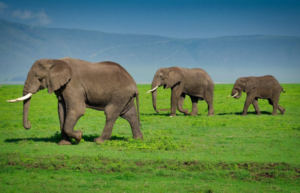
Planning a group safari in Tanzania is one of the best ways to experience East Africa’s remarkable wildlife while sharing transportation and guide expenses with other travelers. From the vast Serengeti plains to the Ngorongoro Crater and elephant-rich Tarangire National Park, a shared adventure provides unforgettable experiences at a more affordable price than a private safari.
This guide explains the average group Tanzania safari cost, what is normally included, the factors affecting prices, recommended itineraries, accommodation choices, and frequently asked questions.
Quick Safari Cost Overview
The typical group Tanzania safari cost ranges from approximately:
| Safari duration | Camping safari | Lodge safari |
|---|---|---|
| 2 days | $450–$650 per person | $650–$950 per person |
| 3 days | $600–$850 per person | $850–$1,250 per person |
| 4 days | $750–$1,050 per person | $1,050–$1,600 per person |
| 5 days | $900–$1,300 per person | $1,300–$2,000 per person |
| 6–7 days | $1,100–$1,700 per person | $1,700–$2,800 per person |
These are general estimates. The final rate depends on the season, route, accommodation standard, number of participants, and included services.
What Is a Group Tanzania Safari?
A group safari, also called a shared safari or joining safari, allows travelers with similar itineraries to share a safari vehicle and professional guide.
Most group safaris use a customized 4×4 Land Cruiser with a pop-up roof. A small group usually consists of no more than seven travelers, allowing every guest to have a window seat during game drives.
Travelers may come from different countries and book independently. They then join the same scheduled departure and visit the national parks together.
A group safari is particularly suitable for:
- Solo travelers
- Couples seeking an affordable safari
- Friends traveling together
- Students and young travelers
- Visitors comfortable meeting new people
- Travelers with fixed dates and standard itineraries
Although the vehicle and guide are shared, travelers can still choose between camping and lodge accommodation on selected programs.
How Much Does a Group Tanzania Safari Cost?
A standard group safari in northern Tanzania generally costs between $200 and $400 per person per day. Camping trips are normally at the lower end of this range, while lodge-based tours cost more.
The daily rate covers much more than transportation. Tanzania’s national park entrance fees, Ngorongoro Crater service fees, accommodation, meals, guiding services, and vehicle operating expenses account for a significant part of the package price.
Budget group camping safari
A budget camping safari generally costs between $200 and $300 per person per day.
Travelers sleep at public campsites in or near the national parks. The operator normally provides:
- A safari tent
- Sleeping mattress
- Sleeping bag
- Pillow
- Camping equipment
- A safari chef
- Shared showers and toilets
This option offers an adventurous experience and allows guests to stay close to nature. At some Serengeti campsites, wildlife may move through the surrounding area because the camps are unfenced.
Mid-range group lodge safari
A mid-range shared safari usually costs between $280 and $450 per person per day.
Accommodation may include:
- Safari lodges
- Tented camps
- Permanent tented lodges
- Guesthouses near the parks
- Private rooms with ensuite bathrooms
Mid-range trips provide greater privacy and comfort. However, not every scheduled departure offers a lodge upgrade, so availability should be confirmed before booking.
Luxury safari arrangements
Fully shared luxury safaris are less common because high-end travelers often prefer private vehicles and personalized schedules. A luxury group safari may cost $450–$800 or more per person per day.
Premium rates may include upscale tented camps, fine dining, scenic locations, larger rooms, swimming pools, and additional services.
What Is Included in the Safari Price?
A reliable group Tanzania safari package normally includes:
- Transportation in a customized 4×4 safari vehicle
- Professional English-speaking safari guide
- National park entrance fees
- Ngorongoro conservation and crater fees when applicable
- Accommodation specified in the itinerary
- Meals during the safari
- Drinking water
- Game drives
- Camping equipment for camping packages
- Safari chef for camping tours
- Government taxes
- Pickup and drop-off in Arusha
- Guaranteed window seat when the vehicle is limited to seven guests
Always examine the official itinerary and inclusion list because packages vary between operators.
What Is Usually Excluded?
The following items are frequently excluded:
- International flights
- Tanzania visa fees
- Travel and medical insurance
- Vaccinations and personal medication
- Alcoholic beverages
- Laundry services
- Personal purchases
- Optional activities
- Balloon safari
- Tips for the guide and chef
- Zanzibar accommodation unless specified
- Airport transfers when not mentioned
- Accommodation before or after the safari
- Domestic flights unless explicitly included
Travelers should budget separately for gratuities and personal expenses.
Main Factors Affecting Group Safari Costs
1. Safari duration
Longer itineraries cost more because they require additional park fees, meals, accommodation, guide services, and vehicle use.
Nevertheless, the average daily price may decrease slightly on longer tours because certain fixed expenses are distributed over more days.
2. Parks included
Each national park has its own entrance fee. A program covering Serengeti and Ngorongoro will usually cost more than a short safari visiting only Tarangire or Lake Manyara.
The Serengeti also requires long-distance driving and additional fuel. Ngorongoro Crater has a separate vehicle service fee for every descent into the caldera.
3. Accommodation category
Accommodation is one of the greatest price variables.
Public camping is usually the most affordable choice. Basic lodges and permanent camps occupy the middle range, while luxury properties can increase the final cost significantly.
A lodge inside a national park is often more expensive than one outside its boundaries because of location, concession fees, and logistical expenses.
4. Travel season
Tanzania’s safari prices change throughout the year.
Peak season
The peak season generally covers July through October and the festive period around Christmas and New Year. Demand is high because of dry-season wildlife viewing and the Great Migration in northern Serengeti.
Accommodation may sell out several months in advance.
Calving season
January through March is popular in the southern Serengeti and Ndutu region. Thousands of wildebeest calves are born, attracting lions, cheetahs, hyenas, and other predators.
Ndutu trips are commonly private because standard joining safaris do not always follow this seasonal route.
Green season
April, May, and parts of November are often less expensive. The landscapes are green, visitor numbers are lower, and many lodges offer reduced rates.
Rain is possible, but it does not necessarily continue throughout the entire day.
5. Group size
The main reason a group safari is affordable is cost sharing. Guests divide expenses such as:
- Vehicle use
- Fuel
- Driver-guide services
- Crater vehicle fees
- Some transfer expenses
A full vehicle usually provides better value per person than a departure with only two or three participants.
6. Starting and ending locations
Most northern-circuit group safaris begin and finish in Arusha. Airport pickups from Kilimanjaro International Airport may involve an additional fee if they are not included in the package.
Starting from Zanzibar requires domestic flights to Arusha, Kilimanjaro, or a Serengeti airstrip, increasing the total holiday cost.
7. Optional activities
Optional experiences can significantly affect the final budget. Examples include:
- Serengeti balloon safari
- Maasai village visit
- Olduvai Gorge visit
- Night game drive
- Walking safari
- Lake Eyasi cultural activities
- Materuni Waterfalls excursion
- Zanzibar beach extension
A Serengeti balloon flight can cost approximately $500–$650 per person, depending on the provider and location.
Popular Group Safari Routes
Two-Day Tarangire and Ngorongoro Safari
This compact program is ideal for travelers with limited time.
Day 1: Arusha to Tarangire
After an early departure from Arusha, the group travels to Tarangire National Park. The park is famous for large elephant herds, ancient baobab trees, giraffes, zebras, wildebeest, lions, and diverse birdlife.
After the game drive, guests continue to accommodation near Mto wa Mbu or Karatu.
Day 2: Ngorongoro Crater to Arusha
The group descends into Ngorongoro Crater for a game drive. The crater supports an exceptional concentration of wildlife, including lions, buffaloes, zebras, wildebeest, hippos, and occasionally black rhinos.
The safari finishes in Arusha during the late afternoon or early evening.
Three-Day Serengeti and Ngorongoro Safari
This is a popular short itinerary for travelers whose main priority is the Serengeti.
Day 1: Arusha to Serengeti
The journey normally passes through the Ngorongoro Conservation Area before entering Serengeti National Park. Guests enjoy an afternoon game drive before proceeding to their camp or lodge.
Day 2: Serengeti to Ngorongoro area
The day begins with another Serengeti game drive. Later, the group travels toward the Ngorongoro area for an overnight stay.
Day 3: Ngorongoro Crater and Arusha
After an early breakfast, the group descends into the crater. Following the game drive and picnic lunch, the vehicle returns to Arusha.
Although rewarding, this route involves considerable driving. Travelers who want a more relaxed experience should consider four or five days.
Four-Day Tarangire, Serengeti and Ngorongoro Safari
A four-day group safari provides a balanced introduction to Tanzania’s northern circuit.
Day 1: Tarangire National Park
Enjoy a full game drive among baobab trees and elephant herds.
Day 2: Serengeti National Park
Travel through the highlands and enter the Serengeti for an afternoon game drive.
Day 3: Serengeti to Ngorongoro
Explore Central Serengeti before traveling toward the Ngorongoro Conservation Area.
Day 4: Ngorongoro Crater
Descend into the crater, enjoy a picnic lunch, and return to Arusha.
This itinerary is recommended for travelers seeking good value without spending an entire week on safari.
Five-Day Northern Circuit Safari
A five-day group adventure may include:
- Tarangire National Park
- Serengeti National Park
- Ngorongoro Crater
- Lake Manyara National Park
The extra day provides a more comfortable pace and additional wildlife-viewing opportunities.
Some operators may replace Lake Manyara with another Serengeti game drive, depending on seasonal conditions and the confirmed route.
Serengeti Safari Costs
The Serengeti is often the most expensive part of a northern Tanzania safari because of its location, park fees, accommodation charges, and fuel requirements.
However, it remains one of Tanzania’s most rewarding destinations.
Wildlife commonly seen includes:
- Lions
- Leopards
- Cheetahs
- Elephants
- Giraffes
- Buffaloes
- Wildebeest
- Zebras
- Hyenas
- Hippos
- Crocodiles
- Numerous antelope species
Central Serengeti offers productive wildlife viewing throughout the year. It is the main Serengeti area visited by scheduled group safaris.
Northern Serengeti, where dramatic Mara River crossings may occur between approximately July and October, is usually offered through a private safari because of the distance and specialized route.
Ngorongoro Crater Safari Costs
Ngorongoro Crater is among the most expensive protected areas to visit because operators pay both conservation entrance fees and a separate vehicle crater service fee.
Despite the cost, the crater is an essential stop for many first-time travelers.
Its enclosed ecosystem supports a dense wildlife population. The crater is also one of the better locations in northern Tanzania for a chance of seeing the critically endangered black rhinoceros, although sightings can never be guaranteed.
A typical crater game drive lasts approximately five to six hours.
Tarangire Safari Costs
Tarangire is relatively close to Arusha and is frequently included on affordable group departures.
It is especially impressive during the dry season, when wildlife gathers around the Tarangire River. The park is recognized for its elephants, baobab trees, lions, leopards, giraffes, zebras, and more than 500 recorded bird species.
Tarangire works well as:
- A one-day safari
- The first stop on a longer northern-circuit trip
- Part of a two-day Tarangire and Ngorongoro package
- Part of a four- or five-day joining safari
Lake Manyara Safari Costs
Lake Manyara is a compact park situated between Arusha and the Ngorongoro highlands.
Its habitats include groundwater forest, acacia woodland, wetlands, and open areas. Visitors may see elephants, giraffes, buffaloes, baboons, monkeys, hippos, and numerous birds.
The park is often included in longer shared itineraries, although wildlife movements and lake conditions can influence the experience.
Camping Versus Lodge Accommodation
| Feature | Camping safari | Lodge safari |
|---|---|---|
| Average cost | Lower | Higher |
| Sleeping arrangement | Tent and sleeping equipment | Bed in a private room |
| Bathroom | Usually shared | Usually private |
| Meals | Prepared by a safari chef | Served by the lodge |
| Comfort | Basic and adventurous | Greater comfort and privacy |
| Wildlife atmosphere | Very immersive | Depends on lodge location |
| Best for | Budget and adventure travelers | Couples and comfort-focused guests |
What to expect on a camping safari
Camping does not necessarily mean travelers must bring all their equipment. A properly organized package normally provides the tent, mattress, sleeping bag, pillow, meals, and camping crew.
Public campsites generally have shared bathroom facilities. Conditions are simple, and hot water or electricity may be limited.
Guests should carry:
- Warm clothing
- Comfortable shoes
- Personal toiletries
- Flashlight or headlamp
- Power bank
- Insect repellent
- Sunscreen
- Reusable day bag
What to expect on a lodge safari
A lodge safari offers private sleeping accommodation and usually an ensuite bathroom. Facilities vary by property but may include electricity, Wi-Fi, restaurants, bars, gardens, or swimming pools.
Wi-Fi is not always fast or available inside every room, especially in remote parts of the Serengeti.
Group Safari Versus Private Safari
| Group safari | Private safari |
|---|---|
| Lower cost per person | Higher cost |
| Fixed itinerary | Flexible itinerary |
| Shared vehicle | Exclusive vehicle |
| Scheduled departure | Personalized departure |
| Usually up to seven guests | Only your party |
| Best for standard routes | Best for specialized routes |
| Less control over timing | More time at preferred sightings |
A shared safari provides excellent value, but a private tour may be better for:
- Families with small children
- Professional photographers
- Honeymooners seeking privacy
- Travelers with limited mobility
- Guests requiring a foreign-language guide
- Visitors wanting Northern Serengeti or Ndutu
- Travelers who prefer flexible daily schedules
Is a Cheap Tanzania Safari Safe?
A reasonably priced safari can be safe and professionally operated. However, travelers should be cautious when a quotation is dramatically lower than comparable offers.
Very low rates may indicate:
- Excluded park fees
- Poorly maintained vehicles
- Unlicensed guides
- Overcrowded vehicles
- Inadequate meals
- Unclear accommodation
- Last-minute surcharges
- Insufficient insurance
- No backup support
Before booking, verify the company’s registration, recent customer reviews, payment policy, cancellation conditions, vehicle standards, and exact inclusions.
The least expensive quotation is not always the best value.
How to Reduce Your Group Safari Cost
Join a scheduled departure
Choose dates when an existing group is already confirmed. This reduces the risk of paying a supplement for a partially filled vehicle.
Select camping accommodation
Camping provides one of the most economical ways to visit Serengeti and Ngorongoro.
Travel during the green season
Selected lodges offer lower rates during quieter months. Parks are less crowded, and the scenery is beautifully green.
Start and finish in Arusha
Arusha is the main gateway for northern Tanzania safaris. Avoiding unnecessary private transfers helps control expenses.
Book a standard route
Scheduled departures generally cover Tarangire, Central Serengeti, Ngorongoro, and sometimes Lake Manyara. Specialized destinations require private arrangements and longer driving distances.
Book early
Early booking is especially important for July through October, the Christmas season, and the Ndutu calving months.
Compare complete packages
Do not compare the headline prices alone. Confirm whether each offer includes taxes, park fees, accommodation, meals, transfers, and the Ngorongoro crater fee.
Best Time for a Group Safari in Tanzania
Tanzania offers excellent wildlife viewing throughout the year.
June to October
This is the dry season and one of the most popular periods. Wildlife gathers near permanent water sources, vegetation becomes thinner, and game viewing is generally productive.
July through September is particularly busy due to interest in the Great Migration.
November and December
Short rains may occur, transforming the landscape. Wildlife viewing remains good, and visitor numbers may be lower outside the festive season.
January to March
This is an excellent period for visiting Ndutu and the southern Serengeti during the wildebeest calving season. Standard group routes may still concentrate on Central Serengeti, so confirm the exact itinerary.
April and May
These are the main green-season months. Rainfall is more likely, but travelers can benefit from lower accommodation rates, fewer vehicles, green scenery, and excellent photography conditions.
Understanding the Great Migration
The Great Migration is a continuous movement of wildebeest, zebras, and other grazing animals across the Serengeti-Mara ecosystem.
The exact location changes according to rainfall and grazing conditions. Wildlife does not follow a guaranteed calendar.
A general seasonal pattern is:
- December to March: Southern Serengeti and Ndutu
- April to May: Movement toward central and western areas
- June and July: Western Corridor and movement north
- July to October: Northern Serengeti and Maasai Mara region
- November: Movement back toward the southern plains
Travelers booking a standard group safari should understand that most shared itineraries visit Central Serengeti. Reaching the northern migration areas or Ndutu may require a private vehicle.
Group Safari Vehicle and Seating
A reputable group safari typically uses a specially modified 4×4 Land Cruiser.
Common features include:
- Pop-up viewing roof
- Individual window seats
- Charging sockets or USB ports
- Seatbelts
- Radio communication
- First-aid kit
- Cooler or small refrigerator
- Space for limited luggage
- Spare tires and recovery equipment
A maximum of seven guests is preferable. Every traveler should have direct access to a window rather than sitting in a middle seat.
Luggage Allowance
Space inside a shared safari vehicle is limited. Soft-sided bags are recommended because they are easier to arrange than large hard-shell suitcases.
Travelers should bring:
- One soft travel bag
- One small backpack or daypack
- Essential camera equipment
- Personal medication
- Reusable water bottle when appropriate
Large suitcases can often be stored at the operator’s Arusha office or hotel and collected after the safari.
Domestic flights have separate weight restrictions, which must be checked before departure.
Meals and Drinking Water
Most group safari packages include three meals per day while traveling.
Meals may include:
- Breakfast at camp or lodge
- Picnic or hot lunch
- Dinner
- Fresh fruit
- Tea and coffee
- Drinking water during game drives
Vegetarian, vegan, gluten-free, and other dietary requirements can usually be accommodated when communicated in advance.
Guests should inform the operator about serious allergies before booking.
Tips and Additional Spending
Tips are not normally included in safari quotations.
A common guideline is approximately $10–$20 per traveler per day for the guide, depending on service quality, group size, and personal preference. Camping guests may also tip the safari chef.
Travelers should also budget for:
- Alcoholic drinks
- Souvenirs
- Laundry
- Optional cultural visits
- Extra hotel nights
- Airport transfers
- Visa charges
- Travel insurance
Tipping is appreciated but should reflect the quality of service received.
Booking and Payment Process
The booking process normally involves the following steps:
- Confirm travel dates and number of travelers.
- Select the preferred itinerary.
- Choose camping or lodge accommodation.
- Review the official quotation and inclusions.
- Confirm availability.
- Pay the required deposit.
- Receive a booking confirmation.
- Pay the remaining balance according to the agreed terms.
A deposit may be required to reserve accommodation and secure the safari. The percentage varies according to the operator, hotel policies, and travel dates.
Before making payment, confirm:
- Company name and registration
- Official contact details
- Booking terms
- Cancellation policy
- Refund conditions
- Payment processing fees
- Accommodation names
- Safari starting and ending points
Travel Insurance
Comprehensive travel insurance is strongly recommended.
A suitable policy should cover:
- Medical treatment
- Emergency evacuation
- Trip cancellation
- Trip interruption
- Delayed or lost luggage
- Missed connections
- Safari activities
- Personal liability where applicable
Visitors should carry their policy details and emergency contact information during the safari.
Health and Packing Essentials
Consult a qualified medical professional or travel clinic for current vaccination and health recommendations.
Useful safari items include:
- Neutral-colored clothing
- Warm jacket for Ngorongoro mornings
- Sun hat
- Sunglasses
- Sunscreen
- Insect repellent
- Comfortable closed shoes
- Personal medication
- Camera
- Binoculars
- Power bank
- Universal adapter
- Small flashlight
- Copies of travel documents
Avoid packing only heavy clothing. Daytime temperatures can be warm, while mornings and evenings—especially around Ngorongoro—can be cold.
Final Safari Planning Advice
A group Tanzania safari offers an affordable way to explore some of Africa’s greatest wildlife destinations. By sharing a professional guide and customized 4×4 vehicle, travelers can reduce costs without sacrificing the essential safari experience.
Before confirming a package, check the exact route, accommodation, park fees, vehicle capacity, airport transfers, luggage policy, and cancellation conditions. For the best balance of time and value, a four- or five-day itinerary covering Tarangire, Central Serengeti, and Ngorongoro Crater is an excellent choice.