Skip to content

Choosing the best Tanzania safari tour means experiencing some of Africa’s most spectacular landscapes, abundant wildlife and world-famous national parks in one carefully planned journey.
Tanzania is one of the premier safari destinations in Africa. From the endless plains of the Serengeti to the wildlife-filled floor of Ngorongoro Crater, every destination offers something different. Travelers can watch elephants beneath ancient baobab trees in Tarangire, search for lions and cheetahs across the Serengeti, descend into Ngorongoro Crater in search of the Big Five and combine their safari with a relaxing beach holiday in Zanzibar.
Whether you are planning your first African safari, a honeymoon, a family holiday, a photographic expedition or a private luxury adventure, Tanzania offers safari experiences for almost every travel style.
At Kilipath African Safaris, Tanzania safari tours can be arranged as private or shared adventures, with carefully selected routes, professional safari guides and comfortable accommodation.
Why Tanzania Is One of Africa’s Best Safari Destinations
Tanzania has an extraordinary concentration of protected wilderness areas. The country includes national parks, conservation areas and game reserves containing some of Africa’s greatest wildlife populations.
One of Tanzania’s biggest advantages is the variety of safari experiences available within a single trip.
A northern Tanzania safari, for example, can combine:
- Serengeti National Park
- Ngorongoro Crater
- Tarangire National Park
- Lake Manyara National Park
- Arusha and nearby cultural experiences
Longer private itineraries can also explore places such as Lake Natron, Ndutu and Northern Serengeti.
Southern Tanzania offers another completely different experience, with destinations including Nyerere National Park and Ruaha National Park.
Because of this diversity, the best Tanzania safari tour can be customized according to your travel dates, budget and wildlife interests.
Best Tanzania Safari Tour Highlights
Serengeti National Park
No Tanzania safari feels complete without visiting the Serengeti.
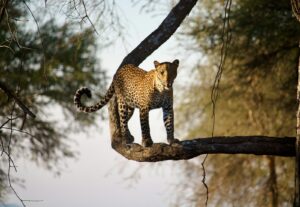
Serengeti National Park is famous for enormous open grasslands where wildlife can often be seen across great distances. Lions, elephants, giraffes, zebras, wildebeest, cheetahs, hyenas, leopards and numerous antelope species inhabit the ecosystem.
The park is also closely associated with the Great Wildebeest Migration.
More than a million wildebeest, accompanied by large numbers of zebras and gazelles, move through the Serengeti ecosystem following seasonal rainfall and fresh grazing.
Depending on when you travel, different regions of the Serengeti can offer different migration experiences.
Central Serengeti
Central Serengeti is one of the most reliable wildlife areas throughout the year.
The Seronera region contains permanent water sources and attracts predators and herbivores in every season. It is an excellent destination for travelers interested in lions, leopards, cheetahs and general game viewing.
Northern Serengeti
Northern Serengeti becomes particularly popular between approximately July and October when migrating herds move through the northern ecosystem.
During favorable conditions, travelers may witness dramatic river crossings as wildebeest attempt to cross crocodile-inhabited waterways.
Private safari itineraries are generally most suitable for travelers specifically targeting Northern Serengeti because of the additional distance involved.
Southern Serengeti and Ndutu
Between approximately December and April, large concentrations of migrating animals are often found around southern Serengeti and the Ndutu ecosystem.
January and February are especially popular for travelers hoping to experience the wildebeest calving season.
Thousands of calves may be born during this period, attracting predators including lions, cheetahs and hyenas.
For photographers and wildlife enthusiasts, an Ndutu safari can be one of Tanzania’s most rewarding seasonal experiences.
Ngorongoro Crater
Ngorongoro Crater is another major highlight of the best Tanzania safari tour.
The crater is part of the Ngorongoro Conservation Area and contains an extraordinary concentration of wildlife within a relatively compact landscape.
Safari vehicles descend from the crater rim onto the floor for game viewing.
During a typical crater safari, travelers may encounter:
- Lions
- Elephants
- Buffalo
- Zebras
- Wildebeest
- Hippos
- Hyenas
- Jackals
- Gazelles
- Flamingos and other birdlife
The crater is also one of Tanzania’s most important places for travelers hoping to see the critically endangered black rhinoceros.
Because lions, buffalo, elephants, rhinos and occasionally leopards can all occur in the broader Ngorongoro ecosystem, the destination is frequently associated with Big Five safari experiences.
The scenery itself makes Ngorongoro unforgettable. Forested crater walls surround open grassland, marshes, lakes and woodland, creating a natural amphitheater filled with wildlife.
Tarangire National Park
Tarangire is sometimes underestimated by first-time visitors, but it can become one of the biggest surprises of a Tanzania safari.
The park is famous for its enormous baobab trees and significant elephant population.
During the dry season, animals concentrate around the Tarangire River and remaining water sources, producing excellent wildlife viewing opportunities.
Possible sightings include:
- Large elephant families
- Lions
- Leopards
- Giraffes
- Zebras
- Wildebeest
- Buffalo
- Impalas
- Warthogs
- Ostriches
- Numerous bird species
Tarangire works particularly well as the first destination on a Northern Circuit safari departing from Arusha.
The drive from Arusha is considerably shorter than driving directly to Serengeti, allowing travelers to begin wildlife viewing early in their trip.
Lake Manyara National Park
Lake Manyara is located close to the Great Rift Valley escarpment.
Although smaller than Serengeti and Tarangire, the park contains a surprisingly diverse combination of habitats.
Visitors can experience groundwater forest, woodland, open plains and lakeshore environments during one game drive.
Wildlife may include elephants, giraffes, buffalo, baboons, hippos, monkeys and numerous bird species.
The area is historically famous for tree-climbing lions, although sightings are never guaranteed.
Lake Manyara is often incorporated into five-day or longer Northern Circuit safari itineraries.
What Is the Best Tanzania Safari Tour Itinerary?
There is no single itinerary that works for every traveler.
The best itinerary depends on how many days you have, your budget, the month you travel and your wildlife priorities.
Here are some of the most popular options.
3-Day Tanzania Safari
A short safari works well for travelers visiting Tanzania with limited time.
Day 1: Arusha – Serengeti
Depart early and travel toward Serengeti National Park.
After completing park formalities, continue into the Serengeti for an afternoon game drive.
Look for lions, giraffes, zebras, elephants and other wildlife before continuing to your campsite, tented camp or lodge.
Day 2: Serengeti – Ngorongoro Area
Enjoy another Serengeti game drive in the morning.
Your guide will explore productive wildlife areas based on recent animal movements.
Later, drive toward Ngorongoro for your overnight stay.
Day 3: Ngorongoro Crater – Arusha
Descend into Ngorongoro Crater for game viewing.
Search for lions, elephants, buffalo, hippos, wildebeest and the elusive black rhino.
After the safari, return to Arusha.
This itinerary is ideal for travelers whose main priorities are Serengeti and Ngorongoro.
4-Day Best Tanzania Safari Tour
A four-day safari provides more variety and is one of the most popular options for first-time visitors.
Day 1: Arusha – Tarangire National Park
Your safari begins with pickup in Arusha.
Drive to Tarangire National Park and begin your first game drive.
Explore landscapes dominated by baobab trees while searching for elephants, giraffes, lions, zebras and other wildlife.
After the game drive, continue to your accommodation.
Day 2: Serengeti National Park
Travel through the Ngorongoro highlands toward Serengeti.
The landscape gradually changes as you approach the vast plains.
Enjoy wildlife viewing in the Serengeti before traveling to your overnight accommodation.
Day 3: Serengeti – Ngorongoro
Begin with an early Serengeti game drive.
Morning is often an excellent period for predator activity.
Your guide may search river valleys, kopjes and open grasslands for lions, cheetahs, leopards and other wildlife.
Later, travel toward the Ngorongoro Conservation Area.
Day 4: Ngorongoro Crater – Arusha
Descend into Ngorongoro Crater early in the morning.
Spend several hours exploring the crater floor before returning to Arusha in the afternoon.
For travelers with four days available, this itinerary provides a fantastic introduction to Tanzania’s Northern Circuit.
5-Day Tanzania Safari Tour
A five-day itinerary offers a more relaxed experience and allows travelers to explore several national parks.
A popular route includes:
Day 1: Arusha to Tarangire National Park
Day 2: Tarangire area to Serengeti National Park
Day 3: Full or extended Serengeti wildlife experience
Day 4: Serengeti to Ngorongoro area
Day 5: Ngorongoro Crater and return to Arusha
Lake Manyara can sometimes replace Tarangire or be included depending on the final route.
Five days gives travelers more time for game drives and reduces the pressure of fitting Tanzania’s most important attractions into a short trip.
6-Day Tanzania Safari Tour
For travelers wanting additional wildlife time, six days provides greater flexibility.
One possible itinerary is:
Day 1 – Arusha to Tarangire
Begin with Tarangire’s elephants, baobab forests and river ecosystem.
Day 2 – Tarangire to Serengeti
Travel through the Ngorongoro highlands and enter Serengeti.
Day 3 – Full-Day Serengeti Safari
Spend an entire day exploring the Serengeti.
Rather than simply passing through the park, you have more opportunities to locate predators and spend time observing wildlife behavior.
Day 4 – Additional Serengeti Exploration
Enjoy another game drive, particularly valuable for photographers and travelers wanting a slower safari experience.
Day 5 – Serengeti to Ngorongoro
Enjoy morning wildlife viewing before driving toward Ngorongoro.
Day 6 – Ngorongoro Crater to Arusha
Complete your adventure with a crater game drive before returning to Arusha.
7-Day Best Tanzania Safari Tour
Seven days provides an excellent balance between wildlife viewing and comfortable pacing.
A typical route can combine:
- Tarangire National Park
- Lake Manyara or additional Tarangire exploration
- Serengeti National Park
- Serengeti National Park
- Serengeti and Ngorongoro Conservation Area
- Ngorongoro Crater
- Cultural activities or return to Arusha
Private seven-day itineraries can also be customized around seasonal wildlife movements.
For example, during migration periods you may choose to spend additional nights in Northern Serengeti or Ndutu rather than visiting every park.
Private or Shared Tanzania Safari?
Travelers planning the best Tanzania safari tour commonly choose between private and shared safaris.
Private Tanzania Safari
A private safari provides a dedicated safari vehicle and guide for your party.
It is particularly suitable for:
- Couples
- Honeymooners
- Families
- Photographers
- Friends traveling together
- Travelers requiring flexible schedules
- Guests visiting remote migration areas
Because the vehicle belongs exclusively to your group, game-drive timing can be more flexible.
If you find lions hunting or elephants approaching a waterhole, you may often spend additional time observing the scene.
Private safaris also provide greater flexibility when selecting accommodation.
Shared Tanzania Safari
Shared safaris are ideal for budget-conscious travelers who enjoy meeting other visitors.
Travelers join other safari guests traveling along a similar route.
A well-designed shared safari provides an affordable way to experience major destinations such as Tarangire, Serengeti and Ngorongoro Crater.
Our shared safari vehicles normally accommodate up to seven travelers, allowing each guest access to a window seat for wildlife viewing.
Shared tours generally operate fixed routes and schedules, so they provide less itinerary flexibility than private safaris.
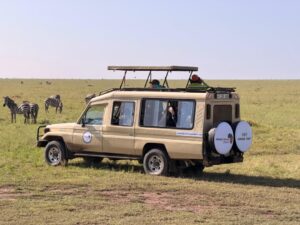
Tanzania Safari Vehicle
The vehicle plays an important role in your safari experience.
Tanzania safaris generally operate using specially prepared 4×4 Land Cruisers designed for wildlife viewing.
A safari vehicle may include:
- Pop-up roof
- Large windows
- Charging sockets or USB connections
- Cooler or refrigerator
- Seatbelts
- First-aid equipment
- Radio communication
- Space for luggage
- Wildlife viewing access from the roof
The pop-up roof allows travelers to stand while photographing animals without leaving the vehicle.
Your safari guide also maintains communication with other guides, helping locate interesting wildlife activity while respecting park regulations.
Accommodation Options
The best Tanzania safari tour can be designed around several accommodation categories.
Budget Camping Safari
Camping offers one of the most adventurous ways to experience Tanzania.
Travelers stay at designated campsites and sleep in safari tents.
Camping equipment usually includes a tent, mattress, pillow and sleeping bag.
Meals are prepared during the safari, and public campsites generally have shared bathroom facilities.
Camping is especially popular with travelers looking for an affordable safari with a strong wilderness atmosphere.
Mid-Range Lodge Safari
Mid-range safaris provide more comfort while remaining relatively affordable.
Accommodation may include:
- Safari lodges
- Tented camps
- Permanent safari tents
- Private bathrooms
- Comfortable beds
- Restaurant facilities
This is one of the most popular categories for couples and first-time safari travelers.
Luxury Tanzania Safari
Luxury safari accommodation can provide an exceptional level of comfort in remote wildlife areas.
Depending on the property, facilities may include:
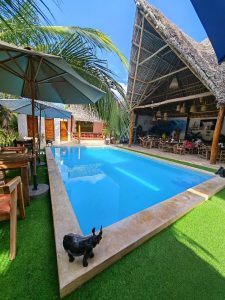
- Spacious suites
- Private verandas
- Swimming pools
- Premium dining
- Scenic wilderness locations
- Personalized service
- Luxury tented suites
Luxury safari itineraries are especially popular for honeymoons and special celebrations.
Best Time for a Tanzania Safari
Tanzania is a year-round wildlife destination, although conditions vary by season.
June to October
The dry season is one of the most popular periods for safari travel.
Vegetation becomes thinner and animals often concentrate near permanent water.
This period is excellent for Tarangire, Ngorongoro and Serengeti.
Northern Serengeti is particularly interesting during the migration season between approximately July and October.
December to March
This is an exciting period for southern Serengeti and Ndutu.
Large migrating herds gather across nutrient-rich short-grass plains.
January and February are particularly famous for wildebeest calving.
The abundance of newborn animals also attracts predators.
April and May
These months generally receive more rainfall.
Landscapes become green and dramatic, and there may be fewer tourists in certain safari areas.
Rainfall can occasionally affect roads or wildlife movements, but photographers often appreciate the dramatic skies, green vegetation and softer light.
November
November is often associated with shorter seasonal rains.
Wildlife viewing remains possible, and the changing landscape can create beautiful photographic conditions.
Can You See the Big Five in Tanzania?
Yes.
The legendary African Big Five are:
- Lion
- Leopard
- Elephant
- Buffalo
- Rhinoceros
Tanzania contains all five.
Serengeti is excellent for lions and offers chances of seeing leopards.
Tarangire is renowned for elephants.
Buffalo occur across many northern safari areas.
Ngorongoro Crater provides one of Tanzania’s most important opportunities to look for black rhinoceros.
However, safari animals are wild and sightings can never be guaranteed.
That unpredictability is part of what makes an African safari exciting.
Great Wildebeest Migration Safari
For many travelers, the Great Migration is the ultimate Tanzania wildlife experience.
However, the migration does not happen in a single location throughout the year.
The animals continuously move through the Serengeti-Mara ecosystem according to rainfall and grazing conditions.
Approximate Seasonal Pattern
December–March: Southern Serengeti and Ndutu
January–February: Peak calving period
April–May: Herds gradually move north and west
June: Western and central migration areas
July–October: Northern Serengeti ecosystem
November: Herds begin moving south again as rainfall patterns change
Nature does not follow a fixed calendar, so exact herd locations vary annually.
When migration viewing is your highest priority, choosing the correct region is often more important than simply booking a safari labeled “Great Migration.”
Tanzania Safari for Honeymoon Couples
A Tanzania safari can be an outstanding honeymoon.
Couples can combine romantic wildlife experiences with beautiful lodges and tented camps.
A honeymoon itinerary may include:
- Private safari vehicle
- Luxury tented camps
- Serengeti sunset experiences
- Ngorongoro Crater
- Private dinners
- Balloon safari
- Zanzibar beach extension
A popular combination is approximately five to seven days of safari followed by four to seven nights in Zanzibar.
This provides adventure and relaxation within one holiday.
Tanzania Family Safari
Families can also enjoy Tanzania safely and comfortably with careful planning.
Private safaris are especially convenient because parents can control the pace.
Families may choose shorter game drives, comfortable lodges with swimming pools and accommodations offering family rooms.
Tarangire and Ngorongoro are particularly appealing because substantial wildlife can often be seen without spending several consecutive days deep inside the Serengeti.
Families traveling with young children should always discuss age requirements with their safari company, particularly for special activities such as walking safaris and balloon flights.
Tanzania Photography Safari
Wildlife photographers benefit considerably from private vehicles.
Private safaris allow photographers greater control over vehicle positioning and the amount of time spent at individual sightings.
Popular photography subjects include:
- Lions
- Leopards
- Cheetahs
- Elephants
- Giraffes
- Wildebeest herds
- Zebras
- Birds
- Sunrise landscapes
- Baobab trees
- Ngorongoro landscapes
Photographers should bring additional batteries, memory cards, suitable camera protection and a bean bag where possible.
A telephoto lens is valuable for wildlife, while a wider lens can capture landscapes and animals close to the vehicle.
Hot-Air Balloon Safari in Serengeti
A Serengeti balloon safari is one of the most memorable optional activities available.
Balloon excursions usually begin very early in the morning.
Guests are collected before sunrise and transferred to the launch area.
After a safety briefing, the balloon rises above the Serengeti plains.
Depending on the route and wildlife location, travelers may see animals, rivers, kopjes and enormous stretches of savannah from above.
Flights typically last around one hour, depending on wind conditions.
Many balloon experiences conclude with a celebratory breakfast.
Balloon safaris must normally be reserved in advance because capacity is limited.
What Is Included in a Tanzania Safari Tour?
Exact inclusions depend on the package, but a professionally arranged Tanzania safari commonly includes:
- 4×4 safari vehicle
- Professional safari driver-guide
- National park entry fees
- Ngorongoro conservation fees when applicable
- Accommodation according to itinerary
- Meals according to itinerary
- Drinking water during safari
- Game drives
- Government taxes
- Selected transfers
- Camping equipment on camping tours
Always review your quotation carefully because packages vary.
What Is Usually Not Included?
Depending on your booking, exclusions may include:
- International flights
- Tanzania visa
- Travel insurance
- Tips
- Alcoholic beverages
- Personal expenses
- Optional activities
- Balloon safari
- Additional hotel nights
- Certain airport transfers
- Laundry
- Souvenirs
Your final quotation should clearly identify all included and excluded services.
What to Pack for the Best Tanzania Safari Tour
Pack lightly and prioritize comfort.
Recommended items include:
- Neutral-colored clothing
- Lightweight shirts
- Comfortable trousers
- Warm jacket or fleece
- Hat
- Sunglasses
- Sunscreen
- Comfortable walking shoes
- Camera
- Binoculars
- Power bank
- Personal medication
- Insect repellent
- Small backpack
- Reusable water bottle
Ngorongoro can become cold early in the morning, particularly near the crater rim, so carrying a warm layer is recommended even when daytime temperatures are warm.
Soft-sided luggage is normally easier to store inside safari vehicles than large hard-shell suitcases.
Tanzania Safari and Zanzibar Combination
Combining safari with Zanzibar is one of Tanzania’s most popular holiday options.
After several days of early safari mornings and exciting game drives, travelers can fly to Zanzibar and relax beside the Indian Ocean.
A sample itinerary may include:
Day 1: Tarangire
Day 2: Serengeti
Day 3: Serengeti
Day 4: Ngorongoro
Day 5: Fly or transfer toward Zanzibar
Days 6–10: Zanzibar beach holiday
Zanzibar offers beaches, snorkeling, diving, Stone Town, spice farms and various marine excursions.
For honeymooners, the safari-and-Zanzibar combination is particularly attractive.
How Many Days Do You Need for Tanzania Safari?
For most first-time visitors, four to seven days provides an excellent Northern Circuit experience.
2–3 Days
Best when time is very limited.
Focus on two or three destinations rather than attempting to visit everything.
4 Days
Excellent introduction to Tarangire, Serengeti and Ngorongoro.
5 Days
One of the best balances between time, budget and wildlife diversity.
6–7 Days
Recommended if you want additional Serengeti game viewing and a more comfortable pace.
8–10+ Days
Ideal for travelers wanting remote regions, migration-focused routes or combinations involving Northern Serengeti, Ndutu or cultural activities.
Why Book a Local Tanzania Safari Operator?
Working with a Tanzania-based safari company can provide several advantages.
A local operator understands:
- Road conditions
- Seasonal wildlife movements
- Park logistics
- Accommodation locations
- Driving distances
- Regional weather patterns
- Safari vehicle requirements
- Local culture
Perhaps most importantly, a knowledgeable operator can recommend an itinerary that is realistic.
Safari maps can make destinations appear close together, but driving through national parks takes time.
A well-designed itinerary ensures you spend more time watching wildlife rather than constantly moving between accommodations.
Why Choose Kilipath African Safaris?
At Kilipath African Safaris, our goal is to create Tanzania safari experiences that balance wildlife viewing, comfort and practical travel logistics.
Depending on your preference, we can arrange:
- Private Tanzania safaris
- Shared Tanzania safaris
- Budget camping tours
- Mid-range lodge safaris
- Luxury safaris
- Honeymoon safaris
- Migration safaris
- Family safaris
- Photography safaris
- Safari and Zanzibar combinations
- Airport transfers
- Customized itineraries
Our safari vehicles are designed for wildlife viewing, and our guides understand Tanzania’s national parks, wildlife behavior and safari routes.
Rather than using one itinerary for everyone, your safari can be planned according to your available dates and priorities.
How to Choose the Best Tanzania Safari Tour
Before booking, consider five important questions.
1. How Many Days Do You Have?
Your available time determines how many parks can realistically be visited.
Do not try to include too many destinations in a short itinerary.
2. What Is Your Safari Budget?
Camping, mid-range and luxury safaris provide very different accommodation experiences.
Your safari consultant can recommend the best route within your budget.
3. Private or Shared?
Choose private if flexibility and personalization are priorities.
Choose shared if affordability and meeting other travelers are more important.
4. What Wildlife Do You Want to See?
If your priority is general wildlife and the Big Five, Serengeti plus Ngorongoro is an excellent combination.
If elephants are particularly important, include Tarangire.
If your priority is the migration, your route should be designed around the season.
5. What Month Are You Traveling?
Seasonality matters enormously for migration-focused trips.
Tell your safari consultant your travel dates before choosing accommodation.
Book the Best Tanzania Safari Tour
A Tanzania safari is more than a holiday. It is an opportunity to watch elephants crossing beneath ancient baobabs, hear lions calling across the Serengeti, witness thousands of wildebeest moving across open plains and descend into one of the world’s most extraordinary wildlife landscapes at Ngorongoro Crater.
The key to creating the best Tanzania safari tour is choosing the right destinations for your season, allowing enough time for wildlife viewing and selecting an itinerary that matches your preferred comfort level.
Whether you want an affordable shared adventure, a private mid-range safari, a luxury honeymoon or a migration-focused wildlife expedition, we can help design an itinerary around your travel dates.
Start Planning Your Tanzania Safari
Send us:
- Your travel dates
- Number of travelers
- Preferred safari length
- Private or shared preference
- Budget range
- Preferred accommodation category
- Wildlife or destinations you especially want to experience
Our team at Kilipath African Safaris can then recommend the most suitable Tanzania safari itinerary for your trip.
Ready to experience Tanzania? Contact Kilipath African Safaris and start planning your unforgettable African safari adventure today.