A Ruaha and Northern Circuit safari offers one of the most complete wildlife experiences in Tanzania. It combines the remote landscapes of Ruaha National Park with internationally renowned destinations such as Serengeti National Park, the Ngorongoro Crater, Tarangire National Park, and Lake Manyara National Park.
Ruaha is celebrated for its wilderness, large elephant populations, predators, baobab-covered landscapes, and relatively small number of visitors. Tanzania’s Northern Circuit provides exceptional wildlife density, comfortable accommodations, dramatic scenery, and opportunities to witness the Great Wildebeest Migration.
Combining these regions allows travelers to experience two contrasting sides of Tanzania. In Ruaha, game drives feel private and adventurous. In the Northern Circuit, travelers can explore some of Africa’s most famous conservation areas and encounter a remarkable variety of wildlife.
Why Combine Ruaha with the Northern Circuit?
Many Tanzania safari itineraries concentrate entirely on the Northern Circuit. Although this region is outstanding, adding Ruaha introduces a different environment and atmosphere.
Ruaha National Park is situated in southern-central Tanzania. Its ecosystem is influenced by both eastern and southern African vegetation, creating an unusual combination of wildlife habitats. The Great Ruaha River attracts animals during the dry season, while rocky hills, seasonal rivers and enormous baobab trees shape the landscape.
The Northern Circuit presents a different experience. Serengeti is famous for its plains and seasonal migration. Ngorongoro offers concentrated wildlife inside a volcanic caldera, while Tarangire is known for elephants and baobabs. Lake Manyara provides forests, wetlands, birdlife and scenic views beneath the Rift Valley escarpment.
A combined safari provides:
- Greater diversity of landscapes
- Excellent predator-viewing opportunities
- Both remote and famous wildlife areas
- More varied accommodation choices
- Opportunities to see the Great Migration
- Exceptional photography experiences
- A deeper understanding of Tanzania’s ecosystems
Ruaha National Park Safari Experience
Ruaha National Park is one of Tanzania’s largest protected areas. It forms an essential part of the broader Rungwa–Kizigo–Ruaha ecosystem and is particularly attractive to experienced safari travelers who want to explore beyond the most popular routes.
The park’s remote location helps preserve its uncrowded character. Visitors may spend hours exploring the wilderness without meeting many other safari vehicles.
Wildlife in Ruaha National Park
Ruaha supports an impressive diversity of wildlife. The park is particularly well known for elephants, lions and African wild dogs.
Animals frequently observed include:
- African elephants
- Lions
- Leopards
- Cheetahs
- African wild dogs
- Spotted hyenas
- Giraffes
- Zebras
- Greater and lesser kudu
- Sable and roan antelopes
- Hippos
- Crocodiles
- Buffaloes
- Jackals
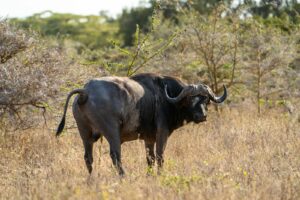
Ruaha’s lion population is one of its greatest attractions. Large prides sometimes hunt buffaloes and other sizeable prey. Leopards are usually more secretive, but patient travelers may find them resting in trees or moving near dry riverbeds.
African wild dogs are another significant highlight. Sightings cannot be guaranteed because the packs cover large territories, but Ruaha remains an important habitat for this endangered predator.
The Great Ruaha River
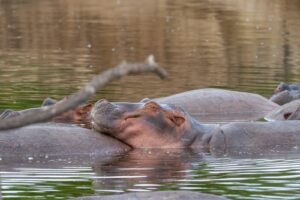
The Great Ruaha River is one of the park’s most important natural features. During the dry season, animals gather around its remaining pools and channels. Elephants dig into the sandy riverbed in search of underground water, while crocodiles, hippos and numerous bird species occupy the permanent pools.
Game drives along the river can produce excellent sightings, particularly in the morning and late afternoon. Predators often follow concentrations of antelopes, zebras, giraffes and buffaloes coming to drink.
Landscapes of Ruaha
Ruaha’s scenery is dramatically different from the open plains of Serengeti. Visitors encounter rocky hills, river valleys, miombo woodland, savannah, acacia forests and striking baobab trees.
These changing landscapes make Ruaha particularly rewarding for photographers. Wildlife can be photographed against mountains, rivers, woodlands and ancient trees instead of a single type of background.
Tanzania Northern Circuit Safari Experience
The Northern Circuit is Tanzania’s most established safari route. It is easily accessible from Arusha and includes several internationally recognized parks and conservation areas.
A complete Northern Circuit journey may feature Tarangire, Lake Manyara, Ngorongoro and Serengeti. Travelers with additional time can also visit Arusha National Park, Lake Natron or the Ndutu region.
Tarangire National Park
Tarangire is often the first destination on a Northern Circuit itinerary. The park is approximately two to three hours from Arusha, making it convenient for the opening day of a safari.
The Tarangire River is the park’s primary water source during the dry season. Large numbers of elephants, zebras, wildebeests, giraffes and buffaloes gather around the river and nearby swamps.
Tarangire is especially known for:
- Large elephant herds
- Ancient baobab trees
- Diverse birdlife
- Tree-climbing pythons
- Seasonal wildlife concentrations
- Quiet areas away from the main routes
The dry season usually provides excellent wildlife viewing because animals concentrate near reliable water sources.
Lake Manyara National Park
Lake Manyara National Park lies between the alkaline lake and the Great Rift Valley escarpment. Although it is smaller than the other parks, it contains a surprising variety of habitats.
Visitors may explore groundwater forests, open floodplains, acacia woodland, wetlands and the edge of Lake Manyara. Wildlife includes elephants, giraffes, zebras, buffaloes, hippos, baboons and several antelope species.
The park is historically associated with tree-climbing lions, although sightings are not guaranteed. It is also a good destination for observing primates and birds.
Lake Manyara can be included as a full-day activity or a shorter game drive while traveling between Arusha, Tarangire and Karatu.
Ngorongoro Crater
The Ngorongoro Crater is one of the world’s most remarkable natural wildlife destinations. It was formed following the collapse of a massive ancient volcano and now contains forests, grasslands, wetlands and a seasonal soda lake.
The crater floor supports a high concentration of animals throughout the year. Visitors can potentially see:
- Lions
- Elephants
- Buffaloes
- Hippos
- Zebras
- Wildebeests
- Spotted hyenas
- Jackals
- Flamingos
- Black rhinoceroses
Black rhinos are among the crater’s most sought-after animals. Sightings depend on luck, distance and weather, but Ngorongoro remains one of Tanzania’s better places to search for them.
Visitors normally enter the crater early in the morning and spend approximately four to six hours on the crater floor. Starting early helps avoid some of the traffic and provides better morning light for photography.
Serengeti National Park
Serengeti is the centerpiece of many Northern Circuit safaris. Its name is associated with expansive plains, abundant predators and the Great Wildebeest Migration.
The park is divided into several wildlife regions:
- Central Serengeti
- Northern Serengeti
- Western Corridor
- Southern Serengeti and Ndutu
- Eastern Serengeti
Central Serengeti provides reliable wildlife viewing throughout the year. Its river valleys and rocky kopjes support resident populations of lions, leopards, cheetahs, elephants, giraffes and antelopes.
Northern Serengeti is famous for migration river crossings between approximately July and October. Ndutu and the southern plains are especially important during the calving period, usually from December to March, although seasonal conditions can affect the animals’ movements.
The Great Wildebeest Migration
Travelers planning a Ruaha and Northern Circuit safari often want to include the Great Migration. More than a million wildebeests, accompanied by zebras and gazelles, move through the Serengeti–Mara ecosystem in search of fresh grazing and water.
The migration is a continuous natural cycle rather than a single event. Its approximate seasonal pattern is:
- December to March: Calving season around Ndutu and the southern plains
- April to May: Herds move through central and western areas
- June to July: Movement toward the Western Corridor and northern regions
- July to October: Possible Mara River crossings in Northern Serengeti
- November: Herds begin returning south as rains develop
Wildlife movements depend on rainfall, grass and water. Consequently, no operator can guarantee a river crossing or an exact herd location months in advance.
Suggested Ruaha and Northern Circuit Itinerary
Because Ruaha and the Northern Circuit are separated by a considerable distance, flying between regions is generally the most convenient arrangement.
Day 1: Arrival in Arusha
Arrive at Kilimanjaro International Airport and meet your safari representative. Transfer to an accommodation in Arusha for dinner and relaxation.
Day 2: Arusha to Tarangire
Drive to Tarangire National Park for a game drive. Explore the Tarangire River, baobab-covered plains and elephant habitats. Stay near Tarangire or continue to Karatu.
Day 3: Ngorongoro Crater
Descend into the Ngorongoro Crater for a wildlife drive. Search for lions, elephants, buffaloes, hippos and black rhinos. Continue toward Serengeti or stay near the crater.
Days 4–6: Serengeti National Park
Spend several days exploring the appropriate Serengeti region. The exact location can be chosen according to the season and migration movement.
Day 7: Serengeti to Arusha
Take a scheduled flight from Serengeti to Arusha. Depending on the flight schedule, stay overnight in Arusha before continuing to Ruaha.
Day 8: Fly to Ruaha National Park
Fly from Arusha to Ruaha and meet a guide at the airstrip. Begin exploring the park during an afternoon game drive.
Days 9–11: Ruaha Safari
Enjoy morning, afternoon or full-day game drives. Explore the Great Ruaha River, baobab valleys, rocky areas and predator habitats.
Day 12: Departure
Take a scheduled flight from Ruaha to Dar es Salaam or Zanzibar. Continue with an international flight or beach holiday.
This itinerary can be shortened or extended according to the traveler’s schedule, budget and preferred pace.
How Many Days Are Needed?
A combined Ruaha and Northern Circuit journey should ideally last at least ten days. Twelve to fourteen days provides a more comfortable experience.
A shorter safari may feel rushed because it involves multiple parks, flights and long game-drive days. Travelers interested in photography, migration viewing or walking activities may benefit from additional nights.
A balanced itinerary could include:
- Two nights around Tarangire and Ngorongoro
- Three or four nights in Serengeti
- Three or four nights in Ruaha
- One or two transit nights in Arusha
Best Time for a Ruaha and Northern Circuit Safari
The best period depends on the traveler’s main interests.
June to October
The dry season is excellent for combining Ruaha and the Northern Circuit. Ruaha’s wildlife concentrates near rivers and permanent water sources. Tarangire also receives large numbers of elephants and herbivores.
Between July and October, travelers may visit Northern Serengeti for a chance to observe the migration and Mara River crossings.
This is a popular travel period, so accommodations and flights should be reserved early.
December to March
This period is particularly attractive for travelers interested in the Ndutu calving season. Thousands of wildebeest calves are born on the southern plains, attracting lions, cheetahs, hyenas and other predators.
Ruaha is greener during this period. Wildlife may be more dispersed, but the landscapes are beautiful, birdlife is excellent and visitor numbers are generally lower.
April and May
These months form part of Tanzania’s long-rain season. Some remote Ruaha accommodations may close, and road conditions can be challenging.
However, operational lodges sometimes provide seasonal offers. Travelers should verify flight schedules, lodge availability and road conditions before booking.
Accommodation Options
A Ruaha and Northern Circuit safari can be arranged using mid-range tented camps, luxury lodges or a mixture of accommodation categories.
Accommodation in Ruaha
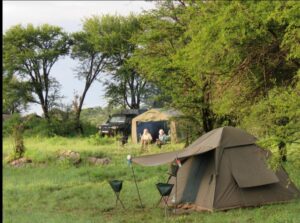
Ruaha accommodations are generally designed to complement the natural environment. Many are small camps with a limited number of tents or rooms.
Depending on the selected property, travelers may receive:
- Private en-suite bathrooms
- Solar-powered electricity
- Full-board meals
- Laundry services
- Wi-Fi in common areas
- Guided game drives
- Walking safari opportunities
Remote camps may have limited connectivity. This is part of Ruaha’s appeal, but travelers should understand the facilities before booking.
Northern Circuit Accommodation
The Northern Circuit has a broader accommodation selection, including:
- Budget campsites
- Permanent tented camps
- Mid-range lodges
- Mobile migration camps
- Luxury safari lodges
- Exclusive-use villas
Mobile camps move seasonally or operate in locations close to the migration. They can provide excellent access to wildlife but should be booked early during peak periods.
Private Versus Shared Safari
A combined Ruaha and Northern Circuit itinerary is best arranged as a private safari or a customized fly-in package.
Private tours offer:
- A dedicated safari vehicle
- Flexible departure times
- More time at preferred sightings
- Personalized accommodation selection
- Greater luggage flexibility
- Easier coordination between flights and transfers
Shared safaris can reduce costs in the Northern Circuit, but they normally follow fixed routes and schedules. Shared departures to remote Ruaha are less common.
Fly-In Versus Driving Safari
Ruaha is located far from Tanzania’s Northern Circuit. Driving the complete distance requires additional days and can be tiring.
Scheduled flights provide the most practical connection. Depending on routing and operating schedules, travelers may fly through Arusha, Dar es Salaam or another airstrip connection.
A fly-in arrangement offers:
- Shorter travel time
- More time for game viewing
- Scenic aerial views
- Easier access to remote camps
- Greater comfort between distant regions
Light aircraft normally have stricter luggage restrictions. Soft-sided bags are recommended, and travelers should confirm the permitted weight with their operator.
Estimated Safari Cost
The price of a Ruaha and Northern Circuit safari varies according to:
- Travel season
- Number of travelers
- Safari duration
- Accommodation category
- Domestic flight costs
- Private or shared vehicle arrangement
- Selected Serengeti region
- Additional activities
Ruaha can cost more than some Northern Circuit destinations because of domestic flights, remote operations and smaller camps. However, it delivers excellent value for travelers seeking privacy and untouched wilderness.
A detailed quotation should clearly show what is included and excluded.
What Is Normally Included?
A complete package commonly includes:
- Private 4×4 safari vehicle
- Professional English-speaking guide
- Park entrance fees
- Ngorongoro Crater service fee
- Accommodation
- Meals during the safari
- Drinking water
- Scheduled domestic flights
- Airport and airstrip transfers
- Government taxes
Travelers should confirm whether soft drinks, alcoholic beverages, laundry, gratuities, travel insurance and optional activities are included.
Packing for the Safari
Pack light, comfortable clothing in neutral colors. Ruaha and the Northern Circuit may experience significant temperature variations.
Recommended items include:
- Lightweight shirts and trousers
- Warm fleece or jacket
- Comfortable closed shoes
- Hat and sunglasses
- Sunscreen
- Insect repellent
- Binoculars
- Camera and spare batteries
- Personal medication
- Small daypack
- Reusable water bottle
- Travel documents
Early mornings at Ngorongoro can be cold, while Ruaha may become hot during the afternoon. Layered clothing is therefore useful.
Final Thoughts
A Ruaha and Northern Circuit safari is ideal for travelers who want more than a standard Tanzania itinerary. It combines Serengeti’s plains, Ngorongoro’s wildlife-rich crater, Tarangire’s elephants and Ruaha’s remote wilderness.
The journey requires thoughtful planning because of the distances and domestic-flight connections. However, the reward is an exceptionally diverse safari featuring contrasting ecosystems, abundant wildlife, iconic destinations and quiet natural areas.
For the best experience, allocate enough time to explore both regions without rushing. Select the Serengeti location according to the season, reserve flights and camps early, and work with an experienced Tanzania safari operator to coordinate every transfer.