A Serengeti safari combined with Tanzania’s Southern Circuit offers one of Africa’s most rewarding wildlife adventures. The journey brings together the famous open plains and Great Migration of Serengeti National Park with the remote wilderness of Nyerere National Park, Ruaha National Park, and Mikumi National Park.
It is important to understand that Serengeti National Park is geographically part of Tanzania’s Northern Safari Circuit. The term “Serengeti safari Southern Circuit” usually describes an itinerary that combines the Serengeti with destinations in southern Tanzania. It can also refer to exploring the southern section of the Serengeti ecosystem, including Ndutu and the short-grass plains.
Combining the two regions is ideal for travelers who want more than a traditional safari. The Serengeti provides iconic landscapes, large predator populations, and seasonal migration activity. Southern Tanzania delivers quieter game drives, boat safaris, walking experiences, and a strong sense of untouched wilderness.
This Serengeti safari Southern Circuit travel guide explains the best destinations, travel seasons, recommended itineraries, transportation, accommodations, wildlife, and practical planning considerations.
Why Combine the Serengeti and Southern Circuit?
The Serengeti and Southern Circuit offer distinctly different safari experiences. Visiting both regions creates a more complete introduction to Tanzania’s wildlife and landscapes.
In the Serengeti, travelers can enjoy:
- Vast open grasslands
- Large populations of lions, cheetahs, and leopards
- The Great Wildebeest Migration
- Excellent year-round game viewing
- Hot-air balloon safaris
- Classic African safari scenery
Southern Tanzania offers:
- Fewer vehicles around wildlife sightings
- Large and remote wilderness areas
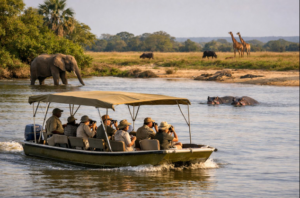
- Boat safaris in Nyerere National Park
- Walking safaris in selected locations
- Excellent elephant and predator sightings
- A peaceful and exclusive atmosphere
The combination is particularly attractive to photographers, honeymooners, returning safari travelers, wildlife enthusiasts, and visitors who prefer longer private itineraries.
Understanding Tanzania’s Safari Circuits
Tanzania’s safari destinations are commonly divided into northern, southern and western circuits.
Northern Safari Circuit
The Northern Circuit includes:
- Serengeti National Park
- Ngorongoro Conservation Area
- Tarangire National Park
- Lake Manyara National Park
- Arusha National Park
This is Tanzania’s most famous safari region. Its parks are commonly explored by road from Arusha, although scheduled flights are also available.
Southern Safari Circuit
The Southern Circuit generally includes:
- Nyerere National Park
- Ruaha National Park
- Mikumi National Park
- Udzungwa Mountains National Park
- Saadani National Park
These destinations are more spread out than those in northern Tanzania. Flights are often the most comfortable way to combine them, especially when adding the Serengeti.
Southern Serengeti
The southern Serengeti is not part of Tanzania’s Southern Circuit. It is the southern portion of the Serengeti ecosystem, extending toward the Ngorongoro Conservation Area and Ndutu region.
From approximately December through March, this region becomes particularly important because large herds of wildebeest gather on the nutrient-rich short-grass plains. The calving season usually reaches its peak between late January and February, although wildlife movement depends on rainfall.
Best Destinations for a Serengeti and Southern Circuit Safari
1. Serengeti National Park
Serengeti National Park is one of Africa’s most celebrated wildlife areas. Its name comes from a Maasai expression commonly interpreted as “endless plains,” an appropriate description of its enormous grassland landscapes.
The park is divided into several wildlife-viewing regions.
Central Serengeti
Central Serengeti, also known as Seronera, is an excellent year-round destination. Permanent water sources support resident wildlife even when migratory herds are in other areas.
Common sightings include:
- Lions
- Leopards
- Cheetahs
- Elephants
- Giraffes
- Buffaloes
- Hippos
- Hyenas
- Zebras
- Wildebeest
Central Serengeti is an excellent choice for first-time visitors because it provides reliable wildlife viewing throughout the year.
Southern Serengeti and Ndutu
The southern plains become particularly active during the green season. Wildebeest arrive to feed on fresh grass and give birth to their young. The abundance of vulnerable calves attracts lions, cheetahs, hyenas, and other predators.
This region is recommended from December to March, with February often considered an excellent period for observing the calving season.
Western Corridor
The Western Corridor includes the Grumeti region. Migration herds often move through this area between approximately May and July.
Travelers may see wildebeest crossing rivers, although the timing varies every year. The region is also known for crocodiles, hippos, elephants, and resident predators.
Northern Serengeti
Northern Serengeti is famous for the Mara River and seasonal wildebeest crossings. The area is generally most popular from July through October.
River crossings are natural events and cannot be guaranteed on a particular day. A stay of at least three nights gives travelers a better opportunity to explore different crossing points and follow the movement of the herds.
2. Nyerere National Park
Nyerere National Park is one of Africa’s largest protected wildlife areas. It forms part of the wider Selous ecosystem and offers a very different experience from the Serengeti.
Its landscape includes:
- Rivers
- Lakes
- Woodland
- Open grassland
- Palm-fringed channels
- Seasonal floodplains
The Rufiji River is central to the park’s ecosystem. It supports hippos, crocodiles, waterbirds, elephants, and many other animals.
Activities in Nyerere
Depending on the camp, season, and location, visitors can enjoy:
- Traditional game drives
- Boat safaris
- Guided walking safaris
- Birdwatching
- Photography
- Sundowner experiences
Boat safaris are one of Nyerere’s greatest attractions. Guests can observe animals from the water while enjoying a peaceful perspective unavailable in most northern parks.
Wildlife in Nyerere
Possible sightings include:
- African wild dogs
- Lions
- Elephants
- Buffaloes
- Giraffes
- Hippos
- Crocodiles
- Zebras
- Impalas
- Greater kudu
- Numerous bird species
Nyerere is an excellent destination for travelers who value variety, privacy, and unusual safari activities.
3. Ruaha National Park
Ruaha National Park is known for rugged wilderness, dramatic baobab trees, seasonal rivers, and excellent predator sightings. It is one of Tanzania’s finest destinations for experienced safari travelers.
Ruaha lies in a transition zone where eastern and southern African ecosystems meet. This creates impressive habitat diversity and a rich collection of wildlife.
Wildlife Highlights
Ruaha may offer sightings of:
- Large elephant herds
- Lions
- Leopards
- Cheetahs
- African wild dogs
- Greater kudu
- Sable antelope
- Roan antelope
- Buffaloes
- Giraffes
- Zebras
The park is especially famous for its lions. Predator encounters can be excellent during the dry season when animals gather near remaining water sources.
Ruaha is less crowded than the Serengeti, allowing visitors to spend more time at sightings without being surrounded by many vehicles.
4. Mikumi National Park
Mikumi National Park is one of the most accessible parks in southern Tanzania. Its open Mkata Floodplain is sometimes compared with the grasslands of northern Tanzania.
Wildlife may include:
- Lions
- Elephants
- Buffaloes
- Giraffes
- Zebras
- Wildebeest
- Hippos
- Antelopes
- Numerous birds
Mikumi is suitable for travelers with limited time, those beginning or ending their journey in Dar es Salaam, and visitors combining wildlife with hiking in the Udzungwa Mountains.
Although it is smaller and generally busier than Ruaha or Nyerere, it provides convenient and rewarding game viewing.
5. Udzungwa Mountains National Park
Udzungwa offers a refreshing contrast to traditional vehicle-based safaris. The park is dominated by forested mountains, waterfalls, hiking trails, endemic plants, and primates.
A popular activity is hiking to Sanje Waterfall, where visitors can enjoy forest scenery and impressive views.
Udzungwa is particularly suitable for:
- Active travelers
- Hikers
- Birdwatchers
- Nature enthusiasts
- Travelers combining Mikumi with a different environment
It is not a typical Big Five destination. Its value lies in hiking, biodiversity, scenery, and primate observation.
Wildlife Experiences
The Great Wildebeest Migration
The Great Migration is a continuous movement of wildebeest, zebras, and gazelles through the Serengeti–Mara ecosystem. The animals follow rainfall and fresh grazing rather than a fixed calendar.
A general seasonal guide is:
| Period | Typical Area | Main Experience |
|---|---|---|
| December–March | Southern Serengeti and Ndutu | Calving, large herds and predators |
| April–May | Central and western areas | Herd movement and green scenery |
| May–July | Western Corridor | Grumeti region and possible crossings |
| July–October | Northern Serengeti | Mara River migration season |
| October–December | Northern and central areas | Herds moving southward |
These periods are approximate. Rainfall can cause the herds to arrive earlier, remain longer, or follow different routes.
Predator Sightings
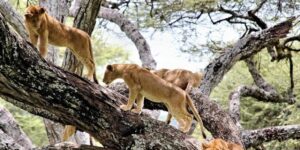
The Serengeti and Ruaha are especially strong predator destinations. Lions are regularly observed, while cheetahs prefer more open environments. Leopards are elusive but can be found around river valleys, woodland, and rocky outcrops.
Nyerere and Ruaha are also important habitats for African wild dogs. However, wild dogs travel across large territories, so sightings can never be guaranteed.
Elephant Encounters
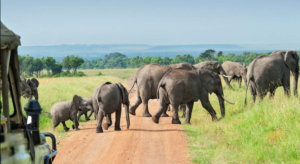
Elephants are present in both northern and southern Tanzania. Ruaha is particularly well known for elephants moving through its river systems and baobab-dominated landscapes.
Nyerere also supports significant elephant populations, while Serengeti sightings are common in central, western, and northern woodland areas.
Birdwatching
A combined safari provides outstanding bird diversity. Travelers may see:
- Fish eagles
- Secretary birds
- Lilac-breasted rollers
- Hornbills
- Vultures
- Bee-eaters
- Kingfishers
- Storks
- Herons
- Ostriches
The green season is particularly attractive for birding because migratory species arrive and many resident birds display breeding plumage.
Best Time for a Serengeti and Southern Circuit Safari
There is no single perfect time for every traveler. The ideal period depends on wildlife interests, preferred landscapes, budget, and tolerance for heat or rain.
June to October: Dry Season
The dry season is one of the best periods for combining Serengeti with Ruaha or Nyerere.
Advantages include:
- Wildlife gathering near water
- Easier animal observation
- Lower vegetation in many areas
- Comfortable conditions for game drives
- Excellent access to remote regions
- Northern Serengeti migration activity during part of the season
This is also a popular travel period, so lodges and flights should be reserved early.
November to December: Short Rains
The short rains bring fresh grass and dramatic skies. Wildlife remains active, migratory birds begin arriving, and some properties offer better-value rates.
Rain usually falls in temporary showers, although conditions vary from year to year.
January to March: Green Season and Calving
This is an excellent time for the southern Serengeti and Ndutu region. The landscape is green, the wildebeest calving season attracts predators, and photographic conditions can be beautiful.
Southern Circuit parks may also be green and productive, but road conditions can become more challenging after heavy rain.
April and May: Long Rains
These months are generally the wettest. Advantages may include:
- Fewer visitors
- Green landscapes
- Excellent birdlife
- Lower accommodation rates at participating lodges
- Dramatic photography
However, some remote southern camps close seasonally, roads can become difficult, and certain flights or activities may operate on reduced schedules.
Travelers planning a combined itinerary during these months should confirm that their preferred camps are open.
Recommended Serengeti and Southern Circuit Itineraries
Because the two safari regions are separated by long distances, a combination of driving and flying is usually most practical.
7-Day Serengeti and Nyerere Safari
Day 1: Arrival in Arusha
Arrive at Kilimanjaro International Airport and transfer to your hotel in Arusha.
Day 2: Fly to Serengeti
Fly from Arusha to Serengeti and enjoy an afternoon game drive.
Day 3: Full-Day Serengeti Safari
Explore the plains, river valleys, and wildlife-rich areas around your camp.
Day 4: Serengeti to Dar es Salaam or Zanzibar
Fly out of Serengeti. Depending on flight schedules, spend the night in Dar es Salaam or Zanzibar.
Day 5: Fly to Nyerere National Park
Arrive at the airstrip and begin your Southern Circuit experience.
Day 6: Nyerere Activities
Enjoy a game drive and, where available, a boat safari or guided walk.
Day 7: Departure
Take a final activity before flying to Dar es Salaam or Zanzibar.
This itinerary is possible but fast-paced. Travelers who want a more relaxed experience should add one or two nights.
10-Day Serengeti, Nyerere and Ruaha Safari
Day 1: Arrival in Arusha
Days 2–4: Serengeti National Park
Day 5: Travel and overnight connection
Days 6–7: Nyerere National Park
Days 8–9: Ruaha National Park
Day 10: Fly to Dar es Salaam or Zanzibar
This itinerary provides a strong balance between famous wildlife regions and remote wilderness.
12-Day Northern and Southern Tanzania Safari
Day 1: Arrival in Arusha
Day 2: Tarangire National Park
Day 3: Ngorongoro Crater
Days 4–6: Serengeti National Park
Day 7: Flight or connection to southern Tanzania
Days 8–9: Nyerere National Park
Days 10–11: Ruaha National Park
Day 12: Departure
This option is ideal for travelers visiting Tanzania for the first time who want an extensive safari.
14-Day Safari and Zanzibar Holiday
Days 1–2: Tarangire and Ngorongoro
Days 3–6: Serengeti
Days 7–9: Nyerere or Ruaha
Days 10–14: Zanzibar beach holiday
This itinerary combines game viewing with time to relax beside the Indian Ocean.
Getting Around
Traveling by Road
Road travel is practical within each individual circuit.
In northern Tanzania, Serengeti is commonly combined by road with Tarangire, Lake Manyara, and Ngorongoro. In southern Tanzania, Mikumi and Udzungwa can be combined overland, while some longer itineraries continue to Ruaha.
Driving directly from the Serengeti to southern parks is usually inefficient because of the long distances involved.
Flying Between Safari Regions
Scheduled or charter flights are generally the most convenient way to connect northern and southern Tanzania.
Possible flight connections depend on the season and operating schedule. Some routes require a connection through:
- Arusha
- Kilimanjaro
- Dar es Salaam
- Zanzibar
Domestic safari aircraft are small, and luggage allowances are usually more restrictive than those of international airlines. Soft-sided travel bags are strongly recommended.
Travelers should confirm:
- Maximum luggage weight
- Bag dimensions
- Whether camera equipment is included in the allowance
- Airstrip transfer arrangements
- Connection times
- Seasonal flight availability
Starting From Zanzibar
A Serengeti and Southern Circuit safari can be combined with a Zanzibar holiday. Flights may connect Zanzibar with Serengeti, Nyerere, Ruaha, Arusha, or Dar es Salaam, depending on the operating schedule.
An itinerary might begin with Serengeti, continue to a Southern Circuit park, and finish in Zanzibar. Alternatively, travelers can enjoy Zanzibar first and fly directly to Nyerere before continuing elsewhere.
Safari Accommodation Options
Budget Accommodation
Budget safaris may use:
- Public campsites
- Simple permanent camps
- Guesthouses outside the parks
- Basic lodges
Camping is more common on road-based Northern Circuit safaris. In remote Southern Circuit parks, fly-in safaris usually use tented camps because public camping logistics are more complicated.
Mid-Range Accommodation
Mid-range properties generally provide:
- Private rooms or safari tents
- En-suite bathrooms
- Full-board meals
- Comfortable beds
- Lounge and dining areas
- Convenient park locations
This category offers a good balance between comfort and cost.
Luxury Camps and Lodges
Luxury safari accommodation may include:
- Spacious suites
- Private decks
- Premium locations
- Swimming pools
- Fine dining
- Personalized service
- Exclusive vehicles
- Private guides
- Laundry services
Some luxury camps operate seasonally and move according to wildlife patterns.
Mobile Migration Camps
Mobile or seasonal camps are positioned near expected migration areas. They allow travelers to stay closer to the herds during particular months.
These camps are especially popular in:
- Southern Serengeti during calving season
- Western Serengeti during the Grumeti period
- Northern Serengeti during Mara River season
Although described as tented camps, many provide comfortable beds, private bathrooms, hot showers, and full-service dining.
Activities to Include
Game Drives
Game drives are the foundation of most Tanzania safaris. A private safari vehicle offers greater flexibility over departure times, duration, and time spent at sightings.
Travelers interested in photography or less common animals should consider a private safari because shared tours follow a more structured schedule.
Hot-Air Balloon Safari
Balloon safaris provide an aerial view of the Serengeti landscape. They usually begin early in the morning and are followed by breakfast.
Availability is limited, so advance reservation is recommended, especially during peak season.
Boat Safari
Boat safaris are a highlight of Nyerere National Park. They offer close views of hippos, crocodiles, waterbirds, and animals coming to drink.
Boat activities depend on local conditions, water levels, park rules, and the location of the selected camp.
Walking Safari
Guided walking safaris introduce visitors to animal tracks, plants, insects, bird calls, and smaller details that are easily missed from a vehicle.
Walks are led by qualified guides and, where required, accompanied by an armed ranger. Age restrictions and operating rules may apply.
Cultural Experiences
A cultural visit can add valuable human context to a wildlife itinerary. Depending on the route, travelers may visit local communities, markets, farms, or traditional villages.
Responsible visits should respect privacy, local customs, and community leadership.
How Much Does the Safari Cost?
The cost of a Serengeti and Southern Circuit safari depends on:
- Number of travelers
- Travel dates
- Accommodation category
- Number of safari days
- Private or shared arrangements
- Domestic flights
- Park and concession fees
- Activities
- Vehicle type
- Airport transfers
A combined itinerary is generally more expensive than visiting only the Northern Circuit because domestic flights may be required.
Budget travelers can reduce costs by:
- Traveling with more people
- Using mid-range rather than luxury camps
- Avoiding unnecessary overnight connections
- Visiting during selected low-season periods
- Concentrating on two main parks
- Booking early enough to secure practical flights
The cheapest itinerary is not always the most efficient. Poor flight connections or distant accommodation can reduce time available for wildlife viewing. A carefully planned route often provides better overall value.
Private Versus Shared Safari
Private Safari
A private safari includes a dedicated vehicle and guide for your party.
It is recommended for:
- Families
- Honeymooners
- Photographers
- Travelers with specific interests
- Visitors who prefer flexible schedules
- Groups of friends
- Travelers combining multiple circuits
Private arrangements are usually the most practical option for a complicated Serengeti and Southern Circuit itinerary.
Shared Safari
Shared safaris can reduce costs but usually follow fixed routes and departure dates. They are more readily available on the Northern Circuit than in remote southern parks.
A shared Northern Circuit safari can sometimes be combined with a separate fly-in package to Nyerere or Ruaha. However, travelers should allow enough connection time between the two bookings.
What to Pack
Recommended safari items include:
- Lightweight neutral-colored clothing
- Long-sleeved shirts
- Comfortable trousers
- Warm jacket or fleece
- Sun hat
- Sunglasses
- Sunscreen
- Insect repellent
- Comfortable closed shoes
- Small daypack
- Binoculars
- Camera equipment
- Spare batteries
- Power bank
- Personal medication
- Reusable water bottle
- Travel documents
Avoid packing only light summer clothing. Morning game drives can be cold, especially around Ngorongoro and during the dry season.
Soft-sided luggage is usually better for small safari aircraft. Hard-shell suitcases may be difficult to fit into limited luggage compartments.
Health and Safety
Visitors should consult a qualified travel-health professional before departure. Recommendations may depend on the traveler’s medical history, countries visited before entering Tanzania, and the specific safari route.
General precautions include:
- Drinking safe water
- Using insect repellent
- Following guide instructions
- Remaining inside the vehicle unless permitted to exit
- Never approaching wild animals
- Keeping tents closed
- Protecting against strong sunlight
- Carrying essential medication in hand luggage
- Purchasing comprehensive travel insurance
Travel insurance should ideally cover medical emergencies, evacuation, trip cancellation, lost luggage, and delays.
Responsible Safari Travel
Responsible tourism helps protect wildlife and support surrounding communities.
Travelers can contribute by:
- Choosing responsible operators and accommodations
- Respecting park regulations
- Avoiding litter
- Never feeding animals
- Keeping noise low at sightings
- Avoiding pressure on guides to drive off-road illegally
- Conserving water and electricity
- Supporting locally produced goods
- Asking permission before photographing people
- Keeping a respectful distance from wildlife
A good safari is not measured only by how close the vehicle gets to an animal. Patient and respectful viewing often produces better behavior, photography, and memories.
Photography Tips
Both the Serengeti and Southern Circuit offer exceptional photography.
For better results:
- Carry extra batteries and memory cards
- Use a beanbag for stability
- Protect equipment from dust
- Photograph during early morning and late afternoon
- Use a wide lens for landscapes
- Use a telephoto lens for wildlife
- Avoid making loud noises to attract animals
- Ask the guide to position the vehicle carefully
- Be patient at promising sightings
A private vehicle is especially valuable for serious photographers because it allows more control over positioning and time.
Is This Safari Suitable for Families?
Yes, but the itinerary should be designed carefully.
Families should consider:
- Shorter game-drive periods
- Camps that accept children
- Family rooms
- Swimming pools
- Minimal flight connections
- Private vehicles
- Dietary requirements
- Age restrictions for walks and balloon safaris
A fast itinerary involving several flights may be tiring for young children. Staying longer in fewer destinations often creates a more enjoyable family experience.
Is It Suitable for Honeymooners?
A Serengeti and Southern Circuit safari is an excellent honeymoon option. The combination offers iconic wildlife, remote camps, private dining possibilities, beautiful sunsets, and opportunities to finish the trip in Zanzibar.
Honeymooners may consider:
- A private safari vehicle
- Luxury tented camps
- A Serengeti balloon safari
- A boat safari in Nyerere
- Romantic bush dinners
- Private sundowners
- A Zanzibar beach extension
The quiet atmosphere of Ruaha or Nyerere can be especially romantic.
Common Planning Mistakes
Trying to Cover Too Many Parks
Adding every famous destination can create an exhausting itinerary. It is usually better to explore a smaller number of parks properly.
Ignoring Travel Time
Northern and southern Tanzania are separated by considerable distances. Flights, transfers, and connections must be included in the schedule.
Booking the Wrong Serengeti Region
A camp may be located far from the expected migration activity. Accommodation should be selected according to the month and desired wildlife experience.
Expecting Guaranteed River Crossings
Migration crossings cannot be scheduled. Staying several nights in the correct area increases the chance of seeing one but never guarantees it.
Packing a Large Hard-Shell Suitcase
Small aircraft have limited storage. A soft bag is normally more convenient and may be required.
Choosing Accommodation Only by Price
A cheaper camp located far from wildlife areas can lead to long daily drives and less time observing animals.
Planning Too Few Nights
A combined circuit deserves at least seven days, while ten to fourteen days provides a more comfortable experience.
Final Thoughts
A Serengeti safari Southern Circuit itinerary combines Tanzania’s most famous wildlife landscapes with some of its quietest and most remote wilderness areas. The Serengeti offers open plains, predators, and the Great Migration, while Nyerere and Ruaha provide fewer vehicles, varied habitats, and activities such as boat and walking safaris.
The key to a successful journey is thoughtful planning. Travelers should choose the correct Serengeti region for their travel month, allow enough nights in each park, account for domestic flight schedules, and avoid trying to include too many destinations.
For most visitors, a journey of ten to fourteen days provides the best balance. It allows sufficient time for wildlife viewing while preserving a relaxed pace. Adding Zanzibar at the end creates a complete Tanzania holiday combining adventure, wilderness, culture, and beach relaxation.