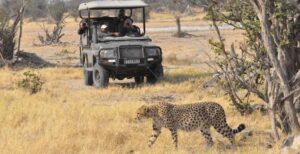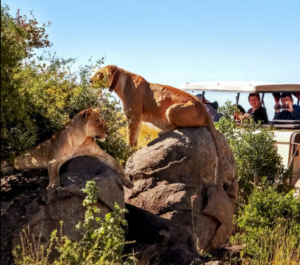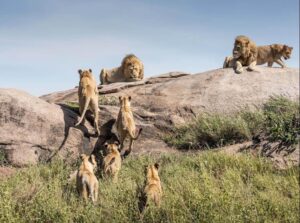
A Tanzania safari package Arusha vacation is one of the easiest ways to experience the remarkable wildlife and landscapes of Northern Tanzania. Arusha is the main starting point for safaris to Tarangire National Park, Lake Manyara National Park, the Ngorongoro Crater, and Serengeti National Park.
The city is conveniently positioned near Kilimanjaro International Airport and Arusha Airport. Travelers can arrive, rest for a night, meet their safari guide, and begin their wildlife adventure the following morning.
Safari packages departing from Arusha range from short two-day trips to extended journeys lasting more than a week. Depending on your time and budget, you can choose a shared camping safari, private lodge safari, family vacation, honeymoon experience, or luxury fly-in itinerary.
This guide explains how to choose the right safari package, when to travel, which parks to visit, what the price normally includes, and how many days you should spend on safari.
Why Start Your Tanzania Safari in Arusha?
Arusha is widely regarded as the safari capital of Northern Tanzania. It offers convenient road and air connections to the country’s most famous wildlife areas.
Starting in Arusha provides several advantages:
- Easy access from Kilimanjaro International Airport
- A wide selection of hotels and lodges
- Convenient departures to Northern Circuit parks
- Access to experienced local safari operators and guides
- Flight connections to Serengeti, Zanzibar, and other destinations
- Shops where travelers can purchase last-minute safari essentials
- Opportunities to visit Arusha National Park and nearby cultural attractions
Arusha also gives international visitors time to rest after a long flight. Spending one night in the city before starting your safari is strongly recommended. It reduces the risk of flight delays disrupting your itinerary and allows you to begin the safari feeling refreshed.
What Is Included in a Tanzania Safari Package From Arusha?
The exact inclusions depend on the operator and package category. A well-organized safari package will usually include the essential services required from the moment you leave Arusha until the end of the tour.
Typical inclusions are:
- Transportation in a 4×4 safari Land Cruiser
- Professional English-speaking driver-guide
- National park entry fees
- Ngorongoro conservation and crater service fees when applicable
- Accommodation during the safari
- Meals according to the itinerary
- Drinking water during game drives
- Game drives and wildlife activities
- Government taxes
- Transfers between Arusha and the safari route
- Camping equipment and a safari chef for camping packages
Private safari vehicles usually have a pop-up roof, window seating, charging sockets, seat belts, a cooler or refrigerator, and communication equipment. Some operators also provide binoculars, although travelers interested in birding or photography may prefer to bring their own.
International flights, travel insurance, visas, tips, alcoholic drinks, and optional activities are commonly excluded unless they are clearly listed in the quotation.
Always review the inclusion and exclusion sections before confirming a booking.
Best National Parks to Visit From Arusha
The Northern Safari Circuit contains several protected areas, each offering a different landscape and wildlife experience. Tanzania National Parks lists game drives, hiking, birdwatching, balloon safaris, and other nature-based experiences among the activities available in the country’s parks. You can review the officially recognized parks and visitor activities through Tanzania National Parks.
Tarangire National Park
Tarangire is approximately two to three hours from Arusha, depending on traffic and the location of your accommodation. It is often the first park visited on a Northern Circuit itinerary.
The national park is known for:
- Large elephant populations
- Ancient baobab trees
- The Tarangire River
- Lions, leopards, giraffes, zebras, and wildebeest
- Excellent dry-season wildlife concentrations
- More than 500 recorded bird species
The Tarangire River is an important water source, particularly during the dry season. As surrounding areas become drier, animals gather closer to the river, creating rewarding wildlife-viewing opportunities.
Tarangire can be visited as a day trip, but spending a night in or near the park produces a more relaxed experience. Overnight visitors can explore deeper areas without returning to Arusha on the same day.
Lake Manyara National Park
Lake Manyara lies beneath the dramatic Great Rift Valley escarpment. Its relatively compact size makes it suitable for a half-day or full-day game drive.
The park contains groundwater forest, woodland, open areas, wetlands, and the lake ecosystem. According to TANAPA, Lake Manyara is a mosaic of ecosystems with considerable wildlife and landscape diversity despite its compact area. Learn more from Tanzania National Parks.
Travelers may encounter:
- Elephants
- Baboons and blue monkeys
- Buffaloes
- Giraffes
- Zebras
- Hippos
- Flamingos and other waterbirds
- Lions, although sightings cannot be guaranteed
Lake conditions and wildlife distribution can change with rainfall. Your guide should consider the latest conditions when deciding which parts of the park to explore.
Ngorongoro Crater
The Ngorongoro Crater is one of Northern Tanzania’s most celebrated wildlife destinations. It is part of the larger Ngorongoro Conservation Area and is normally reached from Karatu or the crater highlands.
Safari vehicles descend from the forested rim to the crater floor for a game drive. The diverse habitats below support a large concentration of wildlife.
Possible sightings include:
- Lions
- Elephants
- Buffaloes
- Hippos
- Spotted hyenas
- Zebras
- Wildebeest
- Grant’s and Thomson’s gazelles
- Black rhinoceroses
- Numerous bird species
A black rhino sighting is possible but never guaranteed. The animals may be far away, so binoculars and telephoto camera lenses are useful.
The crater highlands can become cold, particularly during the early morning and evening. Travelers should carry a warm jacket even when visiting during Tanzania’s warmer months.
Serengeti National Park
Serengeti is the most famous safari destination in Tanzania and an important reason many travelers choose an Arusha safari vacation. Its grasslands, woodland, rocky kopjes, and seasonal water sources support an exceptional range of animals.
Wildlife commonly associated with the Serengeti includes:
- Lions
- Leopards
- Cheetahs
- Elephants
- Giraffes
- Buffaloes
- Hyenas
- Wildebeest
- Zebras
- Gazelles
The Serengeti is also central to the Great Migration, but the herds do not stay in one location throughout the year. Their position depends on rainfall, fresh grass, water, and other natural conditions.
Broadly speaking:
- December to March: The herds are often around Ndutu and the southern plains.
- January to February: This is usually the main calving period.
- April to June: Herds generally move through central and western regions.
- July to October: Many herds are found in the northern Serengeti and the wider Mara ecosystem.
- November: Seasonal rains may encourage movement back toward the south.
These periods are approximate. Nature does not operate according to a fixed schedule, and no responsible operator should guarantee a river crossing or exact herd location.
TANAPA identifies game drives and balloon safaris among Serengeti’s signature visitor experiences. Its trip-planning information can be viewed on the official TANAPA website.
Arusha National Park
Arusha National Park is close to the city and is ideal for travelers with a free day before or after a longer safari. It contains Mount Meru, forest, the Momella Lakes, and Ngurdoto Crater.
Common activities include:
- Game drives
- Guided walking safaris
- Canoeing when available
- Birdwatching
- Mount Meru trekking
- Scenic photography
Wildlife can include giraffes, buffaloes, zebras, warthogs, colobus monkeys, and blue monkeys. Arusha National Park does not provide the same classic big-cat experience as Serengeti, but it offers attractive scenery and active adventures close to town.
Mount Meru is Tanzania’s second-highest mountain, and its trail passes through changing vegetation zones and wildlife habitat. TANAPA provides more information about Mount Meru.
How Many Days Are Best for an Arusha Safari Vacation?
The ideal length depends on the parks you want to visit and the pace you prefer.
Two-Day Safari
A two-day safari is suitable for visitors with limited time. A common itinerary combines Tarangire and the Ngorongoro Crater.
Although short, this option can still provide excellent wildlife encounters. It is best for travelers who are already staying in Arusha or who want to add a safari to a Kilimanjaro or Zanzibar vacation.
Trying to include Serengeti in a two-day road safari is generally not recommended because driving distances reduce the time available for game viewing.
Three-Day Safari
A three-day itinerary can combine:
- Tarangire, Ngorongoro, and Lake Manyara; or
- Serengeti and Ngorongoro
Choose the first route if you want shorter drives and varied scenery. Choose the second route if seeing the Serengeti is your main priority.
Four-Day Safari
Four days provide a better balance between driving and wildlife viewing. A popular route includes Tarangire, Serengeti, and Ngorongoro.
This is one of the best choices for first-time visitors with a moderate amount of time.
Five-Day Safari
A five-day itinerary allows you to spend more time in Serengeti while still visiting Tarangire and Ngorongoro. Lake Manyara can also be included depending on travel times and personal priorities.
Five days are particularly suitable for couples, families, and photographers who do not want every day to feel rushed.
Six- or Seven-Day Safari
A longer itinerary offers a more relaxed pace, additional game drives, and greater flexibility. Depending on the season, it can include Northern Serengeti, Ndutu, Lake Natron, or cultural activities.
Seven days are recommended for travelers who consider safari the main purpose of their Tanzania vacation.
Sample Five-Day Tanzania Safari Package From Arusha
Day 1: Arusha to Tarangire National Park
Meet your safari guide after breakfast and depart from Arusha for Tarangire National Park. After registration at the gate, begin a game drive through its baobab-dotted landscape.
Search for elephants, giraffes, antelopes, zebras, wildebeest, lions, and birds. Enjoy lunch at an authorized picnic area and continue exploring during the afternoon.
In the evening, drive to your lodge or campsite for dinner and overnight accommodation.
Day 2: Tarangire Area to Serengeti National Park
After breakfast, travel toward Serengeti through the Ngorongoro highlands. The drive is long but scenic, with changing landscapes and opportunities to see rural communities along the route.
After entering Serengeti, enjoy an afternoon game drive on the way to your accommodation. The open plains provide excellent opportunities to search for big cats and grazing animals.
Dinner and overnight will be at a Serengeti lodge, tented camp, or public campsite.
Day 3: Full-Day Serengeti Game Drive
Start early when temperatures are cooler and predators may still be active. Spend the day exploring wildlife areas selected by your guide according to the season and recent sightings.
Your guide may look for lions around rocky kopjes, cheetahs on the plains, leopards near riverine trees, and large herds of herbivores.
You can return to camp for lunch or carry a picnic meal to maximize game-viewing time. Finish the day with a sunset drive before returning to your accommodation.
Day 4: Serengeti to Ngorongoro Highlands
Enjoy another morning game drive in Serengeti. This gives you an additional chance to observe wildlife before leaving the park.
After lunch, drive toward the Ngorongoro Conservation Area. Depending on the accommodation selected, you may stay on the crater rim or around Karatu.
A property near the rim offers faster access to the descent road, while accommodation in Karatu frequently provides better value and a wider choice of lodge categories.
Day 5: Ngorongoro Crater to Arusha
After an early breakfast, descend into the Ngorongoro Crater for a game drive. Explore grassland, wetlands, forest, and lakeshore habitats while searching for the area’s diverse wildlife.
After lunch, ascend the crater wall and return to Arusha. Arrival is commonly in the late afternoon or early evening, depending on traffic and the day’s schedule.
Travelers taking a flight on the final day should allow a generous time margin. A night departure from Kilimanjaro International Airport is normally more practical than an early evening flight.
Private Safari or Shared Group Safari?
Both options offer valuable experiences, but they suit different travelers.
Private Safari
A private safari gives your party exclusive use of the vehicle and guide. Departure times, rest stops, and the pace of game drives can be adapted more easily.
It is ideal for:
- Couples and honeymooners
- Families with children
- Groups of friends
- Photographers
- Travelers with specific interests
- Guests who prefer additional privacy
- Visitors requesting a particular guide language
Private safaris generally cost more for one or two travelers, but the per-person price becomes more competitive as the group size increases.
Shared Group Safari
A shared safari places travelers with similar routes and dates in the same vehicle. It is usually more affordable for solo travelers and couples.
It is suitable for guests who:
- Want to reduce costs
- Enjoy meeting other travelers
- Are comfortable following a fixed itinerary
- Can travel on scheduled departure dates
- Do not require substantial route changes
Before booking, confirm the maximum group size, luggage rules, seating arrangement, accommodation category, and whether the group remains together throughout the itinerary.
Some specialized destinations, including remote sections of Northern Serengeti or Ndutu, may only be practical as private safaris because standard shared departures follow fixed routes.
Camping, Mid-Range, or Luxury Accommodation?
Budget Camping
Budget camping is the most adventurous and economical option. Travelers sleep in tents at public campsites. The operator normally provides tents, mattresses, sleeping bags, and meals prepared by a safari chef.
Public campsites usually have shared toilet and shower facilities. The experience is simple, social, and close to nature.
Camping is best for travelers who prioritize wildlife and adventure over hotel-style comfort.
Mid-Range Lodges and Tented Camps
Mid-range accommodation offers private rooms or permanent safari tents, proper beds, private bathrooms, and restaurant meals.
This category is popular with couples, families, and first-time safari travelers because it combines comfort with a reasonable price.
A permanent tented camp is not the same as basic camping. It usually includes furniture, electricity or solar lighting, a private bathroom, and staff service.
Luxury Safari Accommodation
Luxury packages use premium lodges or tented camps in scenic locations. They may include larger suites, highly personalized service, gourmet meals, swimming pools, private decks, and access to quieter wildlife areas.
Luxury travel can also involve light-aircraft flights between Arusha and Serengeti, reducing long driving days.
Best Time for a Tanzania Safari From Arusha
Tanzania can be visited throughout the year. The best period depends on the experience you want.
June to October
These are generally the dry months and one of the most popular safari periods.
Advantages include:
- Wildlife gathering around permanent water
- Less dense vegetation in many areas
- Pleasant daytime conditions
- Northern Serengeti migration opportunities later in the season
This is also a busy travel period, so early booking is important.
November to December
Short seasonal rains often refresh the landscape. The countryside becomes greener, birdlife is rewarding, and visitor numbers may be lower than during the main peak season.
Rain normally does not mean uninterrupted rainfall throughout the day, although weather patterns can vary.
January to March
This period is particularly attractive for visitors interested in the southern Serengeti and Ndutu migration season. January and February are commonly associated with wildebeest calving, which can also attract predators.
Tarangire and Ngorongoro remain rewarding additions to the itinerary.
April and May
These are usually the wetter months. Some remote camps close temporarily, and unpaved roads can become difficult.
Potential advantages include:
- Green landscapes
- Fewer safari vehicles
- Excellent photography conditions
- Possible seasonal accommodation offers
A capable vehicle and experienced guide are especially important during this season.
Tanzania Safari Package Arusha Vacation Cost
Safari prices vary widely. There is no single correct price because the final quotation depends on several factors:
- Number of travelers
- Private or shared vehicle
- Number of safari days
- Accommodation category
- Time of year
- Parks included
- Number of nights inside protected areas
- Domestic flights
- Optional activities
- Child ages
- Airport and hotel transfers
Park and conservation fees form a significant part of the safari cost. These official tariffs can change, so quotations should be based on the rates applicable to the actual travel dates. TANAPA publishes national park charges on its official tariff page.
When comparing prices, do not consider only the total. Check whether each quotation includes:
- All park fees
- Ngorongoro Crater service fee
- Concession or camping fees
- Taxes
- Meals and drinking water
- Airport transfers
- Domestic flights
- Accommodation before and after the safari
- Private or shared transportation
An unusually inexpensive quotation may exclude essential charges or provide less game-viewing time.
Combining an Arusha Safari With Zanzibar
A safari and beach combination is one of Tanzania’s most popular vacations. After exploring the national parks, travelers can fly to Zanzibar for relaxation, beaches, cultural tours, and water activities.
Possible arrangements include:
- Arusha Airport to Zanzibar
- Kilimanjaro International Airport to Zanzibar
- Serengeti airstrip to Zanzibar
- Zanzibar to Serengeti for a fly-in safari
- Zanzibar to Arusha followed by a road safari
A road safari ending in Arusha can connect with an evening flight, but enough time should be allowed for traffic and unexpected delays. When the schedule is tight, an additional night in Arusha may be safer.
Soft-sided bags are often recommended for small domestic aircraft because luggage space is limited. Always confirm the current weight restriction with the airline used for your itinerary.
What to Pack for Your Safari
Pack light, comfortable clothing in neutral colors such as beige, brown, olive, and khaki.
Useful items include:
- Lightweight shirts and trousers
- Warm jacket or fleece
- Comfortable closed shoes
- Sun hat
- Sunglasses
- Sunscreen
- Insect repellent
- Personal medicine
- Camera and spare batteries
- Binoculars
- Reusable water bottle
- Small backpack
- Travel documents
- Power bank
- Soft-sided travel bag
Morning drives in Serengeti and Ngorongoro can be cold. Layered clothing allows you to adjust as the day becomes warmer.
Avoid bringing unnecessary valuables. Keep passports, money, electronics, and essential medication in your hand luggage.
Visa and Entry Preparation
Visa requirements depend on nationality and may change. Travelers who require a visa for tourism generally apply for the appropriate ordinary visa, subject to Tanzania’s nationality-specific rules.
Before departure, check passport validity, visa eligibility, health requirements, and airline documentation using official sources. Tanzania’s Immigration Department provides current information through its entry requirements page and official electronic visa portal.
Avoid relying entirely on informal travel posts because requirements can change.
How to Choose a Reliable Safari Operator
A professional local operator should communicate clearly and provide a detailed written itinerary.
Before making a payment, ask for:
- Registered company information
- Complete itinerary
- Names or categories of accommodation
- Itemized inclusions and exclusions
- Cancellation policy
- Deposit and balance terms
- Emergency contact details
- Vehicle and group-size information
- Confirmation of dietary requirements
- Flight details when included
- Secure payment instructions
The operator should explain what is realistic for your number of days. For example, adding many distant parks to a short itinerary may look attractive on paper but produce excessive driving and limited game-viewing time.
A good safari is not simply a list of destinations. It is a carefully timed route that allows travelers to enjoy each location.
Responsible Safari Travel
Visitors can help protect Tanzania’s wildlife and communities by following park regulations and respecting their guide’s instructions.
Responsible practices include:
- Never feeding animals
- Remaining inside the vehicle unless the guide permits exit
- Keeping an appropriate distance from wildlife
- Avoiding loud behavior at sightings
- Not asking the guide to drive off authorized tracks
- Reducing single-use plastic
- Respecting community photography preferences
- Choosing responsible accommodation and operators
- Taking all litter out of protected areas
Wild animals determine the direction and timing of each encounter. Patient observation generally produces a better experience than rushing between sightings.
Plan Your Tanzania Safari Package From Arusha
A Tanzania safari package Arusha vacation can be designed for almost every travel style, from an affordable camping adventure to an exclusive private journey with luxury lodges and domestic flights.
The most important decisions are the number of days, accommodation standard, preferred parks, season, and whether you want a private or shared vehicle. Travelers with limited time can enjoy Tarangire and Ngorongoro, while longer itineraries should dedicate at least two nights to Serengeti.
For the best experience, arrive in Arusha before the safari begins, choose a realistic route, disclose dietary or medical requirements early, and book well in advance for popular travel months.
With thoughtful planning and an experienced local guide, Arusha becomes more than a departure point. It becomes the gateway to the Serengeti plains, Tarangire’s elephants, the Ngorongoro Crater, and one of Africa’s most memorable wildlife vacations.