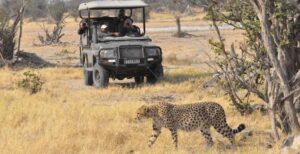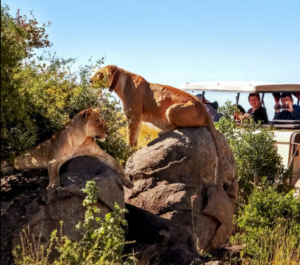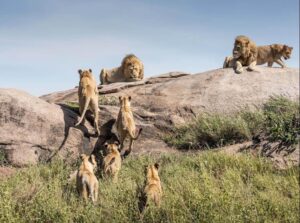
A Ruaha safari Ngorongoro holiday combines two remarkably different wildlife destinations in one unforgettable Tanzania itinerary. Ruaha National Park introduces you to an immense, remote wilderness filled with elephants, lions, leopards, wild dogs, and dramatic landscapes. Ngorongoro Crater then offers concentrated wildlife viewing inside one of Africa’s most spectacular natural settings.
This combination is ideal for travelers who want more than a conventional Tanzania safari. Instead of visiting only the busiest northern parks, you can explore the quiet landscapes of southern Tanzania before continuing to the world-famous Ngorongoro Conservation Area.
Kilipath African Safaris can arrange the journey as a fully private safari with domestic flights, comfortable accommodations, professional guides, airport transfers, park fees, and personalized activities. Your itinerary can also include Tarangire, Serengeti, Lake Manyara, Zanzibar, or a Mount Kilimanjaro experience.
Why Combine Ruaha and Ngorongoro?
Ruaha and Ngorongoro deliver contrasting but complementary safari experiences.
Ruaha is wild, expansive, and relatively secluded. Wildlife sightings often feel personal because the park receives fewer visitors than many destinations on Tanzania’s Northern Safari Circuit. Its rugged hills, baobab trees, seasonal rivers, and open plains create an authentic wilderness atmosphere.
Ngorongoro Crater offers a different experience. Wildlife lives within a compact volcanic caldera, making it possible to observe many species during a single game drive. The crater is celebrated for its dramatic scenery and excellent opportunities to see lions, elephants, buffaloes, hippos, hyenas, and, with some luck, black rhinoceroses.
Together, these destinations provide:
Remote wildlife viewing in Ruaha National Park
Big Five opportunities in Ngorongoro Crater
Excellent predator sightings
Beautiful and contrasting landscapes
Comfortable lodge and tented-camp options
Private game drives with flexible schedules
Scenic domestic flights across Tanzania
Opportunities for photography and birdwatching
A Ruaha and Ngorongoro itinerary is particularly suitable for couples, honeymooners, photographers, families, and repeat safari travelers looking for a deeper Tanzanian experience.
Discovering Ruaha National Park
Ruaha National Park lies in southern Tanzania and forms part of the greater Rungwa-Kizigo-Muhesi ecosystem. Its immense landscapes and limited visitor numbers have helped it preserve a genuine wilderness character.
The Great Ruaha River and its seasonal tributaries support much of the park’s wildlife. During the dry season, animals gather near the remaining water sources, creating excellent conditions for wildlife observation.
Ruaha’s landscape includes rocky hills, dry riverbeds, open plains, acacia woodland, and striking baobab trees. The scenery is particularly attractive in the early morning and late afternoon when soft light falls across the savannah.
Wildlife in Ruaha
Ruaha is especially famous for its elephants and predators. Visitors may encounter large elephant families walking toward the river, lions resting under acacia trees, or leopards watching the plains from rocky outcrops.
Animals commonly seen in the park include:
African elephants
Lions
Leopards
Cheetahs
African wild dogs
Spotted hyenas
Buffaloes
Giraffes
Zebras
Greater and lesser kudu
Sable antelopes
Roan antelopes
Hippos
Crocodiles
Impalas and waterbucks
Wildlife sightings can never be guaranteed because the animals move freely. Nevertheless, Ruaha’s healthy predator populations and varied habitats make every game drive rewarding.
Lions and Other Predators
Ruaha is considered one of Tanzania’s most exciting destinations for predator enthusiasts. The park supports several impressive lion prides, and their behavior may be observed around river systems and concentrations of herbivores.
Leopards are more secretive, but experienced guides understand their preferred habitats and signs. Cheetahs are sometimes found in open areas, while spotted hyenas patrol the plains in search of opportunities.
The African wild dog is one of Ruaha’s most special animals. These endangered predators cover large territories, so seeing them requires patience and good fortune. Encountering a pack moving through the wilderness can become one of the most memorable moments of the entire holiday.
Elephants of Ruaha
Elephants are an important part of the Ruaha experience. Herds frequently visit the Great Ruaha River, especially as the dry season progresses.
A private game drive allows you to observe their interactions without rushing. You might see young elephants playing, adults digging for water in a sandy riverbed, or a herd carefully crossing the road in front of your safari vehicle.
Your guide will maintain a respectful distance and explain the animals’ behavior, social structure, and role in the ecosystem.
Birdwatching in Ruaha
Ruaha is also rewarding for bird enthusiasts. Its position between eastern and southern African ecological zones contributes to impressive bird diversity.
Depending on the season and habitat, you may see:
Southern ground hornbills
Lilac-breasted rollers
African fish eagles
Saddle-billed storks
Kingfishers
Bee-eaters
Vultures
Herons
Egrets
Raptors
Migratory species
A private safari is particularly valuable for birdwatchers because the guide can adapt the pace and stop frequently for identification and photography.
Exploring Ngorongoro Crater
Ngorongoro Crater is one of Africa’s most recognizable safari destinations. It was formed when a massive volcano collapsed, leaving an enormous caldera surrounded by steep walls.
The crater floor contains grasslands, woodland, wetlands, springs, and Lake Magadi. These habitats support a large resident wildlife population within a relatively compact area.
A typical Ngorongoro game drive begins early in the morning. Entering early generally provides cooler conditions, softer photography light, and an opportunity to observe predators while they are still active.
From the crater rim, the road descends through the forest before reaching the open floor. The sudden appearance of the plains, lake, and surrounding walls creates a remarkable first impression.
Wildlife Inside the Crater
Ngorongoro offers an opportunity to encounter a wide range of species during one game drive. Animals frequently observed include:
Lions
African buffaloes
Elephants
Black rhinoceroses
Spotted hyenas
Hippos
Zebras
Wildebeest
Thomson’s and Grant’s gazelles
Warthogs
Jackals
Elands
Ostriches
Flamingos and waterbirds
The crater is one of Tanzania’s most important locations for travelers hoping to see a black rhinoceros. However, rhinos are wild, often remain at a distance, and cannot be guaranteed.
Leopards may be encountered around the forested areas, although they are more difficult to locate. Giraffes are generally not found on the crater floor, but they can be seen elsewhere within the wider Ngorongoro Conservation Area.
The Big Five Experience
A Ruaha safari Ngorongoro holiday provides strong Big Five potential across two destinations.
Ruaha supports lions, leopards, elephants, and buffaloes. Ngorongoro adds one of Tanzania’s better opportunities to spot the endangered black rhino. The combination therefore gives travelers a well-rounded wildlife itinerary without making the journey entirely dependent on one park.
The true value of the safari, however, goes beyond completing a checklist. Watching elephants communicate, seeing hyenas interact near a waterhole, or following a pride of lions across the plains can be more meaningful than simply recording the number of species observed.
Sample Ruaha Safari Ngorongoro Holiday Itinerary
The number of days required depends on your preferred pace, budget, accommodations, and transportation. Because Ruaha belongs to the Southern Safari Circuit while Ngorongoro is in northern Tanzania, domestic flights are usually the most practical way to connect them.
The following itinerary can be customized.
Day 1: Arrival in Tanzania
Arrive at Kilimanjaro International Airport, where a representative welcomes you and transfers you to your hotel in Arusha.
Depending on your arrival time, you can relax at the hotel or explore part of Arusha. Your safari consultant or guide may meet you for a briefing and answer any final questions about the journey.
Accommodation: Arusha hotel
Meals: According to the selected arrangement
Day 2: Flight to Ruaha National Park
After breakfast, transfer to the airport for your domestic flight to Ruaha. Flying saves considerable driving time and provides beautiful aerial views of Tanzania’s changing landscapes.
Your Ruaha guide meets you at the airstrip. Depending on the flight schedule, you may begin a game drive immediately or first travel to the lodge for lunch.
The first afternoon introduces you to Ruaha’s baobab-filled wilderness and wildlife-rich river system.
Accommodation: Lodge or tented camp in Ruaha
Meals: Breakfast, lunch, and dinner
Day 3: Full-Day Ruaha Safari
Spend the day exploring Ruaha in a 4×4 safari vehicle. Your schedule can be adapted to wildlife movement and personal interests.
An early departure provides an opportunity to look for active predators. You can return to the lodge during the hottest part of the day or continue with a packed lunch, depending on the selected accommodation and safari arrangement.
The guide may explore the Great Ruaha River, seasonal sand rivers, woodland, and open plains. Each habitat offers different photographic and wildlife opportunities.
Accommodation: Lodge or tented camp in Ruaha
Meals: Breakfast, lunch, and dinner
Day 4: Another Full Day in Ruaha
A second full day allows you to explore more remote areas and revisit productive wildlife locations. Ruaha’s size makes additional time extremely valuable.
The day may focus on lions, elephants, wild dogs, leopards, antelopes, or birds. Because this is a private itinerary, you can discuss your priorities with the guide.
You may choose an all-day game drive or separate morning and afternoon activities with time to rest at camp.
Accommodation: Lodge or tented camp in Ruaha
Meals: Breakfast, lunch, and dinner
Day 5: Ruaha to Arusha
Enjoy a final morning activity if the flight schedule permits. You will then transfer to the airstrip and fly toward Arusha.
After landing, a driver takes you to your hotel. The remainder of the day can be used for relaxation before beginning the Northern Circuit portion of the journey.
Accommodation: Arusha hotel
Meals: Breakfast and other meals according to the arrangement
Day 6: Arusha to Ngorongoro Highlands
After breakfast, meet your private driver-guide and leave Arusha for the Ngorongoro Conservation Area.
The journey passes through local towns, agricultural landscapes, and the Great Rift Valley region. Depending on your interests and arrival time, optional experiences can be arranged along the route.
You will stay either in Karatu, on the crater rim, or elsewhere in the Ngorongoro Highlands. Crater-rim accommodation is normally more expensive but offers convenient access and dramatic views. Karatu provides a broader range of budget-friendly and mid-range options.
Accommodation: Karatu or Ngorongoro lodge
Meals: Breakfast, lunch, and dinner
Day 7: Ngorongoro Crater Game Drive
Begin early and descend into Ngorongoro Crater for an extensive game drive.
Your guide searches for lions, buffaloes, elephants, hyenas, hippos, and black rhinos while explaining the crater’s geology and ecosystem. A picnic lunch is normally served at a designated location.
After the game drive, ascend from the crater and continue to your lodge or return to Arusha, depending on the itinerary.
Accommodation: Karatu, Ngorongoro, or Arusha
Meals: Breakfast and lunch; dinner according to the arrangement
Day 8: Departure or Safari Extension
After breakfast, transfer to the airport for your onward flight.
Alternatively, continue to Serengeti National Park, Tarangire National Park, Lake Manyara, Mount Kilimanjaro, or Zanzibar.
Longer Itinerary Options
A seven- or eight-day holiday gives you a valuable introduction to Ruaha and Ngorongoro. Nevertheless, travelers with additional time may prefer a slower itinerary.
Add Serengeti National Park
Serengeti can add two to four nights to the holiday. The correct area depends on the month of travel and your wildlife interests.
Central Serengeti offers dependable year-round wildlife viewing. Northern Serengeti is particularly attractive during the dry-season migration period, while Ndutu and the southern plains become important during the green season.
Add Tarangire National Park
Tarangire is famous for baobab trees, elephants, and seasonal wildlife concentrations. It is conveniently located between Arusha and the Ngorongoro region and can be added without complicated logistics.
Add Nyerere National Park
Travelers who prefer an extended Southern Circuit safari can combine Ruaha with Nyerere National Park. Nyerere offers game drives and, where permitted and available, boat safaris and walking experiences.
This extension creates a broader southern Tanzania adventure before continuing north to Ngorongoro.
Add Zanzibar
After early mornings and adventurous game drives, Zanzibar provides an excellent place to relax. You can spend several nights beside the Indian Ocean, explore Stone Town, take a spice tour, or enjoy snorkeling and diving.
Domestic flights can be arranged to connect the safari with Zanzibar.
Best Time for a Ruaha and Ngorongoro Safari
The holiday can be arranged throughout much of the year, but every season offers a different experience.
June to October
The dry season is a popular time to visit Ruaha. Vegetation becomes thinner, and animals gather around dependable water sources. Wildlife can therefore be easier to locate.
Days are generally dry and sunny, while mornings and evenings may feel cool. Demand is higher during this period, so early reservations are recommended.
Ngorongoro also provides excellent wildlife viewing during the dry season, although it can be busy during peak travel months.
November and December
Short rains can transform the landscape and create fresh vegetation. The parks often become greener, while animal activity remains rewarding.
Rain usually does not mean continuous rainfall throughout every day. Conditions vary from year to year, and occasional showers can create atmospheric photography.
January to March
This period often offers green scenery, excellent birdwatching, and dramatic skies. Ruaha may be quieter, but wildlife can be more dispersed as water becomes available across a wider area.
Ngorongoro remains an important year-round destination. Travelers extending their itinerary to Ndutu may also experience the wider migration and calving-season ecosystem during the appropriate period.
April and May
These months normally bring heavier rainfall. Some remote accommodations in southern Tanzania may close temporarily, and road conditions can become more challenging.
However, available properties may offer lower seasonal rates, and landscapes can be exceptionally green. Your safari specialist should confirm flight schedules, camp operations, and accessibility before finalizing the itinerary.
Private Safari or Shared Safari?
A private safari is usually the most suitable arrangement for combining Ruaha with Ngorongoro.
The two destinations are far apart and belong to separate safari circuits. A tailor-made private itinerary makes it easier to coordinate flights, transfers, accommodations, and game-drive schedules.
Benefits of a private safari include:
A dedicated safari vehicle and guide
Flexible departure times
More time at preferred sightings
Customized accommodation choices
Personal attention for photographers
Easier arrangements for families
Dietary and mobility considerations
Freedom to add other destinations
Shared safari departures are normally based around established Northern Circuit routes. They may not provide the logistical flexibility required for a smooth Ruaha and Ngorongoro combination.
Accommodation Choices
Your accommodation has a significant influence on the comfort, atmosphere, and total cost of the holiday.
Budget Accommodation
Budget arrangements may use simple lodges, guesthouses, or camps in accessible locations. They prioritize affordability while providing the essential services required for the journey.
Options inside or close to Ruaha are more limited than around Arusha and Karatu, so budget availability should be checked carefully.
Mid-Range Lodges and Tented Camps
Mid-range accommodation offers a balance between comfort and value. Rooms or permanent tents usually include private bathroom facilities, comfortable beds, dining areas, and attentive service.
Tented camps provide a strong connection to the wilderness without requiring travelers to give up essential comforts.
Luxury Safari Camps
Luxury camps and lodges may offer spacious suites, refined meals, personalized service, premium locations, and beautifully designed communal areas.
Some properties are located in remote wildlife areas, allowing guests to experience the atmosphere of the park throughout their stay.
Ngorongoro Crater Rim or Karatu?
Staying on the crater rim can provide remarkable scenery and faster access to the descent road. These properties tend to be more expensive.
Karatu is situated outside the main crater area and provides a greater variety of accommodation. It may require an earlier departure, but it can offer excellent value and a peaceful highland atmosphere.
Transportation and Domestic Flights
Ruaha is separated from Ngorongoro by a considerable distance. Attempting to connect them entirely by road can consume too much valuable safari time.
Domestic flights are therefore strongly recommended. The journey will usually involve a flight between Ruaha and Dar es Salaam, Zanzibar, or Arusha, depending on the operating schedule.
Flight routes and times can change, and some services operate seasonally. Your consultant should coordinate the itinerary using confirmed schedules rather than assuming a direct connection is available every day.
Safari flights generally use small aircraft and may have strict baggage restrictions. Soft-sided bags are usually more practical than hard-shell suitcases.
Travelers should provide accurate body-weight and luggage information when requested by the airline or safari company.
What Is Included?
Exact inclusions depend on the selected package, but a comprehensive private safari commonly includes:
Airport transfers
Domestic flights listed in the itinerary
Private 4×4 safari vehicle
Professional English-speaking guide
Accommodation
Meals specified in the itinerary
National park and conservation fees
Ngorongoro Crater service fees
Game drives
Drinking water during safari activities
Flying-doctor or emergency-evacuation coverage when specified
Government taxes related to included services
Always review the final quotation carefully because every itinerary is different.
What Is Usually Excluded?
Packages commonly exclude:
International flights
Tanzania visa fees
Travel and medical insurance
Personal expenses
Alcoholic and premium beverages
Laundry unless included by the lodge
Tips for guides and camp staff
Optional activities
Vaccinations and medical expenses
Baggage charges resulting from excess luggage
Any unclear item should be confirmed before paying the deposit.
Packing for Your Holiday
Pack light, practical clothing in neutral colors. Layers are important because temperatures can change between the warm plains of Ruaha and the elevated Ngorongoro Highlands.
Recommended items include:
Lightweight shirts and trousers
Warm jacket or fleece
Comfortable closed shoes
Sun hat
Sunglasses
Sunscreen
Insect repellent
Personal medication
Camera and spare batteries
Binoculars
Reusable water bottle
Small flashlight
Soft-sided travel bag
Copies of important documents
Avoid bringing only heavy clothing. Daytime temperatures can be warm, while the crater rim may become surprisingly cold in the early morning and evening.
Bright white clothing can quickly show dust. Neutral green, brown, beige, and khaki shades are practical for safari activities.
Photography Tips
Ruaha and Ngorongoro provide very different photographic environments.
In Ruaha, you may photograph animals against baobab trees, riverbeds, rocky hills, and wide open landscapes. A longer telephoto lens is useful for predators and birds, while a wider lens captures scenery and wildlife in context.
Ngorongoro offers panoramic views from the rim and close wildlife encounters on the crater floor. The light can change quickly as clouds move across the caldera.
Consider carrying:
A camera with a telephoto lens
A wider lens for landscapes
Extra memory cards
Spare batteries
A dust-protection cover
A small beanbag for vehicle support
Lens-cleaning equipment
Charging facilities vary by accommodation. Carrying a power bank may be helpful, although airline restrictions must be observed.
A private vehicle is strongly recommended for serious photographers. It provides additional space for equipment and greater control over how long you remain at each sighting.
Is This Safari Suitable for Families?
A Ruaha safari Ngorongoro holiday can be arranged for families, but the pace should reflect the children’s ages and interests.
Long game drives may be tiring for young travelers. A private vehicle allows the family to stop, return to camp earlier, or adjust the day according to energy levels.
Parents should also consider:
Swimming-pool availability
Family rooms
Minimum-age policies
Flight baggage limits
Travel time between destinations
Children’s meal preferences
Medical preparation
Whether walking activities permit children
Some camps do not accept very young children or may have specific family-safari requirements. These policies should be confirmed before booking.
Honeymoon and Anniversary Safaris
The combination of secluded Ruaha camps and the dramatic Ngorongoro landscape is particularly suitable for a honeymoon or anniversary.
Your safari can include:
Private game drives
Romantic room arrangements
Bush meals where available
Private dinners
Sundowner experiences
Luxury tented accommodation
Zanzibar beach extension
Special celebration arrangements
Tell your safari planner about the occasion early. Some experiences require advance preparation, and complimentary arrangements vary between accommodations.
Health and Safety
Before traveling, consult a qualified medical professional about vaccinations, malaria precautions, and personal health requirements.
Purchase comprehensive travel insurance covering medical treatment, evacuation, trip interruption, and cancellation. Remote safari regions may be far from advanced medical facilities.
During the safari:
Follow your guide’s instructions
Do not leave the vehicle unless permitted
Never feed wild animals
Keep tent or room doors secured
Do not walk around camp alone at night
Drink sufficient water
Inform the guide about medical concerns
Respect park regulations
Safari camps are designed to operate safely in wildlife areas, but they are not fenced zoos. Wild animals may pass close to accommodation, particularly after dark.
Responsible Travel
Responsible tourism helps conserve Tanzania’s wildlife and supports communities connected to safari areas.
Travelers can contribute by:
Choosing responsible safari operators
Following wildlife-viewing rules
Avoiding pressure on guides to approach animals too closely
Reducing unnecessary plastic use
Conserving water
Respecting local customs
Asking permission before photographing people
Supporting locally produced goods
Never purchasing wildlife products
A respectful safari protects both the visitor experience and the habitats that make the journey possible.
Why Book With Kilipath African Safaris?
Planning a journey between the Southern and Northern Safari Circuits requires careful coordination. Accommodation availability, domestic flights, airport transfers, park-entry schedules, and game-drive arrangements must work together.
Kilipath African Safaris can create a personalized itinerary based on your travel dates, budget, preferred comfort level, and wildlife priorities.
Your safari can feature:
A private 4×4 Land Cruiser
A professional safari guide
Carefully selected camps and lodges
Coordinated domestic flights
Airport and hotel transfers
Personalized game-drive schedules
Family and honeymoon arrangements
Dietary support
Zanzibar and Serengeti extensions
Assistance before and during the journey
Rather than purchasing a rigid package, you can build a holiday that reflects how you genuinely want to experience Tanzania.
Plan Your Ruaha Safari Ngorongoro Holiday
A Ruaha safari Ngorongoro holiday brings together the remote spirit of southern Tanzania and the celebrated wildlife of the Northern Circuit.
In Ruaha, you can explore vast landscapes shaped by rivers, baobab trees, elephants, and predators. In Ngorongoro, you descend into an extraordinary volcanic caldera where wildlife gathers beneath towering crater walls.
Whether you are planning a honeymoon, family journey, photography safari, or private African adventure, the itinerary can be customized around your travel dates and interests.
Contact Kilipath African Safaris today for a personalized Ruaha and Ngorongoro itinerary. Share your travel dates, number of travelers, preferred accommodation category, and desired holiday duration to receive a tailored safari proposal.