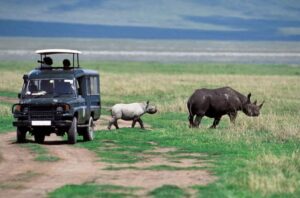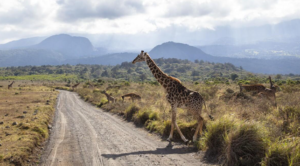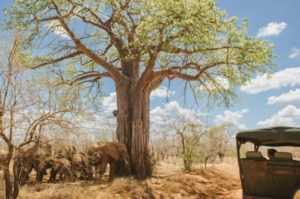
A Photography Nyerere National Park Safari Deal gives wildlife lovers and photographers the opportunity to explore one of Tanzania’s most spectacular wilderness areas while having plenty of time to capture memorable images.
Nyerere National Park combines vast miombo woodland, open plains, wetlands, lakes, and the impressive Rufiji River. These different habitats provide excellent opportunities to photograph elephants, lions, giraffes, buffalo, hippos, crocodiles, African wild dogs, antelopes, and hundreds of bird species.
The park is especially attractive to photographers because wildlife viewing can be combined with traditional game drives, boat safaris, and selected guided walking experiences. TANAPA specifically lists photographic safaris among the activities available in Nyerere National Park.
At Kilipath African Safaris, we can customize your Nyerere photography safari according to your travel dates, preferred accommodation, budget, and photography interests.
Why Choose Nyerere National Park for Photography?
Nyerere offers something different from Tanzania’s busier northern safari circuit. Its vast landscapes and waterways provide photographers with opportunities to create images that combine wildlife with dramatic natural environments.
The Rufiji River is particularly valuable for photography. Elephants may appear along the riverbanks, hippos gather in the channels, crocodiles rest near the water, and colorful birds can be photographed from a completely different perspective during a boat safari.
Excellent Wildlife Photography
Potential subjects include:
- African elephants
- Lions
- African wild dogs
- Buffalo
- Giraffes
- Hippos
- Crocodiles
- Leopards
- Hyenas
- Impala
- Waterbuck
- Sable antelope
- Greater kudu
- Numerous bird species
Nyerere remains an important stronghold for African wild dogs, while lions, elephants, buffalo, hippos and crocodiles are also characteristic animals of the park.
Photograph African Wild Dogs
For photographers looking for something beyond the usual lion-and-elephant photographs, African wild dogs can be one of the biggest highlights of a Nyerere safari.
The park is recognized as an important habitat for these endangered predators. Photographing a pack moving across woodland, resting together or interacting socially can become one of the most memorable moments of your Tanzania safari.
Because wild dogs can move quickly, having an experienced safari guide who understands their behavior is especially useful for photographers.
Rufiji River Boat Safari Photography
One of the biggest reasons to choose a photography Nyerere National Park safari deal is the chance to photograph wildlife from the water.
A Rufiji River boat safari provides a completely different perspective from sitting inside a safari vehicle.
You may photograph:
Hippos emerging from the water
Their eyes, ears and noses appearing above the surface can create excellent wildlife portraits.
Crocodiles along sandbanks
Large Nile crocodiles may rest beside the river.
Elephants drinking
Elephants frequently use riverine environments, creating beautiful opportunities for environmental photographs.
African fish eagles
These impressive birds are closely associated with the waterways.
Kingfishers and bee-eaters
Smaller birds can add variety to your photography portfolio.
Sunset landscapes
Golden evening light reflected across the Rufiji River can produce excellent wide-angle photographs.
TANAPA highlights boat safaris along the Rufiji as one of Nyerere’s signature experiences.
Suggested Nyerere Photography Safari Itinerary
Day 1: Dar es Salaam – Nyerere National Park
Your photography safari begins with a transfer or flight toward Nyerere National Park.
Depending on your chosen package, you can travel by road or take a domestic flight to one of the airstrips serving the park.
After arrival, meet your professional safari guide and begin exploring the wilderness.
The afternoon is excellent for your first photography session as the sun becomes softer and animals become more active.
Possible subjects include:
- Elephants
- Giraffes
- Impala
- Buffalo
- Monkeys
- Birds
- Sunset landscapes
After the game drive, continue to your lodge or tented camp.
Accommodation: Budget, mid-range or luxury according to your package.
Day 2: Full-Day Nyerere Photography Safari
Start early in the morning when the light is softer and temperatures are cooler.
Morning sessions can be particularly productive for predators.
Your guide will concentrate on areas where wildlife has recently been active while allowing additional time at important sightings whenever possible.
Instead of simply driving from animal to animal, a photography-focused safari can prioritize patience.
If a lion is beautifully positioned beside the road, for example, your guide can allow time to wait for:
- Eye contact
- Interaction
- Movement
- Better light
- Cleaner backgrounds
- Hunting behavior
Continue exploring Nyerere throughout the day before returning to your accommodation.
Day 3: Wildlife Photography & Rufiji River Boat Safari
Spend another morning photographing animals by safari vehicle.
After lunch and some relaxation, prepare for a boat safari along the Rufiji River.
This section of the trip offers opportunities for wildlife photographs that are very different from conventional game-drive images.
Look for hippos, crocodiles, elephants along the riverbanks and numerous waterbirds.
As evening approaches, use the softer light for silhouettes and landscape photography.
Return to your accommodation for dinner and overnight.
Day 4: Sunrise Photography – Departure
Wake early for one final game drive.
Morning light can create beautiful conditions for photographing animals against woodland, grassland or dusty roads.
After your safari, return toward Dar es Salaam or fly onward according to your Tanzania itinerary.
Travelers can also combine Nyerere with destinations such as:
- Mikumi National Park
- Ruaha National Park
- Zanzibar
- Dar es Salaam
- Mafia Island
What Makes a Photography Safari Different?
A conventional safari concentrates primarily on seeing animals.
A photography safari should also consider position, timing, light, patience and viewing angles.
Our photography-focused itineraries can be arranged with more flexibility so that photographers have additional time to work with promising sightings.
For example, instead of leaving immediately after seeing a leopard resting in a tree, photographers may prefer to wait and see whether it moves into better light.
This patience can transform an ordinary wildlife sighting into an exceptional photograph.
Private 4×4 Safari Vehicle
For serious photographers, we recommend a private safari vehicle.
A private safari provides considerably more freedom than joining a scheduled group.
You can decide how long to remain at sightings and communicate directly with your guide about the position you want for photography.
Our safari vehicles feature an opening roof that provides excellent visibility during game drives.
Private arrangements are particularly useful for travelers carrying:
- DSLR cameras
- Mirrorless cameras
- Telephoto lenses
- Multiple camera bodies
- Bean bags
- Monopods
- Binoculars
Wildlife You Can Photograph in Nyerere
Lions
Nyerere supports lions across its woodland and floodplain habitats.
Photographers should look for them early in the morning and later in the afternoon when temperatures are cooler.
Possible photographic situations include lions:
- Resting beneath trees
- Walking across tracks
- Interacting with pride members
- Hunting
- Drinking
- Watching passing herbivores
Elephants
Elephants provide some of Nyerere’s most recognizable photographs.
Photographing them beside the Rufiji River can be especially rewarding.
Instead of concentrating only on close portraits, try wider compositions showing elephants surrounded by palm trees, river channels or woodland.
These environmental images communicate the scale and character of the park.
African Wild Dogs
Wild dogs are among the most exciting subjects photographers can encounter in southern Tanzania.
Their social behavior can produce fascinating sequences as members interact, rest or move together.
Because packs may cover substantial distances, sightings can never be guaranteed.
However, Nyerere is regarded as one of Tanzania’s important areas for them.
Hippos
Boat safaris provide excellent opportunities to observe hippos.
A longer lens can capture:
- Portraits
- Yawning displays
- Groups resting together
- Water splashes
- Reflections
- Interaction between individuals
Always follow your boat guide’s instructions and maintain safe distances.
Crocodiles
The Rufiji River system provides habitat for Nile crocodiles.
They can sometimes be photographed resting on sandbanks or partially submerged beside the water.
Giraffes
The open landscapes and woodland edges of Nyerere create attractive backgrounds for giraffe photography.
Early morning and sunset are particularly good for silhouettes and wider compositions.
Bird Photography in Nyerere
Nyerere isn’t only for big mammals.
It is also an excellent destination for bird photographers.
TANAPA reports more than 400 bird species in the park, with the river and wetland systems supporting particularly diverse birdlife.
Potential photography subjects include:
- African fish eagles
- Kingfishers
- Bee-eaters
- Herons
- Egrets
- Storks
- Hornbills
- Raptors
- Waterbirds
A boat safari can be especially productive because you can photograph birds close to the river’s edge.
Best Time for a Nyerere Photography Safari
Nyerere can provide photographic opportunities throughout the year, although conditions change seasonally.
TANAPA identifies photographic activities as available year-round.
June to October
The dry season is popular for wildlife viewing.
Vegetation tends to become thinner and wildlife may concentrate around permanent water sources.
This can make animals easier to locate.
November to February
The landscape becomes greener and more colorful.
Photographers interested in dramatic skies, fresh vegetation and birdlife may particularly enjoy this period.
March to May
This is typically the wetter period.
Some routes can become more difficult depending on rainfall, while certain camps may operate seasonally.
For photography, however, green landscapes and dramatic cloud formations can be beautiful.
Best Time of Day for Photography
Light is one of the most important elements of wildlife photography.
Early Morning
Morning offers soft light and often increased predator activity.
We recommend starting your photography game drive as early as park regulations and your itinerary allow.
Late Afternoon
Afternoon light becomes warmer as sunset approaches.
This is an excellent time for:
- Wildlife portraits
- Backlighting
- Silhouettes
- Dust photography
- River landscapes
TANAPA also recommends dawn and late afternoon for favorable light and wildlife sightings in Nyerere.
Photography Equipment to Bring
You do not need professional equipment to enjoy the safari.
However, photographers may consider carrying:
Camera body
A DSLR or mirrorless camera with good autofocus is useful.
Telephoto lens
A 100–400 mm or similar zoom is practical for safari photography.
Long telephoto lens
400–600 mm can be valuable for birds and distant wildlife.
Wide-angle lens
Useful for landscapes, elephants close to the vehicle and accommodation photography.
Extra batteries
Safari days can be long.
Memory cards
Wildlife photographers often take hundreds or thousands of images.
Bean bag
Helpful for supporting longer lenses.
Lens cleaning equipment
Safari roads can become dusty.
Photography Tips for Nyerere National Park
Photograph Animal Behavior
Instead of taking only static portraits, watch for interaction.
Interesting moments include:
- Lions greeting each other
- Elephants protecting calves
- Birds hunting
- Hippos fighting
- Wild dogs interacting
- Giraffes drinking
- Predators following prey
Behavior often produces more memorable photographs.
Include the Environment
Not every image should be tightly cropped.
Nyerere’s river systems, palm trees, miombo woodland and floodplains are part of the story.
Use wider compositions to show wildlife within its natural environment.
Focus on the Eyes
For wildlife portraits, sharp eyes usually make the photograph feel much more engaging.
Photograph at Animal Eye Level When Possible
Lower perspectives can create stronger photographs, particularly during boat safaris.
Be Patient
Wildlife photography rewards patience.
Waiting ten additional minutes may be the difference between photographing a sleeping animal and capturing extraordinary behavior.
Accommodation Options
Our Photography Nyerere National Park Safari Deal can be customized according to your preferred comfort level.
Budget Safari
Suitable for travelers who prioritize wildlife experiences over luxury.
Options may include basic lodges or camping arrangements.
Mid-Range Safari
A good balance between comfort and price.
Expect comfortable rooms or permanent tents with private facilities depending on the selected property.
Luxury Safari
Luxury camps provide more exclusive surroundings, premium hospitality and beautifully positioned accommodation.
These are excellent for honeymooners, professional photographers and travelers seeking maximum comfort.
What Is Included?
Packages can typically be arranged to include:
- Private 4×4 safari vehicle
- Professional English-speaking safari guide
- Nyerere National Park entrance fees
- Game drives
- Accommodation
- Meals according to itinerary
- Drinking water during safari
- Rufiji River boat safari where included
- Airport or agreed transfer arrangements
- Government taxes and applicable safari fees
Exact inclusions depend on the itinerary selected.
What Is Usually Not Included?
Unless specifically stated in your quotation:
- International flights
- Tanzania visa
- Travel insurance
- Personal expenses
- Alcoholic drinks
- Tips for guides and lodge staff
- Professional commercial filming permits
- Optional activities not listed in the itinerary
Visitors intending to carry out photography or filming for commercial purposes should check the applicable TANAPA permits and regulations before travel.
Nyerere Photography Safari From Zanzibar
One of the most convenient options for travelers already staying in Zanzibar is a fly-in Nyerere safari.
You can fly from Zanzibar toward southern Tanzania, enjoy your wildlife safari, and return to Zanzibar afterward.
Popular options include:
2-Day Nyerere Safari
Ideal for travelers with limited time.
3-Day Nyerere Safari
Provides more game-viewing opportunities plus potential boat safari time.
4-Day Photography Safari
Recommended for photographers because there is more time to wait at sightings and explore different areas.
5-Day Photography Safari
Best for travelers who want a slower pace and greater flexibility.
Why Book a Private Photography Safari?
Photography often requires patience.
During a shared safari, other travelers may want to leave a sighting before you have finished photographing it.
On a private safari, you control the pace.
You can tell your guide:
“I would like to wait here for another 20 minutes.”
That freedom can make an enormous difference for serious photographers.
A private vehicle is therefore our preferred option for dedicated wildlife photography trips.
Nyerere National Park vs Serengeti for Photography
Both parks are excellent, but they provide different experiences.
Serengeti is famous for enormous open plains and the Great Migration.
Nyerere combines woodland, lakes, river channels and floodplains, with the additional advantage of boat-based wildlife viewing.
For photographers interested in diverse environments, wild dogs, river wildlife and fewer conventional safari scenes, Nyerere can be particularly rewarding.
Combine Nyerere With Ruaha National Park
For a longer southern Tanzania photography safari, Nyerere and Ruaha make an excellent combination.
Nyerere provides:
- Rufiji River scenery
- Boat safaris
- Wild dogs
- Hippos
- Crocodiles
- Wetland birds
Ruaha offers:
- Dramatic baobab landscapes
- Elephants
- Lions
- Leopards
- Dry-country wildlife
- Excellent predator photography
Together, they create a diverse southern Tanzania wildlife photography itinerary.
Is Nyerere Suitable for Professional Photographers?
Yes.
Nyerere is especially attractive for photographers interested in wildlife behavior, wild landscapes and river ecosystems.
However, professional photographers intending to use photographs commercially should confirm current permit requirements before traveling because TANAPA has separate rules for commercial photography and filming.
Book Your Photography Nyerere National Park Safari Deal
Turn your Tanzania holiday into a photographic adventure through one of the country’s great southern wilderness areas.
Whether your dream image is an African wild dog running through the bush, an elephant drinking beside the Rufiji River, a lion in golden morning light, a hippo emerging from the water or a fish eagle flying above the river, Nyerere offers countless possibilities.
At Kilipath African Safaris, we can customize your itinerary according to:
- Number of travelers
- Travel dates
- Number of safari days
- Photography experience
- Budget
- Preferred accommodation
- Private vehicle requirements
- Zanzibar connections
- Additional Tanzania destinations
Ready to Plan Your Nyerere Photography Safari?
Contact Kilipath African Safaris today for a personalized Photography Nyerere National Park Safari Deal and let us create a safari itinerary designed around your camera, your pace and the wildlife you want to photograph.