

Budget Ngorongoro Crater Safari Holiday
Planning a budget Ngorongoro Crater safari holiday from Arusha? Compare a crater day trip, a two-day Tarangire and Ngorongoro safari, or a…
Read articleArusha City - Tanzania
Safari & Travel Tips
July 22, 2026 · 14 min read
Few places in Africa offer wildlife photographers such an extraordinary concentration of animals within one dramatic landscape. The Ngorongoro Crater combines open grasslands, wetlands, acacia woodland, natural springs, a soda lake, and towering crater walls—all within a relatively compact area.
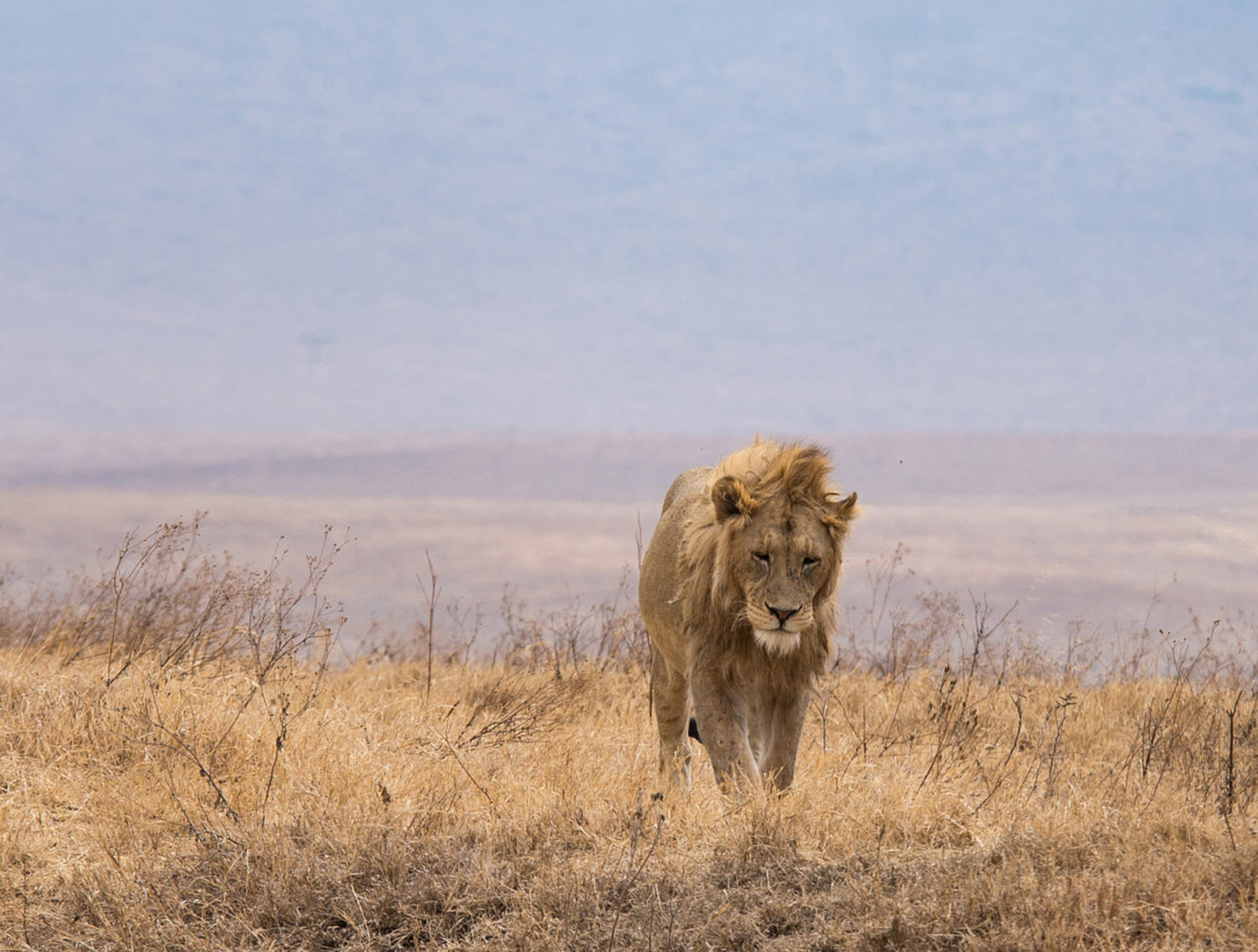
For photographers, this means more time observing wildlife and less time traveling between sightings. Lions may rest beside the road, elephants move through Lerai Forest, flamingos gather around Lake Magadi, and endangered black rhinos can sometimes be photographed across the open plains.
However, the cost of a photography safari to Ngorongoro Crater varies considerably. Your final price depends on the number of travelers, safari length, accommodation standard, vehicle arrangement, travel season, and whether you choose a private or shared tour.
This complete guide explains the expected photography Ngorongoro Crater safari cost, what is normally included, how to plan your budget, and how Kilipath African Safaris can arrange a photography-friendly Tanzania safari.
As a general planning estimate, international travelers can expect the following price ranges:
| Safari option | Estimated cost per person |
|---|---|
| One-day shared Ngorongoro safari | USD 300–450 |
| One-day private safari for two travelers | USD 500–800 |
| Two-day Tarangire and Ngorongoro safari | USD 550–900 |
| Three-day private photography safari | USD 900–1,700 |
| Four-day Northern Circuit photography safari | USD 1,300–2,500 |
| Luxury photography safari | USD 800–1,500+ per person per day |
These are approximate planning figures, not fixed quotations. Park fees, accommodation rates, fuel prices, exchange rates, seasonal supplements, and group size can affect the final cost.
For an accurate quotation, Kilipath African Safaris calculates the safari according to your dates, number of travelers, preferred accommodation, photography priorities, and arrival arrangements.
Ngorongoro Crater is a vast volcanic caldera approximately 20 kilometers across, about 600 meters deep, and covering roughly 300 square kilometers. It is recognized for its dramatic scenery and exceptional wildlife density. The wider conservation area is also a UNESCO World Heritage Site where wildlife conservation, archaeology, and pastoral traditions share the same landscape. Ngorongoro Conservation Area Authority and UNESCO provide further background about its natural and cultural significance.
Unlike destinations where animals are widely scattered, the crater floor supports wildlife throughout the year because it contains grasslands, swamps, forests, and permanent water sources.
Photography opportunities may include:
Although Ngorongoro is associated with the Big Five, every wildlife sighting is natural and therefore cannot be guaranteed. Leopard sightings inside the crater are particularly unpredictable, while rhinos are often observed from a considerable distance.
The final price is created from several separate expenses. Understanding these components helps you compare safari quotations accurately.
Every visitor must pay the applicable conservation fee to enter the Ngorongoro Conservation Area. These fees contribute to managing and protecting the destination.
The amount may depend on:
Fees can change, so travelers should request a current quotation rather than depending on an old online price list.
A safari vehicle descending to the crater floor pays a separate crater service fee. This is charged per vehicle rather than per traveler.
This fee is one reason a private Ngorongoro safari for one or two people costs more per person than a trip shared among several travelers. When more guests occupy the same vehicle, the vehicle-related expenses are divided among the group.
A suitable photographic safari requires a well-maintained 4x4 Land Cruiser with a pop-up roof. The vehicle cost normally covers:
A standard safari may use most available seats. A specialized photography safari often limits the number of passengers so each photographer has enough room for cameras, lenses, and bean bags.
Paying for an exclusive vehicle increases the cost, but it also provides greater freedom.
A shared safari is generally the most affordable option. Guests join other travelers and divide transportation and vehicle-related costs.
However, the itinerary follows a fixed schedule. The guide must balance the interests of everyone in the vehicle, so it may not always be possible to wait beside one subject for an extended period.
A private safari costs more but is normally better for serious photographers because you can:
For couples, families, or small photography groups, the additional flexibility can justify the price difference.
The number of travelers has a major influence on the per-person cost.
The vehicle, guide, fuel, and crater service charge are largely fixed expenses. A solo traveler pays these costs alone, while a group divides them.
For example:
For a dedicated photography safari, two to four guests per vehicle is usually the most comfortable arrangement.
Your choice of accommodation can change the total cost substantially.
Budget trips may use simple guesthouses, hostels, public campsites, or basic lodges. These provide essential facilities without expensive extras.
Mid-range lodges and tented camps generally provide private rooms, comfortable beds, en-suite bathrooms, meals, and pleasant common areas.
Luxury lodges may offer crater views, premium dining, spacious suites, fireplaces, personalized service, and an outstanding location close to the descent road.
Accommodation near or on the crater rim usually costs more than accommodation in Karatu or nearby areas. However, staying closer to the crater can reduce morning travel time and may help you reach the descent area earlier.
Prices are usually highest during Tanzania’s busiest safari periods, particularly from June through October and around the Christmas and New Year holidays.
During these months:
The green season may offer lower lodge prices, dramatic clouds, lush backgrounds, fewer vehicles, and excellent photographic light. Rain is possible, but showers often create highly atmospheric images.
A one-day Ngorongoro safari is less expensive overall than a multi-day itinerary, but the daily cost can still be relatively high because of the crater vehicle fee and transportation expenses.
A multi-day safari allows the costs to be distributed across a broader itinerary and gives photographers more varied subjects.
Popular combinations include:
The following examples illustrate how different travel styles affect the cost.
A budget safari may include:
This option is suitable for hobby photographers who want an affordable safari and are comfortable sharing the vehicle.
Expected budget: approximately USD 300–600 per person, depending on the itinerary and group size.
A mid-range private experience may include:
Expected budget: approximately USD 600–1,000 per person for a short trip, depending on group size and accommodation.
A luxury itinerary may include:
Expected budget: approximately USD 800–1,500 or more per person per day.
Luxury pricing varies widely because some crater-rim properties charge premium rates for location, views, and exclusivity.
A well-prepared Ngorongoro safari quotation commonly includes:
Kilipath African Safaris also uses safari vehicles with pop-up roofs to support wildlife viewing and photography. Depending on the selected vehicle, onboard facilities may include charging sockets and a cooler.
Always check your quotation carefully because inclusions differ between packages.
The following expenses are commonly excluded unless they are specifically included in the quotation:
Tips are appreciated but should remain voluntary. As a general guideline, many travelers budget approximately USD 10 or more per person per safari day for the guide, depending on the service and group size.
Yes, a one-day crater safari can be worthwhile, especially for travelers with limited time. The crater’s wildlife density creates opportunities to observe several species within one day.
However, it has limitations for dedicated photographers.
Travelers usually descend in the morning and leave later the same day. The visit must operate within applicable access hours and permit conditions. You cannot remain on the crater floor overnight.
A day trip may also involve a long drive from Arusha. Staying in Karatu or near Ngorongoro the previous night creates a more comfortable schedule and allows an earlier start.
A two- or three-day itinerary is often better because it can include:
Your guide collects you from your hotel or airport and drives toward Karatu. Depending on your arrival time, you may stop for landscape photography, visit a local market, or relax at the lodge.
In the afternoon, prepare your camera equipment, charge batteries, format memory cards, and discuss your photographic goals with the guide.
Accommodation: Karatu or the Ngorongoro highlands.
After an early breakfast, drive to the conservation area and descend to the crater floor.
The morning often offers:
Your guide searches for wildlife while considering the direction of light, the background, and the likely movement of the animals.
Possible subjects include lions, elephants, rhinos, buffalo, zebras, wildebeest, hyenas, hippos, and birds.
Lunch is normally served at a designated picnic location. Photography continues afterward before ascending from the crater.
Accommodation: Karatu, Ngorongoro highlands, or return to Arusha.
Extend the safari to photograph a different habitat.
Tarangire is known for elephants, baobab trees, open landscapes, and seasonal concentrations of wildlife. Lake Manyara offers forests, escarpment scenery, primates, birds, and wetland habitats.
After the game drive, return to Arusha or continue with the rest of your Tanzania itinerary.
Ngorongoro is a year-round destination, but every season offers a different visual character.
The dry season offers cooler conditions, limited rainfall, and generally good wildlife visibility.
Advantages include:
Possible disadvantages include more safari vehicles and higher accommodation prices.
The green season creates rich colors and atmospheric landscapes.
Advantages include:
Rain can make photography more challenging, but it can also produce reflections, rainbows, dark clouds, and powerful environmental portraits.
Early morning generally provides the most flattering light. Low sunlight creates warm colors, long shadows, and attractive catchlights in animals’ eyes.
The middle of the day produces stronger contrast, but it can still be useful for:
Cloud cover acts like a large natural diffuser and can produce excellent soft light throughout the day.
You do not need the most expensive equipment to enjoy a Ngorongoro safari. A reliable camera and a versatile telephoto lens are sufficient for many travelers.
If possible, carry two camera bodies. This reduces lens changes in dusty conditions and gives you a backup if one camera fails.
A practical setup might include:
Mirrorless and DSLR cameras are both suitable.
Useful wildlife focal lengths include:
Wildlife sometimes approaches the road closely, so an extremely long lens should not be your only option.
A 24–70mm or similar lens is valuable for:
Bring:
A bean bag is often more practical than a tripod inside a safari vehicle. It provides stability on the window frame or roof opening without occupying too much space.
Animals can move without warning. For general wildlife photography, start around 1/1000 second when light allows. Use a faster shutter speed for running animals or birds in flight.
For portraits, the nearest visible eye should normally be sharp. Animal eye-detection autofocus can be helpful, but continue checking the focus point.
A technically perfect portrait is beautiful, but behavior often tells a stronger story.
Watch for:
Do not photograph every animal as a tight portrait. The crater walls, grasslands, forest, and changing sky help communicate where the image was created.
Instead of continuously following an animal, observe its direction and prepare your composition in advance. Leave more space in front of a moving subject than behind it.
White birds, pale skies, and reflective water can easily become overexposed. Monitor the histogram and use exposure compensation when necessary.
Never pressure a guide to approach animals illegally, block their movement, or leave designated tracks. Ethical photography protects wildlife and produces more natural behavior.
The Ngorongoro Conservation Area requires crater visitors to be accompanied by a licensed or official guide. Visitors must also follow conservation rules designed to protect people, wildlife, and the environment. NCAA visitor guidelines
Two to four photographers can share a private vehicle without making the vehicle too crowded. This distributes fixed expenses while preserving good shooting space.
Accommodation in Karatu is often more affordable than a luxury lodge on the crater rim. The trade-off is additional driving time in the morning and evening.
Selected lodges offer lower rates outside peak season. The green scenery can also be more visually attractive than dry-season landscapes.
A Northern Circuit package can provide better overall value than organizing several independent trips.
Early booking gives you more choice of accommodation and vehicle availability, particularly between June and October.
Specialized lens rental may be limited or expensive in Tanzania. Carry the equipment you consider essential, while keeping airline luggage restrictions in mind.
The cheapest advertised price may exclude important items such as crater fees, taxes, accommodation, transfers, or meals. Compare the complete cost rather than the headline figure.
Kilipath African Safaris is a Tanzania-based safari company with local knowledge of Ngorongoro and the Northern Safari Circuit.
A customized photography safari can include:
Private tours can also be arranged with guides who speak French, Italian, Spanish, or German, subject to availability.
Most importantly, the team can build the itinerary around your photographic interests. Tell us whether you prefer predators, birds, landscapes, elephants, rhinos, animal behavior, or a balanced collection.
The right photography safari is not simply about finding the lowest price. It is about securing enough space, time, flexibility, and expert guidance to capture meaningful images without compromising wildlife welfare.
Whether you are a beginner using your first telephoto lens or an experienced photographer building a professional portfolio, Kilipath African Safaris can create an itinerary suited to your goals and budget.
Planning a budget Ngorongoro Crater safari holiday from Arusha? Compare a crater day trip, a two-day Tarangire and Ngorongoro safari, or a…
Read articleA Lake Manyara safari can cost USD 150–220 per person for a shared day trip from Arusha. A published example of a…
Read articleA Tanzania safari from Zanzibar can mean a short mainland trip during your beach holiday or a complete package with flights, game…
Read articleLooking for a group Tanzania safari price from Kilipath African Safaris? A published example for our four-day shared camping safari through Tarangire,…
Read article

