Budget Ruaha Safari Adventure
Explore Ruaha National Park’s baobab country on a guided safari built around your dates, group size and budget. Spend your game drives…
Read articleArusha City - Tanzania
Safari & Travel Tips
July 23, 2026 · 16 min read
Choosing the right Tanzania wildlife safari Ruaha operator is one of the most important steps when planning an adventure in southern Tanzania. Ruaha National Park is remote, exceptionally wild, and very different from Tanzania’s busier northern parks. Good local planning can make the difference between an ordinary trip and an unforgettable wilderness experience.
Ruaha National Park is celebrated for its enormous landscapes, dramatic baobab valleys, significant elephant population, predators and genuine sense of isolation. Tanzania’s official tourism authority describes it as a rugged wilderness known for elephants, predators, baobabs and expansive scenery. It is also Tanzania’s largest national park, covering approximately 20,226 square kilometres. Tanzania Tourism Board
Unlike destinations where hundreds of vehicles may gather around a single animal sighting, Ruaha offers a quieter and more exclusive safari atmosphere. Visitors can spend hours exploring river systems, rocky hills and open plains without encountering heavy traffic.
This guide explains how to choose a Ruaha safari operator, what wildlife you may see, when to travel, how to reach the park, where to stay and how Kilipath African Safaris can organize your journey.
Ruaha appeals to travelers who want an authentic African wilderness rather than a crowded safari route. Its vast size, remote location and relatively low visitor numbers create a powerful feeling of freedom.
The Great Ruaha River and its seasonal tributaries support an impressive concentration of wildlife. During the dry season, animals gather near the remaining water sources, creating excellent opportunities for game viewing and photography.
Ruaha is particularly suitable for:
A Ruaha safari is not simply about checking animals off a list. It is about slowing down, following tracks, listening to the bush and experiencing a remote ecosystem with an experienced guide.
A professional Ruaha safari operator handles the practical and logistical arrangements necessary for your trip. Because Ruaha is remote, these arrangements require careful coordination.
A reliable operator should help arrange:
Your operator should also explain driving distances, seasonal conditions, accommodation standards and expenses not covered by the package.
The role of an operator is not limited to making reservations. A knowledgeable local safari company helps match the itinerary to your interests, available time, budget and preferred travel style.
Booking through a local Tanzania operator offers several advantages. Local companies understand road conditions, seasonal wildlife movements, park procedures and realistic travel times.
A local operator can also communicate directly with guides, camps and transportation providers. If weather, road conditions or flight schedules change, the operator is in a stronger position to adjust the arrangements.
Benefits of using a local operator include:
An experienced operator understands which areas of Ruaha may offer productive wildlife viewing during different months.
You can discuss your expectations, dietary requirements, accommodation preferences and special occasions directly with the company organizing the safari.
A local operator can design a private itinerary instead of forcing your trip into a fixed international package.
Ruaha trips may involve domestic flights, long road transfers and accommodation in remote locations. These components must work together properly.
Booking locally allows more of your safari expenditure to remain within Tanzania and support local guides, drivers, accommodation providers and communities.
Kilipath African Safaris is a Tanzania-based safari company offering personalized wildlife experiences across the country. We plan itineraries according to the traveler’s interests rather than using one itinerary for everyone.
When planning a Ruaha safari with us, you can expect:
We understand that traveling to a remote destination may create questions about safety, transportation and accommodation. Our team helps you understand every stage of the journey before confirming your booking.
Ruaha contains an exciting mixture of eastern and southern African wildlife. This ecological meeting point makes the park especially interesting for repeat safari visitors.
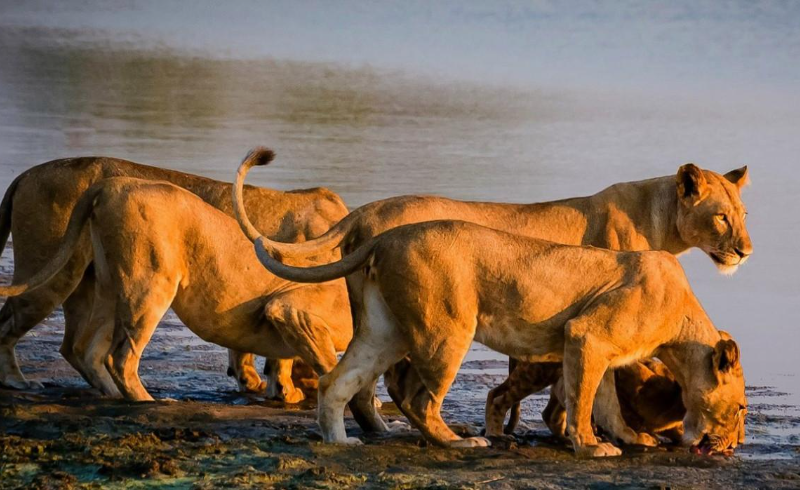
Ruaha is widely known for its lions. Travelers may encounter individual males, lionesses with cubs or larger prides resting near rivers and open plains.
Lion sightings cannot be guaranteed because these are wild animals moving freely. However, the park’s healthy prey population and remote environment make it one of Tanzania’s most rewarding predator destinations.
Large elephant populations are one of Ruaha’s defining attractions. Elephants can often be observed near river systems, woodland and seasonal water sources.
A patient guide allows visitors to observe their family behavior without approaching too closely. Watching young elephants interact with adult herd members can become one of the most memorable moments of a Ruaha safari.
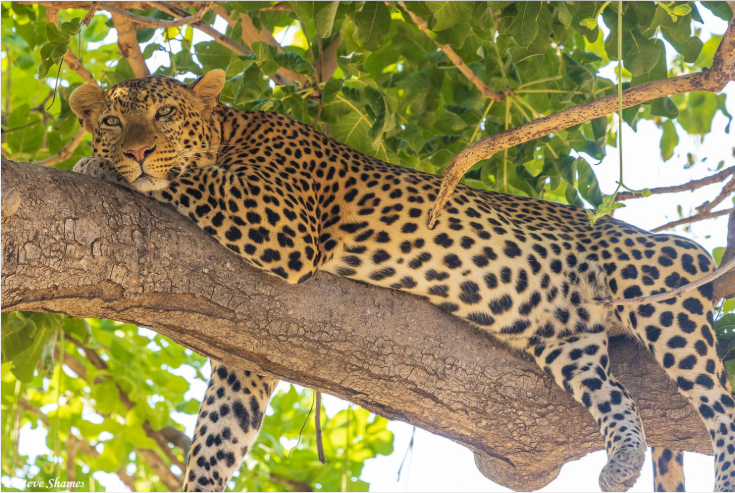
Leopards are naturally secretive, but Ruaha provides suitable habitat for them. They may be found resting in trees, walking through rocky areas or moving through woodland.
Early morning and late afternoon game drives may offer better possibilities for locating these elusive cats.
Ruaha is an important destination for travelers hoping to see African wild dogs. These highly social predators travel over large territories, so sightings remain unpredictable.
Finding a wild dog pack is an exceptional experience. Their coordinated movement, hunting behavior and social interaction make them fascinating to observe.
Cheetahs prefer open areas where they can scan for prey and use their speed. They are less commonly seen than lions, but Ruaha supports suitable habitat in parts of the park.
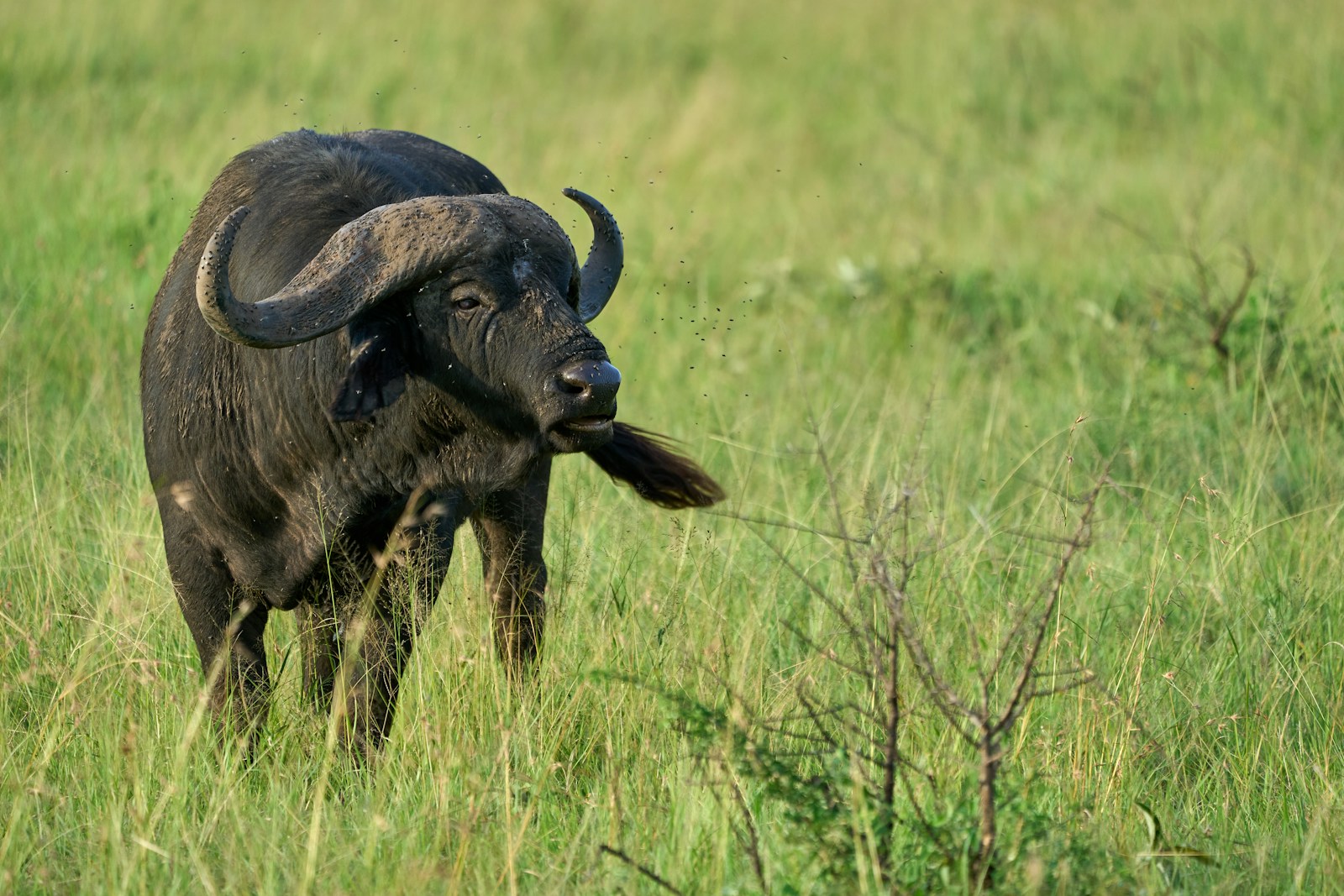
Buffaloes may be seen individually or in large herds, especially where water and grazing conditions are favorable. Old male buffaloes frequently spend time away from the main herd.
Ruaha is notable for species that are uncommon in some northern parks. TANAPA highlights the presence of greater kudu, lesser kudu, roan antelope and sable antelope. TANAPA Ruaha guide
Other animals may include:
Ruaha is an excellent destination for birdwatchers because its habitats include rivers, woodland, grassland, rocky hills and seasonal wetlands.
Possible sightings include:
Travelers primarily interested in birds should tell their operator before the safari. Kilipath African Safaris can arrange a guide who understands that birdwatching requires a slower pace and time to identify individual species.
Ruaha’s scenery is an important part of its appeal. The park is characterized by ancient baobab trees, open plains, miombo woodland, rocky outcrops and river valleys.
The Great Ruaha River is a major feature of the ecosystem. Even when water levels decline, pools along the river continue attracting animals. Smaller rivers and springs also help sustain wildlife.
The changing light over the baobabs creates beautiful photography conditions, particularly during the early morning and late afternoon. In the wet season, the dry golden landscape is transformed into a green wilderness.
Ruaha can be visited during different seasons, but the experience changes significantly throughout the year.
The dry season is generally considered excellent for traditional wildlife viewing. Vegetation becomes thinner, and animals often gather near rivers and remaining water sources.
Advantages include:
This is also a popular period, so visitors should reserve preferred camps early.
Seasonal rains transform Ruaha into a green and colorful environment. This period can be rewarding for birdwatching and landscape photography.
Potential advantages include:
Rain normally falls in showers rather than continuously every day, but some roads may become challenging.
Some camps may close or reduce operations during the heaviest rains. Road access can also be more difficult.
Travel is still possible in certain circumstances, but your Tanzania wildlife safari Ruaha operator should verify road conditions, accommodation availability and flight schedules before confirming the itinerary.
Travelers should normally allow at least three nights for Ruaha, although four or five nights provide a more complete experience.
Ruaha is enormous. Spending only one night may feel rushed, especially when traveling by road. Additional days allow your guide to explore different habitats instead of repeatedly covering the area closest to your accommodation.
A three-day itinerary can work for travelers using flights or starting from Iringa. It usually includes arrival-day game viewing, one full safari day and a shorter final drive.
Four days offer a more balanced experience. Travelers have time for multiple game drives and can explore farther from the main accommodation area.
A five-day trip is suitable for photographers, wildlife enthusiasts and visitors who enjoy a slower pace.
Longer itineraries can combine Ruaha with Mikumi, Nyerere National Park, Udzungwa Mountains or cultural attractions around Iringa.
Your guide collects you from your hotel, airport or agreed meeting point. Depending on the itinerary, you may travel by road from Iringa or use a domestic flight.
After arrival and formalities, enjoy your first game drive. Look for elephants, giraffes, antelopes and predators before continuing to your lodge or tented camp.
Begin early when temperatures are cooler and wildlife is active. Explore river areas, baobab valleys, woodland and open plains.
Your guide selects the most productive route according to recent sightings and current conditions. Depending on your itinerary, lunch may be served as a picnic in an authorized area or at the lodge.
Continue game viewing during the afternoon before returning for dinner and overnight.
Spend another day exploring a different section of the park. The second full day increases your chances of finding animals that were not seen previously.
Photographers may choose an early start and concentrate on subjects in favorable light. Other travelers may enjoy a more relaxed schedule with a break during the hottest part of the day.
Enjoy a final morning drive before leaving Ruaha. Continue to Iringa, connect with a domestic flight or proceed to the next destination included in your Southern Circuit safari.
The itinerary can be adjusted according to flight schedules, accommodation and travel interests.
The most suitable route depends on your starting location, time and budget.
Scheduled or chartered flights can connect Ruaha with major tourism centers, depending on current airline operations and season.
Flying is suitable for travelers who:
Flight schedules can change, so your operator should confirm availability before constructing the final itinerary.
Ruaha is approximately 130 kilometres west of Iringa, although actual travel time depends on the road, weather and park entry arrangements.
An overnight stay in Iringa can make the journey more comfortable. It also creates an opportunity to explore local history and culture.
A direct road journey from Dar es Salaam to Ruaha is long and should not be planned as though it were a short transfer. A better itinerary may divide the journey with an overnight stop or include Mikumi National Park.
Your operator should explain realistic driving hours before you commit to a road-based itinerary.
Ruaha provides different accommodation styles, from simpler camps to exclusive tented lodges.
Tented camps allow visitors to remain close to the natural environment while still enjoying beds, private bathrooms and meals, depending on the camp category.
Some camps are seasonal, while others operate for most or all of the year.
Lodges may offer permanent rooms, restaurants, lounges, electricity arrangements and views overlooking rivers or wilderness.
Luxury Ruaha properties may include spacious suites, private verandas, premium meals, swimming pools and highly personalized service.
Budget-conscious travelers may stay outside the most expensive areas or use basic facilities where available. However, they should understand the transportation time between the accommodation and productive game-viewing locations.
When comparing packages, do not consider price alone. Ask:
The cost of a Ruaha safari varies because each itinerary includes different services.
The main price factors are:
TANAPA currently lists the nonresident Ruaha conservation fee as USD 35.40, but additional vehicle, accommodation, concession, camping and activity charges may apply. Fees can change, so confirm the complete package with your operator before booking. TANAPA park tariffs
A trustworthy operator should provide a written quotation showing what is included and excluded.
A Kilipath African Safaris Ruaha package may include:
Exact inclusions depend on the selected package.
Common exclusions include:
Always read the final proposal carefully. Never assume that a service is included simply because it appears in another company’s package.
Ask whether the company has experience planning safaris in southern Tanzania. Ruaha logistics are different from standard Northern Circuit itineraries.
The itinerary should clearly state:
For road safaris, confirm that the vehicle is appropriate for wildlife viewing and rough conditions.
A suitable safari vehicle should have:
The guide plays a central role in your experience. A good guide combines driving skill, wildlife knowledge, communication and responsible animal-viewing practices.
Request the names of proposed camps or lodges. Review their location and facilities rather than relying only on terms such as “mid-range” or “luxury.”
Before paying a deposit, request information about:
A very low price or itinerary that ignores long driving distances may create problems later. Select a plan that provides enough time for wildlife viewing and rest.
Your operator should answer questions directly, explain limitations and avoid promising specific wild animal sightings.
Ruaha is often best experienced on a private safari because its remote location and large size reward flexibility.
Group departures may reduce the price, but they usually follow fixed dates, accommodation and routes. Shared Ruaha departures may also be less frequent than shared Northern Circuit safaris.
Travelers interested in a group option should ask:
This combination offers two major Southern Circuit wilderness areas. Ruaha is especially rewarding for traditional game drives, while Nyerere may offer boating and other activities subject to current park regulations and itinerary arrangements.
Mikumi can fit well into a road itinerary from Dar es Salaam. It helps break up the journey and provides an additional wildlife experience.
Udzungwa is ideal for travelers who want to combine wildlife viewing with hiking, forests and waterfalls.
Iringa provides cultural and historical experiences and can serve as a practical entry point for road safaris.
A Ruaha-and-Zanzibar holiday combines wilderness with an Indian Ocean beach experience. Domestic flights usually make this combination more practical than long road connections.
Ruaha’s quiet atmosphere, intimate camps and beautiful landscapes make it ideal for romantic travel. Your operator can arrange special meals or room preparations where available.
A private vehicle allows families to control the pace and take breaks. Parents should ask camps about minimum age restrictions, room arrangements and participation rules for specific activities.
Solo travelers can join a confirmed departure when available or book a private safari. Single supplements may apply because accommodation and vehicle costs are not shared.
Photographers should request a private vehicle whenever possible. They should also discuss luggage, camera support, charging availability and preferred game-drive times.
Ruaha can be arranged comfortably with careful selection of flights, accommodation and vehicle access. Travelers with mobility concerns should explain their requirements before booking.
Responsible tourism protects animals, habitats and local communities.
Visitors should:
A good operator prioritizes wildlife welfare and park regulations, even when a traveler wants a closer photograph.
Recommended items include:
Avoid camouflage clothing, which may be restricted or inappropriate in some destinations. Bright clothing can also make wildlife viewing and photography less comfortable.
Ruaha is a natural wilderness containing large and potentially dangerous animals. It is safe to visit when travelers follow professional instructions.
Important safety practices include:
Travel insurance should cover medical treatment, cancellation, evacuation and activities included in your itinerary.
Ruaha is a destination for travelers who want space, silence and meaningful wildlife encounters. Its enormous landscapes, ancient baobabs, river systems and predator populations create an experience that feels genuinely wild.
Selecting the right Tanzania wildlife safari Ruaha operator ensures that transportation, accommodation, park arrangements and game drives are coordinated professionally.
Kilipath African Safaris can create a Ruaha journey based on your travel dates, budget and preferred accommodation. Whether you are planning a honeymoon, family holiday, photography expedition or Southern Circuit adventure, our team is ready to help.
Contact Kilipath African Safaris today and let us design your unforgettable Ruaha wildlife safari.
Explore Ruaha National Park’s baobab country on a guided safari built around your dates, group size and budget. Spend your game drives…
Read articleDiscover Tanzania’s untamed wilderness without exceeding your travel budget. A budget Ruaha safari adventure offers incredible wildlife encounters, spectacular landscapes, authentic African…
Read articleA Nyerere Tanzania wildlife safari offers an extraordinary opportunity to discover one of Africa's most spectacular wilderness destinations. From magnificent elephants and…
Read articleTarangire National Park sits on Tanzania’s Northern Circuit and is usually visited from Arusha. Ruaha, Nyerere and Mikumi are Southern Circuit destinations.…
Read article