

Budget Ngorongoro Crater Safari Holiday
Planning a budget Ngorongoro Crater safari holiday from Arusha? Compare a crater day trip, a two-day Tarangire and Ngorongoro safari, or a…
Read articleArusha City - Tanzania
Safari & Travel Tips
July 24, 2026 · 18 min read
A journey combining the Ngorongoro Crater with Tanzania’s Southern Safari Circuit offers two remarkably different wildlife experiences in one holiday. Ngorongoro delivers dramatic scenery and exceptional concentrations of animals, while the Southern Circuit provides enormous wilderness areas, fewer safari vehicles, boat safaris, walking adventures, and a wonderfully remote atmosphere.
This Ngorongoro Crater safari Southern Circuit travel guide explains how to connect these destinations, when to travel, how many days you need, what wildlife you may encounter, where to stay, and how much the experience may cost.
The most important point to understand is that Ngorongoro and the Southern Circuit are not located next to each other. Ngorongoro is part of Tanzania’s famous northern safari region, while Nyerere, Ruaha, Mikumi, and Udzungwa lie much farther south. A carefully arranged flight or a longer overland journey is therefore necessary.
Although this combination requires thoughtful planning, the result can be an exceptionally rewarding Tanzania safari. Travelers experience the wildlife-rich floor of an ancient volcanic caldera before entering some of Africa’s largest and least crowded protected wildernesses.
At Kilipath African Safaris, we can customize this journey according to your dates, preferred accommodation, budget, interests, and arrival airport.
Most visitors choose either Tanzania’s Northern Circuit or Southern Circuit. Combining the two creates a more complete picture of the country’s landscapes and wildlife.
Ngorongoro Crater is renowned for its spectacular caldera, permanent wildlife populations, and opportunities to see several iconic African animals during a single game drive. Southern Tanzania feels wilder and more remote, with fewer vehicles and a wider variety of activities.
The main advantages of this combination include:
This journey suits returning safari travelers, photographers, honeymooners, families, and first-time visitors who have enough time to explore more than one region.
The Ngorongoro Conservation Area is located in northern Tanzania, west of Arusha and near the Serengeti ecosystem. Its centerpiece is the Ngorongoro Crater, one of the world’s largest intact, unfilled volcanic calderas.
The crater is approximately 20 kilometers across, with walls descending roughly 600 meters toward its floor. Its grasslands, marshes, forests, and seasonal water sources support an impressive range of wildlife. Ngorongoro Conservation Area Authority describes it as a vast, unbroken and unflooded caldera.
Most Ngorongoro safaris begin in Arusha and are combined with Tarangire, Lake Manyara, or Serengeti National Park.
The Southern Circuit generally includes:
The Southern Circuit is known for its expansive wilderness, lower vehicle density, and varied activities. Depending on the park, travelers may enjoy game drives, guided walking safaris, boat safaris, birdwatching, and fly-camping experiences.
Nyerere and Ruaha are usually the main destinations for a Southern Circuit wildlife itinerary.
Ngorongoro Crater creates a naturally enclosed wildlife habitat. Its mineral-rich soil, water sources, grasslands, and forests support animals throughout the year.
A typical crater safari begins early in the morning. Your guide drives along the crater rim before descending through one of the designated access roads. As you reach the floor, the landscape opens into grasslands where zebra, wildebeest, buffalo, and gazelle may be seen.
The crater’s habitats include:
Each habitat attracts different species, making the crater floor unusually diverse for its size.
Animals commonly encountered include:
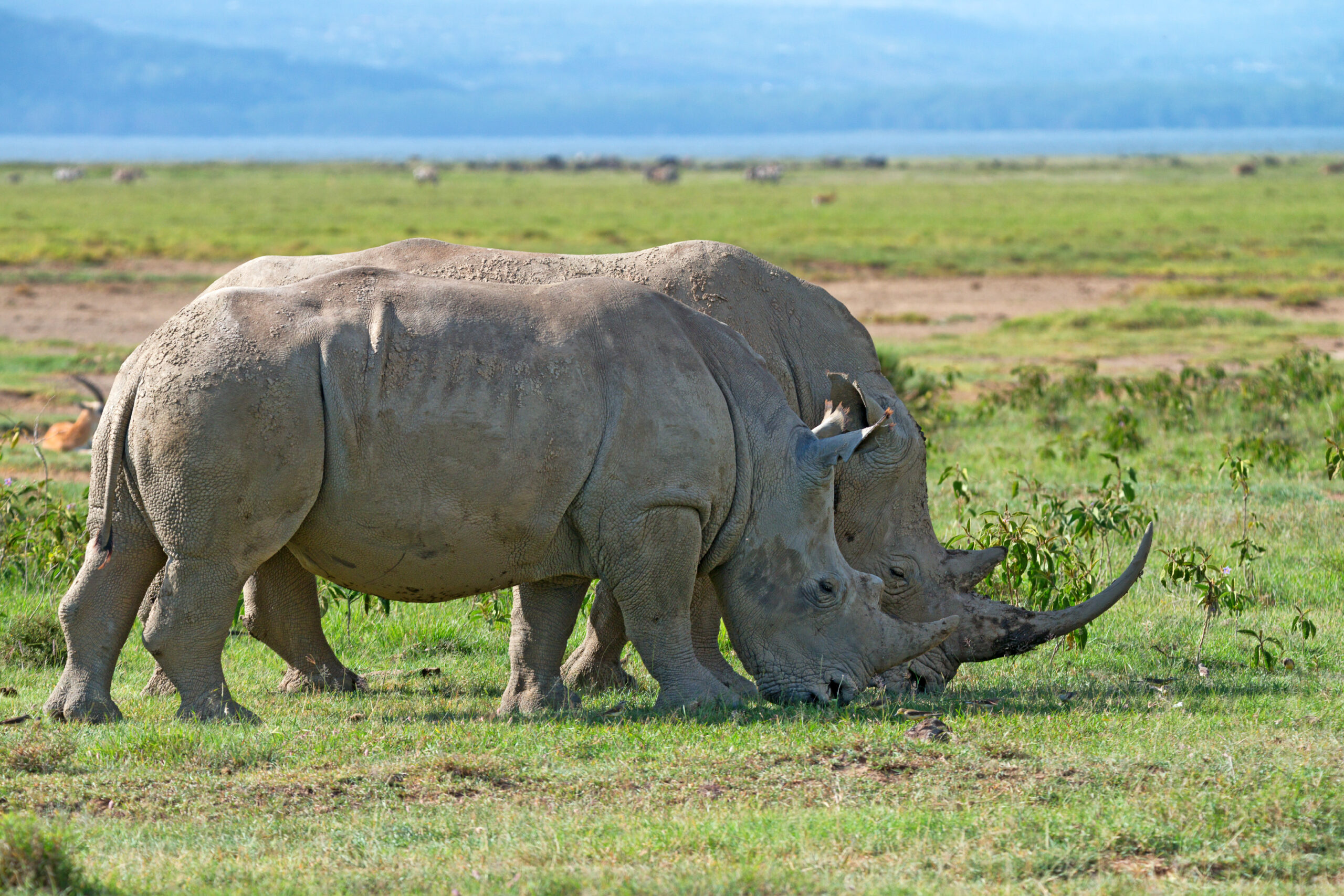
The crater is also one of Tanzania’s notable areas for spotting the critically endangered black rhinoceros. However, sightings are never guaranteed because the animals may remain far from accessible roads.
Giraffes are uncommon on the crater floor, partly because the steep descent routes and habitat are not particularly suitable for them. They can still be seen elsewhere in the wider Ngorongoro Conservation Area.
Ngorongoro supports a significant predator population. Lions and spotted hyenas are frequently observed, while jackals may be found moving through the grasslands.
Cheetahs can occasionally be seen in open areas, although they are less predictable. Leopards are present but usually difficult to spot because they prefer forested and concealed environments.
Predator activity is often best during the early morning, making an early crater descent highly recommended.
For most travelers, one carefully planned crater game drive is sufficient. Guests normally stay near Karatu, on the crater rim, or within the wider conservation area the night before.
Travelers who want to explore beyond the main crater can add another day for:
Walking activities within the conservation area must be arranged with qualified guides and, where required, an armed ranger. The authority identifies several suitable walking areas, including routes around Olmoti, Empakaai, and the highlands. Ngorongoro Conservation Area walking information
Nyerere National Park is one of the principal wildlife destinations in southern Tanzania. Its landscapes include woodland, open plains, wetlands, lakes, and channels connected to the Rufiji River system.
Nyerere offers something unavailable during a standard Ngorongoro Crater visit: a water-based safari.
Depending on water levels, season, lodge location, and local regulations, activities may include:
A boat safari can reveal hippopotamuses, crocodiles, elephants near the water, and many aquatic birds. It also allows visitors to observe the landscape from a completely different perspective.
Potential sightings include:
Nyerere is especially valued for its wilderness atmosphere and diversity of safari experiences.
Ruaha National Park is an excellent destination for travelers who want a remote, wildlife-focused safari. The Great Ruaha River and surrounding seasonal waterways attract animals during the dry months.
Ruaha’s environment combines baobab-studded landscapes, miombo woodland, rocky hills, riverine vegetation, and open plains.
Ruaha is particularly attractive because of its:
Possible sightings include:
Ruaha is particularly fascinating because East African and Southern African wildlife species overlap within the ecosystem.
Mikumi is one of the most accessible Southern Circuit parks from Dar es Salaam. Its open plains provide opportunities to see giraffes, elephants, buffalo, lions, zebras, wildebeest, and antelopes.
It can be included as:
Mikumi can become busier than more remote areas of Ruaha, but it remains a practical choice for travelers with limited time.
Udzungwa offers a completely different experience from Ngorongoro, Nyerere, or Ruaha. It is primarily a hiking and forest destination rather than a conventional vehicle-based safari park.
Visitors travel here for:
The popular hike to Sanje Waterfalls rewards visitors with beautiful views and an opportunity to explore one of Tanzania’s important forest ecosystems.
Udzungwa is ideal for active travelers who want to add hiking to their wildlife itinerary.
Katavi is one of Tanzania’s most remote safari destinations. It offers excellent wilderness experiences but usually requires additional flights, time, and budget.
During the dry season, animals gather around remaining water sources. Large concentrations of buffalo and hippopotamuses may be observed, along with elephants, lions, crocodiles, and other wildlife.
Katavi works best for:
It is not essential for a first Southern Circuit journey, but it can make an exceptional addition to an extended safari.
Ngorongoro and the Southern Circuit are separated by considerable distance. An efficient itinerary needs to include a logical transfer between northern and southern Tanzania.
This is usually the most convenient arrangement.
A typical routing may be:
Flight schedules can change seasonally, so the route should be confirmed before booking international flights.
Travelers may arrive in Dar es Salaam, visit Nyerere and Ruaha, then fly to Arusha for Ngorongoro.
This option works well when an international flight arrives in Dar es Salaam or when the safari begins after a Zanzibar holiday.
Some sections can be completed overland, especially:
However, driving the entire distance between Ngorongoro and the major southern parks can consume valuable safari time. Flying is usually more comfortable and efficient.
A fully overland route may suit adventurous travelers with more time. It can include rural scenery, lesser-visited towns, and several parks.
Nevertheless, road conditions, distances, and travel times must be considered carefully. An overland combination generally needs at least two weeks to avoid feeling rushed.
This itinerary is suitable for travelers who want a compact introduction to both regions.
Arrive at Kilimanjaro International Airport or Arusha Airport. Meet a Kilipath African Safaris representative and transfer to your accommodation.
Drive through the northern Tanzanian countryside toward Karatu or the Ngorongoro Conservation Area. Depending on arrival time, enjoy a cultural visit, forest walk, or relaxation at the lodge.
Descend into the crater for a full game-viewing experience. Search for lions, elephants, buffalo, hyenas, hippos, and black rhinos. Enjoy a picnic lunch at an approved location before leaving the crater.
Official regulations state that Ngorongoro gates generally operate between 06:00 and 18:00, while visitors to the crater must be accompanied by a licensed guide. Ngorongoro rules and regulations
Drive back to Arusha and stay overnight. If time permits, visit a local market, coffee estate, or Cultural Heritage Centre.
Transfer to the airport for a flight to Nyerere. Meet your camp guide and begin exploring the park.
Enjoy morning and afternoon game drives through woodland, grassland, and riverine habitats.
Take a boat safari or professionally guided walking activity, depending on the chosen camp, season, and conditions.
Fly from Nyerere to Dar es Salaam or continue to Zanzibar for a beach holiday.
This itinerary offers a more complete Southern Circuit experience.
Arrive in Arusha, travel to the Ngorongoro region, and enjoy a crater safari.
Return to Arusha and fly south, following the most practical available schedule.
Experience game drives, a boat safari, and possibly a guided walk.
Transfer by scheduled or charter flight to Ruaha National Park.
Enjoy extensive game drives focused on predators, elephants, antelopes, and birdlife.
Fly to Dar es Salaam, Zanzibar, or another connecting airport.
A 12-day journey allows a slower and more satisfying itinerary.
Tarangire adds elephant herds, baobab scenery, and another important Northern Circuit ecosystem.
Travelers interested in wildlife and hiking can consider:
This route is best for guests who enjoy varied activities and do not want every day to consist solely of vehicle-based game viewing.
There is no single perfect month for every traveler. The best time depends on wildlife priorities, preferred landscapes, budget, and tolerance for rain.
The dry season is generally excellent for Southern Circuit wildlife viewing. As vegetation becomes thinner and water sources decrease, animals gather near rivers and permanent water.
Advantages include:
This is also a popular travel period, so flights and high-quality camps should be reserved early.
The short rains can transform the landscape. Vegetation becomes greener, migratory birds arrive, and photography conditions may be beautiful.
Rain is often intermittent rather than continuous, although weather patterns are never guaranteed.
Potential advantages include:
January and February can provide warm weather, green scenery, birdlife, and good resident wildlife viewing. Ngorongoro remains rewarding because animals live within and around the crater throughout the year.
Some Southern Circuit roads may become more challenging following heavy rain, but many camps continue operating.
The long-rain period can bring muddy roads, reduced accessibility, and temporary camp closures in remote southern areas.
Travel is still possible in selected destinations, but the itinerary must be designed carefully. Travelers may benefit from lower accommodation prices and fewer visitors, but flexibility is important.
For a first journey combining Ngorongoro, Nyerere, and Ruaha, the most convenient period is generally June through October.
Travelers prioritizing lush landscapes, birds, and lower visitor numbers may prefer November through February.
Crater-rim accommodation provides outstanding views and convenient access for an early descent.
Advantages include:
The primary disadvantage is cost. Rim lodges are generally more expensive than accommodation around Karatu.
Karatu offers a broad selection of comfortable lodges, farms, guesthouses, and tented properties.
Advantages include:
The drive to the crater entrance and descent point adds time to the morning journey, so an early departure is important.
Nyerere properties range from seasonal tented camps to luxury riverside lodges. When choosing a camp, consider whether the rate includes:
The location matters because different parts of the park offer different access to channels, lakes, and game-viewing areas.
Ruaha includes intimate tented camps and more luxurious safari lodges. Properties near reliable rivers and game-viewing areas are particularly attractive during the dry season.
Remote camps may provide exceptional exclusivity but can require longer airstrip transfers.
The price of a combined safari varies significantly. A personalized quotation is more reliable than a single advertised figure because the trip involves multiple regions, flights, permits, and accommodation styles.
The final price depends on:
A budget-conscious itinerary may use simple lodges, public campsites, road transfers, and fewer domestic flights.
However, true budget group departures that combine Ngorongoro with Ruaha or Nyerere are less common. Shared Northern Circuit safaris generally follow fixed routes, while the Southern Circuit may require separate arrangements.
Midrange safaris normally use comfortable lodges and tented camps with private bathrooms, good meals, and professionally guided activities.
This category offers a good balance between comfort, wilderness, and price.
Luxury packages may include:
For an accurate quotation, provide:
Park fees and aviation costs may change, so every quotation should be checked against current rates before confirmation.
A private safari is normally the best option for this combination.
A private safari allows:
Game drives form the foundation of the itinerary. A specially equipped 4x4 safari vehicle normally includes:
Private game drives offer more control over the day’s pace and wildlife interests.
Boat safaris are an important attraction in Nyerere. They provide opportunities to observe crocodiles, hippos, waterbirds, and mammals near the shoreline.
Always follow your guide’s safety instructions and remain seated when requested.
Walking safaris reveal smaller details often missed from a vehicle, including tracks, insects, plants, animal behavior, and ecological relationships.
Walks must be conducted by appropriately qualified professionals and should never be attempted independently in wildlife areas.
A cultural visit can provide insight into local traditions, livelihoods, and history. Choose respectful experiences that benefit participating communities and avoid treating local people merely as photographic attractions.
Ngorongoro and the Southern Circuit are excellent for bird enthusiasts. Habitats range from crater wetlands and highland forests to miombo woodland and river systems.
Bring binoculars and tell your guide if birding is a priority.
This combined itinerary is excellent for photographers because it includes open crater grasslands, river habitats, baobab landscapes, forests, and varied wildlife.
Recommended equipment includes:
Morning and late-afternoon light usually provides softer colors and better contrast. Midday light can be harsh, but it remains useful for wildlife behavior and close encounters.
Ask for a private vehicle if photography is your main priority. This allows your guide to position the vehicle responsibly and gives you more control over how long you remain at a sighting.
Never pressure a guide to leave authorized tracks or disturb wildlife for a photograph. Ngorongoro regulations prohibit off-road driving and limit crowding around animals. Official crater regulations
Pack light, particularly if your journey includes small domestic aircraft.
Recommended items include:
The Ngorongoro rim can be cold, especially early in the morning. Southern Tanzania can become hot during the day. Dressing in removable layers is the most practical solution.
Soft-sided luggage is generally better than hard suitcases for safari vehicles and light aircraft. Domestic airlines may enforce strict baggage limits, which should be checked for the specific flight.
Travelers should consult a qualified medical professional or travel clinic before departure. Advice may depend on nationality, previous travel, medical history, and the regions being visited.
Discuss:
Comprehensive travel insurance should cover medical treatment, evacuation, cancellations, delays, and safari activities.
During the safari:
Responsible tourism helps protect Tanzania’s wildlife and supports communities connected to conservation areas.
Travelers can help by:
Ngorongoro’s official guidelines require visitors to remain on authorized roads, avoid disturbing wildlife, and leave no litter. These rules protect both the ecosystem and the quality of future safari experiences.
Zanzibar is a natural extension after a combined safari. Flights from Southern Circuit airstrips may connect through Dar es Salaam, while some seasonal services may offer more direct routing.
A typical Zanzibar extension includes:
Three to six nights is suitable for most travelers. Honeymooners or guests completing a long safari may prefer seven nights.
Schedule sufficient connection time between domestic and international flights. Where possible, avoid placing an inflexible international departure immediately after a remote bush flight.
A combined Ngorongoro Crater and Southern Circuit safari is one of the most diverse ways to experience Tanzania. It brings together the wildlife-rich floor of an ancient caldera, Nyerere’s waterways, Ruaha’s baobab landscapes, and the peaceful character of southern Tanzania.
Because the destinations are located in different regions, professional planning is essential. The right itinerary must coordinate road transfers, domestic flights, park permits, accommodation, safari activities, and international connections.
Kilipath African Safaris can design a personalized journey based on your preferred dates, budget, accommodation level, and wildlife interests. Whether you want a comfortable midrange adventure, a private photography safari, a family holiday, or a luxury honeymoon, we can create a route that balances wildlife viewing with comfortable travel.
Contact Kilipath African Safaris today for a customized Ngorongoro Crater and Southern Circuit safari quotation.
Planning a budget Ngorongoro Crater safari holiday from Arusha? Compare a crater day trip, a two-day Tarangire and Ngorongoro safari, or a…
Read articleA Lake Manyara safari can cost USD 150–220 per person for a shared day trip from Arusha. A published example of a…
Read articleA Tanzania safari from Zanzibar can mean a short mainland trip during your beach holiday or a complete package with flights, game…
Read articleLooking for a group Tanzania safari price from Kilipath African Safaris? A published example for our four-day shared camping safari through Tarangire,…
Read article

