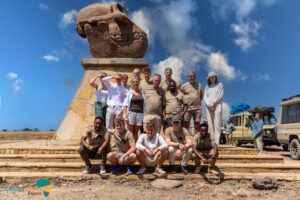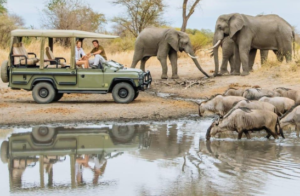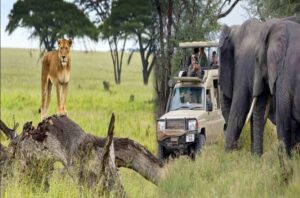
A Serengeti Ruaha safari combines two of Tanzania’s most remarkable wildlife destinations in one unforgettable journey. The Serengeti is famous for the Great Migration, endless plains, big cats, and classic African scenery. Ruaha National Park offers a quieter and wilder experience, with large elephant herds, powerful lion prides, baobab-covered landscapes, and far fewer safari vehicles.
Visiting both parks allows travelers to experience two very different sides of Tanzania. In the Serengeti, you can witness open grasslands filled with wildebeest, zebras, gazelles, lions, and cheetahs. In Ruaha, you explore remote valleys, rocky hills, seasonal rivers, and woodland inhabited by elephants, leopards, wild dogs, and many other animals.
This guide explains how to plan a combined Serengeti and Ruaha safari, including the best time to travel, wildlife highlights, transport options, accommodation, suggested itineraries, and practical travel advice.
Why Combine Serengeti and Ruaha?
The Serengeti and Ruaha complement each other beautifully. Although both destinations offer excellent wildlife viewing, their landscapes and safari atmospheres are very different.
The Serengeti is Tanzania’s most famous national park and one of Africa’s leading wildlife destinations. Its vast plains support enormous numbers of grazing animals and predators. It is also the setting for much of the Great Wildebeest Migration.
Ruaha, located in southern Tanzania, feels more remote and adventurous. Visitor numbers are lower, allowing you to enjoy peaceful game drives and longer wildlife sightings without large crowds. The park is particularly known for elephants, lions, leopards, African wild dogs, buffaloes, and diverse antelope species.
A combined safari is ideal for:
- Wildlife enthusiasts who want varied ecosystems
- Photographers searching for different landscapes
- Couples planning a romantic or honeymoon safari
- Repeat visitors wanting to explore beyond Northern Tanzania
- Travelers interested in both famous and remote destinations
- Families looking for a diverse private safari experience
Discovering Serengeti National Park
Serengeti National Park is defined by its open plains, dramatic wildlife encounters, and extraordinary concentration of animals. Its name comes from a Maasai word often interpreted as “endless plains,” an accurate description of the landscape.
The park is divided into several safari regions.
Central Serengeti
The Central Serengeti, especially the Seronera area, offers dependable wildlife viewing throughout the year. Permanent water sources attract many resident animals, including lions, leopards, elephants, buffaloes, giraffes, and several antelope species.
The rocky kopjes scattered across the plains are popular resting and observation points for lions. Leopards are frequently found near riverine woodland, while cheetahs prefer open areas where they can scan for prey.
Central Serengeti is an excellent choice for first-time visitors and travelers who are not visiting during a major migration season.
Northern Serengeti
Northern Serengeti becomes especially popular from approximately July to October, when migrating wildebeest may gather around the Mara River. River crossings are dramatic but unpredictable. Travelers should spend several nights in the region to improve their chances of seeing migration activity.
Even without a crossing, Northern Serengeti offers excellent scenery and wildlife viewing. The area is quieter than the central region and supports elephants, giraffes, lions, leopards, and resident herbivores.
Southern Serengeti and Ndutu
From around December to April, the migration is commonly associated with the southern Serengeti ecosystem and Ndutu area. The calving season usually reaches its peak between January and February, when thousands of wildebeest calves are born.
The abundance of young animals attracts lions, cheetahs, hyenas, and other predators. This makes the green season particularly exciting for wildlife photographers.
Because migration timing depends on rainfall, exact animal locations can vary each year.
Exploring Ruaha National Park
Ruaha National Park is one of Tanzania’s greatest wilderness destinations. It lies in the country’s south-central region and forms part of a vast protected ecosystem. Its remote location helps preserve its wild character.
Ruaha’s scenery is striking. Ancient baobab trees rise above dry woodland, rocky hills overlook open valleys, and river systems attract wildlife during the dry season. The Great Ruaha River is one of the park’s most important wildlife areas.
Compared with the Serengeti, Ruaha generally receives fewer visitors. It is therefore an excellent destination for travelers who value privacy, wilderness, and unrushed wildlife encounters.
Wildlife in Ruaha
Ruaha is particularly famous for its predators. Large lion prides live in the park, and visitors may witness lions hunting buffaloes or gathering near rivers and waterholes.
Other animals commonly searched for include:
- African elephants
- Leopards
- Cheetahs
- African wild dogs
- Spotted hyenas
- Buffaloes
- Giraffes
- Zebras
- Greater and lesser kudu
- Sable and roan antelopes
- Hippos and crocodiles
Ruaha is positioned near the meeting point of eastern and southern African ecosystems. This contributes to its unusual variety of wildlife and plant species.
The park is also rewarding for birdwatchers, with hundreds of recorded species. Seasonal migrants add even more variety during the wetter months.
Serengeti Versus Ruaha
| Feature | Serengeti | Ruaha |
|---|---|---|
| Safari character | Iconic and expansive | Remote and adventurous |
| Major attraction | Great Migration | Predators and elephants |
| Landscape | Open plains and kopjes | Rivers, baobabs and woodland |
| Visitor levels | Moderate to busy in peak areas | Generally low |
| Wildlife viewing | Excellent throughout the year | Best during the dry season |
| Best for | First-time visitors and migration safaris | Experienced travelers and quiet safaris |
| Access | Road and scheduled flights | Primarily flights or long road journeys |
Neither destination is better than the other. Combining them creates a more complete Tanzanian wildlife experience.
Best Time for a Serengeti Ruaha Safari
The most suitable travel period depends on your priorities.
June to October
The dry season is generally an excellent time to combine both parks. Wildlife gathers near permanent water sources in Ruaha, vegetation becomes thinner, and animals are easier to locate.
In the Serengeti, the migration may move through the western or northern regions depending on the month and rainfall. July through September is particularly popular for Northern Serengeti trips.
This is also a busy travel season, so booking flights and accommodation early is recommended.
January to February
January and February are ideal for travelers interested in the wildebeest calving season around Ndutu and the Southern Serengeti. The scenery is green, predator activity can be intense, and newborn animals create wonderful photographic opportunities.
Ruaha receives seasonal rain during this period, but the landscapes are lush and birdlife is excellent. Some remote properties may have limited seasonal operations, so accommodation availability should be checked carefully.
March to May
These months form part of the main rainy season. Travel can still be rewarding, with green scenery, dramatic skies, fewer visitors, and attractive seasonal offers.
However, road conditions may be challenging, wildlife can be more dispersed in Ruaha, and certain camps may close temporarily.
November and December
Short rains bring fresh vegetation and returning migratory birds. Visitor numbers may be lower than during the main dry-season peak. The migration often begins moving toward the southern Serengeti ecosystem as conditions change.
How to Travel Between Serengeti and Ruaha
Serengeti and Ruaha are located in different safari regions. Traveling directly between them by road requires considerable time and is not normally the most comfortable option.
Domestic flights provide the most practical connection. Depending on schedules, routing, and travel dates, the journey may involve a connection through Arusha, Kilimanjaro, Dar es Salaam, or another airstrip.
A well-planned package can include:
- Arrival in Arusha or Kilimanjaro
- Northern Circuit safari in the Serengeti
- Scheduled or charter flight toward Ruaha
- Ruaha safari activities
- Flight to Dar es Salaam, Zanzibar, or another onward destination
Flight schedules and routes can change seasonally. Travelers should confirm their preferred itinerary before purchasing separate international or domestic tickets.
Soft-sided luggage is strongly recommended for small safari aircraft. Strict baggage limits commonly apply, and large hard-shell suitcases may not be accepted.
Recommended Serengeti Ruaha Safari Itinerary
Because of the distance between the parks, a trip of at least eight or nine days is advisable.
Day 1: Arrival in Tanzania
Arrive at Kilimanjaro International Airport and meet your safari representative. Transfer to your accommodation in Arusha for dinner and an overnight stay.
Your guide can provide a briefing about the itinerary, weather, baggage requirements, and expected departure time.
Day 2: Fly or Drive to Serengeti
Travel to the Serengeti by safari vehicle or domestic flight. A road journey can include game viewing and optional visits to other Northern Circuit attractions. Flying saves time and offers aerial views of Tanzania’s landscapes.
After arrival, enjoy an afternoon game drive before proceeding to your lodge or tented camp.
Days 3–4: Serengeti Game Drives
Spend two full days exploring the Serengeti. Your exact game-drive route will depend on the season and recent wildlife movements.
Possible sightings include lions, leopards, cheetahs, elephants, giraffes, buffaloes, wildebeest, zebras, hippos, hyenas, and numerous bird species.
A sunrise hot-air balloon safari can be arranged at an additional cost. After floating above the plains, guests usually enjoy a special breakfast before returning to the day’s safari activities.
Day 5: Travel Toward Ruaha
Take a domestic flight connecting the Serengeti with Ruaha or an appropriate transit airport. On arrival, meet the camp guide and transfer through the wilderness to your accommodation.
Depending on the arrival time, an introductory game drive may be possible.
Days 6–8: Ruaha National Park
Enjoy morning and afternoon game drives in Ruaha. Explore the river, woodland, baobab valleys, and rocky areas while searching for predators, elephants, buffaloes, and antelopes.
Some camps may offer guided walking safaris, depending on location, weather, park regulations, and guide availability. Walking provides a closer introduction to animal tracks, plants, insects, and the smaller details often missed from a vehicle.
Day 9: Departure
After breakfast or a final morning activity, fly from Ruaha to Dar es Salaam or Zanzibar. Travelers can continue home or extend their holiday with several relaxing days on the coast.
Accommodation Options
Both destinations offer accommodation for different travel styles.
Tented Safari Camps
Tented camps provide an intimate connection with nature while maintaining comfort. Many have proper beds, private bathrooms, hot showers, dining areas, solar electricity, and attentive staff.
Mobile or seasonal camps may relocate according to migration patterns in the Serengeti.
Mid-Range Lodges
Mid-range accommodation is suitable for travelers who want comfortable rooms and private bathrooms without choosing the highest luxury category. Facilities vary but may include restaurants, lounges, charging points, swimming pools, and views over the surrounding landscape.
Luxury Safari Camps
Luxury properties may offer spacious suites, private decks, premium dining, swimming pools, personalized service, and exclusive safari activities. They are particularly suitable for honeymoons and special celebrations.
Ruaha’s smaller camps can feel especially private because of the park’s low visitor numbers.
Private or Shared Safari?
A private safari is usually the best format for combining Serengeti and Ruaha. The complicated flight arrangements and different regional operations make a completely shared itinerary difficult.
A private safari offers:
- A dedicated vehicle and professional guide
- Flexible game-drive schedules
- More control over photography stops
- Accommodation selected for your budget
- Easier coordination of regional flights
- A more personal experience for couples and families
Shared safaris are more readily available on popular Northern Circuit routes. Ruaha arrangements are often operated separately by the selected camp or southern safari specialist.
What Is Usually Included?
Inclusions vary by operator and accommodation category, but a complete package may cover:
- Airport transfers
- Safari transportation
- Professional driver-guides
- National park entry fees
- Accommodation during the safari
- Meals stated in the itinerary
- Drinking water during game drives
- Domestic flights stated in the package
- Government taxes and applicable conservation fees
- Emergency support during the trip
International flights, visas, travel insurance, gratuities, alcoholic drinks, personal expenses, and optional activities are commonly excluded unless specifically listed.
Always request a clear written quotation showing exactly what is included and excluded.
What to Pack
Pack light and choose neutral-colored, breathable clothing. Temperatures can be hot during the day, but mornings and evenings may feel cool.
Useful items include:
- Lightweight shirts and trousers
- Warm jacket or fleece
- Comfortable closed shoes
- Sun hat and sunglasses
- Sunscreen and insect repellent
- Camera and extra batteries
- Binoculars
- Personal medication
- Small daypack
- Reusable water bottle
- Soft-sided travel bag
- Copies of important travel documents
Avoid packing only dark blue or black clothing for areas where tsetse flies may be present. Neutral colors such as khaki, beige, brown, and olive are more practical.
Responsible Safari Travel
Travelers can help protect Tanzania’s wildlife by following park rules and respecting the environment.
Remain inside the vehicle unless your guide confirms that leaving it is permitted. Never feed animals or ask the guide to drive off designated tracks where this is prohibited. Keep noise low near wildlife and avoid pressuring the guide to approach animals too closely.
Choose operators and accommodations that support local employment, reduce plastic waste, conserve water, and contribute to wildlife protection
Plan Your Serengeti Ruaha Safari
A Serengeti Ruaha safari is perfect for travelers who want more than a standard wildlife holiday. It combines the legendary plains of the Serengeti with the remote rivers, baobab forests, elephants, and predators of Ruaha.
With the right itinerary, comfortable flights, knowledgeable guides, and carefully selected accommodation, this journey offers exceptional wildlife viewing and a genuine sense of African wilderness.
Contact Kilipath African Safaris to create a personalized Serengeti and Ruaha itinerary based on your dates, preferred accommodation, group size, and budget. Whether you are planning a honeymoon, private family safari, photographic expedition, or luxury adventure, our team will help organize every stage of your Tanzanian journey.