A Tanzania safari Ngorongoro vacation offers an extraordinary combination of wildlife, dramatic landscapes, cultural experiences, and comfortable safari accommodation. Located in northern Tanzania, the Ngorongoro Conservation Area is famous for the spectacular Ngorongoro Crater, one of Africa’s most remarkable wildlife destinations.
Within the crater, travelers can encounter lions, elephants, buffaloes, zebras, wildebeest, hippos, hyenas, and many other animals during a single game drive. Lucky visitors may also see the endangered black rhinoceros. The concentration of wildlife, combined with the crater’s breathtaking scenery, makes Ngorongoro an essential destination for first-time visitors, couples, families, photographers, and experienced safari travelers.
This complete guide explains when to visit, what animals you may see, where to stay, how many days you need, and how to combine Ngorongoro with other famous destinations in Tanzania.
Why Choose a Tanzania Safari Ngorongoro Vacation?
Ngorongoro is different from a traditional national park. It forms part of a multiple-use conservation area where wildlife and local Maasai communities live alongside one another. The region contains grasslands, forests, volcanic highlands, archaeological sites, and the world-famous Ngorongoro Crater.
The crater was formed when a massive volcano collapsed millions of years ago. Today, its floor provides permanent water, grass, and shelter for thousands of animals. Because wildlife can find essential resources throughout the year, game viewing is consistently rewarding.
Important reasons to visit Ngorongoro include:
- An excellent chance to see several members of the Big Five
- A high concentration of animals within a relatively compact area
- Magnificent views from the crater rim
- Year-round wildlife viewing
- Opportunities to meet Maasai communities
- Easy connections with Serengeti and Tarangire
- Accommodation options for different budgets
- Convenient access from Arusha
Ngorongoro is especially valuable for travelers with limited time because one well-planned crater game drive can produce an impressive variety of wildlife sightings.
The Ngorongoro Crater Experience
A typical crater safari begins early in the morning. Your safari vehicle descends from the forested rim along a winding road toward the crater floor. As you travel downward, the vast landscape opens below you, revealing grasslands, lakes, forests, and distant herds of animals.
The crater covers approximately 260 square kilometres and its walls rise hundreds of metres above the floor. These natural boundaries create the feeling of entering a separate wildlife world.
Your professional guide explores different habitats while searching for animals. Open grasslands attract zebras, wildebeest, gazelles, buffaloes, and predators. The Lerai Forest is an important area for elephants, while the wetlands and pools are home to hippos and numerous bird species.
Lunch is normally enjoyed at a designated picnic site inside the crater. After additional wildlife viewing, the vehicle ascends the crater wall during the afternoon and continues toward your lodge or back to Arusha.
Because visitor time inside the crater is regulated, beginning the game drive early helps you enjoy the best possible experience.
Wildlife in the Ngorongoro Crater
Wildlife is the central attraction of any Tanzania safari Ngorongoro vacation. The crater supports an estimated population of approximately 25,000 large animals, although numbers naturally change according to environmental conditions and animal movements.
Lions
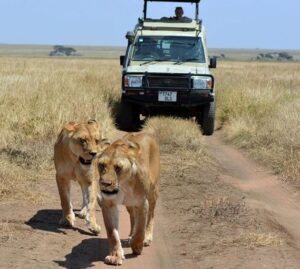
Ngorongoro is known for its resident lion population. Lions may be seen resting in the grass, walking near safari vehicles, or watching herds of herbivores. Early morning is often a productive time for observing predators while they remain active.
Black Rhinoceroses
The endangered black rhinoceros is one of the crater’s most sought-after animals. Sightings cannot be guaranteed, but Ngorongoro remains one of Tanzania’s important locations for seeing this rare species. Binoculars are helpful because rhinos may remain far from the roads.
Elephants
Large bull elephants are regularly encountered, particularly around forested sections of the crater. Family herds are less commonly seen on the crater floor but may appear elsewhere in the conservation area.
Wildebeest and Zebras
Thousands of wildebeest and zebras graze on the crater’s open plains. Their presence attracts lions, spotted hyenas, and other predators. Travelers may also see Thomson’s gazelles, Grant’s gazelles, elands, and hartebeests.
Hippos
Several pools and wetlands provide a habitat for hippos. Visitors can sometimes watch them resting in the water or grazing near the pools during cooler periods.
Birds
Ngorongoro is also rewarding for birdwatchers. Depending on the season and habitat, travelers may observe flamingos, crowned cranes, ostriches, kori bustards, secretary birds, eagles, vultures, and waterbirds.
Although the crater contains an impressive variety of wildlife, giraffes are rarely found on the crater floor. They are more commonly seen in other parts of the conservation area and neighboring parks.
Best Time to Visit Ngorongoro
Ngorongoro offers productive wildlife viewing throughout the year. The best season depends on your priorities, preferred scenery, budget, and tolerance for rain or busy travel periods.
June to October: Dry Season
The dry season generally brings cooler conditions, limited rainfall, and easier wildlife viewing. Vegetation becomes thinner, and animals are often more visible around water sources.
This is also one of Tanzania’s busiest safari periods. Lodges can fill quickly, especially during July and August. Travelers planning a dry-season vacation should reserve accommodation well in advance.
November to December: Short Rains
Short rains normally arrive during this period, but they do not necessarily continue throughout the day. The landscape becomes greener, birdlife is excellent, and visitor numbers may be lower than during peak season.
Weather patterns can vary, so travelers should prepare for both sunshine and occasional showers.
January to March: Green and Calving Season
The beginning of the year is a beautiful time to explore northern Tanzania. The wider Ngorongoro Conservation Area, especially the Ndutu region, becomes important during the wildebeest calving season.
Large herds gather on the southern plains, where thousands of young animals are born. This abundance of prey also attracts cheetahs, lions, hyenas, and other predators. Travelers interested in the calving season should combine the crater with a private safari in Ndutu.
April to May: Long Rains
These months generally receive more rainfall. Roads may become muddy, but the landscape is wonderfully green, and safari areas are often quieter. Some accommodations provide seasonal offers during this period.
Photographers may appreciate the dramatic skies, lush scenery, and reduced vehicle numbers. However, visitors should be prepared for possible changes to driving conditions.
How Many Days Do You Need?
A single full-day game drive is usually enough to explore the main wildlife areas on the crater floor. However, the entire vacation should include sufficient time for transportation, accommodation, and other northern Tanzania destinations.
Two-Day Safari
A two-day itinerary can combine Ngorongoro Crater with Tarangire National Park or Lake Manyara. It is suitable for travelers with a very limited schedule.
Three-Day Safari
Three days provide a more comfortable experience. A popular itinerary includes Tarangire, Ngorongoro, and Lake Manyara, or two nights focused on Ngorongoro and nearby cultural activities.
Four- or Five-Day Safari
Four or five days allow travelers to combine Ngorongoro with the Serengeti. This option provides a stronger contrast between the enclosed crater ecosystem and the Serengeti’s vast open plains.
Six Days or Longer
A longer itinerary can include Tarangire, Serengeti, Ngorongoro, Lake Manyara, Ndutu during the calving season, or Lake Eyasi. It reduces rushed travel and allows more time for wildlife photography.
Sample Five-Day Ngorongoro Safari Itinerary
Day 1: Arusha to Tarangire National Park
Your guide collects you from your accommodation in Arusha. After a safari briefing, travel to Tarangire National Park for a game drive.
Tarangire is known for its enormous baobab trees, large elephant population, and seasonal wildlife concentration along the Tarangire River. Enjoy a picnic lunch and continue exploring before traveling to your lodge or camp.
Day 2: Tarangire to Serengeti
After breakfast, drive through the Ngorongoro highlands toward Serengeti National Park. The journey offers beautiful scenery and opportunities to observe rural life.
Enter the Serengeti and enjoy an afternoon game drive. Search for lions, cheetahs, elephants, giraffes, and large herds of grazing animals before continuing to your accommodation.
Day 3: Full-Day Serengeti Safari
Spend the day exploring the Serengeti with your professional guide. The route is selected according to wildlife movements and recent sightings.
A full day gives you more time to observe animal behavior without rushing. Lunch can be enjoyed at a picnic site before continuing the game drive.
Day 4: Serengeti to Ngorongoro Highlands
Enjoy another morning game drive in the Serengeti before traveling toward Ngorongoro. Arrive at your accommodation near the crater rim or in the nearby Karatu area.
If you stay on the crater rim, you may enjoy magnificent views over the caldera. Karatu provides a wider variety of accommodation and is surrounded by green farmland and coffee estates.
Day 5: Ngorongoro Crater to Arusha
After an early breakfast, descend into the crater for an unforgettable game drive. Explore the grasslands, forest, wetlands, and seasonal lake while searching for the Big Five and other wildlife.
After lunch and further exploration, ascend the crater wall and return to Arusha. Depending on your travel schedule, you can stay overnight or continue to Kilimanjaro International Airport.
Accommodation Options
Ngorongoro provides accommodation for budget, mid-range, and luxury travelers. Your choice affects the price, travel time, comfort, and overall atmosphere of the safari.
Public Camping
Budget camping offers an adventurous experience close to nature. Safari operators normally provide tents, mattresses, sleeping bags, meals, and camping equipment.
Public campsites generally have shared bathrooms and toilets. Facilities are simple, so camping is best for travelers who prioritize adventure and affordability over luxury.
Mid-Range Lodges and Tented Camps
Mid-range properties normally provide private rooms or permanent safari tents with private bathrooms, comfortable beds, electricity, and restaurant facilities.
Many are located around Karatu or in the surrounding highlands. They provide a comfortable balance between price and quality.
Luxury Lodges
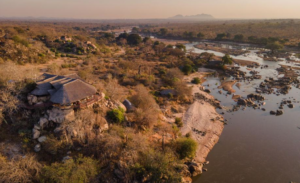
Luxury lodges may offer exceptional crater views, elegant rooms, fine dining, personalized service, and beautiful common areas. Some are positioned directly on the crater rim, allowing faster morning access to the descent road.
These properties are ideal for honeymoons, anniversaries, and travelers looking for an exclusive safari experience.
Ngorongoro Safari Cost Factors
The cost of a Tanzania safari Ngorongoro vacation depends on several elements:
- Number of travelers
- Private or shared safari
- Number of safari days
- Accommodation category
- Travel season
- Park and conservation fees
- Airport transfers
- Domestic flights
- Optional cultural activities
- Additional national parks
- Meals and drinks included
A shared camping safari is generally the most affordable option. Travelers join other guests in the safari vehicle, reducing transport and guide costs.
A private safari costs more but provides a dedicated vehicle, personal guide, flexible schedule, and more control over the game-viewing experience. It is particularly suitable for families, honeymoon couples, photographers, and small groups.
Always confirm exactly what is included in your quotation. A well-prepared safari package should clearly explain accommodation, meals, park fees, transportation, drinking water, guide services, airport transfers, and excluded expenses.
What to Pack for Ngorongoro
Temperatures on the crater rim can be surprisingly cold, especially early in the morning and after sunset. The crater floor usually becomes warmer during the day.
Recommended items include:
- A warm jacket or fleece
- Neutral-colored safari clothing
- Comfortable closed shoes
- Sun hat and sunglasses
- Sunscreen and insect repellent
- Camera and extra batteries
- Binoculars
- Personal medication
- Reusable water bottle
- Small day bag
- Rain jacket during wetter months
Layered clothing is the most practical choice because temperatures can change significantly between the highlands and the crater floor.
Cultural Experiences Around Ngorongoro
The Ngorongoro Conservation Area is also home to Maasai communities. A respectful cultural visit can introduce travelers to local traditions, clothing, livestock practices, dances, and community life.
Choose experiences organized in cooperation with local residents. A responsible visit should respect personal boundaries, support the community, and avoid presenting culture merely as entertainment.
Travelers interested in history can also visit Olduvai Gorge, an important archaeological location associated with research into early human development. The site can be incorporated into overland journeys between Ngorongoro and Serengeti.
Responsible Safari Travel
Responsible tourism helps protect wildlife, landscapes, and local communities. During your safari:
- Follow your guide’s instructions
- Never feed or disturb wild animals
- Remain inside the vehicle unless your guide confirms it is safe
- Keep noise low near wildlife
- Avoid leaving litter
- Maintain a respectful distance from animals
- Do not pressure the guide to drive off designated tracks
- Ask permission before photographing local people
- Support responsible accommodations and community projects
These simple actions help preserve Ngorongoro for future generations.
Plan Your Tanzania Safari Ngorongoro Vacation
A Tanzania safari Ngorongoro vacation brings together extraordinary wildlife, ancient volcanic scenery, fascinating culture, and some of Africa’s finest safari experiences. Whether you choose an affordable camping adventure, a comfortable mid-range lodge, or a luxury crater-rim retreat, Ngorongoro can become the unforgettable centerpiece of your Tanzanian journey.
For the best overall experience, combine the crater with Serengeti National Park and Tarangire National Park. This creates a diverse itinerary featuring open plains, elephant country, forest habitats, volcanic highlands, and excellent opportunities to encounter Tanzania’s remarkable wildlife.
Kilipath African Safaris can design a personalized Ngorongoro itinerary based on your dates, budget, preferred accommodation, and travel style. Contact our safari specialists today and begin planning your unforgettable Tanzania adventure.