Lake Manyara vs. Nyerere Safari Prices | Tanzania Guide
A Lake Manyara safari can cost USD 150–220 per person for a shared day trip from Arusha. A published example of a…
Read articleArusha City - Tanzania
Safari & Travel Tips
July 27, 2026 · 12 min read
A Lake Manyara safari Southern Circuit trip offers travelers an opportunity to experience two very different sides of Tanzania. Lake Manyara introduces you to the beautiful landscapes of the Great Rift Valley, while Tanzania’s Southern Circuit delivers remote wilderness, fewer safari vehicles, boat safaris, walking experiences, and extensive wildlife habitats.
Lake Manyara National Park is compact compared with Serengeti, Ruaha, or Nyerere, but its concentration of varied scenery makes it an excellent addition to a Tanzania safari. During one game drive, travelers can pass through groundwater forest, open grassland, woodland, marshes, hot springs, and the shores of an alkaline lake.
The park is known for elephants, large troops of baboons, giraffes, zebras, buffaloes, hippos, monkeys, waterbirds and, when fortunate, its famous tree-climbing lions. Its location also makes it easy to combine with Tarangire, Ngorongoro Crater and Serengeti before continuing by road or air toward Tanzania’s Southern Circuit.
With Kilipath African Safaris, your itinerary can be customized according to your available time, travel season, preferred accommodation and budget.
No. Lake Manyara National Park is geographically located on Tanzania’s Northern Safari Circuit. It is commonly visited from Arusha and combined with:
Tanzania’s traditional Southern Circuit includes destinations such as:
The phrase Lake Manyara safari Southern Circuit trip therefore describes a combined Tanzania itinerary rather than one continuous regional circuit. It is a suitable option for travelers who want to experience the famous northern parks and the quieter wilderness of southern Tanzania in one holiday.
Lake Manyara is an excellent safari destination for travelers who value scenery, birdlife and habitat diversity. Although many itineraries allocate only half a day to the park, a carefully planned full-day visit provides a more relaxed experience.
The park lies beneath the dramatic wall of the Great Rift Valley. Its scenery changes noticeably as you travel through it. Near the entrance, a groundwater forest creates a cool, green environment filled with ancient trees and troops of monkeys.
The forest gradually opens into woodland, floodplains and areas overlooking Lake Manyara. This diversity supports an impressive mixture of animals within a relatively small area.
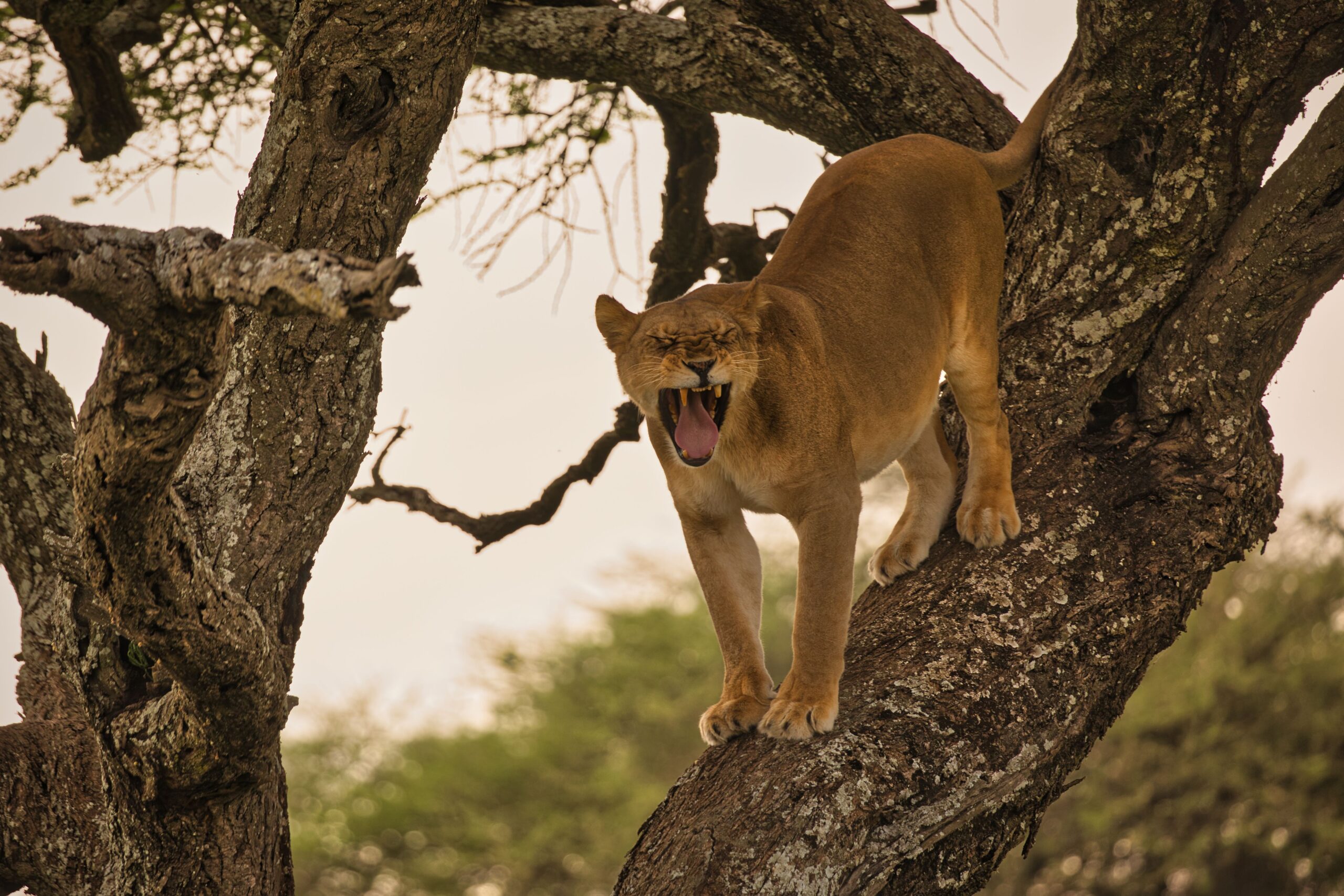
Lake Manyara is widely associated with lions resting in acacia trees. Lions are not guaranteed, and visitors should never select the park based only on this sighting. Nevertheless, seeing one stretched across a branch is an unforgettable safari moment.
Elephants are among the park’s major wildlife attractions. They may be seen feeding in woodland, crossing the road or moving through vegetation near the forest.
Because the vegetation can be thick, encounters sometimes happen at surprisingly close range. Your guide will maintain a respectful distance while positioning the vehicle safely for observation and photography.
Lake Manyara is especially rewarding for visitors interested in primates. Large troops of olive baboons are commonly seen near the forest and along the roads. Blue monkeys and vervet monkeys may also be encountered.
Watching their social behavior—including grooming, feeding, playing and caring for young—is an enjoyable part of the safari.
Lake Manyara is one of Tanzania’s rewarding destinations for bird enthusiasts. Depending on water levels and seasonal conditions, travelers may encounter flamingos, pelicans, storks, herons, egrets, hornbills, kingfishers and birds of prey.
Flamingo numbers change according to lake conditions, food availability and seasonal movement. They should therefore be treated as a possible highlight rather than a guaranteed sighting.
A Lake Manyara game drive may reveal:
Leopards also inhabit the ecosystem, but they are elusive and sightings are uncommon. Wildlife viewing changes throughout the year, and no ethical safari company can guarantee a specific wild animal.
The official Tanzania National Parks description of Lake Manyara highlights its Rift Valley landscape, groundwater forests, tree-climbing lions and birdlife.
Lake Manyara can be visited throughout the year. The best period depends on the type of experience you prefer.
The dry season generally offers easier wildlife viewing because animals gather around dependable water sources and vegetation is less dense. Roads are also normally easier to navigate.
This period is suitable for combining Lake Manyara with Tarangire, Ngorongoro and Serengeti. July through October can also be combined with Northern Serengeti for travelers hoping to follow the wildebeest migration near the Mara River.
Short rains can transform the surroundings into fresh green landscapes. These months may provide attractive photography, active birdlife and fewer visitors than the busiest dry-season months.
Rainfall patterns are unpredictable, so travelers should arrive prepared for both sunshine and short showers.
January and February are often warm and generally suitable for game drives. Travelers combining Lake Manyara with the Ndutu area may also have an opportunity to experience the wildebeest calving season.
This is the main green season. The landscape becomes lush, birding can be rewarding, and selected lodges may offer seasonal value. Heavy rain can occasionally affect road conditions and travel times.
For photographers who appreciate greenery, dramatic skies and fewer safari vehicles, this can still be an attractive time to travel.
A classic game drive is the main activity in Lake Manyara National Park. Safari vehicles normally have a pop-up roof, allowing guests to stand safely and enjoy clear wildlife views.
A knowledgeable guide interprets animal behavior, identifies birds and explains the relationship between the park’s different habitats.
Dedicated birdwatching can be incorporated into a private safari. Tell Kilipath African Safaris in advance if birding is a major interest so that the itinerary can allow more time around productive habitats.
A treetop walkway operates near Lake Manyara and provides a different perspective of the surrounding forest. This activity is usually arranged separately from the standard national park game drive and may involve an additional fee.
Mto wa Mbu is a lively town close to the park entrance. Depending on the itinerary, travelers may add a cultural tour featuring local farms, markets, traditional food, artisans or village life.
A responsible cultural experience should be respectful, locally led and designed to create meaningful benefits for the host community.
Guided cycling or walking activities may be available outside the national park. These experiences allow travelers to explore the surrounding countryside at a slower pace. Activities inside protected areas must follow the relevant park regulations.
Most Lake Manyara safaris begin in Arusha. The journey generally takes approximately two to three hours, depending on traffic, road conditions and the exact departure point.
Travelers can leave Arusha in the morning, enjoy a game drive and spend the night in Mto wa Mbu or Karatu.
Lake Manyara can easily be visited before or after Tarangire National Park. This combination works especially well in a short two- or three-day safari.
Karatu and the Ngorongoro Conservation Area are conveniently located for combining the crater with Lake Manyara. Many itineraries visit Lake Manyara first and continue to Karatu for the night.
Travelers coming from Nyerere or Ruaha will normally connect through Dar es Salaam, Zanzibar or Arusha using scheduled flights and ground transfers. Direct connections depend on the season and current airline schedules.
For a comfortable combined itinerary, flying between northern and southern Tanzania is usually more practical than attempting the entire journey by road.
Arrive at Kilimanjaro International Airport, where a Kilipath African Safaris representative welcomes you. Transfer to your accommodation in Arusha for dinner and an overnight stay.
After breakfast, drive through Tanzania’s countryside toward Lake Manyara National Park. Enter the park for a game drive through the groundwater forest, woodland and open areas near the lake.
Look for elephants, baboons, buffaloes, giraffes, zebras and diverse birdlife. After the game drive, continue to Mto wa Mbu or Karatu for dinner and overnight.
Travel to the Ngorongoro Conservation Area and descend into the crater. The crater supports an extraordinary concentration of wildlife, including lions, elephants, buffaloes, zebras, wildebeest, hippos and, occasionally, black rhinos.
Enjoy a picnic lunch before returning to Karatu or continuing according to your chosen itinerary.
Visit Tarangire, a park famous for baobab trees, elephants and seasonal wildlife activity along the Tarangire River. The park provides a beautiful contrast to Lake Manyara’s forests and Rift Valley scenery.
Return to Arusha after the game drive or spend the night near Tarangire.
Transfer to the airport for a scheduled flight toward Nyerere or Ruaha. Upon arrival, meet your southern safari guide and transfer to your lodge or tented camp.
Depending on the schedule, you may enjoy an afternoon activity.
Explore Nyerere through game drives and, where available, boat or guided walking activities. Its rivers, lakes, woodland and broad plains provide habitats for elephants, lions, hippos, crocodiles, buffaloes and many bird species.
A boat safari creates a different experience from the traditional vehicle-based game drives of northern Tanzania.
Fly or transfer to Ruaha National Park. Ruaha is known for rugged wilderness, baobab-covered landscapes, predators and significant elephant populations.
Spend several days exploring different areas of the park. Longer stays improve the chances of observing wildlife behavior without rushing between destinations.
Fly to Dar es Salaam, Arusha or Zanzibar. Travelers continuing to Zanzibar can relax on the beach, visit Stone Town, enjoy a spice tour or add marine activities.
All flight connections should be confirmed according to current operating schedules.
Travelers with limited time can select a shorter Northern Circuit option.
Lake Manyara can replace Tarangire or be added as an extra day according to the season and traveler priorities.
Budget trips may use public campsites, simple guesthouses or basic lodges outside the park. Camping offers an adventurous atmosphere and helps keep the total safari price manageable.
Mid-range lodges and tented camps usually provide private rooms or tents, en-suite bathrooms, comfortable beds and restaurant service. Many are situated in Mto wa Mbu, Karatu or along the Rift Valley escarpment.
This category works well for couples, families and first-time safari travelers seeking comfort without the cost of a luxury property.
Luxury lodges may offer spacious suites, elevated views, swimming pools, personalized service and refined dining. Some properties overlook the Rift Valley or the Lake Manyara ecosystem.
Your accommodation should be chosen according to comfort, location and overall itinerary—not simply its luxury classification.
The cost of a Lake Manyara safari Southern Circuit trip depends on:
A short Lake Manyara safari is significantly less expensive than an extended itinerary combining Nyerere and Ruaha. Southern Circuit flights and remote accommodation can increase the total price, but they also reduce long road transfers and provide access to quieter wilderness areas.
Kilipath African Safaris prepares personalized quotations because flight fares, accommodation availability and park charges can change. The current official conservation charges can be reviewed on the TANAPA park tariffs page.
Depending on the selected package, the safari price may include:
Unless specifically included in your quotation, the following may be excluded:
Always read the final inclusion and exclusion list before confirming your booking.
Recommended items include:
Soft-sided luggage is usually easier to handle, especially when domestic flights are included. Small aircraft may have strict luggage limits, so check the confirmed allowance before departure.
Travelers can help protect Tanzania’s natural environment by following simple guidelines:
Responsible travel protects the destination and improves the quality of the safari experience.
Kilipath African Safaris creates personalized Tanzania adventures based on each traveler’s interests, timing and budget. From your first inquiry until the end of your journey, our team assists with itinerary planning, accommodation, transfers and safari logistics.
Guests can benefit from:
Whether you want a short Lake Manyara game drive or an extensive journey across northern and southern Tanzania, we can design a comfortable and realistic itinerary.
A Lake Manyara safari Southern Circuit trip brings together the scenic variety of northern Tanzania and the remote character of the south. Lake Manyara offers forests, Rift Valley scenery, elephants, primates and colorful birdlife, while Nyerere and Ruaha provide vast landscapes and a quieter wilderness experience.
Contact Kilipath African Safaris for a personalized itinerary based on your travel dates, number of guests, preferred accommodation and budget. Our team will help you create a rewarding Tanzania safari from arrival to departure.
A Lake Manyara safari can cost USD 150–220 per person for a shared day trip from Arusha. A published example of a…
Read articlePlanning a Tanzania safari that combines Lake Manyara National Park and Nyerere National Park is an excellent way to experience the country's…
Read articlePlanning an unforgettable African wildlife adventure from Zanzibar? Understanding the Tanzania safari package Zanzibar price is an important first step toward choosing…
Read articlePlanning an African wildlife adventure? Understanding the group Tanzania safari price is an important step toward choosing an affordable and unforgettable safari…
Read article