Skip to content

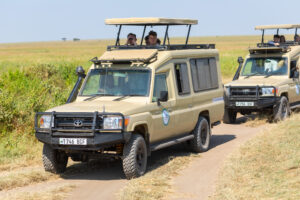
A private Serengeti safari adventure offers the freedom to experience one of Africa’s greatest wildlife destinations at your own pace. Instead of sharing a vehicle with other travelers, you enjoy a dedicated 4×4 safari vehicle, a professional guide, and an itinerary designed around your interests.
Whether you are planning a honeymoon, family holiday, photography expedition, or Great Migration safari, a private tour gives you greater comfort and flexibility. You can spend longer watching lions, begin your game drives early, choose your preferred accommodation, and explore different areas of Serengeti National Park.
This guide explains everything you need to know when planning a private Serengeti safari, including the best time to visit, wildlife, accommodation, transportation, costs, and suggested itineraries.
Why Choose a Private Serengeti Safari?
The main advantage of a private safari is flexibility. On a shared safari, the daily schedule must suit everyone in the group. During a private tour, the vehicle and guide are reserved exclusively for you and your travel companions.
Benefits include:
- A private 4×4 Land Cruiser
- A dedicated professional safari guide
- Flexible departure and return times
- Personalized game drives
- More space for photography equipment
- Freedom to select preferred accommodations
- Private airport and hotel transfers
- An itinerary tailored to your interests
- Greater comfort for families and couples
If you discover a pride of lions or witness cheetahs preparing to hunt, you can remain at the sighting without worrying about another traveler’s schedule. Your guide can also adjust the day according to wildlife movements, weather conditions, and your energy level.
Discovering Serengeti National Park
Serengeti National Park is located in northern Tanzania and forms part of the wider Serengeti ecosystem. Its name comes from the Maasai word “Siringit,” meaning “the place where the land runs forever.”
The park is famous for its endless grasslands, dramatic sunsets, abundant predators, and the annual Great Wildebeest Migration. It covers approximately 14,750 square kilometers and contains several distinctive safari regions.
Central Serengeti
The Central Serengeti, commonly called Seronera, is one of the most wildlife-rich parts of the national park. Its permanent water sources attract animals throughout the year.
Visitors can commonly encounter:
- Lions
- Leopards
- Cheetahs
- Elephants
- Giraffes
- Hippos
- Buffaloes
- Hyenas
- Zebras
- Different antelope species
Central Serengeti is an excellent choice for first-time visitors. It also provides convenient access to airstrips, lodges, tented camps, and other regions of the park.
Northern Serengeti
Northern Serengeti is known for its beautiful landscapes, lower vehicle numbers, and the Mara River. Between approximately July and October, migrating herds may gather in this region and attempt dramatic river crossings.
River crossings cannot be guaranteed because wildebeest move according to natural conditions. However, a private safari allows your guide to follow recent herd movements and spend more time searching for the best viewing opportunities.
Western Corridor
The Western Corridor extends toward the Grumeti River. It becomes especially important during the migration, generally between May and July.
The region contains riverine forests, open plains, crocodiles, hippos, and excellent opportunities for viewing large herds. Its remote atmosphere also makes it attractive to travelers looking for a quieter safari.
Southern Serengeti and Ndutu
The southern Serengeti ecosystem and Ndutu region are famous for the calving season. From approximately December to April, large numbers of wildebeest and zebras gather on the nutrient-rich plains.
January and February are particularly popular because thousands of wildebeest calves are born during this period. The vulnerable young animals attract lions, cheetahs, hyenas, and other predators.
Ndutu is normally included in
a private seasonal itinerary because shared safaris usually operate around Central Serengeti and cannot easily follow the migration into remote areas.
The Great Wildebeest Migration
The Great Migration involves more than a million wildebeest accompanied by hundreds of thousands of zebras and gazelles. The animals travel through the Serengeti–Mara ecosystem in search of water and fresh grass.
The migration does not follow an exact calendar. Rainfall, grazing conditions, and water availability influence the herds’ location. A general seasonal pattern is:
| Period | Likely migration area | Main experience |
|---|---|---|
| December–March | Ndutu and southern plains | Calving and predator activity |
| April–May | Central and western areas | Herd movement and green landscapes |
| June–July | Western and northern Serengeti | Grumeti crossings and movement north |
| July–October | Northern Serengeti | Mara River crossing season |
| November | Central and eastern areas | Herds returning south |
A knowledgeable local operator can recommend the most suitable area based on your travel dates. For the best experience, travelers should remain flexible because wildlife movements cannot be controlled or guaranteed.
Best Time for a Private Serengeti Safari Adventure
Serengeti is a year-round destination. The best travel period depends on the experience you want.
June to October: Dry Season
The dry season offers pleasant conditions and reliable wildlife viewing. Vegetation becomes thinner, and animals frequently gather near water sources.
This period is ideal for:
- General wildlife viewing
- Northern Serengeti migration safaris
- Mara River crossing opportunities
- Photography
- Family holidays
July, August, and September are particularly busy. Booking accommodation several months in advance is strongly recommended.
December to March: Calving Season
The southern plains become green following seasonal rainfall. Migrating herds gather around Ndutu, where many wildebeest calves are born.
This season is perfect for travelers interested in:
- Newborn wildebeest
- Predator action
- Green landscapes
- Birdwatching
- Wildlife photography
A private vehicle is especially valuable in Ndutu because it provides the flexibility needed to follow changing wildlife locations.
April and May: Green Season
These months generally receive more rainfall, although showers do not necessarily continue throughout the day. The landscapes are lush, visitor numbers are lower, and some accommodations offer seasonal rates.
The green season can be excellent for travelers who prefer:
- Fewer safari vehicles
- Dramatic skies
- Beautiful scenery
- Birdlife
- Better accommodation value
Road conditions can occasionally become challenging, but experienced guides use well-equipped 4×4 vehicles.
Wildlife You May See
The Serengeti supports an extraordinary variety of wildlife. It is an excellent destination for seeing the Big Five, although rhinoceros sightings are uncommon and never guaranteed.
Lions
Serengeti is home to a significant lion population. Prides can often be found resting on the plains, sheltering beneath acacia trees, or watching nearby herbivores.
Leopards
Leopards are secretive and often rest in trees or dense vegetation. The Seronera Valley is one of the better locations for searching for them.
Cheetahs
Open grasslands provide excellent hunting environments for cheetahs. They may be seen scanning the plains from termite mounds or stalking gazelles.
Elephants
Elephant families occur throughout the Serengeti. They are frequently found in woodland areas and near reliable water sources.
Other Animals
Your private Serengeti safari may also reveal:
- Spotted hyenas
- Jackals
- Hippos
- Crocodiles
- Giraffes
- Buffaloes
- Warthogs
- Topis
- Elands
- Impalas
- Gazelles
- Baboons
- Monkeys
The park also supports hundreds of bird species, including ostriches, secretary birds, kori bustards, vultures, eagles, storks, and colorful rollers.
Private Safari Accommodation Options
Accommodation has a major influence on the overall price and atmosphere of your trip.
Public Camping
Camping is the most economical option. Travelers sleep in tents at designated public campsites, while the safari team provides essential equipment and prepares meals.
Camping packages may include:
- Tent
- Mattress
- Sleeping bag
- Pillow
- Camping table and chairs
- Safari chef
- Shared showers and toilets
Public camping delivers an adventurous experience close to nature, but facilities are basic and bathrooms are shared.
Mid-Range Tented Camps
Tented camps combine the atmosphere of the wilderness with greater comfort. Most rooms include proper beds, private bathrooms, hot showers, and electricity or solar-powered charging.
Mid-range camps are suitable for couples, families, and travelers who want comfort without choosing the highest-priced properties.
Luxury Lodges and Camps
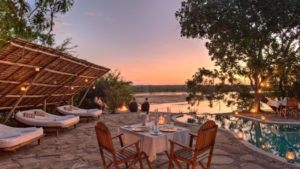
Luxury accommodation may provide spacious suites, premium dining, swimming pools, private decks, attentive service, and scenic locations.
Some mobile camps move seasonally to remain close to the Great Migration. They are ideal for honeymoons and special celebrations.
Road Safari or Fly-In Safari?
Travelers can reach Serengeti by road or scheduled domestic flight.
Road Safari
Most northern Tanzania safaris begin in Arusha. The journey usually passes through destinations such as Tarangire, Lake Manyara, Karatu, or Ngorongoro.
A road safari is suitable if you want to:
- Visit several national parks
- Experience changing landscapes
- Travel with a lower overall budget
- Enjoy a complete northern-circuit itinerary
Driving from the Ngorongoro area to Central Serengeti takes several hours, depending on road and wildlife conditions.
Fly-In Safari
Domestic flights connect Zanzibar, Arusha, and other Tanzanian destinations with Serengeti airstrips.
A fly-in safari saves travel time and is especially convenient for:
- Zanzibar beach travelers
- Short holidays
- Luxury safaris
- Northern Serengeti itineraries
- Honeymoon trips
After landing, your private guide meets you at the airstrip and begins the game drive. Travelers should pack in soft-sided luggage and confirm the airline’s baggage allowance before departure.
Sample Private Serengeti Safari Itinerary
Day 1: Arusha to Serengeti
Leave Arusha after breakfast and travel toward Serengeti National Park. Pass through the Ngorongoro Conservation Area while enjoying views of the highlands.
After entering Serengeti, begin your first game drive before continuing to your camp or lodge for dinner and an overnight stay.
Day 2: Full-Day Serengeti Game Drive
Begin early when wildlife is most active. Search for lions, leopards, cheetahs, elephants, and grazing herds.
Enjoy a picnic lunch in the park or return to your accommodation for a hot meal, depending on your preferred schedule. Continue exploring in the afternoon before sunset.
Day 3: Serengeti to Ngorongoro
Enjoy a morning game drive and visit another part of Central Serengeti. Later, travel toward the Ngorongoro Conservation Area.
Spend the night at accommodation near the crater rim or in the Karatu highlands.
Day 4: Ngorongoro Crater to Arusha
Descend into Ngorongoro Crater early in the morning. The crater is home to lions, buffaloes, elephants, hippos, zebras, wildebeest, and, occasionally, black rhinoceroses.
After lunch and the game drive, return to Arusha or continue to the airport.
This itinerary can be extended with Tarangire, Lake Manyara, Ndutu, Northern Serengeti, Lake Natron, or Zanzibar.
Activities to Add to Your Safari
A private adventure can include more than vehicle-based game drives.
Hot-Air Balloon Safari
A balloon safari offers an unforgettable sunrise view over the Serengeti plains. Flights usually begin early in the morning and are followed by breakfast.
The activity should be booked in advance, especially during peak migration months.
Maasai Cultural Visit
A respectful cultural visit provides an opportunity to learn about Maasai traditions, homes, clothing, and pastoral life. Choose experiences that benefit the local community and treat residents with dignity.
Walking Safari
Walking safaris are offered in selected areas under the supervision of qualified guides and armed rangers. They focus on plants, animal tracks, insects, birds, and smaller details that are easily missed from a vehicle.
Professional Photography Safari
A private vehicle is highly recommended for serious photographers. The guide can position the vehicle according to light conditions while providing more space for cameras and lenses.
What Is Included?
Inclusions depend on the selected package, but a private safari commonly includes:
- Private 4×4 safari vehicle
- Professional English-speaking guide
- Park and conservation fees
- Selected accommodation
- Meals during the safari
- Drinking water
- Game drives
- Airport or hotel transfers
- Camping equipment and chef for camping tours
Items commonly excluded include:
- International flights
- Tanzanian visa
- Travel insurance
- Tips
- Alcoholic drinks
- Personal purchases
- Optional balloon safari
- Activities not listed in the itinerary
Always review the written quotation before confirming your booking.
How Much Does a Private Serengeti Safari Cost?
The price depends on several factors:
- Number of travelers
- Number of safari days
- Travel season
- Accommodation category
- Parks included
- Domestic flights
- Migration region
- Optional activities
A private safari may cost more per person for a solo traveler or couple because vehicle expenses are divided among fewer people. Families and small groups can often achieve better value because they share the fixed vehicle and guide costs.
Request an itemized quotation that clearly explains accommodations, transportation, park fees, meals, flights, and exclusions.
What to Pack
Recommended items include:
- Neutral-colored lightweight clothing
- Warm jacket for mornings and evenings
- Comfortable closed shoes
- Sun hat
- Sunglasses
- Sunscreen
- Insect repellent
- Camera and spare batteries
- Binoculars
- Personal medication
- Small day bag
- Reusable water bottle
- Travel documents
- Soft-sided luggage for domestic flights
Avoid overly bright clothing during game drives. Temperatures can be cold in Ngorongoro and during early-morning activities, so layered clothing is helpful.
Responsible Safari Travel
Responsible tourism helps protect Serengeti’s wildlife and benefits surrounding communities.
Travelers should:
- Follow park rules
- Avoid feeding animals
- Keep noise levels low near wildlife
- Never pressure guides to drive off permitted tracks
- Reduce disposable plastic use
- Respect local cultures
- Choose ethical wildlife experiences
- Support locally operated tourism businesses
Wildlife must always be given sufficient space. A responsible guide prioritizes the animals’ welfare while helping guests enjoy excellent sightings.
Book Your Private Serengeti Safari Adventure
A private Serengeti safari adventure provides personal service, flexible game drives, comfortable transportation, and complete freedom to explore Tanzania’s most celebrated national park.
From watching lions on the Seronera plains to following wildebeest herds in Ndutu or waiting beside the Mara River, every itinerary can be customized around your travel dates and interests.
Contact Kilipath African Safaris to create your personalized Serengeti journey. Our team can arrange your private vehicle, professional guide, accommodation, park fees, airport transfers, domestic flights, and optional activities.