Skip to content

Lake Manyara National Park is one of Tanzania’s most distinctive safari destinations. Located beneath the dramatic wall of the Great Rift Valley, the park combines groundwater forest, acacia woodland, wetlands, open floodplains and the alkaline waters of Lake Manyara within a relatively compact safari area.
For travelers exploring Tanzania’s famous Northern Safari Circuit, a top Lake Manyara safari trip offers something different from the vast plains of Serengeti or the enclosed wilderness of Ngorongoro Crater. The landscape changes quickly as you drive through the park, creating excellent opportunities to see elephants, giraffes, buffaloes, hippos, monkeys and an impressive variety of birds.
Lake Manyara is particularly famous for its association with tree-climbing lions, large elephant populations and seasonal flamingo gatherings. More than 400 bird species have been recorded in the park according to Tanzania National Parks.
This guide explains what makes Lake Manyara worth visiting, when to travel, what wildlife you may encounter, how long to stay and how to combine the park with other destinations in Tanzania.
Where Is Lake Manyara National Park?
Lake Manyara National Park lies in northern Tanzania at the base of the Great Rift Valley escarpment, close to the lively town of Mto wa Mbu. It is conveniently positioned between Arusha and the Ngorongoro Conservation Area, making it easy to include in longer Northern Circuit itineraries.
From Arusha, the journey to Lake Manyara normally takes around two to two and a half hours by road, depending on traffic and the exact departure point. The main entrance lies close to Mto wa Mbu.
Its location is one of its biggest advantages. A traveler can visit Lake Manyara before continuing toward Ngorongoro, Serengeti, Tarangire or Karatu without making a major detour.
This makes the park especially suitable for travelers with limited time who still want to experience several very different Tanzanian ecosystems.
Why Choose a Top Lake Manyara Safari Trip?
Lake Manyara may be smaller than some of Tanzania’s better-known parks, but its appeal comes from diversity rather than size.
Within a relatively short game drive you may pass through dense green forest, open woodland, wetlands and grassy plains while seeing the steep Rift Valley escarpment rising behind the park.
The contrast is striking.
The northern groundwater forest is fed by springs emerging near the Rift Valley wall. This environment supports primates, bushbuck and numerous forest birds. Farther into the park, woodland and open areas provide habitat for giraffes, elephants, buffaloes and other large mammals.
Closer to the lake are wetlands and floodplains used by hippos and large numbers of waterbirds.
UNESCO recognizes the wider Lake Manyara area as a biosphere reserve because of its ecological diversity, which includes groundwater forest, swamps, riverine habitats, acacia woodland, floodplains, grasslands and the alkaline lake ecosystem.
This variety means a Lake Manyara safari is about much more than checking animals off a list. The scenery itself is a major part of the experience.
Wildlife You Can See at Lake Manyara
Elephants are among the animals most strongly associated with Lake Manyara. Travelers may encounter them walking through woodland, feeding close to the road or moving between forest and open areas.
Buffaloes, giraffes, zebras and wildebeest can also occur in the more open sections of the park. Hippos inhabit wetland areas and pools, while troops of baboons are common around the forest and other suitable habitats.
Blue monkeys can also be found in the lush groundwater forest.
Lake Manyara is especially famous for its lions. The park has long been associated with lions resting in trees, although sightings should never be considered guaranteed. Tanzania National Parks continues to highlight tree-climbing lions as one of Lake Manyara’s characteristic wildlife attractions.
Leopards are also present but are much more difficult to find because of their secretive nature.
Wildlife viewing changes with rainfall, vegetation and lake levels, so every safari can produce a different experience.
Flamingos and Birdwatching
For bird lovers, Lake Manyara can be one of the highlights of a Tanzania safari.
The alkaline lake and surrounding wetlands attract flamingos as well as pelicans, storks, herons, spoonbills and many other waterbirds. The forest and woodland environments add a completely different range of species.
TANAPA reports more than 400 bird species in the Lake Manyara ecosystem, making it an attractive stop for both experienced birdwatchers and travelers simply interested in photography.
Flamingos are among the park’s most photographed birds, but visitors should understand that their numbers are seasonal. Water chemistry, food availability and lake levels influence where flamingos concentrate, so enormous pink flocks should not be promised on every visit.
Even when flamingo numbers are lower, Lake Manyara usually offers rewarding birdlife because of the diversity of habitats within the park.
The Famous Great Rift Valley Scenery
Wildlife is only part of the attraction.
The Great Rift Valley escarpment forms a dramatic natural backdrop along much of Lake Manyara. Below it lie the lake, forest, wetlands and grasslands, producing excellent landscape photography opportunities.
The groundwater forest near the park entrance feels especially different from classic East African savannah. Tall trees create shade and a lush environment where baboons and monkeys may appear beside the road.
As your game drive continues, the vegetation gradually opens up and distant views of the lake become more prominent.
Lake Manyara’s landscapes are among the reasons the park works particularly well at the beginning or end of a longer Tanzanian safari.
Best Time for a Lake Manyara Safari
Lake Manyara National Park can be visited throughout the year, and TANAPA describes the park as a year-round destination.
The dry months generally make wildlife viewing easier because vegetation becomes thinner and animals may be more concentrated around reliable water sources. Road conditions are also normally easier.
The greener months create a very different experience. Landscapes become lush, the forest can be especially beautiful and birdwatching can be excellent. Migratory birds can add further variety during appropriate periods.
Travelers interested primarily in large mammals may prefer the drier period, while photographers and birdwatchers may appreciate the green-season scenery.
Because Lake Manyara is often one stop within a larger circuit, the best travel date should also consider conditions in Serengeti, Ngorongoro and Tarangire.
What Does a Lake Manyara Game Drive Feel Like?
A typical game drive begins after entering through one of the designated park gates. In the northern section, you quickly enter the thick groundwater forest.
Baboons are frequently among the first animals encountered.
The road then continues through changing habitats where your guide searches for elephants, giraffes, buffaloes, antelope and predators. Birdlife remains present throughout the drive, and stops near open areas or wetlands provide opportunities for photography.
One advantage of Lake Manyara is that you do not necessarily need multiple days to appreciate its character.
A full or half-day game drive can give travelers a good overview, although wildlife sightings always depend on nature.
The park is therefore ideal for incorporating into itineraries of four, five, six or seven days without sacrificing too much time that could be spent in Serengeti or Ngorongoro.
Activities Beyond Traditional Game Drives
Game driving remains the main safari experience, but Lake Manyara offers additional activities.
TANAPA identifies experiences such as the canopy walkway, birdwatching, photography and game drives among the options available to visitors. The park’s attractions also include viewpoints, wetlands, hot springs and designated areas from which visitors can appreciate the landscape.
The canopy walkway is particularly interesting for visitors wanting a different perspective from the usual safari vehicle. Elevated sections provide views into the surrounding vegetation and opportunities to watch birds, butterflies and monkeys.
Some specialized activities can be subject to availability, park regulations and additional charges, so they should be confirmed during safari planning rather than assumed to be automatically included.
One-Day Lake Manyara Safari Itinerary
A one-day safari works well for travelers staying in Arusha or those beginning a longer Northern Circuit safari.
Departure from Arusha is normally early in the morning, followed by a drive toward Mto wa Mbu and the Lake Manyara area. After completing entrance formalities, your guide begins the game drive through the groundwater forest.
The middle part of the day is spent exploring different sections of the park while looking for elephants, giraffes, buffaloes, monkeys, birds and, with luck, lions.
Lunch can be arranged according to the safari package, normally at an appropriate picnic or designated area.
The afternoon continues with wildlife viewing before leaving the park.
Travelers doing only a day trip can return toward Arusha, while guests on longer safaris can continue to accommodation around Karatu or nearby safari areas.
Combining Lake Manyara With Ngorongoro
Lake Manyara and Ngorongoro work extremely well together.
After exploring Manyara, you can travel toward Karatu and stay overnight before entering Ngorongoro the following morning.
Ngorongoro provides a completely different safari environment. Instead of driving through forest and lakeshore habitats, visitors descend into a huge volcanic caldera containing grasslands, wetlands and woodland.
Combining the two gives travelers a wider variety of landscapes and wildlife experiences without long transfers between safari days.
A short three-day itinerary might therefore include Lake Manyara, Ngorongoro and either Tarangire or another nearby attraction.
Combining Lake Manyara With Serengeti
Travelers with four days or longer can continue from the Manyara/Ngorongoro region toward Serengeti National Park.
This creates one of Tanzania’s classic safari combinations.
Lake Manyara contributes forest, wetlands and Rift Valley scenery, Ngorongoro offers its crater ecosystem, and Serengeti introduces travelers to enormous plains and extended game drives.
The contrast between destinations is one of the biggest advantages of a Northern Tanzania safari.
Instead of spending every day in similar landscapes, you encounter dramatically different environments over a relatively short period.
Lake Manyara and Tarangire: Which Should You Visit?
Travelers sometimes need to choose between Lake Manyara and Tarangire because of limited time.
The two parks should not really be considered substitutes because their environments are different.
Tarangire is famous for its baobab landscapes, elephants and seasonal concentrations of wildlife, while Lake Manyara is especially attractive for its groundwater forest, Rift Valley escarpment, wetland environments and birdlife.
If your itinerary has enough time, visiting both provides more variety.
If you can visit only one, discuss your travel season and wildlife priorities with your safari planner before deciding.
Where to Stay
Travelers visiting Lake Manyara have several accommodation options.
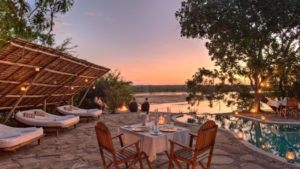
There are properties around the Lake Manyara area, Mto wa Mbu and the Rift Valley, while nearby Karatu has a particularly broad selection of accommodation ranging from affordable lodges to high-end properties.
TANAPA notes that travelers may stay inside the park where capacity is limited or use accommodation around Mto wa Mbu and Karatu.
Staying around Karatu can be especially convenient when Lake Manyara is followed by Ngorongoro Crater.
Accommodation should be selected according to itinerary logistics rather than price alone. A slightly better-positioned lodge can reduce driving time and allow an earlier start the next morning.
What to Pack for Lake Manyara
For a top Lake Manyara safari trip, comfort and practicality are more important than bringing large amounts of equipment.
Useful items include binoculars, a camera with spare batteries, sun protection, insect repellent, comfortable neutral-colored clothing, sturdy shoes, a light jacket and reusable water bottle. TANAPA specifically recommends items such as binoculars, sunscreen and neutral clothing for park visitors.
A longer camera lens can be helpful for birds and wildlife that remain away from the road.
Travelers continuing to Ngorongoro should also carry warmer clothing because early mornings around the crater rim can be considerably cooler than Lake Manyara.
Is Lake Manyara Good for Families?
Yes. The park can work particularly well for families because it provides significant habitat diversity without necessarily requiring extremely long hours in the safari vehicle.
Children may enjoy seeing baboons, elephants, giraffes and hippos as well as experiencing the forest environment.
Lake Manyara can also break up longer journeys between Arusha, Ngorongoro and Serengeti.
Families should still follow all park safety regulations. TANAPA advises visitors to remain in vehicles except at designated locations, keep appropriate distances from wildlife and follow ranger and guide instructions.
How Many Days Do You Need?
For most Northern Circuit travelers, one safari day at Lake Manyara is sufficient.
This gives enough time to explore the major habitats while preserving more days for Serengeti, Ngorongoro or Tarangire.
Travelers with a strong interest in birdwatching, photography or specialized activities may choose a longer stay.
A typical Tanzania itinerary might dedicate one day to Lake Manyara, one day to Ngorongoro and several days to Serengeti, with Tarangire added when the overall trip length allows.
Responsible Safari Travel
Lake Manyara’s wetlands and forests are sensitive ecosystems, so responsible visitor behavior is important.
Vehicles should stay on approved routes, wildlife should never be fed, and litter must remain out of the environment. Noise should be kept low around animals and bird colonies.
TANAPA specifically asks visitors to respect designated roads and boardwalks and to avoid disturbing wildlife.
Choosing experienced professional guides also improves both wildlife viewing and responsible behavior because they understand park rules and animal movements.
Is a Lake Manyara Safari Worth It?
For travelers who appreciate varied landscapes, elephants, primates and birdlife, Lake Manyara can be an excellent addition to a Tanzania safari.
Its strength is diversity.
Within a single game drive, visitors can experience lush forest, woodland, floodplains, wetlands, Rift Valley scenery and the lake itself. The possibility of tree-climbing lions and seasonal flamingos adds another layer of excitement without being the only reason to visit.
Its convenient position between Arusha and the Ngorongoro highlands also makes the park easy to integrate into a larger safari.
Plan Your Top Lake Manyara Safari Trip
A well-planned Lake Manyara visit can be included in anything from a short two- or three-day safari to a complete Northern Tanzania itinerary.
For travelers wanting maximum variety, an excellent route is Arusha → Lake Manyara → Ngorongoro Crater → Serengeti, with Tarangire added when additional time is available.
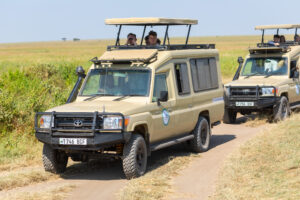
Kilipath African Safaris can arrange private or group safari options, transport in a 4×4 safari vehicle, professional guides, accommodation and complete Northern Circuit itineraries based on your available days and preferred travel style.
Whether you are coming for elephants beneath the Rift Valley escarpment, colorful birdlife, forest scenery or the chance to spot Lake Manyara’s famous lions, a top Lake Manyara safari trip can add a distinctive and memorable chapter to your Tanzania adventure.