A photography Ngorongoro Crater safari deal is an excellent choice for travelers who want more than a standard wildlife safari. Ngorongoro combines dramatic landscapes, concentrations of wildlife, open grasslands, wetlands, forests, and the enormous walls of the volcanic caldera in one relatively compact destination.
The Ngorongoro Conservation Area Authority specifically describes the area as highly suitable for photographic safaris and notes that its woodlands, plains, craters, highlands, archaeological areas, and waterfalls provide varied photographic opportunities. NCAA also recommends telephoto lenses because vehicles must remain on authorized roads and off-road driving is prohibited.
For wildlife photographers, this means a single day can produce very different compositions: wide-angle photographs of the crater landscape, portraits of lions resting in the grass, zebras moving across open plains, elephants against the crater walls, hippos in wetlands, colorful birds, and perhaps a distant black rhino.
Why Choose Ngorongoro Crater for Wildlife Photography?
Ngorongoro is different from many other Tanzania safari destinations because wildlife is concentrated within a spectacular geographical setting. The crater forms part of the wider Ngorongoro Conservation Area in northern Tanzania, an area that NCAA identifies as habitat for the Big Five.
For photographers, the landscape is almost as important as the wildlife.
You can photograph animals against steep crater walls, create environmental portraits that show wildlife within its habitat, use the open plains for minimalist compositions, and capture groups of animals interacting around water sources.
The crater is especially useful for travelers with limited safari time. Instead of traveling huge distances between wildlife areas, photographers can explore several habitats during one crater game drive.
Wildlife sightings are never guaranteed, however. Even in an area famous for wildlife, the exact animals, behavior, distance, lighting, and visibility change every day.
What Animals Can I Photograph in Ngorongoro Crater?
A photography safari may provide opportunities to photograph lions, African buffalo, elephants, zebras, wildebeest, Thomson’s and Grant’s gazelles, hippos, hyenas, jackals, warthogs and numerous bird species.
The black rhino is one of the animals visitors particularly hope to see. Sightings are possible, but rhinos may be far from the road, so a long lens can be extremely useful.
Lake Magadi and other wetland areas can also provide excellent bird photography. NCAA notes that Lake Magadi is often visited by lesser flamingos and other waterbirds, while the wider conservation area supports grassland birds, raptors and scavengers.
A good photography safari should therefore avoid focusing only on the Big Five. Some of the most memorable photographs may come from a zebra foal, a hyena interaction, an oxpecker sitting on a buffalo, a bird taking flight, or a dramatic landscape filled with clouds.
What Makes a Photography Safari Different From a Normal Safari?
The biggest difference is time.
A normal sightseeing safari may move relatively quickly from one major animal sighting to another. Wildlife photography often requires staying longer.
A photographer may want to wait for a lion to raise its head, an elephant to move into better light, two zebras to separate so their bodies do not overlap, or a bird to take flight.
Positioning is also important.
A photography-friendly guide thinks about the direction of sunlight, background, vehicle angle, distance, animal movement and the photographer’s lens before deciding where to stop.
This is one reason a private vehicle can be particularly valuable for serious photographers. NCAA itself notes that photographic safaris tend to work especially well when photographers have greater control over the vehicle and where it goes, while still remaining within permitted routes.
Private or Shared Ngorongoro Photography Safari?
Both can work, but they offer different experiences.
A shared safari is normally more affordable because vehicle costs are divided among several travelers. It is a practical option for travelers who enjoy photography but do not need complete control over every stop.
A private safari is better suited to photographers who want to spend extended periods at sightings. You can discuss your photographic priorities directly with your guide and make the day more focused on light, composition and animal behavior.
Private vehicles are also useful when travelers carry larger cameras or long telephoto lenses because additional space makes equipment easier to handle.
For professional photographers, content creators or enthusiasts traveling specifically to build a wildlife portfolio, paying more for a private vehicle can sometimes improve the photographic experience more than spending the same amount upgrading accommodation.
What Should a Good Photography Ngorongoro Crater Safari Deal Include?
When comparing packages, do not select an option simply because it has the lowest advertised price. Check exactly what is included.
A well-organized package may include:
- A 4×4 safari vehicle with a pop-up roof, professional safari guide, Ngorongoro conservation and crater-related fees applicable to the itinerary, scheduled game drives, drinking water, meals specified in the program, accommodation if the safari includes overnight stays, transfers stated in the quotation, and assistance arranging the relevant entry permits.
Ask whether your trip is private or shared, how many travelers will occupy the vehicle, whether everyone has good window access, and whether there is enough space for camera bags and long lenses.
What Camera Lens Is Best for Ngorongoro Crater?
A telephoto zoom is one of the most useful lenses for Ngorongoro.
A 100–400mm, 100–500mm or similar lens gives flexibility when animals are close or relatively distant. A 70–200mm can be excellent for larger mammals at moderate distances and for environmental photographs.
A wider lens, such as a 24–70mm, is valuable for crater landscapes, safari vehicles, groups of animals and storytelling images.
Very long lenses such as 500mm or 600mm can be useful for birds or distant rhinos, but they are not essential for every visitor.
This need for reach is especially relevant because NCAA rules prohibit off-road driving, and the authority specifically recommends telescopic lenses for photographic visitors.
What Photography Equipment Should I Bring?
Bring your main camera body, preferred wildlife lens, spare memory cards, extra batteries and a method of protecting equipment from dust.
A bean bag can be extremely useful for supporting a long lens on a window or vehicle edge. Many photographers also prefer a second camera body with a different focal length so they do not need to change lenses when an animal suddenly approaches.
Lens cloths and a small air blower are useful because safari environments can be dusty.
Carry enough storage. Photographing birds in flight, lions interacting or wildebeest running can result in hundreds of frames within minutes when using continuous shooting.
Do not forget the wider story. A phone or compact wide-angle camera can capture landscapes, your vehicle, your guide and behind-the-scenes moments that complement tightly framed wildlife portraits.
What Is the Best Time for a Photography Safari in Ngorongoro?
Ngorongoro can be visited throughout the year. NCAA specifically states that the conservation area is suitable for visiting throughout the year, including during the rainy season.
The best period therefore depends on the style of photograph you want.
The drier months can provide open views and classic safari scenery. Dry conditions can also concentrate animals around available water.
The greener months can be wonderful for photographers who prefer richer landscapes, dramatic clouds and softer natural colors. Green vegetation can create beautiful backgrounds for wildlife portraits.
Rain should not automatically be viewed as a disadvantage. Dark skies, sunlight breaking through clouds and wet grass can produce dramatic images that are very different from traditional dry-season photographs.
Is Morning or Afternoon Better for Photography?
Early morning generally provides attractive light because the sun is lower and shadows are softer. Wildlife may also be active before temperatures rise.
A photography-focused itinerary should aim to make efficient use of the morning rather than spending the best light preparing equipment.
Have batteries charged, memory cards ready and cameras configured before entering the main wildlife-viewing area.
Midday light can be harsher, but that does not mean photography has to stop. Concentrate on animal behavior, close portraits, birds, silhouettes, black-and-white compositions or subjects positioned against cleaner backgrounds.
Changing weather around the crater can also transform midday conditions surprisingly quickly.
Can We Drive Off-Road to Get Closer to Wildlife?
No. Photographers should not expect their guide to drive away from authorized routes simply to obtain a photograph.
NCAA explicitly states that off-road driving is strictly prohibited and recommends bringing appropriate telephoto equipment instead.
Responsible wildlife photography works within conservation regulations.
A skilled guide can still improve your position by anticipating where an animal may move, selecting an appropriate authorized road and positioning the vehicle carefully without disturbing wildlife.
Are Drones Allowed for Photography?
Do not assume that a normal tourist safari booking allows drone photography.
Protected areas have specific regulations, and professional filming or specialized aerial photography can involve additional permissions. Travelers planning commercial filming, professional productions or unusual photography equipment should confirm current requirements directly with the relevant Tanzanian authorities before arrival.
The same principle applies to professional or commercial content creation: tell your safari operator in advance what the photographs or footage will be used for so any applicable permissions can be checked before the trip.
Can I Photograph Maasai People in the Ngorongoro Area?
Do not photograph people without permission.
NCAA specifically states that photographing Indigenous communities along the road is prohibited and says photography can instead be arranged with appropriate permission in designated cultural locations such as cultural bomas.
This is both a regulatory and respectful approach.
If cultural photography is important to your trip, tell your safari consultant beforehand so it can be planned properly rather than treating local people as roadside photographic subjects.
Is Ngorongoro Good for Beginner Photographers?
Yes.
You do not need professional equipment to enjoy a photography safari. Modern smartphones, compact cameras and entry-level mirrorless or DSLR cameras can produce excellent images when wildlife is reasonably close.
Beginners often benefit enormously from learning a few basic principles before the safari: keep shutter speed high enough for moving wildlife, focus on the animal’s eye, watch the background, avoid cutting off feet or tails unintentionally and take both horizontal and vertical photographs.
Most importantly, watch the animal rather than continuously looking at your camera screen.
Understanding behavior often produces better images than owning more expensive equipment.
Can Ngorongoro Be Combined With Serengeti and Tarangire?
Yes. Ngorongoro fits naturally into Tanzania’s northern safari circuit and is frequently combined with Serengeti, Tarangire and, depending on the itinerary, Lake Manyara.
For photographers, combining destinations adds variety.
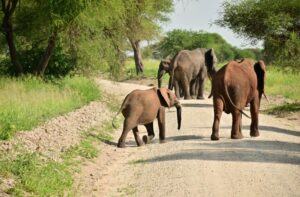
Tarangire can provide elephant-focused photography and distinctive baobab landscapes. Serengeti offers enormous open plains, predator-prey interactions and seasonal wildlife movements. Ngorongoro adds the dramatic caldera setting and concentrated crater-floor game viewing.
A multi-day photographic safari therefore creates a much broader portfolio than visiting only one ecosystem.
How Long Should a Photography Safari Be?
A single Ngorongoro visit can deliver a rewarding photography experience, but photographers with enough time should consider a longer northern Tanzania safari.
A three- to five-day safari can combine Ngorongoro with one or two other parks, while longer trips allow additional time in Serengeti.
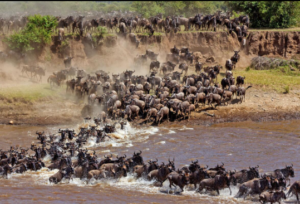
For photography, additional time is valuable because nature cannot be scheduled. One morning may produce dramatic lion activity while another might deliver spectacular elephant or bird encounters.
More days increase variety rather than guaranteeing any particular sighting.
How Much Does a Photography Ngorongoro Crater Safari Deal Cost?
There is no single price for every photography safari.
The final cost depends on the number of travelers, whether the vehicle is private or shared, safari duration, season, accommodation category, transfers, additional parks and any specialist requirements.
A private photography safari will normally cost more per person than joining a shared departure, particularly for one or two travelers, because vehicle and guide costs are not divided among a larger group.
However, travelers whose main goal is photography should compare value rather than price alone. Extra time at sightings, comfortable camera space and greater flexibility can be important parts of the experience.
Current conservation fees and permit arrangements can change, so request an updated written quotation for your exact travel dates rather than relying on an old online price.
Why Book Your Ngorongoro Photography Safari in Advance?
Advance planning allows more time to arrange a suitable vehicle, accommodation and itinerary.
This becomes particularly important during popular travel periods when well-located accommodation can fill early.
Photographers should also communicate special requirements before confirming. Tell your consultant if you are carrying large telephoto lenses, multiple camera bodies, tripods or significant video equipment.
If the trip involves commercial production, inform the company before arrival so applicable permit requirements can be investigated.
Book Your Photography Ngorongoro Crater Safari Deal
A Ngorongoro photography safari offers far more than collecting photographs of famous African animals. It is an opportunity to document wildlife behavior within one of Tanzania’s most dramatic landscapes.
With thoughtful vehicle positioning, enough time at sightings, suitable camera equipment and a knowledgeable guide, the crater can provide everything from intimate wildlife portraits to sweeping landscape photographs.
Contact Kilipath African Safaris for a customized photography Ngorongoro Crater safari deal. Share your travel dates, number of travelers, preferred accommodation level and whether you want a private or shared safari. We can then prepare an itinerary designed around your safari and photography priorities.
Call to action: Plan Your Ngorongoro Photography Safari Today – Request Your Customized Tanzania Safari Deal.