A Tanzania safari does not have to be luxurious or extremely expensive to be unforgettable. With the right route, travel dates, accommodation, and safari style, you can see lions on the Serengeti plains, elephants beneath ancient baobab trees in Tarangire, and wildlife inside the Ngorongoro Crater while keeping your spending under control.
The key to a successful budget Tanzania safari itinerary experience is thoughtful planning. A lower price should not mean an unsafe vehicle, an inexperienced guide, hidden park fees, or a rushed schedule. A well-designed budget safari focuses your money on what matters most: national park access, reliable transport, a knowledgeable guide, suitable meals, and enough time to enjoy each destination.
This guide explains how to plan an affordable Tanzania safari, which parks offer the best value, what costs to expect, and how a sample itinerary can work. Whether you are traveling solo, as a couple, with friends, or as a family, these practical ideas will help you create a rewarding safari without unnecessary expenses.
What Is a Budget Tanzania Safari?
A budget safari is an affordable way to explore Tanzania’s wildlife destinations while using simple, comfortable services. Most budget trips use shared safari vehicles and public campsites or modest lodges. Travelers still enjoy guided game drives in a 4×4 Land Cruiser, park entry, meals, drinking water, and essential camping equipment when required.
Budget travel is different from choosing the cheapest offer available. A responsible safari company should clearly explain what is included and excluded. National park fees, Ngorongoro Crater service fees, meals, accommodation, transport, and taxes can form a large part of the total price. If an offer appears unusually cheap, ask whether all these costs are included.
The best budget safari balances price, comfort, safety, and time. It reduces optional extras and luxury upgrades while protecting the quality of the wildlife experience.
Why Choose Tanzania for an Affordable Safari?
Tanzania offers several parks that can be connected by road, making the Northern Safari Circuit especially suitable for budget-conscious visitors. Arusha is the main starting point for trips to Tarangire, Lake Manyara, Ngorongoro, and Serengeti.
Each destination provides a different experience:
- Tarangire National Park is known for elephants, baobab trees, seasonal wildlife concentrations, and beautiful landscapes.
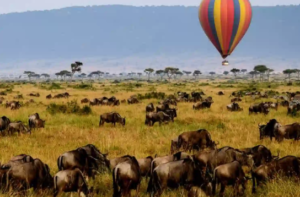
- Serengeti National Park offers vast plains, big cats, large herbivore herds, and year-round game viewing.
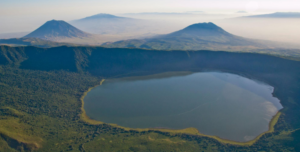
- Ngorongoro Crater has a dense concentration of wildlife within a dramatic volcanic caldera.
- Lake Manyara National Park is compact and convenient for short itineraries, with forest, lake, and escarpment scenery.
Travelers can choose a short three-day safari or combine several parks in four to seven days. This flexibility makes Tanzania suitable for different budgets and schedules.
Shared Safari or Private Safari?
Choosing between a shared and private safari has a major effect on cost.
Shared safari
A shared safari allows several travelers to divide the cost of the vehicle, guide, and operating expenses. It is usually the most affordable option for solo travelers and couples. Kilipath African Safaris uses 4×4 Land Cruisers for shared departures, with a maximum of seven guests and a window seat for every traveler.
Shared trips follow a fixed schedule and standard route. They are ideal if you are flexible and enjoy meeting other travelers. However, remote seasonal areas such as Northern Serengeti and Ndutu generally require a private itinerary because of their distance, timing, and specialized routing.
Private safari
A private safari gives you a dedicated vehicle and guide. It offers more flexibility for photography, families, honeymooners, and travelers who want to select particular lodges or activities. The price per person becomes more attractive when four to seven guests share the vehicle.
For the lowest price, choose a shared safari. For a group, compare both options, because a private safari may provide better value than expected.
Best Accommodation for a Budget Safari
Accommodation is another important budget decision.
Public camping
Camping is normally the most economical choice. A camping package can include a tent, mattress, sleeping bag, pillow, meals, and a safari chef. Public campsites have shared toilets and showers, and facilities are basic. Charging may depend on solar power or the vehicle.
Camping brings you close to nature and creates a genuine sense of adventure. Travelers should bring a warm layer for the Ngorongoro highlands and understand that hot water may not always be guaranteed.
Budget lodges and tented camps
Budget lodges offer permanent rooms, beds, and private bathrooms. Tented camps combine canvas accommodation with beds and private facilities. They cost more than public camping but provide additional privacy and comfort.
One effective strategy is to mix accommodation types. For example, stay at a simple lodge near Tarangire or Karatu and camp in Serengeti. Always check whether a mixed accommodation arrangement works with the departure schedule and group program.
Sample 5-Day Budget Tanzania Safari Itinerary
This route offers a strong balance of wildlife, scenery, and travel time.
Day 1: Arusha to Tarangire National Park
Leave Arusha in the morning and drive for approximately two hours to Tarangire. After registration, begin a game drive among baobab trees and acacia woodland. The park is especially famous for elephants, while giraffes, zebras, wildebeest, buffaloes, antelopes, and predators may also be seen.
Enjoy lunch during the safari and continue exploring in the afternoon. Later, travel to your campsite or budget accommodation for dinner and an overnight stay.
Day 2: Tarangire area to Serengeti National Park
After breakfast, travel toward Serengeti through the Ngorongoro highlands. The drive is long, but the changing landscapes make the journey memorable. Enter Serengeti and enjoy an afternoon game drive on the way to camp.
The Central Serengeti is a practical choice for a budget itinerary because it provides good year-round wildlife viewing and fits established shared-safari routes. Dinner and overnight are at a public campsite or affordable tented accommodation.
Day 3: Full-day Serengeti game drive
Start early, when wildlife is active and the temperature is cooler. Spend the day searching for lions, leopards, cheetahs, elephants, giraffes, hippos, and large herds of grazing animals. Your guide will select areas based on recent sightings and local conditions.
Nature is unpredictable, so no responsible operator can guarantee a particular sighting. However, a full day creates more opportunities to explore different habitats. Return to camp in the evening for dinner and rest.
Day 4: Serengeti to Ngorongoro Conservation Area
Enjoy a morning game drive as you leave Serengeti. Travel toward the Ngorongoro Conservation Area and admire the transition from open plains to volcanic highlands.
Depending on your package, you may camp near the crater rim or stay at a budget property outside the conservation area. Temperatures can become cold at night, so keep a warm jacket accessible.
Day 5: Ngorongoro Crater to Arusha
Descend into Ngorongoro Crater early in the morning. The crater floor supports a remarkable variety of wildlife, including buffaloes, zebras, wildebeest, hippos, lions, hyenas, and, with luck, black rhinos.
After the game drive and lunch, ascend from the crater and return to Arusha. Arrival is commonly in the late afternoon or early evening, depending on traffic and road conditions. Avoid booking a tight flight connection on the same day; a late-night departure from Kilimanjaro International Airport or an extra night in Arusha is safer.
Shorter and Longer Budget Routes
If five days do not match your schedule, consider these alternatives:
- Three days: Serengeti and Ngorongoro Crater. This is intensive and involves long drives but covers two iconic destinations.
- Four days: Tarangire, Serengeti, and Ngorongoro Crater. This is one of the most popular affordable routes.
- Six days: Add Lake Manyara or an extra Serengeti day for a more relaxed experience.
- Seven days: Combine the main Northern Circuit parks with a cultural visit, walking experience, or day trip near Arusha.
Travelers joining a shared safari should normally arrive in Arusha one day before departure. Many departures begin between 5:00 and 6:00 a.m., so arriving on the same morning can cause delays or a missed departure.
What Does a Budget Safari Cost?
Prices depend on the number of days, season, group size, park fees, accommodation, and whether the trip is shared or private. A short shared camping safari may cost several hundred US dollars per person, while a longer itinerary, private vehicle, internal flights, or lodge upgrades will increase the total.
When comparing quotations, look for these inclusions:
- 4×4 safari vehicle with a pop-up roof
- Professional driver-guide
- National park and conservation fees
- Ngorongoro Crater service fee, when applicable
- Accommodation or camping equipment
- Meals listed in the itinerary
- Drinking water during the safari
- Government taxes
- Airport or hotel transfers, if specifically stated
International flights, visas, travel insurance, tips, alcoholic drinks, and optional activities are commonly excluded. Balloon safaris, cultural visits, and premium accommodation can significantly increase the price.
Ask for a written quotation rather than relying only on a headline price. This makes it easier to compare packages fairly.
Best Ways to Reduce Safari Costs
Travel with others
Sharing a vehicle is one of the most effective ways to save money. Solo travelers can join scheduled departures, while families and groups can divide the cost of a private vehicle.
Choose camping
Public camping reduces accommodation costs and still allows access to the same parks and wildlife areas. It is best for travelers who are comfortable with shared facilities and a simpler experience.
Avoid unnecessary flights
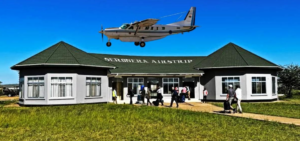
Flying directly into Serengeti saves time but costs more. Road travel from Arusha is more budget-friendly and allows you to include Tarangire or Ngorongoro along the way.
Select the right season
Peak migration periods and festive dates can raise accommodation prices. Green-season travel may offer lower rates, fewer vehicles, lush scenery, and excellent birdlife. Rain is possible, but showers do not necessarily last all day.
Keep the route efficient
Trying to include too many distant destinations increases fuel, time, and accommodation expenses. A compact Northern Circuit route usually offers better value than combining parks located far apart.
Book early
Affordable camps and lodges have limited availability. Booking early is especially important for July to October and late December through February.
Best Time for a Budget Tanzania Safari
Tanzania offers wildlife viewing throughout the year, but each season has advantages.
The dry season, generally from June to October, is popular because vegetation is thinner and animals gather near water sources. Demand and prices can be higher, particularly during the Great Migration season in Northern Serengeti.
From December to March, the Southern Serengeti and Ndutu region are associated with the calving season. This seasonal route is usually better suited to a private safari. Central Serengeti remains a dependable option for standard shared programs.
The greener months can be excellent for travelers seeking value and quieter parks. Discuss your wildlife priorities, budget, and comfort with rain before choosing dates.
Packing for a Budget Camping Safari
Pack lightly, especially when sharing a vehicle. Soft-sided bags are easier to store than hard suitcases. Useful items include:
- Neutral-colored, lightweight clothing
- Warm fleece or jacket for Ngorongoro
- Comfortable closed shoes
- Sun hat, sunglasses, and sunscreen
- Insect repellent
- Personal toiletries and quick-drying towel
- Small flashlight or headlamp
- Power bank and charging cables
- Reusable water bottle
- Camera, spare batteries, and memory cards
- Any prescription medication
Avoid dark blue or black clothing in areas where tsetse flies occur, including parts of Tarangire. Bring a small day bag for items needed inside the vehicle and store larger luggage in Arusha when possible.
Health, Safety, and Responsible Travel
Purchase comprehensive travel insurance that covers medical treatment, trip interruption, and evacuation. Consult a qualified health professional about vaccinations and malaria prevention before traveling.
During the safari, follow your guide’s instructions and never leave the vehicle in an unauthorized area. At campsites, wildlife can move nearby, so avoid walking alone after dark. Respect park rules, do not feed animals, and keep noise low around wildlife.
Choose an operator that maintains vehicles, treats staff fairly, follows park regulations, and explains payment and cancellation terms clearly. Responsible tourism protects both visitors and Tanzania’s natural heritage.
Final Thoughts
A memorable safari is defined by the experience, not by luxury. A carefully planned budget Tanzania safari itinerary experience can include outstanding parks, skilled guiding, comfortable transport, satisfying meals, and unforgettable wildlife encounters at a realistic price.
Focus on an efficient route, share the vehicle when appropriate, choose simple accommodation, and confirm every inclusion before paying a deposit. The four- or five-day combination of Tarangire, Central Serengeti, and Ngorongoro Crater is particularly strong for first-time visitors who want variety and value.
Kilipath African Safaris can help you compare shared camping, budget lodge, and private safari options based on your dates, group size, comfort level, and spending limit. With honest planning and realistic expectations, your affordable Tanzania adventure can still become the journey of a lifetime.
Plan Your Tanzania Safari
Ready to turn your ideas into a practical itinerary? Contact Kilipath African Safaris with your travel dates, number of guests, preferred accommodation, and approximate budget. You will receive a tailored route with clear inclusions, so you can choose the safari experience that fits you best.