

Nyerere Tanzania Wildlife Safari Guide
A Nyerere Tanzania wildlife safari can take you from a woodland game drive in the morning to a boat on the Rufiji…
Read articleArusha City - Tanzania
Safari & Travel Tips
August 1, 2026 · 10 min read
A photography Tanzania safari vacation is more than an opportunity to see Africa’s wildlife. It is a carefully planned journey that gives photographers the time, space, light, and professional guidance needed to capture meaningful images in some of the world’s most remarkable natural environments.
Tanzania offers extraordinary photographic diversity. Within one journey, you can photograph elephants beneath ancient baobab trees, lions resting on the Serengeti plains, flamingos around alkaline lakes, wildebeest crossing rivers, and the dramatic landscapes of the Ngorongoro Crater.
At Kilipath African Safaris, we organize personalized Tanzania photography safaris for professional photographers, enthusiastic beginners, couples, families, and private groups. Our itineraries can be adjusted around wildlife movements, preferred subjects, seasonal conditions, and individual photography goals.
Tanzania is one of Africa’s most rewarding wildlife photography destinations. Its protected areas contain an impressive variety of animals, birds, landscapes, and cultural experiences.
Unlike an ordinary sightseeing holiday, a photographic safari allows you to remain at productive wildlife locations for longer. Instead of moving quickly between sightings, you can wait for the right behavior, background, composition, and quality of light.
Tanzania is especially suitable for photography because it offers:
Whether you use a smartphone, compact camera, mirrorless camera, or professional DSLR, Tanzania provides endless opportunities to improve your portfolio.
Serengeti National Park is the centerpiece of many Tanzania photography safaris. Its open plains, rocky kopjes, seasonal rivers, and abundant wildlife create excellent photographic conditions.
The Serengeti is famous for the Great Wildebeest Migration, during which enormous herds of wildebeest and zebras move through the ecosystem in search of fresh grazing and water. Depending on the season, photographers may capture calving, predator activity, large traveling herds, or dramatic river crossings.
The park is also one of Tanzania’s best locations for photographing lions, cheetahs, leopards, elephants, giraffes, hyenas, and numerous bird species.
The different regions offer distinctive experiences:
A private vehicle is particularly valuable in the Serengeti because it gives photographers greater control over positioning and the duration of each sighting.
The Ngorongoro Crater is one of the most impressive natural settings in Tanzania. Its steep walls surround a wildlife-rich floor containing grasslands, wetlands, forests, and a soda lake.
The elevated viewpoints near the crater rim are excellent for landscape photography. After descending into the crater, visitors can photograph lions, buffaloes, zebras, wildebeest, hippos, elephants, hyenas, and, with good timing and some luck, black rhinos.
The crater floor can become busy, making an experienced guide especially important. A knowledgeable guide understands animal movement, vehicle positioning, light direction, and the best areas to visit at different times of day.
Tarangire National Park is known for its large elephant population and magnificent baobab trees. The combination of wildlife and distinctive vegetation makes it one of the best places for environmental portraits.
During the dry season, animals gather around the Tarangire River, creating opportunities to photograph elephants, giraffes, zebras, antelopes, buffaloes, and predators.
The park is also outstanding for bird photography. Raptors, hornbills, rollers, bee-eaters, storks, and many other species can be observed throughout the year.
Lake Manyara offers a different photographic environment from the open plains of the Serengeti. The park includes groundwater forest, woodland, wetlands, grassland, and views of the Great Rift Valley escarpment.
Photographic subjects may include elephants, monkeys, baboons, giraffes, hippos, waterbirds, and seasonal concentrations of flamingos. The dense vegetation can make photography more challenging, but it also creates opportunities for intimate images framed by branches and foliage.
Nyerere National Park is an excellent choice for photographers interested in quieter wilderness areas. Its rivers, lakes, woodlands, and open plains support elephants, lions, wild dogs, hippos, crocodiles, giraffes, and numerous bird species.
One of Nyerere’s special advantages is the possibility of combining traditional game drives with boat safaris. Photographing wildlife from the water provides a lower perspective and opportunities to capture hippos, crocodiles, elephants, and birds along the riverbanks.
Ruaha is ideal for photographers searching for remote landscapes and fewer safari vehicles. It is known for elephants, lions, leopards, buffaloes, wild dogs, antelopes, and dramatic baobab-covered scenery.
Its rugged wilderness creates powerful images that communicate the scale and atmosphere of wild Africa. Ruaha is particularly suitable for experienced photographers who value patience, exclusivity, and less crowded sightings.
Tanzania is a year-round photography destination, but each season produces different conditions and opportunities.
The dry season is widely considered one of the best periods for wildlife photography. Vegetation becomes thinner, animals gather near permanent water sources, and visibility generally improves.
This period is suitable for photographing:
August and September are particularly popular for photography safaris focused on the Great Migration in Northern Serengeti. River crossings are natural events and cannot be guaranteed, but staying in the region for several nights increases the chances of witnessing migration activity.
The green season brings fresh vegetation, dramatic skies, newborn animals, and excellent birdlife. Landscapes become more colorful, while clouds can create soft light and striking backgrounds.
This season is excellent for photographers who prefer:
The short rains normally occur around November and December, while the longer rains are generally experienced from March to May. Rainfall patterns can vary, and showers often leave enough time for productive game drives.
The southern Serengeti and Ndutu region become particularly active during the calving period. Thousands of wildebeest give birth across the open plains, attracting lions, cheetahs, hyenas, and other predators.
This period offers opportunities to photograph newborn animals, family interactions, large herds, and dramatic predator-prey behavior.
Photography safaris are normally conducted in customized four-wheel-drive Land Cruisers with pop-up roofs. The raised roof allows guests to observe and photograph wildlife while remaining inside the vehicle.
Depending on the safari arrangement, vehicles may include:
Photographers carrying large lenses should request additional space during the planning stage. Beanbags are often more practical than full tripods inside safari vehicles because they are easy to reposition and provide stable support on windows or roof edges.
The ideal equipment depends on your photography style, but a practical safari kit may include:
A second camera body can be useful because it reduces the need to change lenses in dusty environments. However, it is not essential. Travelers can produce excellent photographs with one camera and a versatile zoom lens.
Early mornings and late afternoons generally provide softer light, longer shadows, and warmer colors. Midday light can be harsh, but it may still work well for animal behavior, birds in flight, and high-contrast scenes.
A strong wildlife image tells a story. Watch for interaction between animals, hunting behavior, grooming, feeding, movement, eye contact, and family relationships.
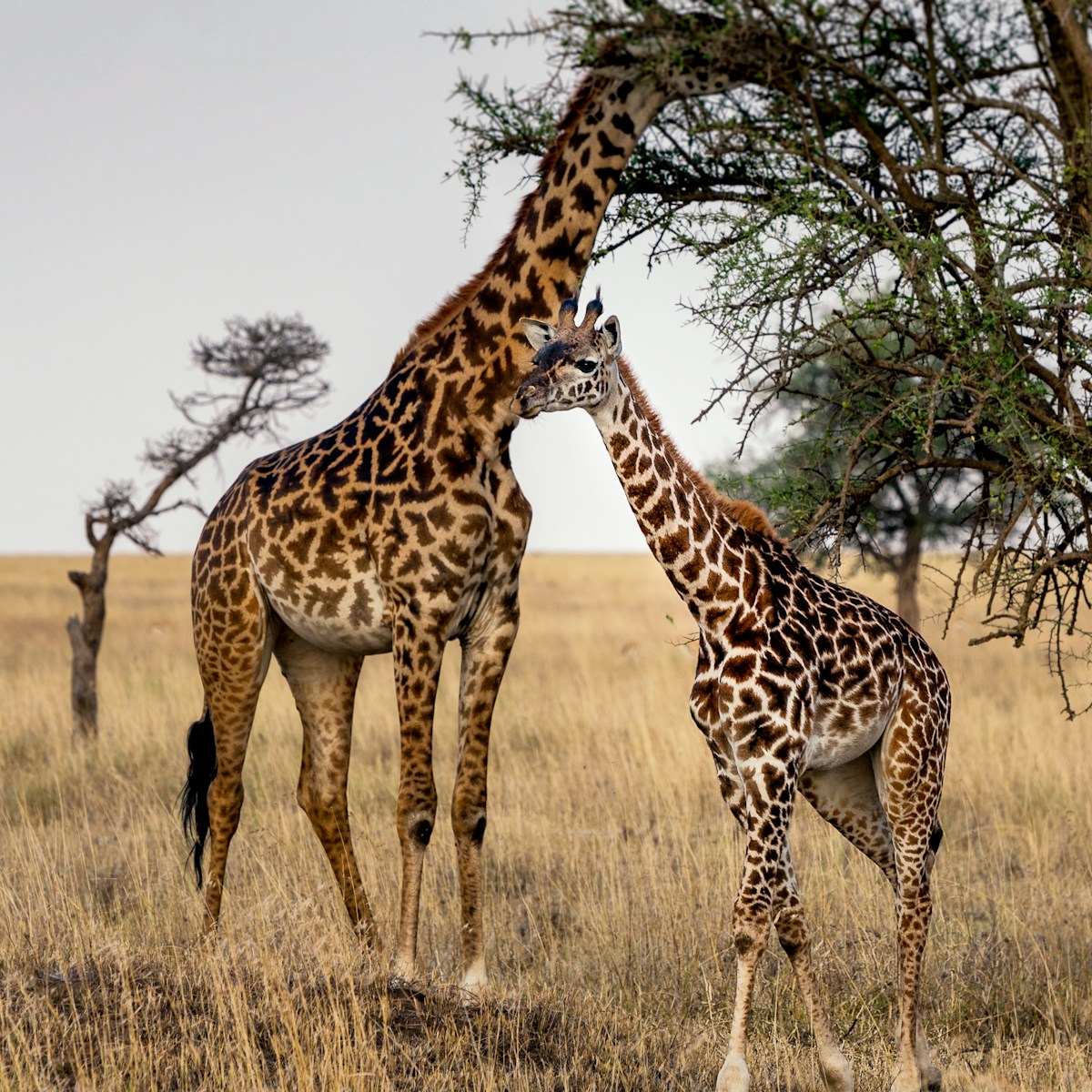
Close portraits are powerful, but wider photographs can show the animal’s habitat. A giraffe beneath an acacia tree or an elephant beside a baobab can communicate a stronger sense of place.
Wildlife behavior can change quickly. Confirm your basic camera settings before arriving at a sighting and keep your equipment within easy reach.
An experienced guide can read animal behavior and anticipate movement. Guides can also position the vehicle according to the direction of light and likely activity while following all national park regulations.
The welfare of the animal must always come before the photograph. Avoid asking the driver to move too close, block an animal’s path, surround wildlife, or pressure an animal into changing its natural behavior.
A photography Tanzania safari vacation can be arranged with different accommodation styles.
Public camping is suitable for adventurous photographers who want to spend more of their budget on park time and private transportation. Camping packages can include tents, mattresses, sleeping bags, meals, and support from a safari chef.
Tented camps combine a close connection to nature with comfortable beds, private bathrooms, and dining facilities. Mobile and seasonal camps can place photographers near important migration areas.
Mid-range lodges offer comfortable rooms, private bathrooms, restaurants, and convenient access to the parks. They provide a good balance between comfort and overall cost.
Luxury accommodation may include spacious rooms, premium dining, swimming pools, private decks, and highly personalized service. Some luxury camps are located in remote areas with outstanding photographic access.
Choosing accommodation close to the main photography area can reduce driving time and make it easier to begin game drives early.
Arrive at Kilimanjaro International Airport or Arusha Airport and meet a Kilipath African Safaris representative. Transfer to your accommodation in Arusha for a safari briefing and equipment preparation.
Travel to Tarangire for your first game drive. Photograph elephants, baobab trees, giraffes, antelopes, and colorful birds. Stay overnight near the park.
Drive toward the Serengeti through the beautiful Ngorongoro highlands. Enter the Serengeti and begin photographing its open landscapes and wildlife.
Spend the day exploring productive wildlife areas. Your guide will focus on animal behavior, favorable light, and the subjects that interest you most.
Enjoy another full day in the Serengeti. Additional time improves your chances of observing special behavior and allows you to work patiently at selected sightings.
Complete a final Serengeti game drive before traveling toward Ngorongoro. Photograph the changing landscapes and stay near the crater.
Descend into the Ngorongoro Crater for a morning game drive. After lunch, return to Arusha or continue to the airport according to your travel schedule.
This route can be modified to include Northern Serengeti, Ndutu, Lake Manyara, Lake Natron, Ruaha, or Nyerere.
A successful photographic safari depends on more than visiting famous national parks. Timing, guiding, vehicle space, route planning, and accommodation location all influence the quality of the experience.
Kilipath African Safaris provides:
We take time to understand your interests. Whether you want to photograph big cats, elephants, birds, the Great Migration, landscapes, or Maasai culture, we can design a journey around your priorities.
Tanzania rewards photographers who are prepared to slow down, observe, and wait for meaningful moments. Every game drive offers a different combination of light, wildlife, weather, and behavior.
Your journey may bring you face-to-face with a lion at sunrise, an elephant family crossing a dusty road, or thousands of wildebeest moving across the horizon. These are not simply photographs; they become lasting records of your connection with Tanzania’s wilderness.
Contact Kilipath African Safaris to begin planning your personalized photography Tanzania safari vacation. Share your travel dates, group size, preferred accommodation level, budget, and photography interests, and our team will prepare a suitable itinerary.
A Nyerere Tanzania wildlife safari can take you from a woodland game drive in the morning to a boat on the Rufiji…
Read articlePlanning a Tanzania safari that combines Lake Manyara National Park and Nyerere National Park is an excellent way to experience the country's…
Read articleDiscover Tanzania’s untamed wilderness without exceeding your travel budget. A budget Ruaha safari adventure offers incredible wildlife encounters, spectacular landscapes, authentic African…
Read articleA Nyerere Tanzania wildlife safari offers an extraordinary opportunity to discover one of Africa's most spectacular wilderness destinations. From magnificent elephants and…
Read article

