

Nyerere Tanzania Wildlife Safari Guide
A Nyerere Tanzania wildlife safari can take you from a woodland game drive in the morning to a boat on the Rufiji…
Read articleArusha City - Tanzania
Safari & Travel Tips
August 4, 2026 · 17 min read
A photography Tanzania wildlife safari experience is more than an ordinary holiday. It is an opportunity to observe Africa’s wildlife closely, understand animal behavior, and capture meaningful images in some of the continent’s most beautiful natural environments.
Tanzania provides an extraordinary combination of wildlife, landscapes, light, and seasonal events. Photographers can follow lions across the Serengeti plains, photograph elephants beneath ancient baobab trees in Tarangire, capture flamingos along alkaline lakes, and document the dramatic concentration of wildlife inside the Ngorongoro Crater.
Whether you use a professional camera, an entry-level DSLR, a mirrorless camera, or a smartphone, careful planning will help you return home with stronger photographs and unforgettable memories.
Kilipath African Safaris creates personalized photography safari itineraries for beginners, experienced photographers, couples, families, private groups, and professional content creators. Our local guides understand that wildlife photography requires patience, suitable vehicle positioning, responsible wildlife viewing, and enough time to wait for the right moment.
Tanzania is one of Africa’s leading photography safari destinations because of its wildlife diversity, extensive protected areas, and variety of landscapes. A single itinerary can include open grasslands, volcanic highlands, river systems, acacia woodlands, wetlands, crater floors, and baobab-covered plains.
Every destination produces a different style of photography. The Serengeti is perfect for expansive landscapes and predator action, while Tarangire is especially rewarding for elephant photography. Ngorongoro offers excellent opportunities to photograph several species within a relatively compact area.
Tanzania also supports different photography interests, including:
Unlike a rushed sightseeing tour, a carefully planned photographic safari allows more time at sightings. Instead of quickly moving from one animal to another, your guide can help you observe the scene, anticipate behavior, choose a suitable angle, and wait for better light.
A traditional safari usually focuses on seeing as many animals and destinations as possible. A photography safari places greater emphasis on the quality of each sighting.
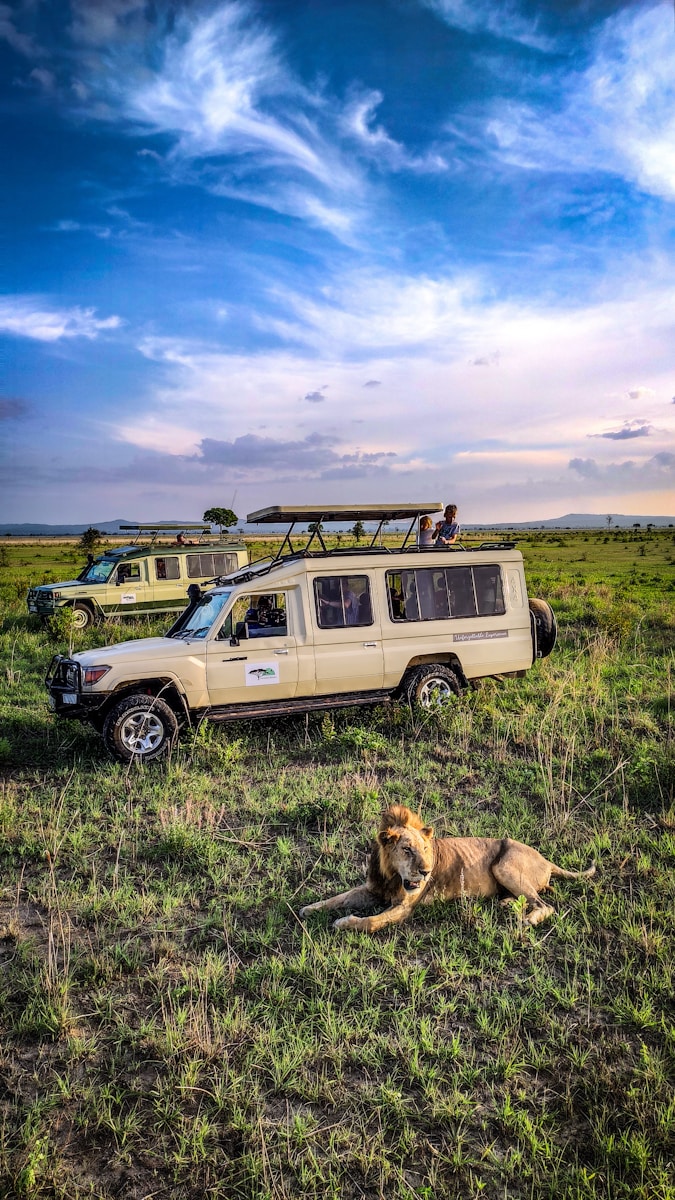
For example, an ordinary safari vehicle may stop briefly when guests see a lion resting. A photography vehicle may remain longer because the lion could stand, interact with its pride, approach a water source, or move into better light.
A photography-focused safari may include:
Wildlife cannot be directed or controlled. Successful photography therefore depends on patience, observation, preparation, and a knowledgeable guide.
Serengeti National Park is one of Tanzania’s most celebrated photography destinations. Its open plains, seasonal rivers, rocky kopjes, and enormous wildlife populations provide endless photographic possibilities.
The park is especially famous for predators. Lions, cheetahs, leopards, and spotted hyenas are frequently seen in different parts of the ecosystem. Photographers may capture hunting behavior, territorial interactions, mothers with young, or animals resting in the shade.
The open landscape makes it easier to create clean compositions because there are fewer bushes obstructing the subject. It is also ideal for environmental portraits that show an animal within its natural habitat.
The Serengeti can be visited throughout the year. However, the best region depends on the season and the wildlife experience you want to photograph.
Northern Serengeti is particularly rewarding between July and October, when migrating herds may reach the Mara River area. River crossings are unpredictable, and no operator can guarantee that one will happen during a particular game drive.
Nevertheless, the region offers much more than crossings. It has beautiful scenery, large herds, resident wildlife, predators, and fewer vehicles in many areas compared with central Serengeti.
A private safari is normally the most suitable choice for photographers visiting Northern Serengeti because it provides flexibility and enough time to follow wildlife activity.
Central Serengeti, commonly known as Seronera, is one of Tanzania’s most dependable year-round wildlife areas. Permanent water sources support resident animals even when the migration is elsewhere.
The region is especially productive for photographing lions, leopards, cheetahs, elephants, giraffes, hippos, and several species of antelope. Its rocky kopjes can provide excellent backgrounds for lions and other predators.
Central Serengeti is a valuable addition to almost every northern Tanzania photography itinerary.
From approximately December through March, the southern plains and Ndutu region become important areas for the migrating wildebeest herds. Calving activity generally reaches its most concentrated period around January and February, although exact timing depends on rainfall.
The abundance of young wildebeest attracts predators and creates opportunities to photograph animal behavior, survival, movement, and the relationship between predators and prey.
The short-grass plains also provide clean backgrounds and excellent visibility. This makes the region particularly suitable for photographing running animals and interactions within large herds.
Ngorongoro Crater contains grasslands, wetlands, forests, and freshwater areas within a dramatic volcanic setting. Wildlife is often concentrated across the crater floor, making it possible to observe several species during one game drive.
Photographic subjects may include lions, zebras, wildebeest, buffaloes, elephants, hyenas, hippos, flamingos, and the endangered black rhinoceros. Rhino sightings are never guaranteed, but the crater is one of the better places in northern Tanzania to search for them.
The crater walls create a striking background for landscape photographs. Morning mist, changing shadows, and the wide caldera can add atmosphere to images.
Because entry times are regulated and traffic can increase during busy seasons, photographers should enter as early as possible.
Tarangire National Park is known for its elephants, baobab trees, seasonal wetlands, and the Tarangire River. During the dry season, wildlife gathers near available water, creating rewarding photography opportunities.
Elephants are among the park’s most impressive subjects. Photographers can capture large herds, family interactions, dust bathing, drinking behavior, and elephants walking beneath baobab trees.
The park also supports lions, leopards, giraffes, zebras, wildebeest, buffaloes, antelopes, and numerous bird species.
Tarangire is an excellent location for environmental wildlife portraits because animals can be photographed against recognizably African scenery.
Lake Manyara National Park offers forest, groundwater springs, open plains, and lake environments. Although relatively compact, it provides considerable landscape and habitat diversity.
The park is known for elephants, baboons, monkeys, giraffes, hippos, and birdlife. Water levels and wildlife distribution vary throughout the year, so sightings are influenced by current conditions.
Its forest sections require different photographic techniques from the open Serengeti plains. A wider aperture and higher ISO may be necessary when animals are moving through shaded vegetation.
Ruaha is an outstanding destination for travelers seeking a quieter photography Tanzania wildlife safari experience. Its remote atmosphere, rugged scenery, baobab-covered hills, and river systems give it a distinctive character.
The park supports elephants, lions, leopards, wild dogs, buffaloes, antelopes, and an impressive variety of birds. Predator sightings can be especially rewarding, while the lower number of vehicles often allows photographers to work without excessive congestion.
Ruaha is suitable for experienced safari travelers, wildlife filmmakers, and anyone who prefers a wild, less crowded environment.
Nyerere National Park offers a different photographic experience from northern Tanzania. Its rivers, lakes, woodlands, and open areas support elephants, lions, hippos, crocodiles, giraffes, wild dogs, and abundant birdlife.
One of its advantages is the opportunity to combine vehicle-based game drives with boat safaris in suitable areas. A boat safari offers lower shooting angles for hippos, crocodiles, waterbirds, and animals approaching the riverbank.
The combination of reflections, water, sunset light, and river activity makes Nyerere particularly interesting for creative photographers.
Tanzania can be photographed throughout the year, but every season produces different conditions.
The dry season generally offers dependable wildlife viewing. Vegetation becomes thinner, and animals gather around rivers and waterholes.
Advantages include:
The dry season is popular, so major parks and famous sightings can become busy. A knowledgeable guide can reduce this challenge by choosing suitable routes and visiting productive areas at quieter times.
Short rains can transform dry landscapes into fresh green scenery. Rainfall is often intermittent rather than continuous, although weather patterns cannot be guaranteed.
This season may provide:
Photographers should carry rain protection for camera equipment and be prepared for changing road conditions.
This is an important time in the Ndutu and Southern Serengeti region. Migrating herds gather across nutritious short-grass plains, and large numbers of calves may be born.
The season offers excellent opportunities for:
Because the action can happen quickly, photographers should keep cameras ready and use appropriate shutter speeds.
April and May are generally quieter months. Some lodges may close temporarily, and certain roads can become challenging.
However, photographers willing to accept unpredictable weather can enjoy green scenery, atmospheric skies, lower visitor numbers, and competitive seasonal rates.
Rain can add texture and emotion to wildlife images. Reflections, dark clouds, wet animal coats, and saturated landscapes often produce original photographs.
Light is one of the most important elements of wildlife photography. Tanzania’s sunlight can be strong, particularly around midday, so the timing of game drives matters.
Early morning light is usually soft, warm, and flattering. Animals are often active before temperatures rise. Predators may still be hunting or returning from nighttime activity.
Morning conditions may include mist, dew, long shadows, and golden light. Photographers should be ready before sunrise because conditions can change rapidly.
Midday light can create strong contrast and deep shadows. It may not be ideal for traditional portraits, but it can still be used creatively.
High-contrast black-and-white images, reflections, silhouettes, animal patterns, and behavioral moments can all work during this period. Midday is also useful when an important sighting cannot be postponed.
Late afternoon and evening light can produce warm colors and dramatic backlighting. Dust illuminated by the setting sun can create memorable images of elephants, wildebeest, or zebras.
When photographing a backlit subject, exposure should be checked carefully to protect highlights while retaining necessary detail.
A safari guide contributes significantly to the quality of a wildlife photography experience. The guide does more than drive the vehicle and identify animals.
An experienced guide reads tracks, listens to alarm calls, understands seasonal movement, interprets behavior, and anticipates what an animal may do next. This helps photographers prepare before an important moment occurs.
Good vehicle positioning is equally important. The guide must consider:
Ethical guides never pressure animals simply to produce a photograph. Responsible wildlife viewing always takes priority over getting closer.
The best equipment depends on your budget, experience, and photographic style. Expensive equipment is not essential, but suitable preparation makes the experience easier.
A DSLR or mirrorless camera with reliable autofocus and good low-light performance is useful. Two camera bodies are recommended for experienced photographers because they reduce the need to change lenses in dusty conditions.
A second body also provides a backup in case of equipment failure.
A telephoto lens is valuable for wildlife portraits and distant subjects. Popular ranges include:
A zoom lens offers flexibility when animals move closer or when composition changes quickly.
A 24–70mm or 24–105mm lens is useful for landscapes, camps, vehicles, people, and animals close to the vehicle.
A wider lens can capture the size of the Serengeti plains, the walls of Ngorongoro Crater, baobab landscapes, and dramatic skies.
A beanbag provides stable support on a vehicle window or roof edge. It is often more practical than a tripod inside a safari vehicle.
Other useful items include:
Avoid carrying unnecessary equipment. A heavy camera bag can become uncomfortable and may reduce working space inside the vehicle.
There is no single setting suitable for every situation, but understanding a few basic principles will improve your results.
Use a fast shutter speed for moving animals. Birds in flight, running antelopes, and hunting predators may require approximately 1/1600 second or faster.
For stationary animals, slower speeds may be possible, especially when the camera is supported. Always consider lens length and vehicle movement.
A wide aperture helps separate an animal from the background and allows more light to reach the sensor. However, when photographing several animals together, a narrower aperture may be necessary to keep multiple subjects sharp.
Modern cameras can produce useful images at higher ISO settings. It is often better to accept some digital noise than to lose an important moment because the shutter speed was too slow.
Auto ISO can be helpful when light changes rapidly, provided you set an appropriate maximum value.
Continuous autofocus is generally suitable for moving wildlife. Tracking modes can work well, but photographers should practice with their cameras before traveling.
The safari is not the ideal time to learn every control from the beginning.
Burst shooting can help capture fast action, but it should be used selectively. Continuous shooting produces many files and makes image selection more time-consuming.
Focus on timing, composition, and animal behavior rather than holding the shutter button continuously.
Technical quality is important, but composition gives an image emotional impact.
Images often feel more intimate when the camera is close to the animal’s eye level. Safari vehicles limit how low photographers can go, but depressions, riverbanks, and suitable vehicle positioning may improve the angle.
If an animal is walking or looking to one side, leave space in front of it. This creates balance and allows the viewer to imagine where the animal is going.
Not every image needs to be a tight portrait. A small elephant beneath a massive baobab or a giraffe crossing an open plain can communicate more about Tanzania than a close-up alone.
A distracting vehicle, branch, or horizon line can weaken an otherwise strong image. Small changes in position may create a cleaner composition.
Behavioral images tell stories. Look for grooming, feeding, playing, hunting, nursing, territorial displays, courtship, and communication between animals.
Lions, elephants, and leopards are exciting, but Tanzania’s smaller animals and birds can be equally rewarding. Mongooses, lizards, jackals, insects, and colorful birds create variety in a photography portfolio.
Tanzania is an outstanding destination for bird photography. Its wetlands, forests, grasslands, lakes, and woodlands support an exceptional variety of resident and migratory species.
Photographers may encounter:
Bird photography usually requires patience, quick autofocus, a long lens, and high shutter speeds. A private vehicle is particularly helpful because it allows you to stop for smaller subjects that other travelers might overlook.
The Great Migration is a continuous movement involving wildebeest, zebras, and other grazing animals across the Serengeti–Mara ecosystem. It does not occur in one fixed place throughout the year.
Rainfall influences the herds’ location, so no responsible safari company should guarantee an exact river crossing or wildlife event.
Photographers should plan according to the general seasonal pattern while remaining flexible. A successful migration safari can include herd movement, predator interactions, grazing behavior, newborn animals, dramatic landscapes, and river activity.
Responsible photography means allowing animals enough room to move naturally. Vehicles should never block a crossing point, separate mothers from young, or force wildlife to change direction.
A Tanzania photography itinerary may include a cultural visit, such as meeting members of a Maasai community or exploring a local market.
Always request permission before photographing people. Your guide can help explain local expectations and arrange respectful interactions.
Avoid treating community members as objects or props. Take time to communicate, learn names where possible, and understand the meaning behind ceremonies, clothing, crafts, and daily activities.
Respectful cultural photography should create connection and preserve dignity.
In addition to camera equipment, pack lightweight and practical clothing in neutral colors. Temperatures can vary significantly between hot afternoons and cool mornings.
Recommended items include:
Avoid bright clothing that may create reflections inside the vehicle. Dark blue and black clothing can also attract tsetse flies in certain areas, particularly Tarangire.
Soft-sided luggage is usually more convenient than a large hard suitcase, especially when using domestic flights or joining a shared safari.
Dust is a normal part of many Tanzania safaris, especially during the dry season.
Keep unused equipment inside a closed camera bag. Avoid changing lenses while the vehicle is moving or when strong dust is present. If you use two camera bodies, attach different lenses before beginning the game drive.
Clean the outside of your equipment carefully each evening. Use a blower before wiping the lens to avoid scratching the glass with dust particles.
Do not leave cameras exposed in direct sunlight for extended periods. Heat can affect batteries and electronic equipment.
Arrive at Kilimanjaro International Airport or Arusha Airport and meet your Kilipath African Safaris representative. Transfer to your accommodation in Arusha for a safari briefing and equipment preparation.
Travel to Tarangire for your first game drive. Concentrate on elephants, baobab landscapes, birds, and animals gathering near the river. Stay overnight near the park or in the Karatu area.
Travel through the Ngorongoro highlands toward Serengeti National Park. Photograph changing landscapes along the journey before enjoying an afternoon game drive in the Seronera region.
Begin before sunrise and search for predators, elephants, giraffes, and other wildlife. Spend longer at productive sightings and return to camp after the evening game drive.
Explore a different area of the park according to current wildlife conditions. Your guide will choose routes based on animal movement, recent sightings, light, and your photographic interests.
Enjoy a final morning game drive before traveling toward Ngorongoro. Stop at suitable viewpoints and photograph the changing environment.
Descend early into the crater. Search for lions, hyenas, elephants, buffaloes, hippos, wildebeest, zebras, flamingos, and black rhinos. Later, travel to Arusha or continue to your next destination.
This itinerary can be extended to Northern Serengeti, Ndutu, Lake Manyara, Lake Natron, Ruaha, Nyerere, or Zanzibar.
Kilipath African Safaris is a locally based Tanzania safari company committed to creating personal, well-organized, and responsible wildlife experiences.
We understand that photographers have different priorities from general sightseeing travelers. Some guests want big-cat action, while others prefer birds, landscapes, migration herds, elephants, or cultural storytelling.
When designing your safari, we consider:
Our safari vehicles have pop-up roofs that provide visibility and freedom of movement during game drives. Private arrangements offer additional flexibility for photographers carrying long lenses or requiring more space.
Our guides combine local wildlife knowledge with patience and responsible guiding practices. They work hard to position the vehicle effectively without disturbing animals or compromising park regulations.
Begin planning early if you intend to travel during the calving season or the Northern Serengeti migration period. Camps in important wildlife areas can fill quickly, particularly during peak months.
When contacting Kilipath African Safaris, share the following information:
This information helps us design an itinerary that matches your expectations instead of offering a generic safari package.
A photography Tanzania wildlife safari experience brings together adventure, creativity, patience, and an appreciation for the natural world. Tanzania’s wildlife does not perform according to a schedule, but this unpredictability makes every photograph meaningful.
The strongest safari images often come from waiting quietly, watching behavior, and allowing a scene to develop naturally. A lion’s expression, an elephant family crossing a dusty road, or a wildebeest calf following its mother can become more memorable than simply collecting photographs of many species.
With thoughtful planning, appropriate equipment, flexible timing, and a knowledgeable local guide, travelers of every skill level can enjoy a rewarding photography safari.
Contact Kilipath African Safaris to create a personalized itinerary covering the Serengeti, Ngorongoro Crater, Tarangire, Lake Manyara, Ruaha, Nyerere, or other remarkable Tanzanian destinations. We will help you plan a journey that offers excellent photographic opportunities while respecting wildlife and protecting the landscapes that make Tanzania extraordinary.
A Nyerere Tanzania wildlife safari can take you from a woodland game drive in the morning to a boat on the Rufiji…
Read articlePlanning a Tanzania safari that combines Lake Manyara National Park and Nyerere National Park is an excellent way to experience the country's…
Read articleDiscover Tanzania’s untamed wilderness without exceeding your travel budget. A budget Ruaha safari adventure offers incredible wildlife encounters, spectacular landscapes, authentic African…
Read articleA Nyerere Tanzania wildlife safari offers an extraordinary opportunity to discover one of Africa's most spectacular wilderness destinations. From magnificent elephants and…
Read article

