Skip to content
A photography safari gives you time to watch before you shoot. An elephant may pause beside a baobab, a lion may lift its head for a few seconds, or changing light may turn an ordinary landscape into your favorite image of the trip. The best itinerary leaves room for those moments.
This six-day route starts in Arusha and visits Tarangire National Park, the Serengeti, and Ngorongoro Crater. It suits travelers who want varied wildlife and landscapes without changing locations every morning. You can enjoy it with a camera, a phone, or both.
At a glance: the six-day route
| Day | Destination | Photography focus |
|---|---|---|
| 1 | Arusha | Arrival, equipment check, and rest |
| 2 | Tarangire | Elephants, baobabs, and river landscapes |
| 3 | Tarangire to Serengeti | Changing scenery and first Serengeti game drive |
| 4 | Serengeti | Full day for wildlife behavior and wide landscapes |
| 5 | Serengeti to Ngorongoro area | Morning photography and crater rim views |
| 6 | Ngorongoro Crater to Arusha | Crater wildlife and departure |
This is a sample route. Accommodation, road conditions, park arrangements, and your flight times will shape the final schedule.
Day 1: Arrive in Arusha
Arrive in Arusha the day before your first game drive. This gives you time to rest after your journey and prepare your equipment. Charge batteries, clear memory cards, check the weather protection for your bag, and keep the camera you plan to use first within easy reach.
If you have space in your luggage, pack a second battery and extra memory cards. Dust is common on safari roads, so a simple cloth and a secure camera bag are useful. Avoid changing lenses unnecessarily while the vehicle is moving.
An overnight stay in Arusha also makes the next morning more relaxed. You can meet your guide, discuss the animals or scenes you hope to photograph, and agree on a comfortable pace.
Day 2: Arusha to Tarangire National Park
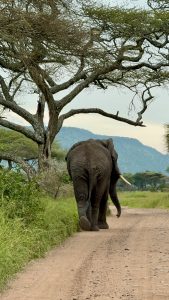
Travel to Tarangire for your first game drive. Its baobab trees, river scenery, elephants, and birdlife offer a strong start for both wildlife and landscape photography. During the dry season, animals gather around remaining water sources, though sightings always depend on conditions and chance. Tarangire National Park
Start with a few wide shots to show where the animals live. Then try closer compositions when your guide finds a safe, suitable viewing position. An elephant beneath a baobab often tells a richer story than a tightly cropped portrait alone.
Ask your guide to pause when you see interesting behavior. Photographing an animal walking through the scene, interacting with its group, or drinking takes patience. Stay ready between sightings too: tracks, birds, trees, and shifting clouds can produce memorable images.
Spend the night near or in Tarangire, depending on your preferred accommodation and the route arranged for you.
Day 3: Travel to the Serengeti
This is a travel day, but keep your camera accessible. The journey through the northern safari circuit brings changes in terrain and vegetation before you reach the Serengeti. Your guide can help identify sensible places to stop where stopping is permitted.
After entering the Serengeti, enjoy an afternoon game drive if travel time allows. Resist the urge to photograph every animal immediately. Take a moment to look at the background, the direction of the light, and whether the animal is likely to move.
Your first Serengeti images might be broad scenes: grassland beneath a dramatic sky, zebras spread across the plains, or an acacia framing the horizon. These photographs help tell the story of the place alongside your closer wildlife shots.
Day 4: A full day in the Serengeti
A full day gives you the flexibility that wildlife photography needs. You can head out early, when the light is gentle, and spend more time with promising sightings. Early morning and late afternoon light can be especially useful for photography. tanzaniaparks.go.tz
Tell your guide what matters most to you. One traveler may want bird portraits; another may prefer big cats, herds, or landscapes. A guide can help you look for wildlife and choose appropriate viewing positions, but no particular sighting can be guaranteed.
Try building a varied set of images throughout the day:
- A wide frame showing an animal in its habitat
- A medium frame showing its movement or interaction
- A close frame highlighting expression, texture, or detail
- A quiet scene showing the landscape, weather, or smaller wildlife
Leave time simply to observe. Animals do not perform on a schedule, and waiting can be more rewarding than constantly moving between sightings. If you are traveling privately, discuss your preferred pace with your guide at the start of the day.
Day 5: Serengeti morning and Ngorongoro area
Take a final morning game drive in the Serengeti before traveling toward the Ngorongoro Conservation Area. Morning light offers another chance at subjects you may have seen under harsher light the previous day.
Use the drive to review a small selection of your photos, but keep one camera ready. Wildlife encounters can happen while you are moving through permitted game-viewing areas. Later, the crater rim and surrounding highlands offer a different sense of scale from the open Serengeti plains.
The higher elevation can feel cool, particularly in the morning and evening. Keep a warm layer handy, along with protection for your equipment if the weather changes.
Day 6: Ngorongoro Crater and return to Arusha
Begin early for your crater visit. From the rim to the crater floor, the scenery changes quickly, giving you opportunities for both sweeping views and wildlife photographs. The crater’s varied habitats make this a fitting final chapter for your safari.
Be prepared for other vehicles at popular sightings. Keep your camera inside the vehicle, follow your guide’s directions, and photograph wildlife without asking the driver to leave designated routes. The Ngorongoro Conservation Area Authority prohibits off-road driving and requires visitors to the crater to be accompanied by a licensed guide. ngorongorocrater.org
After the game drive, return to Arusha. If you intend to fly out that evening, share your flight details before booking so the safari schedule can be checked against your departure time.
What camera equipment should you bring?
You do not need professional equipment to enjoy this trip. A phone can capture landscapes, camp moments, and animals that come reasonably close to the vehicle. A camera with a telephoto lens gives you more options for distant wildlife.
For a simple kit, consider:
- A camera and a telephoto lens for wildlife
- A wider lens, or a phone, for landscapes and camp scenes
- Spare batteries and memory cards
- A lens cloth and a bag that closes securely
- A way to back up photos during the trip
Pack equipment you can use comfortably in a safari vehicle. A lighter kit that is ready when an opportunity appears may serve you better than several lenses buried in your luggage.
Is a private or shared safari better for photography?
Both can produce excellent photographs. A private safari gives your party more say over departure times, how long to remain at a sighting, and which subjects to prioritize. It is especially useful if photography is the main purpose of your trip.
A shared safari is a practical choice if you enjoy traveling with others. It still offers wildlife photography opportunities, though stops and timing need to work for the whole group. Kilipath African Safaris’ shared safaris use a maximum of seven guests per Land Cruiser, with a window seat for each guest.
When requesting a quote, mention that photography is important to you. Include the number of travelers, preferred dates, accommodation style, and whether you want a private or shared vehicle. That helps us recommend a route and pace that fit your plans.
Plan your Tanzania photography safari
The strongest safari photographs come from preparation, patience, and time spent watching wildlife. This six-day itinerary gives you distinct settings—Tarangire’s baobabs, the Serengeti’s open plains, and Ngorongoro’s crater landscapes—while leaving space for unexpected encounters.
Contact Kilipath African Safaris with your travel dates and photography interests. We’ll help shape an itinerary around the wildlife, scenery, and travel pace you want to experience.