Skip to content
A guided safari gives you more than a seat in a vehicle. Your guide helps you spot wildlife, understand animal behavior and make the most of each day in Tanzania’s national parks. This guided Tanzania safari travel guide covers where to go, how to choose a safari and what to expect on the road.
At Kilipath African Safaris, we arrange both shared and private trips from Arusha. Whether you have three days or a full week, we can help you choose a route that fits your time, interests and budget.
Why travel with a safari guide?
Wildlife viewing takes patience and local knowledge. A guide watches for tracks and movement, explains what you are seeing and helps position the vehicle for a clear view while respecting park rules. Guides also manage the practical details of a safari day, from departure times to park entry and the drive to your next accommodation.
Tanzania’s parks are large, and wildlife moves freely. No guide can promise a particular sighting. A knowledgeable guide can, however, help you understand the landscape and respond to what is happening around you. A quiet stop beside a waterhole may become just as memorable as seeing a lion.
Where should you go on a guided Tanzania safari?
Serengeti National Park
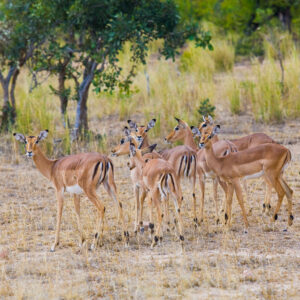
The Serengeti is known for its open plains, predators and large herds of grazing animals. Game drives may reveal lions, elephants, giraffes, zebras and many other species. The Great Migration moves through different parts of the wider Serengeti ecosystem during the year, so the best area to visit depends on your travel dates.
Central Serengeti works well in many itineraries because it offers wildlife viewing throughout the year. If seeing migration activity is a priority, tell us when you plan to travel so we can suggest a suitable route.
Ngorongoro Crater
The Ngorongoro Crater offers a distinctive game drive within a compact wildlife area. From the crater rim, the road descends to grassland, woodland and wetlands. The crater is often included after a Serengeti visit, making it a practical final park before returning to Arusha.
Mornings on the rim can be cold, even when the afternoon is warm. Bring a jacket for the early departure and the drive down into the crater.
Tarangire National Park
Tarangire is a strong choice for travelers who enjoy elephants, baobab trees and varied scenery. It is also well placed for the first day of a Northern Circuit safari from Arusha. Wildlife viewing changes with the seasons, but the park’s landscapes make it a rewarding stop at different times of year.
Lake Manyara National Park
Lake Manyara can add forest, lake scenery and birdlife to a safari. The lake’s changing water levels affect which areas are accessible and where animals gather. If your main goal is a particular wildlife experience, we can help compare Manyara with Tarangire for your travel dates.
Shared or private guided safari?
The right choice depends on how much flexibility you want.
| Safari type | Best for | What to expect |
|---|---|---|
| Shared safari | Solo travelers and couples seeking a lower per-person cost | Join other guests on a set route and schedule |
| Private safari | Families, photographers and travelers with specific interests | Travel with your own vehicle and guide, with more control over stops and timing |
Our shared safaris use a 4×4 Land Cruiser with a maximum of seven guests and a window seat for each person. A private safari gives your group a dedicated vehicle and guide. It is especially useful if you want a slower pace, particular accommodation or a route that goes beyond the usual shared safari circuit.
Both options include guided game drives. When requesting a quote, tell us your group size, travel dates, accommodation preference and the parks you most want to visit. That helps us recommend an itinerary that makes sense on the ground.
How many days do you need?
A three-day safari can combine the Serengeti and Ngorongoro Crater, but it involves substantial driving. It suits travelers with limited time who are comfortable with early starts.
With four or five days, you can add Tarangire and spend more time enjoying game drives. This is a popular choice for a first safari because it combines different habitats without making every day feel the same.
A six- or seven-day private safari allows more room for longer stays, a gentler pace or a route tailored to seasonal wildlife movement. Extra days can also help families and photographers avoid feeling rushed.
The best itinerary is not simply the one with the most parks. Driving distances matter. We will explain how much time you can expect in the vehicle so you can choose a trip that balances travel and wildlife viewing.
What is a typical safari day like?
Most safari days begin early, when temperatures are cooler and animals may be more active. After breakfast or a packed meal, you travel into the park for a game drive. Your guide makes stops for wildlife, scenery and lunch according to the day’s route.
A 4×4 Land Cruiser with a pop-up roof gives guests space to stand and view wildlife during appropriate stops. Bring a camera, sun protection and a layer for chilly mornings. Drinking water is essential, and comfortable clothes in practical colors work well for long days outdoors.
Your daily schedule will vary. A full day in the Serengeti feels different from a day that includes a drive between parks. Your guide will discuss the plan with you and explain what is possible within park hours and travel distances.
When is the best time to visit?
Tanzania offers safari experiences throughout the year, but the scenery and wildlife patterns change by season. In the Northern Circuit, the dry months often make animals easier to spot around water sources. Greener months bring lush landscapes and a different atmosphere for photography.
If you hope to see the Great Migration, location matters as much as month. Herd movements respond to rainfall and grazing conditions, so dates are guides rather than guarantees. Tell us what you most want to see, and we can suggest areas that fit your travel window.
For families, school holidays may determine the dates. For photographers, light, landscape and time in each park may matter more. A guided itinerary should reflect your priorities.
What should you ask before booking?
Before confirming a safari, check:
- Which parks and accommodation are included
- Whether the trip is shared or private
- The expected driving time each day
- Where pickup and drop-off take place
- What meals, drinks, park fees and transfers are included
- The deposit and cancellation terms
A clear itinerary should show where you will sleep each night and how the route works. If you have dietary needs, children traveling with you or a flight to catch after the safari, share those details before booking.
Plan your safari with Kilipath African Safaris
This guided Tanzania safari travel guide is a starting point. Your ideal route depends on your dates, group size and the experiences you value most.
Contact Kilipath African Safaris with your travel dates and the number of guests. We’ll recommend a shared or private guided safari, explain the day-by-day route and prepare a quote tailored to your trip.