

Budget Ngorongoro Crater Safari Holiday
Planning a budget Ngorongoro Crater safari holiday from Arusha? Compare a crater day trip, a two-day Tarangire and Ngorongoro safari, or a…
Read articleArusha City - Tanzania
Safari & Travel Tips
August 5, 2026 · 16 min read
A Ngorongoro Crater safari offers one of the most rewarding wildlife experiences in Tanzania. Within a relatively compact area, travelers can encounter lions, elephants, buffaloes, hippos, hyenas, zebras, wildebeest, and, with some luck, the rare black rhinoceros.
The crater is part of the Ngorongoro Conservation Area in northern Tanzania. Its spectacular scenery, permanent water sources, open grasslands, and rich wildlife make it an excellent destination for first-time safari travelers, families, couples, photographers, and experienced wildlife enthusiasts.
This best Ngorongoro Crater safari travel guide explains everything you should know before booking your journey. It covers the best travel seasons, wildlife, accommodation, suggested itineraries, what to pack, safari costs, and how Kilipath African Safaris can organize a comfortable and memorable experience.
Ngorongoro Crater is widely recognized as one of Africa’s most impressive natural wildlife destinations. The crater was formed when a large volcano collapsed millions of years ago, leaving behind an enormous, enclosed volcanic caldera.
Today, the crater floor contains several habitats, including open plains, freshwater and alkaline lakes, woodland, marshes, and seasonal streams. This variety supports a remarkable concentration of wildlife throughout the year.
The destination is particularly appealing because travelers can see a broad selection of animals during a single game drive. Although wildlife sightings can never be guaranteed, the chances of encountering many of Tanzania’s famous species are exceptionally good.
The main reasons to choose a Ngorongoro Crater safari include:
Ngorongoro Crater is located in northern Tanzania, approximately 180 kilometers west of Arusha. It forms part of the wider Ngorongoro Conservation Area, which lies between Lake Manyara and Serengeti National Park.
Most safaris begin in Arusha, Tanzania’s main northern safari gateway. The journey from Arusha to the Ngorongoro Conservation Area usually takes approximately four hours by road, depending on traffic, weather, and the location of your accommodation.
Travelers often spend the night in Karatu or at a lodge on the crater rim before descending into the crater the following morning. Karatu offers a wide selection of comfortable lodges, while crater-rim properties provide dramatic views and faster access to the descent roads.
Ngorongoro is not simply another wildlife reserve. Its geological history, wildlife concentration, scenery, and cultural landscape create an experience that feels different from Tanzania’s open national parks.
The crater is surrounded by steep walls that rise hundreds of meters above the floor. From the viewpoints along the rim, visitors can see forests, grasslands, lakes, and distant herds spread across the caldera.
Early mornings are especially atmospheric. Mist sometimes settles along the rim before lifting to reveal the crater below.
Permanent water and grazing areas allow many animals to remain inside or around the crater throughout the year. This creates consistently productive wildlife viewing, particularly around the grasslands, marshes, woodland, and water sources.
The Ngorongoro Crater is one of Tanzania’s best locations for travelers hoping to see several members of the Big Five. Lions, buffaloes, and elephants are regularly encountered. Black rhinoceroses live in the conservation area, although sightings require patience and good fortune.
Leopards are present but are difficult to spot because they are secretive and often remain in wooded areas.
Ngorongoro is a conservation area rather than a conventional national park. Maasai communities live in designated parts of the wider landscape alongside wildlife. Visitors may see Maasai herders with their cattle while traveling between the entrance gates, lodges, and Serengeti.
No ethical safari operator should guarantee particular wildlife sightings. Animals move freely, and every game drive is different. Nevertheless, the crater supports a wide variety of species.
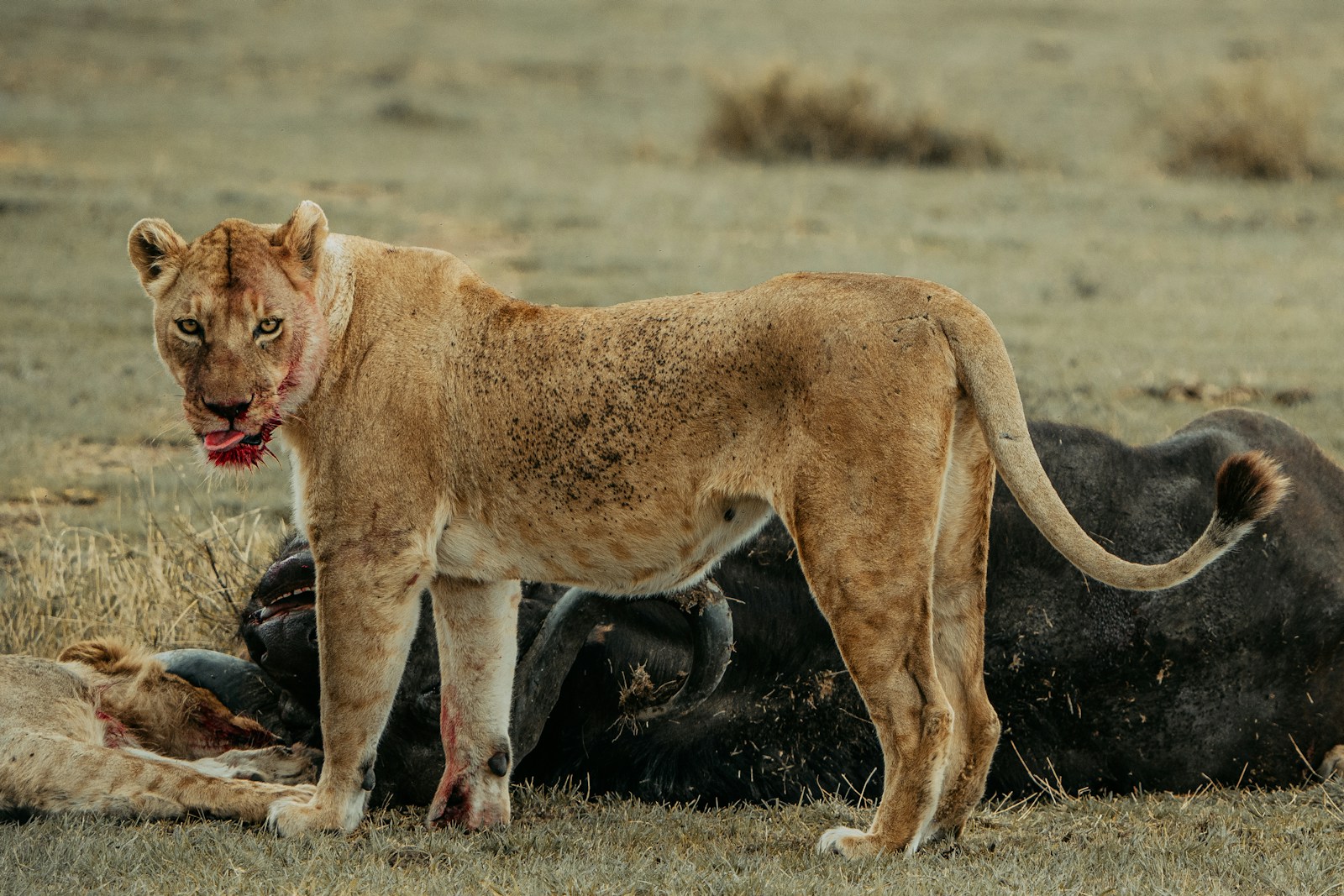
Lions are among the most frequently observed predators on the crater floor. They may be seen resting in the grass, walking beside safari tracks, guarding a kill, or watching herds across the plains.
The black rhinoceros is one of the crater’s most sought-after animals. Sightings are often from a distance, making binoculars and a camera with a good zoom lens useful.
A knowledgeable guide will carefully scan the open areas where rhinoceroses are sometimes found. However, their rarity means that a sighting cannot be promised.
Large bull elephants are occasionally seen on the crater floor, particularly near wooded areas and permanent water. Family herds are more commonly encountered elsewhere in the Ngorongoro Conservation Area or in nearby destinations such as Tarangire National Park.
Buffaloes are common and may appear individually or in large herds. Older bulls sometimes remain close to wetlands, forests, and water sources.
Ngorongoro has a healthy population of spotted hyenas. Visitors may observe them resting near the road, following grazing animals, interacting with other predators, or moving across the plains in search of food.
Large herds of wildebeest and zebras graze on the crater floor. These animals attract predators and create classic East African safari scenes.
Hippos can often be found in the crater’s pools and wetlands. A designated picnic area near a hippo pool is frequently used for lunch during full-day game drives.
Depending on the season and location, travelers may also encounter:
Giraffes are generally not found on the crater floor, partly because the steep descent routes and habitat are unsuitable. However, they can be seen in other parts of the conservation area.
The crater can be visited throughout the year. The best month depends on your interests, budget, preferred weather, and willingness to travel during busier periods.
The dry season generally offers clear conditions and comfortable wildlife viewing. Animals often gather around reliable water sources, while shorter grass can make some species easier to see.
July, August, and September are popular months, so lodges and descent roads may be busy. Early booking is recommended for travelers visiting during this period.
Advantages of the dry season include:
Possible disadvantages include:
The short-rain period can transform the landscape into a greener and more colorful environment. Rain often falls in temporary showers rather than lasting throughout the day.
This period may suit visitors looking for attractive scenery, fewer crowds, and good birdwatching opportunities.
The beginning of the year is an excellent time to combine Ngorongoro with the southern Serengeti and Ndutu region. The broader ecosystem becomes particularly important during the wildebeest calving season.
The crater remains productive, while the surrounding highlands are beautifully green. Demand can be high around Christmas, New Year, and the peak calving months.
April and May normally receive heavier rainfall. The scenery becomes lush, and visitor numbers are often lower than during the peak dry months.
Road conditions can be more challenging, and occasional heavy showers may affect travel times. However, travelers who do not mind variable weather can enjoy peaceful game drives and attractive seasonal rates at selected lodges.
A crater safari normally begins early in the morning. Starting early improves the chance of observing active wildlife and allows more time to explore before the afternoon ascent.
After breakfast, your guide drives toward one of the crater descent roads. The road winds down the steep wall, providing impressive views as you approach the crater floor.
During the game drive, your guide searches the grasslands, wetlands, lakeshores, and woodland for animals. Guides communicate with one another by radio, sharing general information about wildlife movements while respecting park rules.
Lunch is usually served at an authorized picnic area. Depending on the package, Kilipath African Safaris can arrange a packed lunch or a prepared hot meal.
After lunch, the game drive continues before the vehicle begins its ascent from the crater. Guests then travel to their lodge, continue toward Arusha, or proceed to another safari destination.
The exact schedule is determined by park regulations, permit times, weather, wildlife movements, and the following day’s itinerary.
Ngorongoro can be included in itineraries ranging from a single day to more than a week.
A one-day safari is possible from Karatu or nearby areas. Starting from Arusha is also possible, but the day will be long because of the driving distance.
A typical itinerary includes:
This option suits travelers with limited time, although staying near Ngorongoro the previous night creates a more relaxed experience.
This is one of the most popular short safari combinations.
Day 1: Arusha to Tarangire National Park
Travel to Tarangire for a game drive among baobab trees, river landscapes, and areas known for elephants. After the game drive, continue to Karatu for dinner and an overnight stay.
Day 2: Ngorongoro Crater and Arusha
After an early breakfast, descend into the crater for a game drive. Enjoy lunch inside the conservation area before returning to Arusha.
A three-day itinerary provides more flexibility and can include Tarangire, Lake Manyara, or cultural activities.
Day 1: Arusha to Tarangire or Lake Manyara
Day 2: Ngorongoro Crater game drive
Day 3: Cultural experience, nature walk, or return to Arusha
This itinerary is suitable for families, couples, and travelers who prefer a less hurried journey.
This route introduces visitors to three famous northern Tanzania destinations.
Day 1: Arusha to Tarangire National Park
Day 2: Travel through Ngorongoro to Serengeti
Day 3: Serengeti game drive and transfer toward Ngorongoro
Day 4: Ngorongoro Crater game drive and return to Arusha
Although possible, this is an active itinerary with significant driving. A five-day version allows more time in Serengeti.
A five-day itinerary creates a better balance between travel and wildlife viewing.
Day 1: Tarangire National Park
Day 2: Transfer to Serengeti National Park
Day 3: Full-day Serengeti safari
Day 4: Serengeti game drive and transfer to Ngorongoro
Day 5: Ngorongoro Crater and return to Arusha
This is an excellent choice for travelers who want a classic northern Tanzania safari without making the trip excessively long.
A suitable safari vehicle is essential for a comfortable Ngorongoro experience. Kilipath African Safaris uses customized 4x4 safari vehicles with pop-up roofs for wildlife observation and photography.
Depending on the selected vehicle and package, features may include:
Your guide plays an equally important role. An experienced guide understands animal behavior, crater geography, park regulations, safe driving practices, and the best locations to search for wildlife.
Kilipath African Safaris provides professional, English-speaking guides. Other language guides may be arranged for private safaris upon request and subject to availability.
Accommodation is available on the crater rim, in the surrounding conservation area, and around Karatu.
Crater-rim properties offer outstanding views and convenient access to the descent roads. They are ideal for guests seeking a premium experience.
Benefits include:
These lodges generally cost more than properties in Karatu.
Karatu is a practical and popular base for a Ngorongoro safari. The town and its surrounding farmland contain many comfortable lodges, tented properties, and guesthouses.
Benefits include:
The journey from Karatu to the crater entrance adds travel time, so an early departure is usually required.
Tented camps combine safari atmosphere with varying levels of comfort. A mid-range tented camp may include a private bathroom, proper bed, hot shower, restaurant, and lounge.
Travelers should not confuse a tented camp with basic public camping. Luxury tents can offer comfort comparable to a lodge.
Public camping is the most economical option. Safari camping packages usually include tents, sleeping equipment, meals, and support from a safari chef.
Bathrooms and showers are normally shared. Nights on the Ngorongoro highlands can be cold, so warm clothing is essential.
Ngorongoro safari prices vary according to the itinerary and travel style. There is no single price that applies to every traveler.
The final cost may depend on:
A private safari usually becomes better value per person when more travelers share the vehicle. Solo private travelers pay more because they cover most of the transport and guide expenses independently.
For an accurate quotation, provide your travel dates, group size, children’s ages, accommodation preference, arrival location, and desired itinerary.
A complete Ngorongoro safari package may include:
Always read the final quotation carefully because inclusions differ between packages.
Common exclusions include:
Kilipath African Safaris clearly lists the inclusions and exclusions before confirming a reservation.
Weather can change considerably between the crater rim and floor. The highlands are often cold in the early morning, while the crater floor may become warm by midday.
Recommended items include:
Avoid packing only summer clothing. Even during warmer months, early mornings around the crater rim can feel surprisingly cold.
Ngorongoro provides excellent photographic opportunities, but good preparation improves the experience.
Bring a zoom lens because rhinoceroses and other animals may be observed from a distance. A wider lens is helpful for photographing crater scenery and large herds.
Keep your camera ready during the descent because wildlife can appear soon after reaching the crater floor. Use a beanbag or vehicle support to stabilize longer lenses.
Early light is often softer and more attractive for photography. Tell your guide about your photographic interests so that stops can be managed appropriately, especially on a private safari.
Visitors must follow conservation rules and remain inside the vehicle except in officially designated areas.
Ngorongoro is a strong choice for families because wildlife viewing is concentrated within a manageable area. Children may see several recognizable animals during one game drive.
A private safari is usually the most comfortable option for families. It allows parents to control breaks, lunch arrangements, departure times, and the duration of individual sightings.
When traveling with children, consider:
Kilipath African Safaris can adjust the itinerary to match the children’s ages and the family’s preferred travel pace.
The crater’s scenery makes it a memorable destination for couples and honeymooners. A private vehicle provides privacy and allows the itinerary to focus on meaningful experiences rather than a fixed group schedule.
A honeymoon journey can include:
Special arrangements should be requested before arrival because availability and lodge policies vary.
This is Tanzania’s most famous safari combination. Serengeti offers vast open landscapes, large predator populations, and seasonal migration experiences, while Ngorongoro provides concentrated wildlife viewing inside a dramatic caldera.
Allow at least four or five days for a comfortable road-based combination.
Tarangire is known for elephants, baobab trees, and its distinctive river ecosystem. The parks complement each other well and can be visited in two or three days.
Lake Manyara is conveniently situated near Karatu. Its groundwater forest, lake environment, primates, and birdlife provide a different setting from the crater.
A bush-and-beach holiday combines wildlife viewing with relaxation on Zanzibar. Travelers can complete their northern circuit safari and fly from Arusha or Kilimanjaro to Zanzibar.
Ngorongoro can be added before or after a Kilimanjaro climb. Most climbers appreciate at least one rest night between the mountain and safari portions of the holiday.
Responsible tourism helps preserve the area for wildlife, local communities, and future visitors.
Travelers should:
A responsible safari focuses on observing natural behavior without disturbing animals or damaging their environment.
Selecting a reliable local operator helps ensure that transport, accommodation, permits, meals, and game drives work together smoothly.
Kilipath African Safaris offers:
Our team listens to your expectations before preparing the itinerary. Whether you want an economical camping trip, a comfortable lodge safari, or a luxury crater experience, we can recommend a suitable route.
To receive a personalized quotation, send the following information:
After receiving these details, Kilipath African Safaris will prepare an itinerary and quotation. During busy travel seasons, early confirmation is recommended because popular lodges and safari vehicles can become fully booked.
The best Ngorongoro Crater safari combines thoughtful planning, an experienced guide, comfortable transportation, and enough time to appreciate the wildlife rather than simply rushing through the destination.
Kilipath African Safaris can create a private or shared itinerary based on your travel dates, group size, budget, and accommodation preference. Contact our safari team for a personalized quotation and begin planning an unforgettable journey through one of Tanzania’s most remarkable wildlife landscapes.
Planning a budget Ngorongoro Crater safari holiday from Arusha? Compare a crater day trip, a two-day Tarangire and Ngorongoro safari, or a…
Read articleA Lake Manyara safari can cost USD 150–220 per person for a shared day trip from Arusha. A published example of a…
Read articleA Tanzania safari from Zanzibar can mean a short mainland trip during your beach holiday or a complete package with flights, game…
Read articleLooking for a group Tanzania safari price from Kilipath African Safaris? A published example for our four-day shared camping safari through Tarangire,…
Read article

