

Budget Ngorongoro Crater Safari Holiday
Planning a budget Ngorongoro Crater safari holiday from Arusha? Compare a crater day trip, a two-day Tarangire and Ngorongoro safari, or a…
Read articleArusha City - Tanzania
Safari & Travel Tips
August 6, 2026 · 11 min read
Planning a private Tanzania safari tour itinerary gives you the freedom to explore remarkable wildlife destinations at your own pace. Unlike a shared group safari, a private journey provides an exclusive safari vehicle, a dedicated professional guide, flexible game-drive schedules, and an itinerary designed around your interests.
Whether you are visiting Tanzania as a couple, family, honeymooner, photographer, solo traveler, or small group, a private safari can be customized to suit your travel dates, preferred accommodation standard, budget, and wildlife expectations.
A private Tanzania safari is an exclusive journey arranged only for you and the people traveling with you. You do not share the safari vehicle or daily itinerary with travelers outside your booking.
Your private safari normally includes:
Private safaris can be organized using budget camping, mid-range lodges, luxury tented camps, or a combination of different accommodation categories.
The greatest advantage of a private safari is flexibility. You can spend more time observing the animals that interest you, leave your accommodation earlier, enjoy longer game drives, and stop for photographs whenever you wish.
A private itinerary allows you to discuss the daily program with your guide. You can begin early for the best wildlife activity, return to the lodge for lunch, or remain inside the park for a full-day game drive.
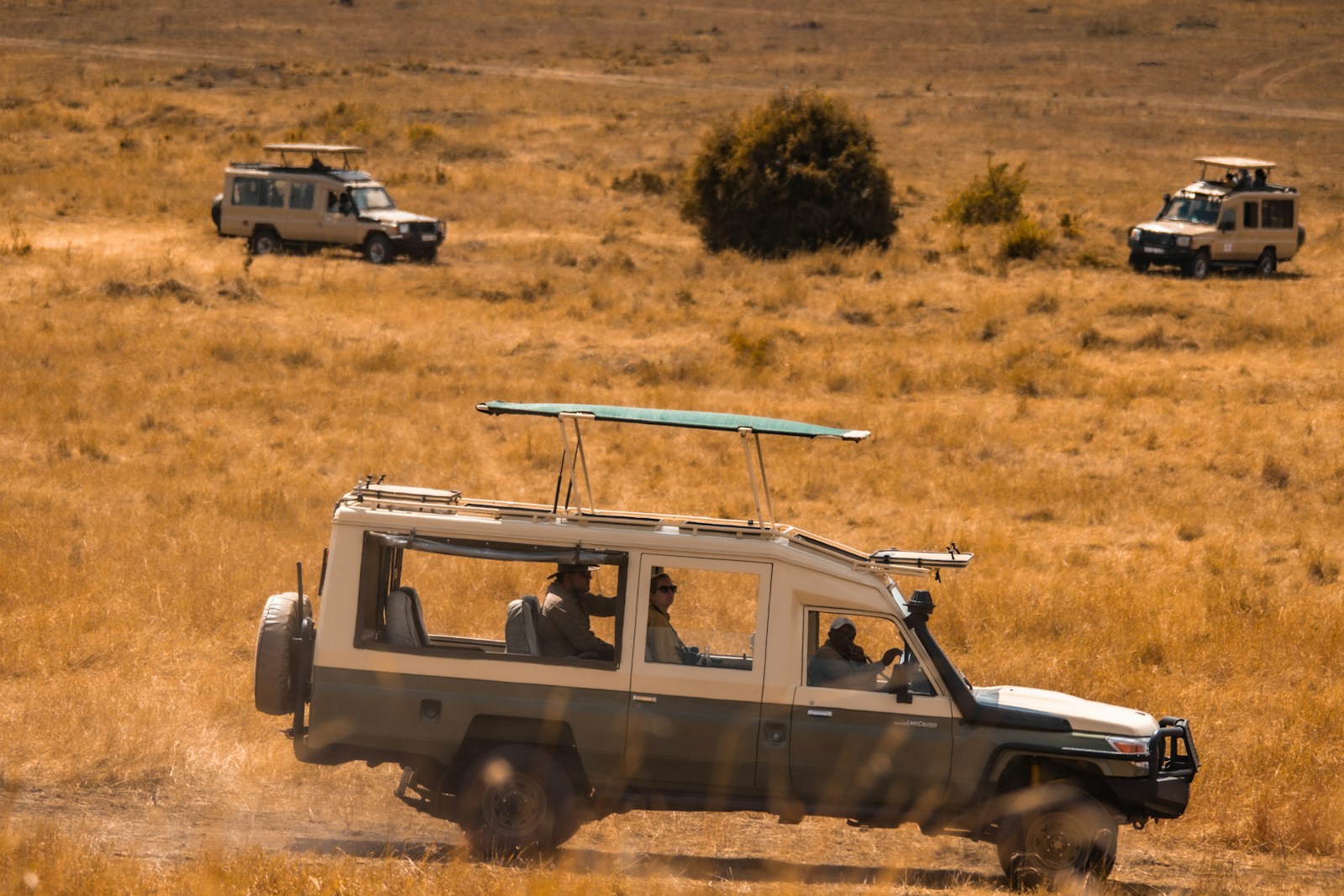
The vehicle is reserved for your party. This gives you more space for cameras, binoculars, day bags, and personal belongings. Every traveler receives convenient access to a window and the vehicle’s pop-up roof.
Your itinerary can focus on particular interests, including:
Private travelers can select accommodation according to location, comfort, facilities, and budget. Staying inside or close to a national park can reduce driving time and provide better access to early game drives.
Families traveling with children benefit from flexible meal times, private transfers, personalized breaks, and the ability to adjust game drives according to the children’s comfort.
Tanzania offers several safari circuits. Your ideal route depends on the number of available days, the season, your arrival point, and the wildlife experiences you want.
Tarangire is famous for its ancient baobab trees, beautiful landscapes, and large elephant populations. During the dry season, animals gather around the Tarangire River, creating excellent opportunities to observe elephants, giraffes, zebras, wildebeest, buffaloes, and predators.
Tarangire is approximately a two-hour drive from Arusha, making it suitable for the first or final day of a northern Tanzania safari.
The Serengeti is one of Africa’s most celebrated wildlife destinations. It supports lions, leopards, cheetahs, elephants, buffaloes, giraffes, hyenas, and vast herds of plains animals.
The park is divided into several wildlife areas:
A private itinerary makes it possible to visit the Serengeti region offering the best seasonal wildlife experience.
The Ngorongoro Crater contains a remarkable concentration of wildlife within a relatively compact area. Visitors may encounter lions, elephants, buffaloes, zebras, wildebeest, hippos, hyenas, and the endangered black rhinoceros.
Most itineraries include an early descent into the crater followed by several hours of game viewing. The crater works particularly well when combined with Serengeti, Tarangire, and Lake Manyara.
Lake Manyara is known for its groundwater forest, birdlife, baboons, elephants, giraffes, and scenic views along the Great Rift Valley.
It is a compact park that can be included at the beginning or end of an itinerary. Wildlife conditions can vary seasonally, so it is helpful to discuss whether Lake Manyara is the best choice for your travel period.
Located close to Arusha, this park is suitable for a short safari, walking experience, or first day after arrival. Its attractions include Mount Meru, giraffes, buffaloes, colobus monkeys, flamingos, and the Momella Lakes.
Lake Eyasi offers a cultural experience that can be added to a northern Tanzania safari. Travelers can learn about the traditions and daily lives of local communities, including the Hadzabe and Datoga.
The visit should be arranged respectfully through experienced local guides.
Lake Natron is a remote destination known for dramatic scenery, volcanic landscapes, flamingos, waterfalls, and views of Ol Doinyo Lengai. Because the roads can be long and challenging, it is best included in an itinerary with enough time.
Nyerere is one of the leading destinations in southern Tanzania. Its river systems, woodland, lakes, and relatively remote environment offer a different experience from the northern circuit.
Depending on the season and selected program, activities can include vehicle safaris and boat excursions.
Ruaha is ideal for travelers looking for a remote and less-crowded safari. It is known for elephants, lions, wild dogs, antelopes, baobab landscapes, and excellent predator activity.
Ruaha and Nyerere are normally reached by scheduled domestic flights or longer road transfers.
A three-day safari is suitable for travelers with limited time.
Your guide collects you from your Arusha hotel and drives to Tarangire National Park. After registration, you begin a game drive through landscapes filled with baobab trees and wildlife. Enjoy lunch inside the park before continuing toward your accommodation.
Leave early and travel to the Ngorongoro Conservation Area. Descend into the crater for an extensive game drive. Visit different habitats, including grassland, woodland, wetlands, and the hippo pool.
Explore Lake Manyara National Park before returning to Arusha. Depending on your flight schedule, an airport transfer can be arranged.
A four-day itinerary can cover Tarangire, Serengeti, and Ngorongoro.
Depart Arusha after breakfast and drive to Tarangire for a full-day game drive. Continue to Karatu or the Ngorongoro area for dinner and overnight.
Drive through the Ngorongoro Conservation Area toward Serengeti. Enjoy wildlife viewing along the route and continue with an afternoon game drive in Central Serengeti.
Begin with an early Serengeti game drive when predators are often active. After lunch, travel toward the Ngorongoro Conservation Area and spend the night near the crater.
Descend into the crater in the morning for game viewing. After lunch, drive back to Arusha or continue to the airport.
A five-day itinerary offers a more relaxed experience.
Enjoy a full-day Tarangire game drive and overnight near the park or in Karatu.
Travel through the highlands and Ngorongoro Conservation Area before entering Serengeti.
Spend the entire day exploring Central Serengeti. Your guide selects productive wildlife areas based on recent sightings and seasonal conditions.
Enjoy another morning game drive before proceeding to the Ngorongoro area.
Descend into the crater early, explore its diverse habitats, and return to Arusha during the afternoon.
A six-day tour provides more time in the Serengeti.
The second Serengeti day can be used for an extended game drive, photography, or a seasonal visit to another part of the ecosystem.
A seven-day itinerary is recommended for travelers hoping to explore the Great Migration regions.
Because the migration moves according to rainfall and grazing conditions, no particular wildlife event can be guaranteed. Nevertheless, an experienced local safari company can recommend a suitable route using seasonal patterns and current information.
A safari and beach holiday is one of the most popular Tanzania combinations.
A suggested program is:
Domestic flights can reduce long road transfers and make the combination more comfortable.
Tanzania offers wildlife safaris throughout the year, but each season provides a different experience.
The dry season generally provides reliable wildlife viewing. Vegetation becomes thinner, and animals often gather near permanent water sources. These months are popular, so early booking is strongly recommended.
Northern Serengeti may host migration herds and river-crossing activity during this period. The precise timing changes every year and depends on natural conditions.
The southern Serengeti and Ndutu region usually become important migration areas. The calving season commonly occurs between January and March, with February often considered a particularly productive period.
These months typically receive heavier rainfall. Some roads can become challenging, but the scenery is green, visitor numbers are lower, and certain lodges may offer seasonal rates.
Short rains can refresh the landscape. These months may provide good wildlife viewing with fewer visitors than the peak season.
The price depends on several factors:
A private safari can become better value per person when the vehicle cost is shared between several travelers. Couples and solo travelers generally pay more per person than families or small private groups.
Request an itemized quotation that clearly explains the accommodation, park fees, transportation, meals, flights, and activities included.
Budget camping is suitable for adventurous travelers who want to remain close to nature. Packages may include tents, mattresses, sleeping bags, meals prepared by a safari chef, and shared campsite facilities.
Mid-range lodges and tented camps provide private rooms or permanent safari tents, comfortable beds, private bathrooms, restaurants, and convenient locations.
Luxury properties may provide spacious suites, premium service, swimming pools, refined dining, outstanding locations, private terraces, and additional personalized experiences.
The best option is not always the most expensive one. Location, travel time, service standards, and access to wildlife areas should all be considered.
A well-designed package normally includes:
Possible exclusions include:
Always read the inclusions and exclusions before confirming your booking.
A typical private safari uses a customized 4x4 Toyota Land Cruiser with:
Your guide is responsible for driving, interpreting wildlife behavior, explaining the ecosystem, managing the daily schedule, and coordinating with the accommodations.
Guides speaking French, Spanish, Italian, or German may be available for private safaris when requested in advance.
Three or four days can provide a valuable safari experience, but five to seven days allow more time in Serengeti and reduce the feeling of rushing.
Tell your safari consultant whether your main interest is the Great Migration, predators, elephants, birds, photography, culture, scenery, or family activities.
Be clear about whether you prefer camping, budget lodges, mid-range properties, or luxury camps.
Tanzania safari travelers commonly arrive through Kilimanjaro International Airport, Arusha Airport, Zanzibar, Dar es Salaam, or Nairobi.
Tanzania’s safari areas are extensive. A realistic itinerary must balance wildlife viewing with road transfers. Domestic flights can be added when road travel would take too much time.
Review deposit requirements, cancellation deadlines, refund conditions, and policies covering domestic flights and accommodation reservations.
Pack light, practical clothing suitable for changing temperatures.
Recommended items include:
Avoid bringing unnecessary large suitcases, particularly when domestic flights are included, because small aircraft usually have stricter luggage restrictions.
Kilipath African Safaris creates personalized private itineraries based on your dates, budget, interests, and preferred accommodation level.
Travelers can receive assistance with:
From your initial inquiry until the end of your trip, the team remains available to coordinate the details and help make your Tanzania journey comfortable and memorable
Planning a budget Ngorongoro Crater safari holiday from Arusha? Compare a crater day trip, a two-day Tarangire and Ngorongoro safari, or a…
Read articleA Lake Manyara safari can cost USD 150–220 per person for a shared day trip from Arusha. A published example of a…
Read articleExplore Ruaha National Park’s baobab country on a guided safari built around your dates, group size and budget. Spend your game drives…
Read articleA Nyerere Tanzania wildlife safari can take you from a woodland game drive in the morning to a boat on the Rufiji…
Read article

