Skip to content
A budget Tanzania safari tour experience gives travelers the chance to explore wildlife destinations while keeping spending manageable. By choosing suitable accommodation, sharing transport, and following a practical itinerary, you can enjoy a rewarding safari without booking luxury lodges.
The key is understanding what your money covers. A good budget safari should provide a clear itinerary, suitable transport, meals as agreed, and enough time to enjoy the parks. Comparing these details helps you choose a trip that offers value throughout your journey.
This guide explains how budget safaris work, what to expect, and how to plan an affordable Tanzania wildlife adventure.
What Is a Budget Tanzania Safari?
A budget safari is a wildlife tour designed around economical accommodation and efficient travel arrangements. It may involve public campsites, simple lodges, or a combination of both.
Shared safaris are one way to reduce costs. Travelers join others in the same vehicle and follow an agreed route, sharing some of the transport and guide expenses.
Private budget safaris are another option. These provide a dedicated vehicle and guide while using affordable accommodation. For families or friends traveling together, splitting the vehicle cost can make a private trip worth comparing with shared departures.
Your final price depends on the number of travelers, trip length, destinations, accommodation, and included services.
How Shared Safaris Help Reduce Costs
On a shared safari, you travel with other guests who have booked the same departure. The group follows a set itinerary with coordinated game drives, meals, and overnight stops.
This format suits solo travelers, couples, and small groups who are comfortable meeting other visitors and following a common schedule.
Before booking, ask the operator:
- How many passengers will travel in the vehicle?
- Is a window seat guaranteed?
- Is the departure confirmed for your date?
- Which accommodation is included?
- Where does pickup take place?
- Are all listed park activities covered by the price?
The answers matter as much as the headline price. A slightly cheaper offer may include fewer services or less time for wildlife viewing.
Destinations to Consider
Your route has a major effect on both cost and the pace of the trip. Start with the wildlife experiences you most want, then choose a realistic combination of destinations.
Tarangire National Park
Tarangire is known for its elephant herds and baobab landscapes. It can add a distinctive wildlife and scenery experience to a northern Tanzania itinerary.
For budget planning, compare a shorter itinerary featuring Tarangire with a longer route that also includes Serengeti. This helps you understand how additional travel days affect the total quote.
Serengeti National Park
Serengeti offers accommodation ranging from campsites to lodges, allowing travelers to consider different comfort levels. Camping is one option when planning a more economical stay.
When comparing Serengeti packages, check the actual time allocated to game drives. A day described as “Serengeti” may include a substantial journey into or out of the park.
Ask which area you will visit, where you will sleep, and whether the itinerary includes a full day of wildlife viewing.
Ngorongoro Crater
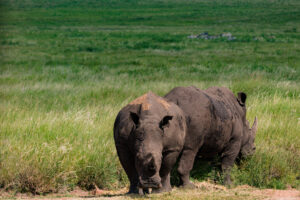
Ngorongoro Crater supports a variety of wildlife, including buffalo, hippopotamuses, elephants, and black rhinos. Individual sightings remain unpredictable.
Check that your package explicitly includes a crater descent. Traveling through the Ngorongoro Conservation Area and taking a game drive on the crater floor are different itinerary activities.
What to Expect on a Camping Safari
Camping brings a simpler style of accommodation and a closer connection to the surroundings. Comfort depends on the equipment supplied and the facilities available at each campsite.
Before confirming your booking, request details about:
- Tent size and sleeping arrangements.
- Mattresses, sleeping bags, and pillows.
- Shared toilets and showers.
- Charging facilities.
- Meal preparation and dietary requirements.
- Whether you need to bring any personal camping equipment.
Public camping generally involves shared facilities. Travelers who prefer a private bathroom should ask for a lodge or tented accommodation alternative and compare the additional cost.
A clear description prevents confusion between a camping tent and a furnished tented room.
How Much Does a Budget Safari Cost?
There is no single price that applies to every budget Tanzania safari tour experience. Two trips with the same number of days can have different costs because they include different parks, accommodation, transport, or transfers.
Ask for a quote based on your travel dates, number of guests, and preferred itinerary. The quote should explain both the total amount and any per-person charges.
Park fees are a separate part of safari costing, and current tariffs should be checked when preparing a quote. TANAPA publishes fee information for Tanzania’s national parks.
When comparing offers, use the total cost of completing the trip. Include any accommodation, transfers, flights, or meals you must arrange separately.
What Should Your Quote Include?
A detailed quote makes it easier to budget accurately. Ask the operator to confirm whether the following items are included:
| Item | What to check |
|---|---|
| Safari transport | Vehicle type, passenger limit, and seating |
| Guide | Guiding language and services provided |
| Park activities | Entry fees and each listed activity |
| Accommodation | Property or campsite names and room arrangements |
| Meals | Included meals and dietary options |
| Drinking water | Availability during travel and game drives |
| Camping equipment | Exactly what is supplied |
| Transfers | Pickup and drop-off locations |
| Taxes and charges | Whether they are included in the total |
Flights, tips, optional excursions, personal purchases, and accommodation before or after the safari may require separate payment. Confirm these items in writing.
Sample Four-Day Budget Safari Itinerary
The following is an illustrative route. Accommodation, driving times, and game-drive schedules should be confirmed with your operator.
Day 1: Arusha to Tarangire
Leave Arusha and travel to Tarangire for a game drive. After the park visit, continue to your planned accommodation for dinner and an overnight stay.
Day 2: Travel to Serengeti
Travel toward Serengeti through the Ngorongoro Conservation Area. Depending on arrival time and the agreed schedule, enjoy a game drive before heading to your overnight accommodation.
This is also a transfer day, so allow for time on the road.
Day 3: Serengeti Game Drive and Onward Transfer
Enjoy a morning game drive before traveling toward the Ngorongoro area for your overnight stay.
If more time in Serengeti is your priority, request a longer itinerary with an additional night and compare the price.
Day 4: Ngorongoro Crater and Return
Descend into the crater for the planned game drive, then return toward Arusha.
Discuss onward travel before booking a flight that evening. The safari finish time and the journey to your departure airport both need to fit your schedule.
Practical Ways to Keep Costs Manageable
Choose a Route With Clear Priorities
Decide which destinations matter most to you. Adding parks increases the number of fees, journeys, and overnight arrangements that must fit your budget.
Compare Shared and Private Options
A shared departure may suit a solo traveler or couple. A larger party should also request a private quote, since the vehicle cost can be divided among more guests.
Match Accommodation to Your Needs
Camping may work well if you are comfortable with shared facilities. Simple lodge accommodation may offer better value for someone who needs a private bathroom or prefers a bed.
Ask About Different Travel Dates
If your dates are flexible, request quotes for more than one period. Compare the total saving with the accommodation and itinerary available.
Plan Optional Activities Separately
Decide which extras you truly want before paying a deposit. Keeping optional activities separate makes it easier to protect your main safari budget.
What to Pack
Pack practical clothing and a compact bag that fits the operator’s luggage guidance.
Useful items include comfortable clothes, closed shoes, a warm layer, sun protection, insect repellent, personal toiletries, a torch, and a power bank.
For camping, confirm what bedding is supplied before packing bulky equipment. If you have larger luggage, arrange storage with your operator in advance.
Planning Your Budget Tanzania Safari Tour Experience
Start with your travel dates, number of travelers, preferred parks, and total budget. Then compare detailed itineraries that explain accommodation, wildlife-viewing time, inclusions, and extra costs.
A well-planned budget safari gives you a clear picture of the journey before you arrive. With realistic expectations and carefully chosen arrangements, you can enjoy Tanzania’s wildlife while keeping your spending under control.