Lake Manyara vs. Nyerere Safari Prices | Tanzania Guide
A Lake Manyara safari can cost USD 150–220 per person for a shared day trip from Arusha. A published example of a…
Read articleArusha City - Tanzania
Safari & Travel Tips
August 7, 2026 · 15 min read
Photography Nyerere National Park safari tours offer travelers an opportunity to experience one of Tanzania’s largest and most fascinating wilderness areas through the lens of a camera. With expansive landscapes, the Rufiji River, diverse wildlife, rich birdlife, and comparatively uncrowded safari routes, Nyerere National Park is an excellent destination for travelers who want more than a conventional wildlife safari.
Located in southern Tanzania, Nyerere National Park forms an important part of Tanzania’s Southern Safari Circuit. Its enormous wilderness, river systems, woodlands, lakes, open grasslands, and wildlife habitats provide photographers with constantly changing subjects and backgrounds.
Unlike destinations where game-drive vehicles sometimes gather around major wildlife sightings, much of Nyerere offers a quieter safari atmosphere. This can give photographers more time to observe animal behavior, compose photographs carefully, and enjoy the landscape.
At Kilipath African Safaris, photography-focused journeys to Nyerere can be planned around the traveler's available time, preferred accommodation level, wildlife interests, and wider Tanzania itinerary.
A successful wildlife photography safari requires much more than finding animals. Light, scenery, vehicle positioning, time at sightings, landscape variety, and the overall pace of the safari can influence the photographic experience.
Nyerere National Park brings many of these elements together.
The park's natural character is defined strongly by the Rufiji River and its surrounding channels, lakes, woodland, grassland, and floodplain environments. This diversity allows photographers to create images that show wildlife as part of a much larger African wilderness.
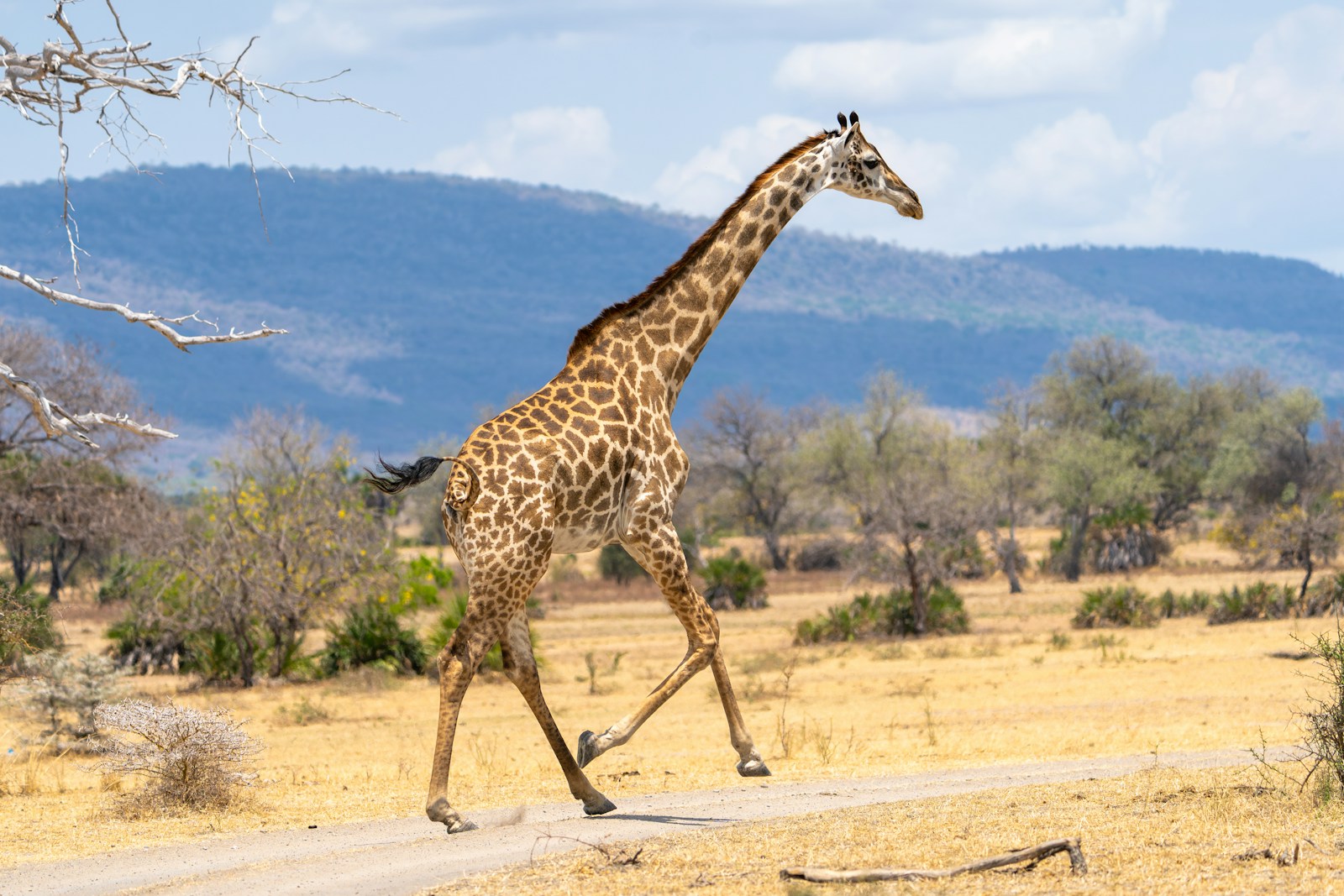
Instead of returning home with only close-up wildlife photographs, travelers can capture a broader visual story: elephants moving through woodland, giraffes crossing open landscapes, hippos in waterways, crocodiles resting along riverbanks, birds above the water, and dramatic African skies stretching over the horizon.
This combination makes a Nyerere photography safari suitable for both experienced photographers and travelers who simply enjoy taking beautiful photographs during their holidays.
Nyerere National Park is located in southern Tanzania and forms part of the country's famous Southern Circuit safari region.
It was established from part of the former Selous Game Reserve and covers an immense wilderness area. The park was named in honor of Julius Nyerere, Tanzania's first president.
Its location makes Nyerere particularly attractive for travelers combining a mainland safari with other southern Tanzanian destinations or a beach holiday in Zanzibar.
Depending on the itinerary, travelers may reach the park by road or domestic flight.
Flying is especially convenient for visitors with limited vacation time because it reduces long road transfers and allows more time for wildlife viewing.
The Rufiji River is one of Nyerere National Park's defining natural features.
For photographers, it creates completely different opportunities from those normally experienced on open-plains safaris.
Wildlife gathers around the river and nearby water sources, particularly as conditions become drier. Photographers can potentially capture animals drinking, birds fishing, hippos resting in the water, crocodiles along the banks, and beautiful reflections during favorable light.
The river also provides opportunities for wider environmental photographs in which water, vegetation, sky, and wildlife can all appear within a single composition.
One of the most distinctive experiences associated with a safari in the Nyerere area is exploring the waterways by boat where permitted and offered.
A boat safari changes your photographic perspective completely.
Instead of photographing wildlife primarily from a safari vehicle, you can observe the environment from water level. Depending on conditions and wildlife movements, subjects may include hippos, crocodiles, waterbirds, elephants near the river, and other animals approaching the water.
The scenery can become particularly attractive during late-afternoon light.
Photographers should always follow their guide's instructions and avoid movements that could disturb wildlife or compromise safety.
One reason photographers are attracted to Tanzania's Southern Circuit is the sense of space.
Nyerere can provide a quieter experience than some of Tanzania's most heavily visited safari areas. While no wildlife sighting or level of exclusivity can ever be guaranteed, lower vehicle concentrations in many areas can make photography more enjoyable.
Fewer vehicles may provide additional flexibility for positioning the safari vehicle and waiting patiently for interesting animal behavior.
For serious photographers, patience is often more important than the number of animals seen.
Nyerere supports an impressive diversity of African wildlife.
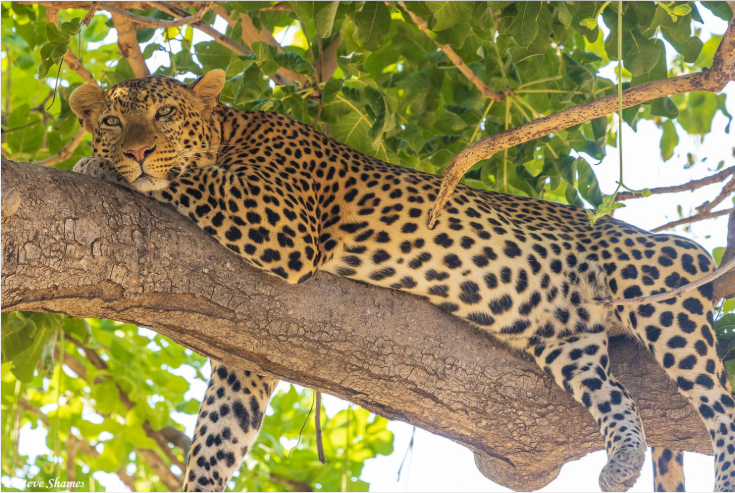
Depending on the season, location, luck, and natural animal movements, safari travelers may encounter elephants, lions, giraffes, buffaloes, zebras, wildebeest, hippos, crocodiles, antelopes, monkeys, and numerous other species.
The park is also known for African wild dogs, although sightings should never be considered guaranteed.
Wildlife photography is unpredictable by nature. This uncertainty is part of what makes every safari different.
Rather than chasing a checklist, photography travelers often achieve better results by spending more time observing the animals they encounter.
Elephants can provide some of the most memorable photography opportunities in Nyerere.
The landscape allows photographers to capture everything from portraits to environmental compositions showing elephants surrounded by woodland, water, or open country.
Family groups can be especially interesting because their interactions create opportunities to photograph natural behavior.
A patient approach is important. Instead of focusing only on close photographs, consider capturing wider images that communicate the scale of the landscape.
Lions remain one of the most desired subjects on almost every African safari.
Early morning and late afternoon generally provide attractive light for wildlife photography and are also periods when predators may be more active than during the heat of midday.
A photography-focused guide can help position the vehicle responsibly while respecting the animals and other safari visitors.
Because lions may spend considerable periods resting, patience can reward photographers with more interesting moments such as movement, interaction, stretching, or changes in expression.
African wild dogs are among Africa's most fascinating predators and are one of the wildlife species associated with the wider Nyerere ecosystem.
They can be highly rewarding photographic subjects because of their social behavior and energetic movements.
However, wild dogs range over large territories. Their presence at a particular location cannot be predicted with certainty.
When encountered, photographers should be prepared to work quickly because the animals may move considerable distances.
The waterways of Nyerere create opportunities to photograph both hippos and crocodiles.
Hippos may be observed in groups in the water, while crocodiles can sometimes be seen resting along banks or partially submerged.
A longer lens can help create close-looking photographs while maintaining a safe and responsible distance.
These animals should always be photographed under the direction of professional guides.
Nyerere is not only about large mammals.
The park's combination of rivers, lakes, woodland, grassland, and wetlands creates excellent habitats for many bird species.
Bird photography can become an important part of a Nyerere safari even for travelers who initially arrive mainly interested in mammals.
Possible subjects include kingfishers, fish eagles, herons, storks, bee-eaters, hornbills, egrets, raptors, and many other species.
The Rufiji River environment is particularly rewarding for photographers interested in waterbirds.
A telephoto lens is valuable because birds are generally much smaller and often farther away than large mammals.
Some travelers arrive in Tanzania thinking primarily about lions, elephants, and giraffes. However, landscape photographs often become some of the most memorable images from a safari.
Nyerere provides opportunities to photograph:
Including landscape photography in your safari collection creates a more complete visual story of the destination.
There is no single perfect month for every photographer.
The best period depends on what you want to photograph and the atmosphere you prefer.
The generally drier months are popular for wildlife safaris.
As water becomes less widely available across the landscape, animals may concentrate around dependable water sources, which can improve wildlife-viewing opportunities.
Vegetation can also become less dense in some areas, making animals easier to observe and photograph.
July, August, September, and October are therefore popular months for travelers whose main priority is wildlife photography.
Because these months overlap with Tanzania's popular safari season, booking accommodation and flights early is advisable.
The greener months can produce beautiful landscapes.
Fresh vegetation, dramatic skies, seasonal bird activity, and changing light conditions can create excellent photographic opportunities.
For photographers who enjoy environmental images and colorful landscapes rather than focusing exclusively on large mammals, this period can be highly rewarding.
Weather conditions vary from year to year, so exact wildlife distribution cannot be predicted.
Early morning is one of the most valuable periods of the safari day.
The light is generally softer than during midday, temperatures are cooler, and wildlife activity may be higher.
Photographers can work with warm light, longer shadows, misty conditions when present, and more atmospheric backgrounds.
Morning game drives are particularly useful for photographers interested in predators and behavioral photography.
Being ready before the vehicle departs can make a significant difference.
Prepare batteries, memory cards, lenses, and camera settings the evening before.
The period shortly after sunrise and before sunset is commonly known as golden hour.
The warmer and softer light can create attractive colors and more dimensional photographs.
In Nyerere, golden-hour photography can work particularly well around open landscapes and waterways.
Rather than photographing only animals, look for opportunities involving silhouettes, reflections, dust, trees, clouds, and animals incorporated into the wider landscape.
You do not need professional equipment to enjoy photography Nyerere National Park safari tours.
Modern cameras and smartphones can produce excellent travel photographs, particularly in good light.
However, travelers who are serious about wildlife photography may benefit from bringing:
Camera body: DSLR or mirrorless cameras are both suitable.
Telephoto lens: Useful for wildlife and birds that cannot safely or responsibly be approached closely.
Medium-range zoom: Helpful when animals are nearer to the safari vehicle.
Wide-angle lens: Excellent for landscapes, camps, rivers, and environmental photography.
Extra batteries: Safari days can be long and charging opportunities may vary.
Memory cards: Bring more storage than you expect to need.
Lens-cleaning equipment: Dust is a normal part of safari travel.
Camera bag: Choose something protective but easy to access inside the safari vehicle.
A second camera body can also be useful for serious photographers because it reduces the need to change lenses in dusty environments.
There is no single perfect safari lens.
A flexible telephoto zoom is often one of the most practical choices because wildlife distances can change quickly.
A combination covering approximately medium to long telephoto ranges gives photographers flexibility for mammals, birds, and distant subjects.
Wide-angle or standard lenses remain useful for landscapes, people, camps, vehicles, and environmental photographs.
The best equipment is ultimately equipment you understand and can operate quickly.
A technically perfect camera is less useful if important moments are missed while adjusting complicated settings.
A safari vehicle acts as your mobile photography platform during game drives.
For a photography-focused safari, vehicle positioning can be extremely important.
Communicate with your guide about the direction of the light, the subject you are photographing, and the type of image you hope to capture.
Sometimes moving only a short distance changes the background completely.
Patience also matters.
If an animal is relaxed and conditions allow, spending extra time at one sighting can produce better photographs than continuously driving in search of something new.
Travelers serious about photography often ask whether they should choose a private or shared safari.
A private safari generally provides the greatest flexibility.
You can discuss photography priorities with your guide, spend longer at suitable sightings, adjust the day's pace where park regulations and logistics permit, and position yourself more freely inside the vehicle.
Private safaris are especially suitable for:
A Lake Manyara safari can cost USD 150–220 per person for a shared day trip from Arusha. A published example of a…
Read articleA Nyerere Tanzania wildlife safari can take you from a woodland game drive in the morning to a boat on the Rufiji…
Read articlePlanning a Tanzania safari that combines Lake Manyara National Park and Nyerere National Park is an excellent way to experience the country's…
Read articleDiscover Tanzania’s untamed wilderness without exceeding your travel budget. A budget Ruaha safari adventure offers incredible wildlife encounters, spectacular landscapes, authentic African…
Read article