Planning a Ngorongoro Crater safari starts with a few practical decisions: when to travel, where to stay, how much time to allow, and whether to choose a shared or private tour. A well-organized itinerary gives you time to enjoy the wildlife while keeping transfers and accommodation within your budget.
Kilipath African Safaris helps travelers arrange Ngorongoro visits as short trips from Arusha or as part of a longer Northern Tanzania safari. These frequently asked questions explain what to consider before booking.
1. Where is Ngorongoro Crater?
Ngorongoro Crater is in northern Tanzania, within the Ngorongoro Conservation Area. Most road safaris approach through Karatu after departing from Arusha.
The crater is a popular stop on itineraries that also include Tarangire, Lake Manyara, and Serengeti. Its location makes it convenient to visit before or after Serengeti, depending on your route and accommodation.
When comparing itineraries, check where you will sleep before your crater visit. This affects your morning departure and the time spent driving.
2. Why choose a Ngorongoro Crater safari?
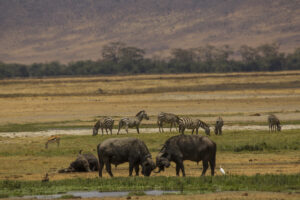
The crater offers a striking setting for wildlife viewing, with grasslands, wetlands, woodland, and a lake surrounded by steep volcanic walls.
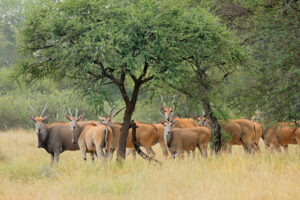
The Ngorongoro Conservation Area Authority identifies elephants, lions, leopards, buffaloes, and rhinos among the area’s wildlife. However, seeing every member of the Big Five during one visit is never guaranteed.
For travelers with limited time, the crater provides an opportunity to explore several habitats during one game drive. It also adds a different landscape to a safari that includes the open plains of Serengeti.
3. When is the best time to visit?
Ngorongoro offers wildlife viewing throughout the year. The conservation authority’s visitor information describes crater game viewing as good in every season.
Choose your dates according to your overall holiday priorities. Consider your budget, preferred accommodation, other parks on your itinerary, and whether you are adding Zanzibar or a Kilimanjaro trek.
Weather conditions can vary, so pack for both cool mornings and warmer daytime temperatures. If you have flexible dates, ask for accommodation options across more than one travel period before deciding.
4. How many days should I allow?
For most first-time visitors, one crater game-drive day fits well into a broader safari. Allow additional days for travel and other parks rather than trying to fit everything into one rushed excursion.
A two-day safari can combine Tarangire and Ngorongoro. A longer trip can add Serengeti and give you more time across different wildlife habitats.
If photography or a slower pace is your priority, discuss this before booking. Your consultant can build a route with suitable overnight stops and fewer demanding transfers.
5. Can I visit from Arusha in one day?
A day trip can be arranged, but it involves an early departure and considerable road travel. Ask for the expected pickup time, driving time, and return time before confirming.
An overnight stay closer to Ngorongoro can make the journey more comfortable, especially for families or travelers arriving after a long flight.
A two-day Tarangire and Ngorongoro itinerary is another option. It spreads the travel across two days and includes a second wildlife destination.
6. Should I book a shared or private safari?
A shared safari suits travelers who want to divide vehicle and guide costs with other guests. It follows an agreed itinerary, so departure times and accommodation choices are less flexible.
A private safari provides a dedicated vehicle and guide for your party. It allows more flexibility when arranging your route, breaks, accommodation, and travel pace, within conservation-area rules.
Kilipath African Safaris offers shared trips with a maximum of seven guests per safari vehicle and guaranteed window seats. Private trips can be tailored for couples, families, friends, and photographers.
7. How much does a Ngorongoro safari cost?
The total depends on the number of travelers, trip length, accommodation, transport, and whether you choose a shared or private vehicle.
Ask for a quote that clearly includes the crater visit. Conservation-area admission and crater vehicle charges are different components, so an accommodation or transport price alone does not show the complete safari cost.
Your quotation should identify applicable fees, meals, guiding, overnight stays, and transfers. Request a current price for your dates rather than relying on an older advertised rate.
8. Where should I stay?
Common choices include accommodation in Karatu, lodges within the conservation area, and camping.
Karatu offers a practical base for travelers comparing different comfort levels and budgets. For accommodation inside the conservation area, check the exact location: an address within Ngorongoro does not automatically mean a room overlooking the crater.
The conservation authority lists lodges, tented camps, and public campsites among the available accommodation types.
Before booking, confirm the room category, bathroom facilities, meal plan, and journey to the crater descent route.
9. What is Simba Campsite like?
Simba is a public campsite in the Ngorongoro Conservation Area, identified in the authority’s accommodation information.
On a Kilipath budget camping safari, accommodation is in tents, with mattresses, sleeping bags, and pillows provided. Toilets and showers are shared rather than private ensuite facilities.
Bring a warm layer for the evening and early morning. Travelers who prefer a private bathroom should request a lodge or suitable tented-camp upgrade before confirming their booking.
10. What does a typical crater day involve?
Your day usually begins with an early departure from your accommodation, followed by the drive to the descent route and a guided game drive on the crater floor.
The guide looks for wildlife while explaining the animals and habitats you encounter. Lunch is arranged according to your package and the day’s schedule.
After the game drive, you ascend and continue to your next accommodation or return toward Arusha. The exact timing depends on your overnight location, access arrangements, and onward journey.
11. Which itinerary can include Ngorongoro?
These sample routes provide a starting point for planning:
| Duration | Suggested route | Suitable for |
|---|---|---|
| 2 days | Tarangire → Ngorongoro | A short wildlife trip |
| 3 days | Serengeti → Ngorongoro | Travelers prioritizing these two destinations |
| 4 days | Tarangire → Serengeti → Ngorongoro | A broader Northern Circuit introduction |
| 5–7 days | A customized combination of northern destinations | Travelers wanting additional time and flexibility |
Confirm the daily driving distances and overnight locations before choosing. Two trips with the same number of days can offer very different amounts of game-viewing time.
12. What should I pack?
Pack comfortable clothing, a warm jacket or fleece, closed shoes, sun protection, and a small day bag. A rain jacket is useful when conditions change.
Bring your camera, spare batteries, and binoculars if you prefer using your own. Keep essential personal items and medication accessible during transfers.
For camping, add a headlamp and toiletries suitable for shared facilities. Ask your consultant which equipment is supplied so you can avoid carrying unnecessary items.
13. Is Ngorongoro suitable for children?
Families can include Ngorongoro in their safari, but the itinerary should reflect the children’s ages and comfort with long vehicle journeys.
A private safari gives your family more flexibility to arrange breaks and choose suitable accommodation. Share children’s ages when requesting a quotation, together with any room-sharing or meal requirements.
Before booking, check room arrangements, seatbelt availability, and the expected length of each travel day. A comfortable pace helps everyone enjoy the experience.
14. What should my package include?
Check that your written quotation covers:
- Safari vehicle and driver-guide.
- Applicable conservation-area and crater charges.
- Accommodation and its category.
- Meals and drinking water.
- Game drives described in the itinerary.
- Agreed pickup and drop-off arrangements.
Also check exclusions such as tips, personal purchases, flights, additional transfers, and optional activities. Share dietary requirements and allergies before arrival so arrangements can be made.
15. How do I book with Kilipath African Safaris?
Send your preferred dates, number of travelers, children’s ages if applicable, accommodation preference, and approximate budget. Include your arrival and departure details if you already have flights.
Kilipath African Safaris can then prepare a suitable route and quotation. Before paying, review the itinerary, accommodation, inclusions, payment schedule, and cancellation terms.
Ready to plan your Ngorongoro Crater safari? Contact Kilipath African Safaris with your travel dates and preferences to request a personalized quotation.