Lake Manyara vs. Nyerere Safari Prices | Tanzania Guide
A Lake Manyara safari can cost USD 150–220 per person for a shared day trip from Arusha. A published example of a…
Read articleArusha City - Tanzania
Safari & Travel Tips
August 11, 2026 · 3 min read
Photography Nyerere National Park safari planning involves much more than choosing a camera and booking a game drive. Travelers must consider the best season, wildlife movements, available safari activities, lighting conditions, accommodation location, camera equipment, transportation, and the number of days required inside the park.
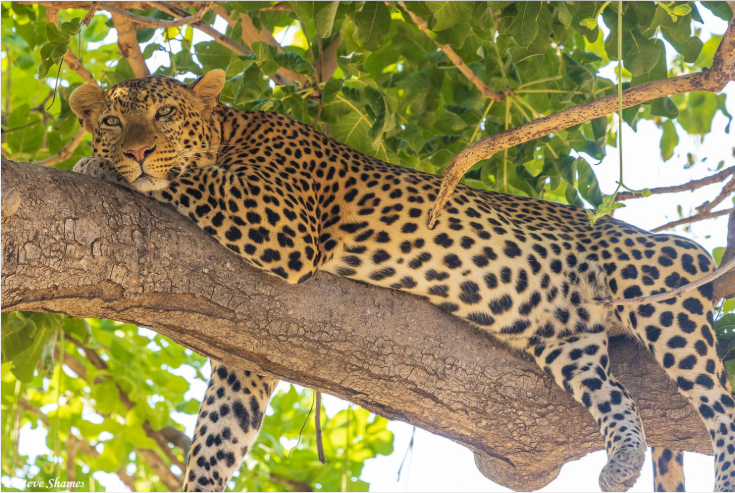
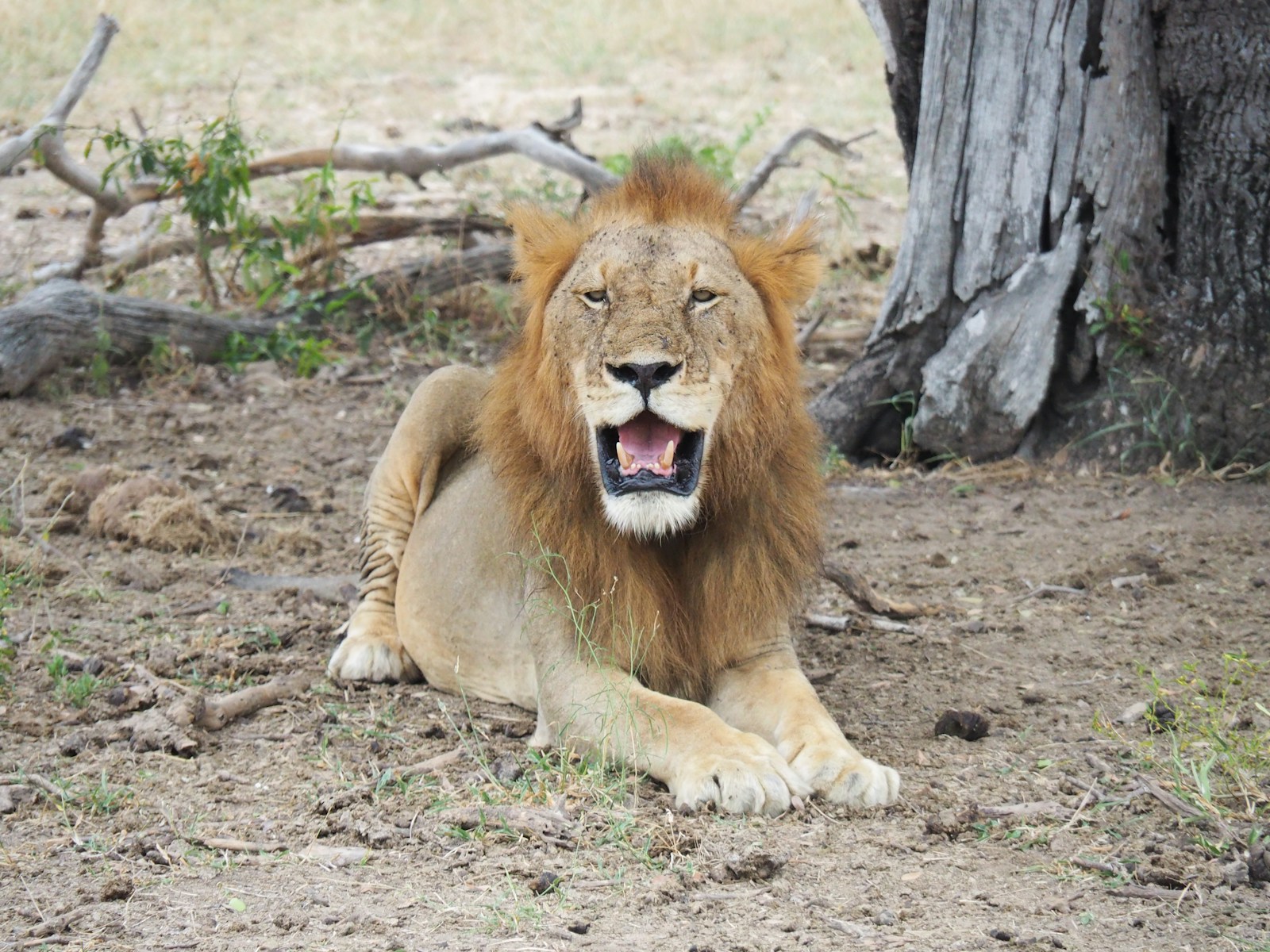
Nyerere National Park is one of Tanzania’s most impressive destinations for wildlife and landscape photography. Its enormous wilderness, diverse habitats, Rufiji River, lakes, woodlands, and open grasslands offer photographers many different subjects and backgrounds. Visitors may photograph elephants, lions, giraffes, buffaloes, hippos, crocodiles, zebras, antelopes, African wild dogs, and hundreds of bird species.
One of the greatest advantages of planning a photography safari in Nyerere is the variety of activities available. Travelers are not limited to photographing wildlife from a safari vehicle. They can also join boat safaris on the Rufiji River and, where permitted and properly arranged, guided walking safaris. A boat safari provides excellent opportunities to photograph hippos, crocodiles, waterbirds, elephants near the riverbanks, and colorful African sunsets reflected on the water.
The dry season, generally from June to October, is usually excellent for wildlife photography because animals gather around rivers, lakes, and other permanent water sources. Vegetation is thinner during this period, making many animals easier to see and photograph. However, the green season also offers beautiful scenery, dramatic skies, fewer visitors, newborn animals, and excellent opportunities for bird photography.
Early mornings and late afternoons normally provide the most attractive natural light. The softer golden light can improve wildlife portraits, landscapes, and action photographs. Animals are also generally more active during the cooler hours of the day. For this reason, a well-planned photography safari should include early departures and enough time to remain in promising wildlife locations.
Camera equipment is another important part of the planning process. A telephoto lens is useful for photographing distant or dangerous animals, while a medium-range zoom lens works well for animals close to the vehicle. A wide-angle lens can be used for landscapes, sunsets, safari vehicles, camps, and environmental wildlife photographs. Travelers should also bring spare batteries, memory cards, lens-cleaning materials, protective camera bags, and backup storage.
A private safari vehicle is usually the best choice for serious photographers. It gives travelers more control over departure times, vehicle positioning, photography stops, and the amount of time spent with each animal. An experienced guide can also help position the vehicle according to the available light while respecting the animals and park regulations.
Spending at least three or four days in Nyerere is recommended for a rewarding photography experience. A longer stay provides more time to explore different habitats, wait for interesting wildlife behavior, enjoy boat and vehicle safaris, and photograph changing weather and lighting conditions.
Ready to plan your Nyerere photography safari? Kilipath African Safaris can arrange a customized itinerary with a private 4×4 safari vehicle, an experienced guide, boat-safari activities, comfortable accommodation and flexible game drives designed around your photography interests. Contact us today to begin planning your journey.
A Lake Manyara safari can cost USD 150–220 per person for a shared day trip from Arusha. A published example of a…
Read articleA Nyerere Tanzania wildlife safari can take you from a woodland game drive in the morning to a boat on the Rufiji…
Read articlePlanning a Tanzania safari that combines Lake Manyara National Park and Nyerere National Park is an excellent way to experience the country's…
Read articleDiscover Tanzania’s untamed wilderness without exceeding your travel budget. A budget Ruaha safari adventure offers incredible wildlife encounters, spectacular landscapes, authentic African…
Read article