Skip to content

Tanzania wildlife safari Ruaha tours take you into a landscape of ancient baobab trees, sandy riverbeds, rocky hills, and open woodland. For travelers who want to spend time watching wildlife and exploring Tanzania’s southern safari circuit, Ruaha offers an absorbing wilderness experience.
A well-planned visit gives you time to appreciate more than individual animal sightings. You can watch elephants move between feeding areas, follow your guide’s interpretation of tracks, and discover how river systems shape life throughout the park. This guide explains what to expect, how to organize your journey, and which details to check before booking.
Discover Ruaha National Park
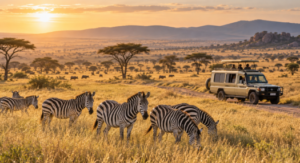
Ruaha lies in south-central Tanzania, west of Iringa. Its scenery includes baobab-studded savanna, miombo woodland, rocky outcrops, and river habitats. These varied environments make the park rewarding for travelers interested in both wildlife and landscapes. Ruaha National Park
The appeal of a Ruaha safari is the opportunity to spend several days exploring these different habitats. Instead of rushing between destinations, you can return to productive areas, wait patiently at sightings, and let your guide adapt the day to what is happening in the bush.
For a first visit, consider a stay of three or four nights. This suggested length allows several game drives and gives you more flexibility if wildlife movements or weather change your plans.
Wildlife You May See in Ruaha
Ruaha supports elephants, buffalo, lions, leopards, giraffes, and a variety of antelope. Greater and lesser kudu are particularly interesting species to look for. Hippos and crocodiles also occur in suitable river habitats. Every sighting depends on animal movements, conditions, and time spent exploring. TANAPA
Elephants: Watching a family group interact can become a highlight of the trip. Allow time to observe their behavior rather than treating the sighting as a quick photograph.
Lions and other predators: Your guide will interpret tracks, listen for alarm calls, and assess promising habitats. Patience matters, especially when animals rest in shade or remain partly hidden.
Antelope and smaller wildlife: Ask your guide about unfamiliar species. Their behavior, adaptations, and relationships with the landscape add depth to the safari.
Birdlife: Bring binoculars even if you are primarily interested in mammals. Birdwatching turns quieter moments between larger animal sightings into worthwhile discoveries.
When to Plan Tanzania Wildlife Safari Ruaha Tours
The dry season is especially attractive for wildlife viewing because animals gather around the Great Ruaha River and other remaining water sources. This can help guides identify productive areas to explore. tanzaniaparks.go.tz
June to October is a useful starting window when discussing travel dates; TANAPA identifies these as peak booking months. Book accommodation early if your dates are fixed. Ruaha National Park
A greener-season visit can offer a different atmosphere, but planning needs more attention. Rain can affect roads and access, so confirm camp opening dates and the practical itinerary before committing.
Choose your dates according to your priorities: wildlife viewing, photography, available accommodation, and the amount of flexibility you have.
Suggested Four-Day Ruaha Safari Itinerary
This sample itinerary assumes arrival near Ruaha on Day 1. Travel from your international arrival point may require additional time.
| Day | Suggested activities | Overnight |
|---|---|---|
| 1 | Arrival, transfer, lunch, and afternoon game drive if timing permits | Selected Ruaha camp or lodge |
| 2 | Morning and afternoon game drives, with a midday break | Same accommodation |
| 3 | Extended wildlife exploration or an optional authorized guided walk | Same accommodation |
| 4 | Morning activity if departure timing allows, followed by transfer | Onward destination |
Day 1: Arrive and Settle Into the Wilderness
Meet your guide at the agreed pickup point and transfer to your accommodation. After check-in and lunch, begin your first game drive if arrival time allows.
Use this first afternoon to become familiar with the landscape. Tell your guide which animals interest you most and whether you prefer photography, birdwatching, or general wildlife viewing.
Day 2: Explore Different Wildlife Habitats
Start with a morning game drive, then return for lunch and a rest before heading out again.
Keeping the day flexible allows your guide to respond to sightings. If you find an interesting elephant group or resting predators, spending longer with them may be more rewarding than covering additional distance.
Day 3: Enjoy a Fuller Safari Day
Choose an extended drive with a packed lunch or two separate outings, depending on your accommodation arrangements and preferences.
An optional walking safari can add another perspective through tracks, plants, and smaller details. Walks require advance arrangements through authorized operators and are subject to availability and applicable restrictions. Ruaha National Park
Day 4: Final Wildlife Viewing and Departure
If your departure schedule permits, enjoy a final morning activity before breakfast and transfer.
Confirm the timetable beforehand. The final day should allow enough time for the journey to your airstrip or onward destination.
How to Reach Ruaha
Road access via Iringa: This option suits travelers incorporating Ruaha into a longer overland journey. TANAPA gives an approximate dry-season journey of two to three-and-a-half hours from Iringa, with conditions affecting travel time.
Fly-in access: Flights can use Msembe or Jongomero airstrips, followed by an arranged transfer. Confirm the operating route, dates, baggage allowance, and airstrip that serves your accommodation. Ruaha National Park
When comparing options, consider the complete journey. A cheaper transfer may use more holiday time, while a flight may allow additional time in the park.
Choosing Your Accommodation
Accommodation should match your comfort expectations and preferred safari style.
| Option | Suitable for | Details to confirm |
|---|---|---|
| Camping | Travelers comfortable with a simpler stay | Bedding, bathrooms, meals, and equipment |
| Park bandas or basic accommodation | Visitors prioritizing practical lodging | Room facilities and activity arrangements |
| Tented camp | Travelers wanting comfort close to nature | Private bathroom, electricity, and drive inclusions |
| Higher-comfort lodge or camp | Guests prioritizing service and facilities | Room category, transfers, and private vehicle costs |
Ruaha accommodation options include campsites, park bandas, and tented camps or lodges. Ask for the exact property name before accepting a quotation. Ruaha National Park
Location also matters. Ask how the camp’s position affects your daily game drives and arrival transfer.
What Determines the Cost?
Tanzania wildlife safari Ruaha tours should be quoted according to your actual travel arrangements. The main cost factors include:
- Number of travelers and nights.
- Accommodation category and room arrangements.
- Private or shared game-drive vehicle.
- Road transfers or domestic flights.
- Park charges and applicable accommodation fees.
- Optional activities and special arrangements.
Compare quotations using the same inclusions. Request a clear breakdown of accommodation, meals, activities, transfers, and exclusions. A headline price alone does not show the full cost of the holiday.
What to Pack
Bring lightweight clothing, a warmer layer for early outings, comfortable closed shoes, a hat, sunscreen, insect repellent, and binoculars.
For photography, pack spare batteries, memory cards, and protection against dust. Confirm charging facilities with your accommodation. If flying, check the airline’s baggage requirements before choosing your suitcase.
Plan Your Ruaha Safari With Kilipath African Safaris
Contact Kilipath African Safaris to discuss Tanzania wildlife safari Ruaha tours based on your dates, group size, and preferred accommodation.
Share your arrival location, number of travelers, desired safari length, and approximate budget. Include any dietary requirements, children’s ages, or special interests so the proposed itinerary addresses the details that matter to you