

Budget Ngorongoro Crater Safari Holiday
Planning a budget Ngorongoro Crater safari holiday from Arusha? Compare a crater day trip, a two-day Tarangire and Ngorongoro safari, or a…
Read articleArusha City - Tanzania
Safari & Travel Tips
August 11, 2026 · 22 min read
A private Tanzania safari tour offers one of the most comfortable, flexible, and rewarding ways to discover Africa’s wildlife. Instead of following a fixed group schedule, you travel in a dedicated safari vehicle with your own professional guide. This gives you greater control over your itinerary, accommodation, daily game-drive schedule, and overall travel experience.
Tanzania is home to some of Africa’s most celebrated wildlife destinations, including Serengeti National Park, the Ngorongoro Crater, Tarangire National Park, Lake Manyara National Park, Nyerere National Park, Ruaha National Park, and the beautiful Ndutu region. Travelers can witness lions hunting on the plains, elephants walking beneath ancient baobab trees, wildebeest herds crossing rivers, and newborn calves gathering across the southern Serengeti.
Whether you are planning a honeymoon, family holiday, photography expedition, luxury vacation, or first African adventure, a private safari can be designed around your interests. This private Tanzania safari tour travel guide explains how private safaris work, where to go, when to travel, what they cost, and how to choose the right itinerary.
The main advantage of a private safari is freedom. You are not required to share the vehicle with travelers you do not know, and your daily schedule can be adjusted according to your preferences.
If you want to begin your game drive early in the morning, spend extra time photographing a leopard, return to your lodge for lunch, or enjoy a full-day drive with a picnic in the park, your guide can organize the day accordingly.
A private Tanzania safari is particularly suitable for:
Private travel does not necessarily mean that every part of the trip must be expensive. Tanzania offers budget camping, standard lodges, mid-range tented camps, luxury properties, and exclusive safari lodges. Your tour can therefore be tailored to your preferred comfort level and budget.
Inclusions depend on the itinerary and operator, but a well-organized private safari commonly includes:
Safari vehicles usually have a pop-up roof, allowing travelers to stand safely while viewing animals and taking photographs. They may also include charging sockets, a radio communication system, seat belts, a cooler or refrigerator, binoculars, and a first-aid kit.
Items that are often excluded include international flights, travel insurance, visas, personal purchases, alcoholic drinks, optional activities, and gratuities for guides or camp staff. Always read your quotation carefully so you understand exactly what is included.
Tanzania offers several distinct safari regions. The best combination depends on your travel dates, available time, wildlife interests, and arrival airport.
Serengeti National Park is the most famous safari destination in Tanzania. Its name is associated with open grasslands, large predator populations, and the annual Great Migration.
The Serengeti is divided into several wildlife areas:
Central Serengeti, also known as the Seronera region, offers dependable wildlife viewing throughout the year. Its river valleys and plains support lions, leopards, cheetahs, elephants, giraffes, buffaloes, hippos, and numerous antelope species.
Northern Serengeti is especially popular from July through October, when migrating herds may attempt to cross the Mara River. Because reaching the north requires additional travel time, a private itinerary is normally recommended.
Western Serengeti becomes important during parts of the migration season, particularly when herds move through the Grumeti area. The exact timing changes because rainfall influences the animals’ movement.
A private Serengeti safari allows you to spend more time at important sightings. If you are interested in predators or photography, consider staying at least two or three nights in the park.
The Ngorongoro Crater is one of Tanzania’s most remarkable wildlife destinations. This enormous volcanic caldera contains grasslands, wetlands, woodland, and a seasonal lake within its walls.
Wildlife commonly seen inside the crater includes:
The crater is one of the better places in Tanzania to search for the endangered black rhinoceros, although sightings can never be guaranteed.
Most visitors descend into the crater early in the morning and spend approximately half a day exploring the floor. The number of hours allowed inside may be controlled by local regulations and permit arrangements.
Staying near the crater rim offers convenient access but is often more expensive. Accommodation in Karatu provides more choices and may offer better value, although it requires additional driving to reach the entrance.
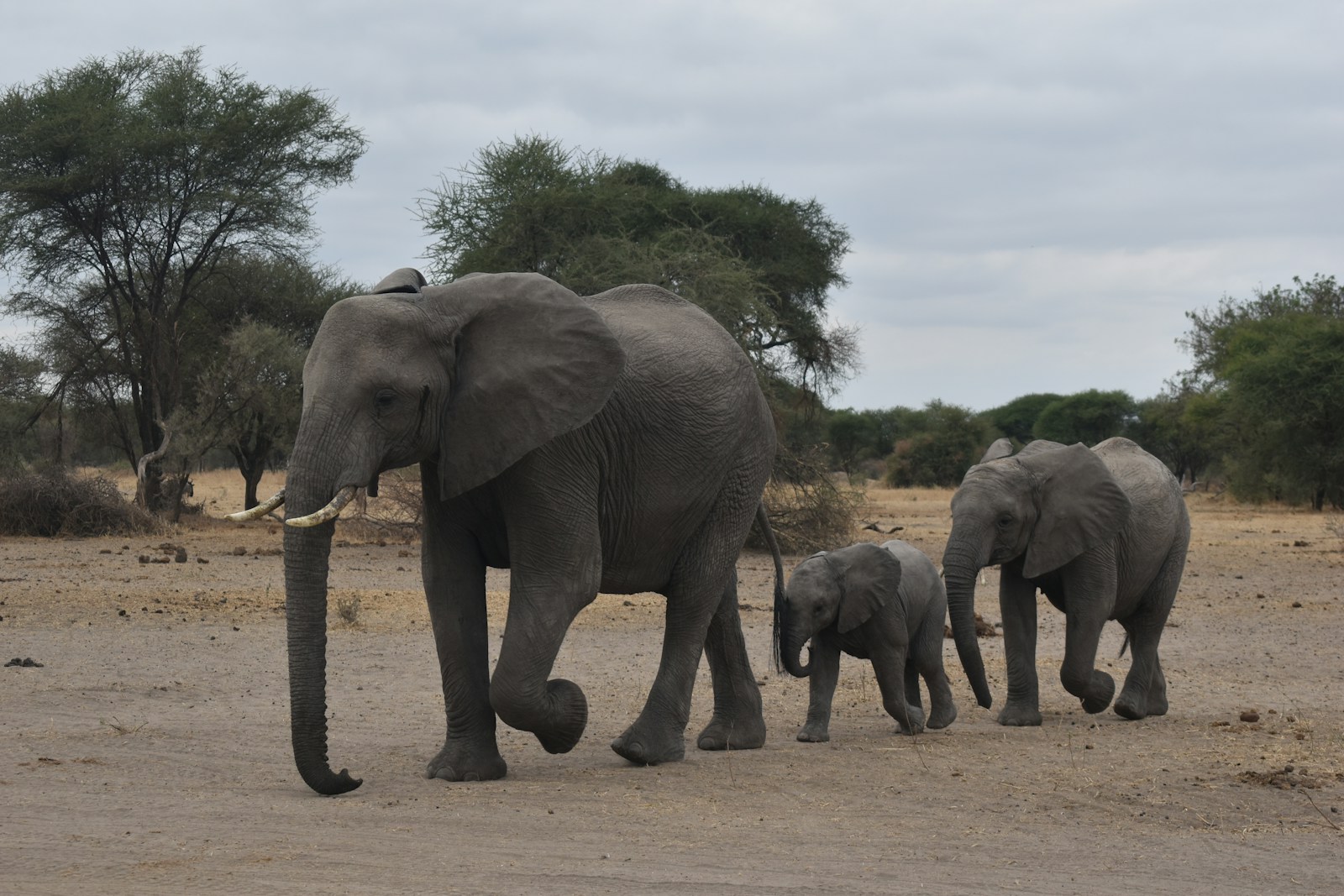
Tarangire National Park is famous for its elephant populations, ancient baobab trees, and seasonal concentration of wildlife around the Tarangire River.
During the dry season, animals move toward permanent water sources, creating excellent viewing opportunities. Visitors may see large groups of elephants, giraffes, zebras, wildebeest, buffaloes, lions, leopards, and many bird species.
Tarangire has a different atmosphere from the Serengeti. Its baobab-filled landscape and river valleys give the park a distinctive character. It is often included as the first destination on a Northern Circuit safari because it is accessible from Arusha.
A full day is suitable for most visitors, but wildlife enthusiasts can stay for two nights to explore less-visited parts of the park.
Lake Manyara National Park is a compact reserve located beneath the Great Rift Valley escarpment. It contains groundwater forest, open plains, wetlands, and lakeshore habitat.
The park is known for:
Lake Manyara is sometimes associated with tree-climbing lions, but sightings are unpredictable. Water levels and wildlife distribution change by season, so expectations should remain realistic.
Manyara works well as a half-day or full-day addition to a longer Northern Circuit itinerary. Travelers with limited time may choose Tarangire instead, depending on the season and their wildlife priorities.
The Ndutu region lies within the broader southern Serengeti ecosystem. It becomes especially important between approximately December and April, when migrating wildebeest and zebras gather on the nutrient-rich plains.
The calving season generally peaks around January and February. Thousands of young wildebeest may be born during this period, attracting lions, cheetahs, hyenas, jackals, and other predators.
A private safari is normally necessary for Ndutu because the migration’s location changes and the area does not fit most fixed shared routes. A private vehicle gives your guide more freedom to follow recent wildlife information and adjust the day’s route.
Travelers should understand that the migration is a natural event. Rainfall, grazing conditions, and water availability determine where animals move, so exact sightings cannot be guaranteed.
Northern Serengeti is one of the most exciting places to visit during the dry-season migration. Between roughly July and October, wildebeest herds may gather near the Mara River.
River crossings are dramatic but unpredictable. Travelers may wait for hours or even days without witnessing a crossing. The animals may approach the river and then move away. They cross only when natural conditions and herd behavior encourage them.
For a meaningful Northern Serengeti experience, plan at least two or three nights in the region. A single rushed day provides little time to search for the herds.
Private itineraries may travel overland from Central Serengeti, use a scheduled flight, or combine driving and flying. Flying can reduce long transfers and create more time for wildlife viewing, although it increases the overall cost.
Nyerere National Park, formerly part of the Selous Game Reserve, is an excellent option for travelers interested in Tanzania’s Southern Circuit.
The Rufiji River supports hippos, crocodiles, elephants, and rich birdlife. Depending on local conditions and regulations, visitors may combine conventional game drives with boat safaris and walking experiences.
Nyerere is quieter than many northern parks, making it attractive to honeymooners and returning safari travelers. It is often accessed by a short domestic flight from Dar es Salaam or Zanzibar.
A Nyerere safari can also be combined with Ruaha National Park for a longer and more remote southern Tanzania adventure.
Ruaha is one of Tanzania’s largest and wildest national parks. It is known for elephants, lions, leopards, wild dogs, antelopes, and a rugged landscape shaped by the Great Ruaha River.
The park receives fewer visitors than the Serengeti, creating a remote and uncrowded atmosphere. It is ideal for experienced safari travelers, photographers, and visitors who value wilderness.
Because Ruaha is far from the Northern Circuit, it is usually reached by scheduled or charter flight. Accommodation choices range from adventurous camps to high-end lodges.
Arusha National Park is located close to Arusha and Kilimanjaro International Airport. It contains Mount Meru, forest, crater scenery, and the Momella Lakes.
It is not normally considered a Big Five destination, but it offers beautiful landscapes, giraffes, zebras, buffaloes, monkeys, flamingos, and other birdlife. Walking safaris and canoeing may be available depending on current conditions.
Arusha National Park is suitable for an arrival-day activity, a short pre-safari excursion, or travelers who want a gentle introduction before visiting larger parks.
Tanzania is a year-round safari destination, but the ideal travel period depends on what you hope to experience.
The dry season is popular because vegetation becomes thinner and animals gather near rivers and waterholes. Roads are generally easier to navigate, and wildlife can be more visible.
This period is suitable for:
July, August, and September are among the busiest months. Lodges and tented camps can fill early, so advance booking is recommended.
Short rains may begin around November, although timing varies. The landscape becomes greener, migrant birds arrive, and visitor numbers may be lower than during peak season.
Rainfall is often intermittent rather than continuous. Game drives usually continue, but road conditions can change.
January and February are excellent for visiting Ndutu and the southern Serengeti. Large wildebeest herds gather on the short-grass plains, and many calves are born.
Predator activity can be intense because vulnerable young animals attract lions, cheetahs, hyenas, and jackals. This is a popular season for wildlife photography.
April and May typically receive heavier rainfall. Some remote camps may close, and certain roads can become muddy. However, the landscape is beautiful, birdlife is abundant, and prices may be lower.
Rain should not automatically discourage travelers. Showers can be followed by clear conditions, although flexibility is important.
The Great Migration is a continuous movement of wildebeest, zebras, and gazelles through the Serengeti–Mara ecosystem. It is not a single event that occurs in one fixed place.
A simplified annual pattern is:
This calendar is only a guide. Rainfall can cause the herds to arrive earlier, remain longer, or change direction. No ethical operator should guarantee a river crossing, hunt, or specific animal sighting.
A knowledgeable guide uses recent reports, weather conditions, animal tracks, and communication with other guides to improve your chances of finding wildlife.
The right duration depends on the destinations you want to visit.
A three-day itinerary is appropriate for travelers with limited time. Possible combinations include:
A three-day Serengeti itinerary involves considerable driving unless flights are used.
A popular four-day route is:
This itinerary introduces three major destinations but can feel fast-paced. Travelers who prioritize Serengeti should consider adding another night.
Five days provide a more balanced experience. One possible route is:
Lake Manyara can be included, but adding too many parks may reduce the time available in Serengeti.
Six days allow visitors to travel at a more comfortable pace:
A seven-to-ten-day tour is recommended for visitors who want deeper exploration. It can include Central Serengeti, Northern Serengeti, Ndutu, Lake Eyasi, Lake Natron, or cultural experiences.
Longer safaris reduce rushing and give travelers more opportunities to observe animal behavior rather than simply checking destinations off a list.
You are welcomed at Kilimanjaro International Airport or Arusha Airport and transferred to your hotel. Your safari consultant or guide may provide a briefing and review the itinerary.
After breakfast, travel to Tarangire for your first game drive. Explore baobab woodland and the river ecosystem while looking for elephants, giraffes, zebras, lions, and antelopes.
Enjoy a picnic lunch inside the park before continuing the afternoon game drive. Later, transfer to your lodge or tented camp.
Travel through the Ngorongoro Conservation Area toward Serengeti National Park. The journey offers changing scenery, from highlands to open plains.
After entering Serengeti, enjoy an afternoon game drive on the way to your accommodation.
Begin early when temperatures are cooler and predators may still be active. Your guide selects the most promising game-drive areas according to current wildlife information.
You may carry a picnic lunch for a full day in the park or return to camp for a hot meal and short rest.
A second full day provides time to explore another section of the park. It also improves your chances of seeing leopards, cheetahs, lions, and other animals exhibiting natural behavior.
An optional hot-air balloon safari can be arranged in advance. Balloon experiences normally begin before sunrise and are subject to weather conditions and availability.
Enjoy a morning game drive before traveling toward Ngorongoro. Depending on your accommodation, stay near the crater rim or in the Karatu highlands.
An optional visit to a Maasai community or Olduvai Gorge may be possible, subject to timing and additional fees.
Descend into the crater early for a final game drive. Search for lions, elephants, buffaloes, hyenas, hippos, zebras, and black rhinoceroses.
After lunch, ascend from the crater and return to Arusha for your hotel, airport transfer, or onward journey to Zanzibar.
Your accommodation has a significant influence on the safari’s comfort and price.
Budget camping is the most adventurous choice. Guests sleep in tents at public campsites, and a safari chef prepares meals.
Camping packages may provide:
Facilities are basic, and hot water is not always guaranteed. Camping is best for flexible travelers who prioritize wildlife and experience over luxury.
Standard lodges provide permanent rooms, private bathrooms, proper beds, restaurants, and electricity. They offer more comfort than camping while remaining reasonably priced.
Some lodges are outside park boundaries, which can reduce accommodation costs but increase morning driving time.
Mid-range tented camps combine the atmosphere of camping with lodge-like comfort. Rooms are usually built from heavy canvas and contain proper beds, private bathrooms, and furnished verandas.
Guests can hear the sounds of nature at night while sleeping in a safe and comfortable environment. Camp staff escort visitors after dark where necessary.
Luxury accommodation may include:
Luxury properties are particularly popular for honeymoons, anniversaries, and travelers seeking a relaxing holiday.
Mobile camps are positioned seasonally to provide access to the Great Migration. They offer comfortable tented accommodation in remote areas and may relocate during the year.
Although called mobile camps, they can be very comfortable and may include en-suite bathrooms, dining tents, solar power, and professional hospitality.
Private safari prices vary considerably. The final amount depends on:
The vehicle and guide have fixed operating costs, so the price per person usually decreases when more travelers share one private vehicle. A private safari for four or six guests may offer much better per-person value than a private tour for one traveler.
As a broad planning estimate, private safaris may range from several hundred dollars per person per day for economical camping to more than USD 1,000 per person per day for exclusive luxury travel. These are not fixed prices, and accurate quotations should be prepared according to the actual itinerary.
When comparing proposals, check whether the quote includes:
A cheaper proposal may exclude important expenses that you will later need to pay separately.
Private safaris are especially convenient for families because parents control the pace of the trip. Children may need more frequent rest stops, shorter game drives, earlier dinners, or accommodation with family rooms and swimming pools.
A family itinerary should avoid excessive daily driving. Two nights in the same camp can make the journey more relaxing and reduce repeated packing.
Families should consider:
Parents should bring familiar snacks, sun protection, hats, comfortable clothing, and quiet activities for long drives.
Tanzania combines naturally with Zanzibar, making it an excellent honeymoon destination. Couples can enjoy wildlife viewing followed by several nights on the beach.
A honeymoon safari may include:
Couples should mention their honeymoon when requesting a quotation. Some properties offer special experiences or complimentary touches, subject to availability.
Wildlife photographers benefit greatly from private vehicles. The guide can position the vehicle according to light direction, background, animal movement, and photography requirements.
A photography-focused tour may include:
Animal behavior remains unpredictable, so patience is essential. A good guide will make every reasonable effort to find wildlife, but no animal or action can be guaranteed.
Bring protective camera covers, spare memory cards, batteries, cleaning equipment, and a backup storage solution. Dust can be significant during the dry season.
A private safari normally uses a customized 4×4 Land Cruiser with a pop-up roof. The roof allows guests to stand while the vehicle is stationary and observe wildlife from an elevated position.
Because the vehicle is private, your group can select seating arrangements more freely. The number of travelers should still be considered. Fewer passengers usually mean more room for photography equipment and personal bags.
Large hard-sided suitcases can be inconvenient inside safari vehicles. Soft duffel bags are generally recommended, especially when domestic flights are included because small aircraft impose luggage limits.
Safari lodges and camps can usually accommodate common dietary preferences when informed in advance. These may include:
Travelers with serious allergies should provide detailed information before arrival and repeat it to the guide and accommodation staff. In remote areas, ingredient availability may be limited, so advance communication is essential.
Picnic lunches may contain sandwiches, fruit, cooked dishes, snacks, juice, and water. Some operators and lodges provide hot lunches, depending on the itinerary and facilities.
A private itinerary can include additional experiences according to location, time, and budget.
Balloon safaris are available in selected Serengeti areas and sometimes other parks. Guests are collected before sunrise, receive a safety briefing, and fly for approximately one hour depending on conditions.
The experience must normally be booked in advance and is subject to weather and operational approval.
A respectful cultural visit can provide insight into Maasai traditions and present-day life. Ask what the fee supports and whether the experience is organized with meaningful local participation.
Walking safaris are offered in selected parks and private areas. Guests are accompanied by an authorized armed ranger or qualified guide.
Age restrictions and park rules may apply.
Boat safaris are most commonly associated with Nyerere National Park and some other water-based destinations. They provide a different perspective on hippos, crocodiles, birds, and river scenery.
Night drives may be available in designated areas, concessions, or selected parks. They offer opportunities to search for nocturnal species but require advance arrangements.
After a dusty safari, many travelers fly to Zanzibar for beaches, Stone Town, cultural tours, spice farms, snorkeling, and diving. Direct or connecting flights may operate from Arusha, Kilimanjaro, Serengeti airstrips, and other safari regions.
Pack light, practical clothing in neutral colors such as beige, brown, khaki, olive, or grey.
Recommended items include:
Early mornings in Ngorongoro and Serengeti can be cold, particularly in open vehicles or highland areas. Dressing in layers allows you to remove clothing as temperatures rise.
Avoid bringing excessive luggage. If you are returning to the same Arusha hotel, you may be able to store non-safari items securely during the tour.
Travelers should consult a qualified medical professional about vaccinations, malaria prevention, and personal health needs before visiting Tanzania.
Comprehensive travel insurance is strongly recommended. It should cover:
Always follow your guide’s safety instructions. Wild animals are unpredictable, even when they appear calm. Do not leave the vehicle without permission, feed wildlife, make excessive noise near animals, or walk around unfenced camps alone after dark.
At tented camps, staff may escort guests between their tents and communal areas at night. This is a normal safety procedure.
A responsible safari respects wildlife, local communities, employees, and the environment.
Travelers can contribute by:
Responsible behavior protects the wilderness and improves the experience for other visitors.
The quality of the operator can influence every stage of your journey. Before booking, evaluate:
Be cautious if a price appears unrealistically low. Tanzania’s park fees, vehicle costs, accommodation, fuel, salaries, and taxes are significant. Extremely low quotations may involve missing services, poor accommodation, rushed itineraries, or unpaid fees.
Ask for the exact names of proposed accommodations. Confirm whether rooms are available or merely suggested. During peak season, a lodge may be replaced if availability changes, but any alternative should be of a similar standard or approved by you.
A typical private safari booking follows these steps:
Before paying, ensure that the company name and payment details match the information provided in your formal booking documents.
More destinations do not always create a better safari. Constant movement can reduce game-viewing time and make the holiday tiring.
Serengeti is enormous. One brief afternoon cannot represent the full experience. Two or more nights are preferable.
The migration is controlled by nature. Even during the correct season, river crossings cannot be scheduled.
A less expensive lodge may be far outside a park, leading to longer transfers and less wildlife time.
Routes that appear short on a map may take several hours because of road conditions, park speed limits, and wildlife stops.
Road delays and extended game drives can affect arrival times. Allow a sensible buffer before departing flights.
A private safari gives you the opportunity to experience Tanzania in a way that reflects your personal travel style. Your journey can be adventurous, romantic, educational, relaxed, luxurious, or focused entirely on wildlife photography.
You are not simply purchasing transportation between national parks. You are creating a complete journey involving the right route, season, guide, accommodation, and pace.
With thoughtful planning, your private tour can include sunrise game drives in Serengeti, elephants beneath Tarangire’s baobabs, a descent into Ngorongoro Crater, migration herds in Ndutu or Northern Serengeti, and a peaceful conclusion on the beaches of Zanzibar.
Kilipath African Safaris can design a private Tanzania safari according to your dates, budget, group size, and preferred accommodation level. Whether you are planning a short wildlife experience or an extended migration journey, the itinerary can be personalized around your priorities.
To receive a customized safari proposal, share:
Once these details are available, we can recommend a practical route, suitable accommodation, and the best available safari option.
Planning a budget Ngorongoro Crater safari holiday from Arusha? Compare a crater day trip, a two-day Tarangire and Ngorongoro safari, or a…
Read articleA Lake Manyara safari can cost USD 150–220 per person for a shared day trip from Arusha. A published example of a…
Read articleExplore Ruaha National Park’s baobab country on a guided safari built around your dates, group size and budget. Spend your game drives…
Read articleA Nyerere Tanzania wildlife safari can take you from a woodland game drive in the morning to a boat on the Rufiji…
Read article

