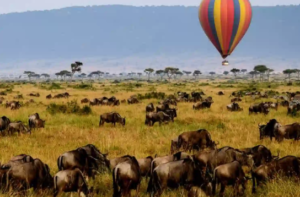
Combining Ngorongoro Crater and Ruaha National Park creates an unusual Tanzania safari package that brings together two very different wildlife experiences. Ngorongoro offers concentrated game viewing within a spectacular volcanic caldera, while Ruaha delivers a much more remote wilderness experience characterized by baobab landscapes, river systems, predators, elephants, and relatively low visitor numbers.
Ngorongoro Crater is renowned for its dense wildlife population, including the Big Five, while Ruaha is Tanzania’s second-largest national park and covers approximately 20,226 square kilometres.
Why Combine Ngorongoro Crater and Ruaha?
Most Tanzania itineraries focus either on the Northern Circuit or the southern parks. A Ngorongoro–Ruaha package is different because it combines highlights from both regions.
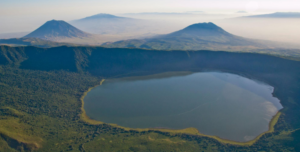
At Ngorongoro Crater, travelers descend into one of the world’s largest intact volcanic calderas. The crater supports more than 25,000 animals and provides opportunities to encounter lions, elephants, buffaloes, rhinos, hippos, hyenas, wildebeest, zebras, gazelles and other species. Geopark
Ruaha National Park, by comparison, feels considerably more remote. TANAPA describes it as a vast wilderness of baobab-studded landscapes, rocky areas, miombo woodland and river systems. Elephants and buffalo can form impressive concentrations around water during the dry season, while predators include lions, leopards, cheetahs and spotted hyenas. Tanzania Parks
This contrast is precisely what makes the combination attractive.
Wildlife in Ngorongoro Crater
Ngorongoro is particularly suitable for travelers who want excellent wildlife viewing within a relatively compact area.
A typical crater safari begins early in the morning with a descent from the crater rim. Once on the crater floor, visitors explore open grasslands, wetlands, woodland and areas around Lake Magadi.
One major attraction is the possibility of encountering the Big Five — lion, leopard, elephant, buffalo and black rhino. The NCAA identifies all five among the wildlife occurring in the crater.
Other frequently sought animals include wildebeest, zebra, hippo, hyena, warthog, eland and various
Exploring Ruaha National Park
After the concentrated wildlife viewing of Ngorongoro, Ruaha provides an entirely different atmosphere.
The Great Ruaha River is one of the park’s defining natural features. During the dry season, water sources become increasingly important to wildlife, creating opportunities to see elephants, buffaloes and predators around river systems and remaining pools
Ruaha is particularly known for:
- Large elephant and buffalo populations
- Lion prides and other predators
- Greater kudu, sable and roan antelope
- African wild dogs
- More than 570 recorded bird species
- Baobab-dominated landscapes
- Remote game-drive circuits
The park’s lower visitor density also makes it attractive to travelers looking for a quieter safari
Activities Included in Ruaha Safari Packages
Game drives are normally the centerpiece of a Ruaha itinerary, particularly early-morning and afternoon drives when temperatures are lower and wildlife activity can increase.
Travelers can also consider guided walking safaris in designated areas. These must be conducted according to park regulations and with authorized guides or rangers. Birdwatching, photographic safaris, remote-circuit exploration and sundowner experiences are among the other activities highlighted by TANAPA.
For photographers, Ruaha can be especially rewarding because of its open landscapes, rocky kopjes, baobabs and opportunities to photograph wildlife against relatively uncluttered wilderness backgrounds.
Sample 7-Day Ngorongoro Crater & Ruaha Safari
A well-planned itinerary should allow enough time in both destinations rather than rushing between them.
Day 1 – Arrival in Arusha
Arrive at Kilimanjaro International Airport and transfer to your accommodation in Arusha. Rest and receive your safari briefing.
Day 2 – Arusha to Ngorongoro
Travel toward the Ngorongoro Conservation Area. Enjoy the changing landscapes of northern Tanzania and overnight near the crater.
Day 3 – Ngorongoro Crater Safari
Descend early into Ngorongoro Crater for an extensive game drive. Search for lions, elephants, buffaloes, rhinos, hippos and plains wildlife before returning to your lodge.
Day 4 – Transfer toward Ruaha
Continue the journey toward Tanzania’s Southern Circuit. Because Ngorongoro and Ruaha are far apart, a flight connection can make the itinerary significantly more comfortable.
Day 5 – Full-Day Ruaha Safari
Explore river systems, baobab country and productive wildlife areas on morning and afternoon game drives.
Day 6 – Ruaha National Park
Enjoy another day of game viewing. Depending on the package and arrangements, travelers may add birding, photography or a guided walking safari.
Day 7 – Departure
Enjoy a final morning experience before departing Ruaha by road or scheduled flight and continuing to Dar es Salaam, Zanzibar or another destination.
Getting to Ruaha
Ruaha’s remote location is part of its appeal, but transportation requires careful planning.
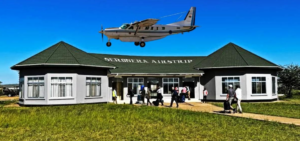
By road, the park is approximately 2–3½ hours from Iringa, depending on conditions. Scheduled and charter flights also operate to airstrips such as Msembe and Jongomero, making flying an attractive option when combining Ruaha with distant northern destinations.
For a combined Ngorongoro and Ruaha safari, flying for part of the journey is generally worth considering because the destinations lie in different safari circuits.
Accommodation Options
Packages can be organized at different comfort levels.
Budget travelers can use simple lodges and campsites, while mid-range packages usually combine comfortable lodges with tented safari camps. Luxury itineraries can feature more exclusive camps, spacious safari tents, private services and carefully selected wilderness locations.
Ngorongoro itself offers accommodation ranging from luxury lodges and tented camps to public and community campsites.
Ruaha similarly provides campsites, bandas and a selection of tented camps and lodges, particularly around areas such as Mwagusi, Mdonya and Jongomero.
Best Time for a Ngorongoro and Ruaha Safari
Both destinations can be visited year-round, but the experience changes according to season.
For Ruaha, the June–October dry season is especially popular because animals increasingly concentrate around dependable water sources. Travelers interested in green landscapes and birdlife may prefer wetter months.
Ngorongoro remains an excellent wildlife destination throughout the year because substantial wildlife populations live within and around the conservation area.
Travelers visiting during peak periods should reserve accommodation well in advance, particularly for Ruaha’s smaller camps. TANAPA specifically recommends early booking for June–October and festive periods.
Who Should Choose This Safari?
A Ngorongoro Crater and Ruaha package is particularly suitable for repeat Africa travelers, photographers, honeymooners and visitors who want more than the traditional Northern Circuit.
Ngorongoro delivers dramatic scenery and concentrated wildlife encounters. Ruaha provides space, wilderness and a more secluded safari atmosphere.
Together, they showcase two very different sides of Tanzania.
Plan Your Ngorongoro Crater & Ruaha Safari
A carefully designed Ngorongoro Crater safari Ruaha package combines famous Big Five territory with one of Tanzania’s great wilderness destinations. Whether you prefer a private safari, honeymoon journey, photographic expedition or luxury fly-in experience, the itinerary can be adjusted according to your travel dates, accommodation preference and budget.
For travelers seeking both iconic Tanzania wildlife and a quieter wilderness experience, Ngorongoro and Ruaha make an exceptional combination.