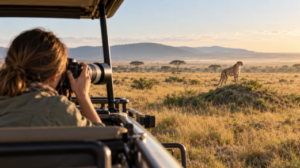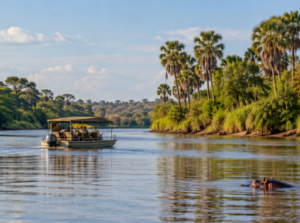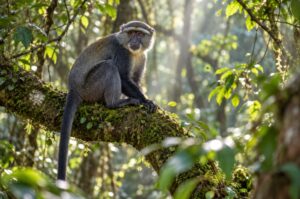
Photography Tanzania wildlife safari tours bring together remarkable animals, varied landscapes, and the patient observation that makes wildlife photography rewarding. From an elephant walking through Tarangire’s woodland to a cheetah scanning the Serengeti plains, every encounter offers a chance to tell a different story.
A successful photography safari needs more than a list of famous parks. Your route, accommodation, vehicle space, and time at each sighting all influence the photographs you bring home. This guide explains how to plan a trip around your interests, whether you use a smartphone, a compact camera, or professional equipment.
What Makes a Photography Safari Different?
A photography safari gives greater attention to light, composition, and animal behaviour. You might spend an hour watching a lion pride instead of moving immediately to another sighting.
The guide also plays an important role. Within permitted routes, they can help position the vehicle for clearer backgrounds and better lighting, then switch off the engine when conditions allow.
Before booking, explain your priorities. Bird photography, predator behaviour, and wide landscape images require different approaches. If you want instruction, ask specifically for a photography tutor; a wildlife guide and a photography instructor provide different services.
Where to Go for Wildlife Photography
Serengeti National Park
The Serengeti suits photographers who enjoy open landscapes, wildlife portraits, and observing animal behaviour over several days. Its broad horizons also encourage photographs that show animals within their surroundings.
Avoid treating it as a quick overnight stop. Several nights in one area give you time to revisit productive locations and work with changing light.
If the migration is your priority, choose your camp around the expected herd location for your dates. Ask your operator to explain the seasonal routing, while remembering that rainfall and wildlife movements can change the plan.
Tarangire National Park
Tarangire is a strong choice for elephant photography and scenes combining wildlife with distinctive trees. During the dry season, the Tarangire River attracts elephants, giraffes, zebras, buffaloes, and other animals seeking water. tanzaniaparks.go.tz
Look beyond close portraits. A wider photograph showing an elephant family crossing a riverbed can reveal relationships and scale that a tightly cropped image misses.
Ngorongoro Crater
Ngorongoro adds a different setting to a northern circuit itinerary. Its crater walls provide a backdrop for wildlife photographs, while changing weather can create atmospheric landscape scenes.
Plan your visit around the permitted crater schedule and practical travel arrangements. Stay ready for unexpected encounters, but avoid building your expectations around seeing one particular species.
Tarangire, Ngorongoro, and Serengeti form an established northern safari circuit, making them a practical combination for a first Tanzania photography trip. site.tanzaniatourism.go.tz
Choosing Your Travel Dates
Start with the photographs you want to create.
Dry conditions can suit travellers seeking more open views and wildlife around water sources. Greener conditions can appeal to photographers interested in fresh vegetation, clouds, and richer landscape colours.
For Tarangire, TANAPA identifies June to October as a dry period. Conditions still vary between years, so use seasonal patterns as planning guidance rather than a promise. tanzaniaparks.go.tz
For a migration-focused trip, confirm the intended Serengeti region before reserving accommodation. A beautiful camp far from your target area may mean long drives and less photography time.
No season guarantees a hunt, river crossing, or rare animal encounter.
Private or Shared Photography Safari?
A private safari usually offers more control over how you spend your time. You can discuss longer stops, preferred subjects, and daily priorities with your guide.
It also provides more room for camera bags and easier access to different sides of the vehicle. This is useful when several travellers carry long lenses.
A shared safari can work well for casual photographers and travellers watching their budget. However, stops and schedules must accommodate everyone.
Before choosing, ask about passenger numbers, window access, equipment storage, and whether the itinerary includes full days in your preferred park. Photographers travelling together should also agree on how much time they want at individual sightings.
Suggested Seven-Day Photography Itinerary
This sample route prioritises time in the field. Final arrangements depend on accommodation, park access, and your arrival and departure details.
| Day | Suggested programme | Photography focus |
|---|---|---|
| 1 | Arrive in Arusha and meet your guide | Equipment preparation and briefing |
| 2 | Travel to Tarangire for a game drive | Elephants and environmental portraits |
| 3 | Travel to Serengeti with stops where practical | Landscapes and introductory sightings |
| 4 | Full day in Serengeti | Behaviour, portraits, and patient observation |
| 5 | Another full day in Serengeti | Revisit productive areas and try new compositions |
| 6 | Leave Serengeti and stay near Ngorongoro | En-route wildlife and highland scenery |
| 7 | Crater game drive, then return to Arusha | Wildlife with crater backgrounds |
For a specialist migration trip, consider allocating more nights to the relevant Serengeti region. Adding distant parks simply to lengthen the destination list can reduce useful photography time.
Camera Equipment to Bring
Choose equipment you know how to operate confidently. Familiar controls matter when an animal suddenly moves or the light changes.
A practical kit may include:
- A camera with reliable autofocus.
- A telephoto zoom for wildlife.
- A wider lens for landscapes and animals in their surroundings.
- Spare batteries and memory cards.
- A beanbag or suitable vehicle support.
- A protective camera bag and rain cover.
- A blower and appropriate lens-cleaning materials.
- A backup drive for copying photographs.
Two camera bodies can reduce lens changes in dusty conditions, but they are optional. Check baggage restrictions before booking any small-aircraft transfer, especially when travelling with heavy equipment.
Practical Photography Tips
Use shutter speed to match movement. Around 1/1000 second can be a useful starting point for moving mammals. Fast birds or running animals may need a faster setting.
Focus carefully. For portraits, aim for the nearest visible eye. Review important images at magnification when there is time.
Watch the background. Small changes in your framing can remove distracting branches or another vehicle.
Vary your compositions. Capture a portrait, a wider environmental image, and details that help tell the story.
Check bright areas. Pale fur and bright skies can lose detail. Review your exposure and adjust as needed.
Be patient. A quiet animal may begin grooming, interacting, or moving. Waiting often creates stronger photographs than repeatedly changing locations.
These are starting points; adjust them for your equipment, available light, and creative goals.
Accommodation and Safari Costs
Camp location can matter more than decorative luxury. Ask how far it is from your intended game-drive areas and whether its meal arrangements support your planned schedule.
Confirm charging access, electricity hours, and secure storage for equipment. Copy photographs regularly and keep a second backup when possible.
Request an itemised quotation showing accommodation, park and conservation fees, vehicle, guide, meals, drinking water, transfers, and optional flights. Photography instruction, special activities, and filming permissions should be clearly addressed if needed.
Photograph Wildlife Responsibly
Respect your guide’s instructions, keep an appropriate distance, and avoid disturbing animals to obtain a reaction. Vehicle positioning must remain within the applicable park rules.
Drones require special permission in Tanzania’s national parks. Do not assume that a normal safari booking authorises drone use. Plan a Trip
If your trip involves commercial filming or specialised production equipment, explain this before booking so your operator can check the relevant requirements.
Plan Your Photography Safari with Kilipath African Safaris
Share your travel dates, group size, budget, preferred accommodation, and the wildlife you most want to photograph. Kilipath African Safaris can help shape an itinerary around those priorities.
Include details of your camera equipment and whether you want a private vehicle or photography instruction. A thoughtful route gives you time to observe, experiment, and enjoy the experience behind each photograph.