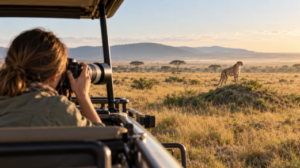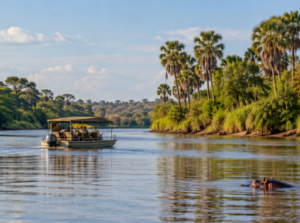
Nyerere National Park offers a rewarding setting for travellers who want to photograph Tanzania’s wildlife and landscapes. River scenes, woodland, open areas and changing light create opportunities for both close animal portraits and wider photographs that show wildlife in its natural surroundings.
Choosing the right photography Nyerere National Park safari operator helps you make the most of these opportunities. A good photography itinerary allows time to watch animal behaviour, find suitable viewing positions and wait patiently when a sighting has potential.
Whether you use a professional camera or simply enjoy taking travel photographs, your safari should match your interests, experience and preferred pace.
Why Choose Nyerere National Park for Photography?
The appeal of Nyerere lies in the variety of scenes you can photograph during one trip. A game drive might focus on mammals and their habitat, while a river outing introduces reflections, waterbirds and wildlife along the banks.
This variety helps you create a more complete photographic story. Instead of returning with only tightly framed animal portraits, you can include landscapes, movement, interactions and details that show the character of the park.
Wildlife and Animal Behaviour
Wildlife photography becomes more interesting when you look beyond simply recording a species. An elephant feeding, a giraffe moving through woodland or animals interacting can produce a stronger image than a brief photograph taken before driving away.
Patience matters. Spending time at a promising sighting gives you an opportunity to notice changes in posture, expression and behaviour. However, animals move freely, and no operator can guarantee a particular encounter.
River and Landscape Photography
The Rufiji River is an important part of the Nyerere safari experience. Riverbanks, water, vegetation and open skies provide a different setting from the scenes you photograph on game drives.
When conditions allow, reflections and softer light can add depth to your images. Wider compositions also help show the relationship between an animal and its surroundings.
Bird Photography
Birds add colour, movement and variety to a photography safari. Photographing them requires attention to both camera settings and behaviour, especially when they are flying or moving through vegetation.
Tell your operator if birds are a major interest. A traveller who wants to spend twenty minutes observing one bird needs a different safari pace from someone mainly interested in seeing larger mammals.
How to Choose a Photography Safari Operator
A photography safari should be planned around more than the number of parks or activities included. The guide, vehicle arrangements and time available at sightings all affect your experience.
Choose a Guide Who Understands Your Priorities
Your guide should know that photography is an important purpose of the trip. Explain whether you prefer birds, mammals, landscapes, animal behaviour or a mixture of subjects.
A guide working with photographers should be comfortable allowing longer observation periods when practical. They should also understand requests about light direction, obstructed views and positioning the vehicle safely.
If you want help learning camera settings, confirm whether photographic tuition is available. Wildlife guiding and photography instruction are separate services.
Confirm the Vehicle and Passenger Numbers
Ask how many people will share the vehicle and how much room is available for equipment. A guaranteed viewing position is helpful, but photographers also need space to handle a camera and long lens comfortably.
Useful details to confirm include:
- Access to windows and roof openings.
- Space for camera bags.
- Suitable support for a telephoto lens.
- Charging arrangements.
- Whether the vehicle is private or shared.
Avoid choosing a trip based only on the phrase “photography safari.” Ask what the arrangements actually include.
Consider a Private Safari
A private safari can be especially useful when photography is your main priority. You can discuss your interests directly with the guide and agree on a pace that gives you more time at suitable sightings.
For example, you may prefer to remain with one animal rather than leave immediately to search for another species. Private arrangements make these decisions easier, although all activities remain subject to park rules, conditions and the guide’s judgment.
A shared safari can still provide enjoyable photography opportunities. Its schedule, however, must also accommodate other travellers.
Check the Quotation Carefully
Compare the services included in each quotation. A lower price may reflect fewer activities, different accommodation or shared vehicle arrangements.
Confirm whether the package includes accommodation, meals, park fees, transfers, game drives and any planned boat or walking safari. Ask separately about specialist photographic guiding, private boat arrangements and other optional services.
Choosing Your Travel Season
The best time for your photography safari depends on the images you want to create.
Drier conditions can make wildlife easier to observe where vegetation is thinner and animals use available water sources. These conditions may suit photographers who prioritise mammals and clearer views.
Greener conditions can provide richer colours and attractive landscape backgrounds. However, rain and thicker vegetation can affect visibility, road access and activity arrangements.
Discuss your travel month with the operator before booking. Ask how conditions are likely to affect your chosen camp and the areas included in the itinerary. Seasonal patterns are useful for planning, but they cannot predict the weather or wildlife movements on a particular day.
Photography Activities to Include
Game Drives
Game drives give you opportunities to photograph wildlife portraits, movement and animals within the landscape.
When an encounter begins, consider taking a wider image first. This records the setting and gives you a usable photograph before the animal changes position. You can then work on closer compositions if the sighting continues.
Early and late light can be attractive, but stronger midday light also offers possibilities. Concentrate on exposure, backgrounds and the direction of the light instead of assuming every photograph must be taken at sunrise or sunset.
Boat Safaris
A boat safari offers a different perspective on river wildlife and scenery. It can add variety to a trip that otherwise consists mainly of vehicle outings.
Boat movement affects sharpness, especially with a long lens. Use a shutter speed suitable for the subject and the movement of your platform. Keep equipment secure and protect it from splashes.
Confirm the activity’s availability, departure arrangements and whether the boat will be shared. A general sightseeing boat trip may have different priorities from an outing organised specifically for photographers.
Guided Walking Safaris
Walking activities can help you notice smaller subjects, including tracks, plants, insects and textures that are easy to overlook from a vehicle.
They should be treated as a guided nature experience. Follow the guide’s instructions and keep your equipment manageable. Confirm availability and suitability before adding a walk to your itinerary.
Suggested Five-Day Nyerere Photography Itinerary
The following itinerary provides a flexible starting point. Your operator should adapt it to your arrival time, accommodation location, activity availability and departure arrangements.
| Day | Suggested programme | Photography focus |
|---|---|---|
| 1 | Arrive, settle into camp and take an afternoon outing if time allows | Landscapes and introductory wildlife images |
| 2 | Morning and afternoon game drives | Animal portraits, behaviour and habitat |
| 3 | Game drive and a prearranged boat safari | River scenes, birds and varied perspectives |
| 4 | Photography drives with time for longer observation | Priority subjects and stronger compositions |
| 5 | Final outing if departure timing permits, followed by transfer | Remaining photographic interests |
Several nights give you repeated opportunities to work with different light and wildlife encounters. They also reduce the pressure to photograph every desired subject during a single outing.
Avoid filling the itinerary with too many transfers. Time spent travelling between accommodation locations can reduce the time available for photography.
Camera Equipment to Bring
Choose equipment you know how to use confidently. Familiar controls help you react more quickly when an animal moves or an interesting moment develops.
A practical equipment list includes:
- A camera and versatile telephoto lens for wildlife.
- A wider lens for landscapes and environmental images.
- Spare batteries and sufficient memory cards.
- A beanbag or another suitable lens support.
- A protective cover and dry bag.
- Lens-cleaning materials.
- A device or storage system for backing up photographs.
A second camera body can reduce lens changes in dusty conditions, but it is optional. If you are flying to the safari, confirm the baggage allowance before deciding how much equipment to carry.
Smartphones are useful for scenery and travel photographs. For distant animals, a camera with an appropriate optical telephoto lens offers more flexibility.
Practical Tips for Better Wildlife Photographs
- Match Your Settings to the Subject
Moving wildlife generally needs a faster shutter speed than a resting animal. Long lenses and movement from a vehicle or boat can also increase the risk of blur.
Check your photographs periodically for sharpness and exposure. A brief review can reveal a problem while you still have time to adjust your settings.
Pay Attention to the Background
Branches, bright patches and other distractions can weaken an otherwise appealing photograph. When safe and practical, ask whether a small change in viewing position would improve the composition.
Include the habitat when it adds meaning. Not every wildlife photograph needs to fill the frame with the animal.
Watch Before You Shoot
Observing behaviour helps you anticipate movement. An animal’s posture or attention may suggest that something is about to happen, but patience remains essential.
Use short bursts when appropriate, then pause to watch. Taking more photographs does not automatically produce better results.
Protect and Back Up Your Equipment
Keep camera bags closed when driving through dusty areas. Avoid unnecessary lens changes, and organise equipment before a boat outing.
Back up your images regularly. If possible, keep a second copy separate from the original memory cards.
Photograph Responsibly
Respect wildlife and follow park rules. Never pressure a guide to approach too closely, disturb an animal or use an unauthorised route for a photograph.
Responsible photography protects the wildlife experience and allows you to observe natural behaviour.
What Determines the Safari Cost?
The price of a Nyerere photography safari depends on the trip’s arrangements. Key factors include the number of travellers, travel dates, accommodation, duration, transport and included activities.
Private vehicles, specialist photographic guiding and private boat outings may affect the quotation. Flights and road transfers can also change the overall cost.
Request an itemised quotation and compare equivalent services. Clear inclusions are more useful than a low starting price that leaves essential costs unspecified.
What should I share with Kilipath African Safaris?
Send your travel dates, number of travellers, preferred accommodation and approximate budget. Explain your main photography interests and whether you want a private vehicle, boat safari or specialist photographic guidance.
Kilipath African Safaris can use these details to prepare a proposed itinerary and confirm the arrangements available for your trip.